Summer travel is still something many people look forward to all year. But in 2026, the question is not always “Where should we go?” Sometimes the real question is “What can we realistically afford without creating stress for the rest of the year?”
A new Talker Research survey, commissioned by Current, found that 37% of Americans will not be taking a summer trip this year, with cost as the main reason. Among those not traveling, 52% said they cannot afford a trip, while others said they are saving money, paying off debt, or worried about the rising cost of travel.
And I understand this very well.
ID 76383146 ©Margaret619 | Dreamstime.com
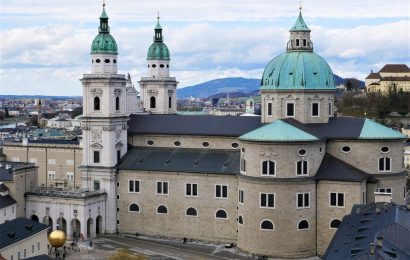
A few years ago, after visiting Vienna, I had my heart set on Salzburg for the following year. I had already planned the itinerary in my head. I knew what I wanted to see, where I wanted to walk, what kind of trip it would be. Salzburg was the dream vacation for that summer.
Then we looked at the actual numbers.
The Salzburg trip would have cost around $2,500. Our vacation budget for that year was 2,500 lei, which, at that time, was only about $785–$790.
So Salzburg was not happening.
But summer was not cancelled.
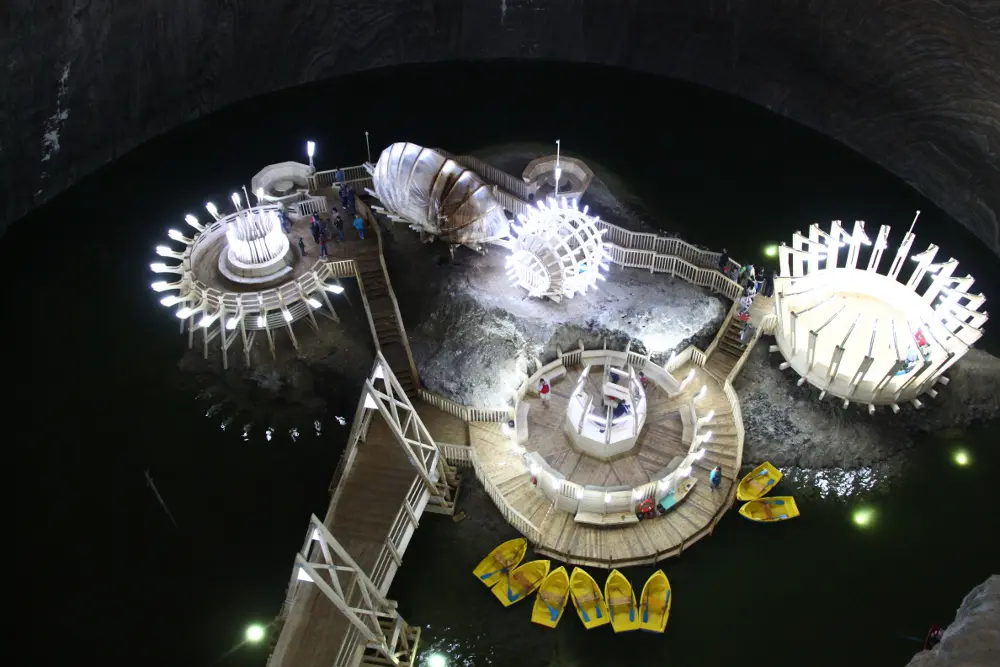
We adapted. We chose Romania instead, and we ended up having one of the most beautiful vacations we ever took. We went to the Apuseni Mountains, visited Săpânța and the Merry Cemetery, saw Scărișoara Ice Cave, Bear Cave, Alba Iulia, and many more places. It was not the vacation I had planned, but it became a vacation I still remember with joy.
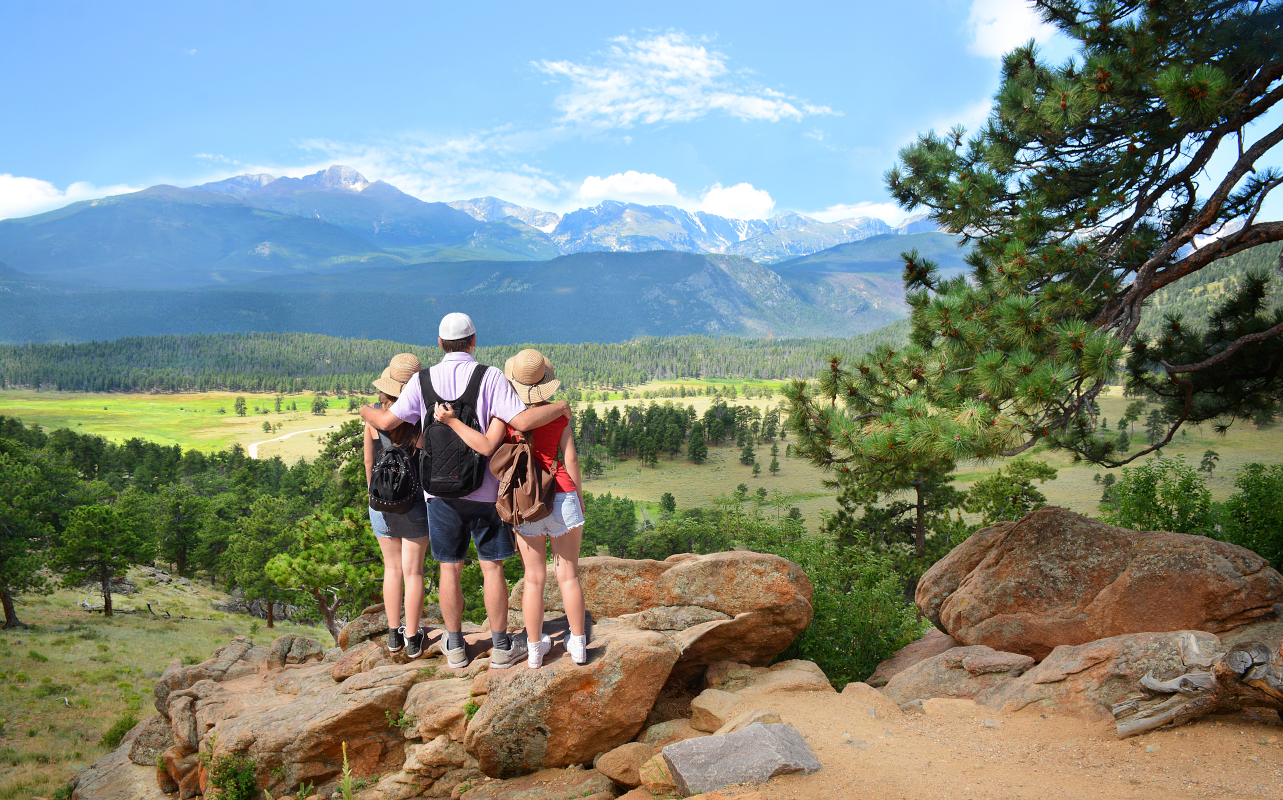
That is why I do not see this summer travel conversation only as a story about cutting back. Yes, budgets matter. Yes, prices matter. Yes, some trips are no longer realistic for many people. But there is another part of the story too: adapting, choosing differently, and still making the summer count.
Why Many Americans Are Not Traveling This Summer
According to the Talker Research survey of 5,000 Americans, split evenly by state and generation, 37% will not be traveling this summer.
For those not taking a summer trip, the reasons are very practical:
- 52% said they cannot afford the cost of a trip
- 25% said they are working to save money
- 22% said they are paying off debt
- 21% said they are concerned about the rising costs of travel
This is not surprising. A summer vacation is not just a hotel and a plane ticket. It is food, local transportation, entrance fees, parking, luggage, insurance, souvenirs, snacks, fuel, tips, pet care, airport transfers, and all the small things that do not look frightening individually but become very real when added together.
Another recent Talker Research survey, this one conducted on behalf of CheapCaribbean Vacations, found that 58% of Americans plan to spend less on travel in 2026 than they did last year, with travel budgets down by an average of 23%. The same survey found that 75% say their travel budget does not stretch as far because of higher prices.
So yes, people are being more careful. But that does not mean they have stopped wanting experiences.
The Better Question: What Kind of Summer Can You Afford Without Regret?
I do not think the goal should be to force a trip just because it is summer.
A vacation that creates debt, stress, arguments, or months of financial pressure after you return is not automatically a better vacation because it includes a famous destination.
Sometimes the better decision is to change the plan.
That can mean choosing a nearby region instead of another country. It can mean taking a shorter trip. It can mean driving instead of flying. It can mean staying with family, choosing a cheaper destination, traveling in the shoulder season, planning more free activities, or taking day trips from home.
This is not about giving up. It is about making the trip fit the life you actually have right now.
That was exactly what happened with our Salzburg plan. I still wanted Austria. I still wanted that type of elegant, cultural, beautiful trip. But our budget said no. So we chose something else, and because we chose well, we did not feel punished by the decision.
The Apuseni Mountains gave us caves, mountain roads, local food, old towns, history, nature, and that feeling of being away from daily life. Săpânța gave us color, culture, and one of the most unusual cemeteries in the world. Alba Iulia gave us history and beautiful architecture. It was not a “lesser” vacation. It was a different vacation – and sometimes that is the point.
Travelers Are Still Going – But They Are Changing the Way They Travel
The Current/Talker Research survey also looked at people who traveled last summer and plan to travel again this summer.
Among those travelers, many said their 2026 trips will be different from their 2025 trips:
- 32% plan to visit different types of destinations
- 31% plan to be more budget-conscious
- 25% plan to travel to more affordable destinations
- 22% plan to do more day trips or adventures within their own city or state
- 22% plan to travel for shorter lengths of time
This is where the useful part begins.
Because if the old version of summer travel is too expensive, the answer is not always “stay home and do nothing.” The answer can be: choose a different format.
A three-day trip can still count. A local mountain region can still count. A museum day can still count. A nearby city break can still count. A beach that is closer to home can still count. A picnic, a cave, a castle, a botanical garden, a free concert, a historic town, or a long walk through a new neighborhood can still become part of a memorable summer.
I had several years when I could not afford a vacation. What did I do instead?
If I could afford it, I would go on one-day trips by car (to the mountains, to the sea, to nearby cities or attractions – palaces, fortresses, museums, nature reservations, etc.). If not, I would explore my city a lot – visit more museums, go to the parks, the botanical garden, etc.
I have always believed that travel does not have to be expensive every minute to be valuable every minute. In fact, some of the best parts of many trips are free or almost free: walking through a city early in the morning, discovering a local market, sitting in a park, finding a viewpoint, visiting a church or cathedral, seeing famous landmarks from the outside, attending a free event, or just giving yourself time to notice where you are.
I have a full guide to free things you can do almost anywhere in the world here.
Top Travel Trends Predicted for Summer 2026
According to the Talker Research survey commissioned by Current, these are the top travel trends Americans expect to see this summer:
- Staycations, staying within your city or state for a more casual trip and returning home to sleep — 32%
- “Quietcations,” vacations where you can unplug and recharge in a calm environment — 30%
- “Micro-breaks” / “micro-cations,” short trips, like a long weekend, for a mini-vacation — 30%
- “City-cation,” staying at a hotel or otherwise out of your own house in a nearby city — 21%
- Pet-friendly travel, traveling in a way and to locations where pets are welcome — 20%
- “Destination dupes,” for example, finding a white sand beach close to home instead of traveling abroad — 18%
- “Bae-cations,” traveling with a romantic partner for the first time — 14%
- “Passion-cations,” vacations planned entirely around a personal passion, such as a pottery workshop or a sushi-making class — 13%
- “Decision-detox,” a pre-arranged trip with no choices or logistics to think about after arriving — 13%
- Bookbound, trips inspired by literature and books, such as visiting authors’ homes or literary landscapes — 8%
Some of these names may sound trendy, but the behavior behind them is not strange at all. People are trying to keep the experience while changing the cost.
A staycation can be a real break if it is planned properly. A micro-break can be better than waiting for a perfect two-week vacation that never happens. A quietcation makes sense for people who are exhausted and do not want a packed itinerary. A destination dupe can help travelers avoid the most expensive and crowded places without giving up the type of scenery or atmosphere they want.
Which States Are Most Likely to Be Planning Summer Vacations?
The same Talker Research survey also looked at which U.S. states are most likely to be planning summer vacations in 2026.
- Illinois — 77%
- Texas — 74%
- New Jersey — 73%
- Massachusetts — 72%
- Wisconsin — 71%
- Georgia, New Mexico — 70%
- New York, Virginia — 69%
- Alaska, Idaho, Pennsylvania — 68%
- California, Colorado, Utah — 67%
- Michigan, Nebraska, Tennessee — 66%
- Maryland, South Carolina — 65%
- Delaware, Nevada, West Virginia — 64%
- Louisiana, North Dakota, Washington — 63%
- Missouri, Montana, Rhode Island — 62%
- Alabama, Florida, North Carolina, Ohio, South Dakota — 61%
- Maine, Minnesota — 60%
- Connecticut, Iowa — 59%
- Indiana, Kansas, Oregon, Vermont, Wyoming — 58%
- Arizona — 57%
- Hawaii — 55%
- Kentucky, New Hampshire — 54%
- Oklahoma — 53%
- Mississippi — 48%
- Arkansas — 47%
The numbers are interesting because they show that summer travel is not disappearing equally everywhere. In some states, a large majority still plan to take a vacation. In others, fewer than half do.
But wherever people live, the pressure is similar: how to make summer feel like summer without ignoring the budget.
How to Make Summer Travel More Affordable in 2026
The CheapCaribbean/Talker Research study found that travelers are already using several strategies to make their budgets go further.
The top ways Americans say they are stretching their travel budgets include:
- Bringing snacks or groceries instead of eating out for every meal — 34%
- Driving instead of flying when possible — 28%
- Taking fewer trips per year but making them count — 24%
- Taking advantage of free attractions or activities at their destination — 22%
- Looking for travel deals or flash sales — 21%
- Traveling to visit friends or family to save on lodging — 21%
- Choosing budget or mid-range accommodations instead of luxury hotels — 20%
- Shortening the length of the trip — 20%
- Traveling during off-peak or shoulder seasons — 20%
- Being flexible with travel dates to find cheaper flights — 20%
These are practical choices, and many of them work.
Food is one of the easiest places to overspend while traveling. I am not saying every meal should come from a supermarket. Food is part of travel, and sometimes a special restaurant is worth it. But breakfast from a grocery store, snacks in your bag, refillable water bottles, or one simple picnic can save more than people expect.
Free attractions also matter. Almost every destination has something that does not require an expensive ticket: parks, viewpoints, public squares, historic streets, churches, local markets, public art, free museum days, free walking areas, beaches, hiking trails, and seasonal events.
I have a separate guide with budget travel hacks that can save more than $50 a day without sacrificing comfort or experiences here.
The important part is not to make the trip miserable in the name of saving money. The important part is to know where money improves the experience and where it does not.
For example, I would rather pay for one attraction I truly want to visit and save money on breakfast than spend all day randomly and then skip the thing I came for. I would rather choose a good mid-range hotel in the right location than a luxury hotel that forces me to pay more for transportation. I would rather take a shorter trip with less stress than a longer trip that makes me anxious every time I check the card balance.
Destination Dupes Can Be a Smart 2026 Travel Strategy
Destination dupes are not only about social media trends. They can be a very practical way to travel better for less money.
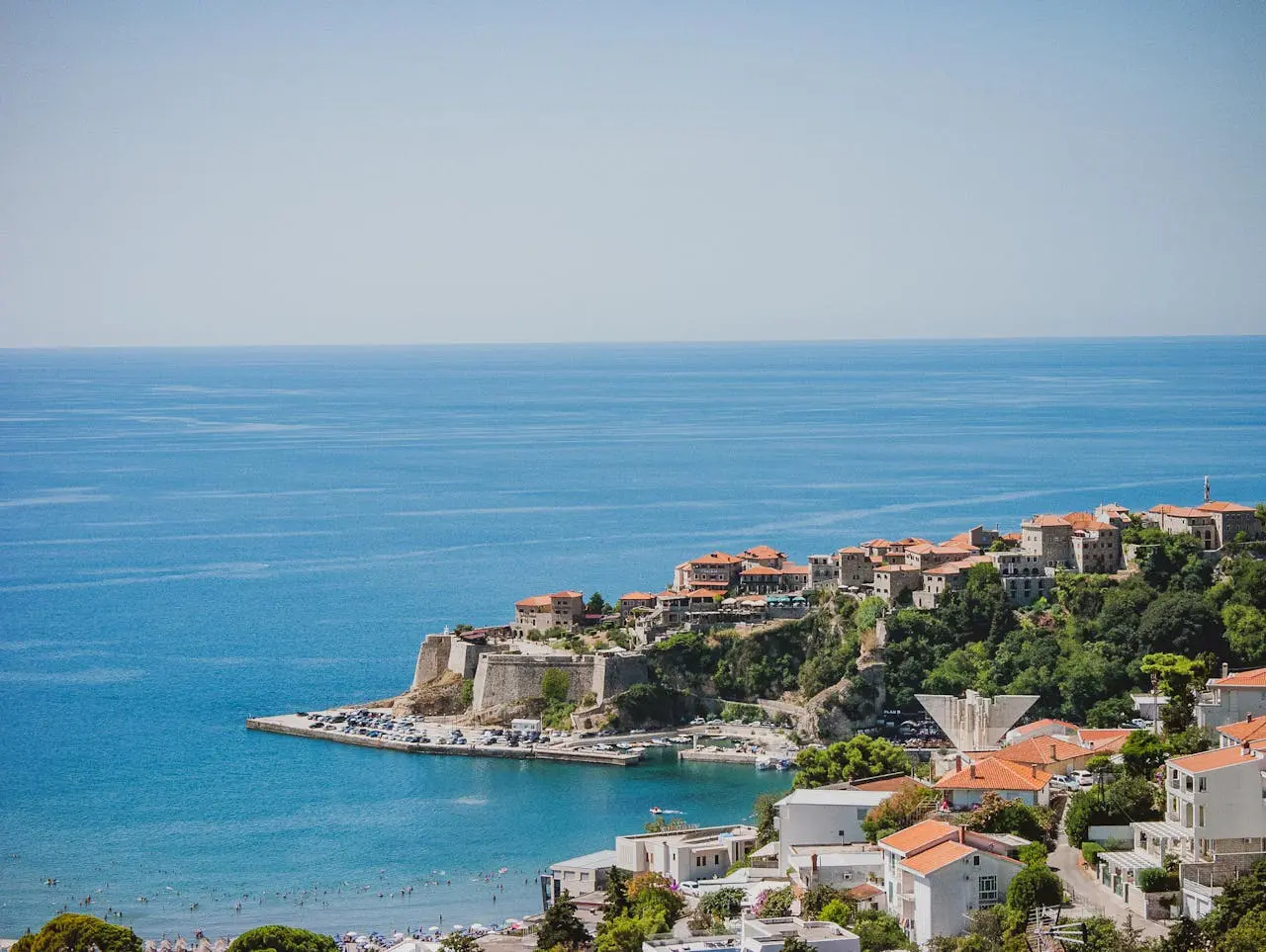
If Santorini, the Amalfi Coast, Iceland, Amsterdam, Bruges, or Mykonos are too expensive or too crowded, that does not mean Europe is closed to you. It may mean you need a different destination with a similar type of beauty, atmosphere, or experience.
For example, instead of choosing only the most famous places, travelers can look at destinations such as the Albanian Riviera, Ljubljana, Plovdiv, Ulcinj, Ghent, the Azores, or Paros, depending on the type of trip they want. I wrote more about European destination dupes for travelers who want beauty without the crowds and the highest prices here.
This is one of the best ways to adapt without feeling like you are giving up. You are not saying, “I cannot travel.” You are saying, “I can travel differently.”
And sometimes the alternative is more enjoyable because you are not spending the entire trip fighting crowds, queues, inflated prices, and the feeling that every table, room, and ticket has already been claimed by someone else.
If a Big Trip Is Not Possible, Build a Summer Instead
A summer without a big trip does not have to become a blank space.
This is something I believe strongly because I have lived it. The year Salzburg was not possible, we did not replace it with nothing. We replaced it with something that fit our real budget. That made all the difference.
If your budget does not allow a big trip this year, you can still build a summer around smaller experiences:
- one-day trips
- local hikes
- nearby towns
- free museums or free museum days
- outdoor concerts
- picnics
- lakes, rivers, beaches, or forests close to home
- local festivals
- botanical gardens
- historic neighborhoods
- scenic drives
- sunrise or sunset walks
- family game nights
- travel-themed movie nights
- food nights inspired by different countries
- photo walks in your own city
- free cultural events
- local markets
- public gardens
- nearby castles, churches, or landmarks
I have a full list of summer bucket list ideas with travel experiences, simple activities, and memorable things to do even when you are not taking a big vacation – I am sure you will find many inspiring ideas.
The point is to be intentional. If you only say “we are not traveling,” summer can feel disappointing. If you say, “we are choosing three-day trips, two free events, one picnic, one museum day, and one new place within driving distance,” the whole season feels different.
It gives people something to expect. It gives the family a plan. It gives children memories. It gives adults a break from the routine. And it does not require pretending that money is not a factor.
You Can Also Travel Virtually for Free

I know virtual travel is not the same as standing in front of a painting, walking through a palace, or entering a museum in another country. I will never pretend it is the same.
But it can still be valuable.
If the budget does not allow a museum-heavy city break this summer, you can still explore remarkable museums online. This works especially well for families, students, people who love culture, or anyone who wants a travel-themed evening at home.
You can visit American museums online with this guide to free virtual museum tours in the USA.
You can explore European art collections with this guide to the top art museums in Europe with free virtual tours.
And if you want something beyond art, you can use this guide to fascinating non-art museums in Europe you can visit online for free, including science, history, transport, archaeology, aviation, and more.
This can be a simple summer idea: choose one museum, make coffee or lemonade, open the virtual tour on a bigger screen, and actually spend time with it. Not as background noise. Not while scrolling. Really visit it.
It costs nothing, and it still opens a door.
Travel Trivia Is Another Easy Way to Bring Travel Home
Another low-cost idea is to turn travel into a trivia night.
This works at home, with friends, with kids, during a road trip, in a classroom, or even as a relaxed summer evening activity when you want something different but do not want to spend money going out.
On Earth’s Attractions, I have a full travel trivia section with questions about Europe, the USA, world superlatives, Italian food, and other travel topics.
You can use trivia to make a staycation more fun, to prepare for a future trip, or simply to enjoy travel without booking anything. It is not a replacement for the feeling of being somewhere else, but it is a good reminder that curiosity does not have to wait until you have a plane ticket.
A Cheaper Summer Can Still Be a Memorable Summer
I know it is frustrating when the trip you want does not fit the budget. I also know that being told to “just enjoy simple things” can sound annoying when you had a real destination in mind.
So I am not saying people should pretend that rising travel costs do not matter. They do.
But I also know from experience that changing the plan does not automatically ruin the summer.
I wanted Salzburg. We chose the Apuseni Mountains. We saw caves, mountains, old towns, unusual places, and parts of Romania that gave us far more than a consolation prize. That trip stayed with me because we did not treat it as a failure. We treated it as the vacation we could take, and then we made it count.
That may be the most useful way to look at summer travel in 2026.
If you can afford the big trip, enjoy it. Plan it well, spend where it matters, and save where it does not.
If you need to cut back, you still have options: shorter trips, nearby destinations, destination dupes, day trips, free attractions, local experiences, virtual museums, trivia nights, bucket-list activities close to home, and places you may have ignored because they were too close to feel exciting.
A summer does not have to be expensive to be meaningful.
But it does need a plan.
More amazing articles for you:
He Was Waiting for His Suitcase at Baggage Claim. Then a Sock Appeared - What Happened Next Had Peop...
300 Movie Trivia Questions and Answers - How Many Can You Get Right?
Inspiration For Your Next 72hr Trip to Europe
10 Awesome Things to Do in Wanaka, New Zealand
What Guests Steal From 4- and 5-Star Hotels: Towels Are Only the Beginning
Paris Metro and RER Guide for First-Time Visitors: Tickets, Zones, Airports, Versailles, and Disneyl...
These 200 Travel Would You Rather Questions Make Long Drives, Airport Waits, Train Rides, and Hotel ...
Tips for making car rental an easy experience

Violeta-Loredana Pascal is a communications expert, business mentor, and the founder of Earth’s Attractions and PRwave INTERNATIONAL. A pioneer in the Romanian digital PR landscape since 2005, she holds a degree in Communication and Social Sciences from SNSPA Bucharest. Violeta is a senior trainer at AcademiadeAfaceri.ro, where she leverages over 20 years of experience to teach professional courses in PR strategy and workplace productivity. By blending high-level business consulting with a passion for holistic travel and wellness, she empowers solopreneurs to overcome procrastination, build profitable brands, and design a life of purposeful adventure.