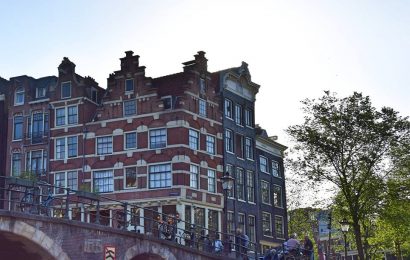
Whether you are planning a weekend in Paris or a month-long trek across Europe, Asia, or the USA, the biggest threat to your budget isn’t the flight – it’s the many smaller expenses that will add up to a huge amount at the end of the trip.
I found that we can all save money on vacation without sacrificing the experience. In fact, mastering how to save money while traveling is less about deprivation and more about tactical awareness. By implementing a few budget travel hacks to save money – some before you even leave your accommodation -, you will make your budget go a long way. The goal is to reduce daily travel expenses by shifting your habits just enough to keep your budget intact while keeping the quality of your adventure high.
If you want to stop bleeding cash and start traveling like an insider, these practical travel hacks to save money will easily shave $50 to $100 off your daily travel spending without sacrificing comfort.
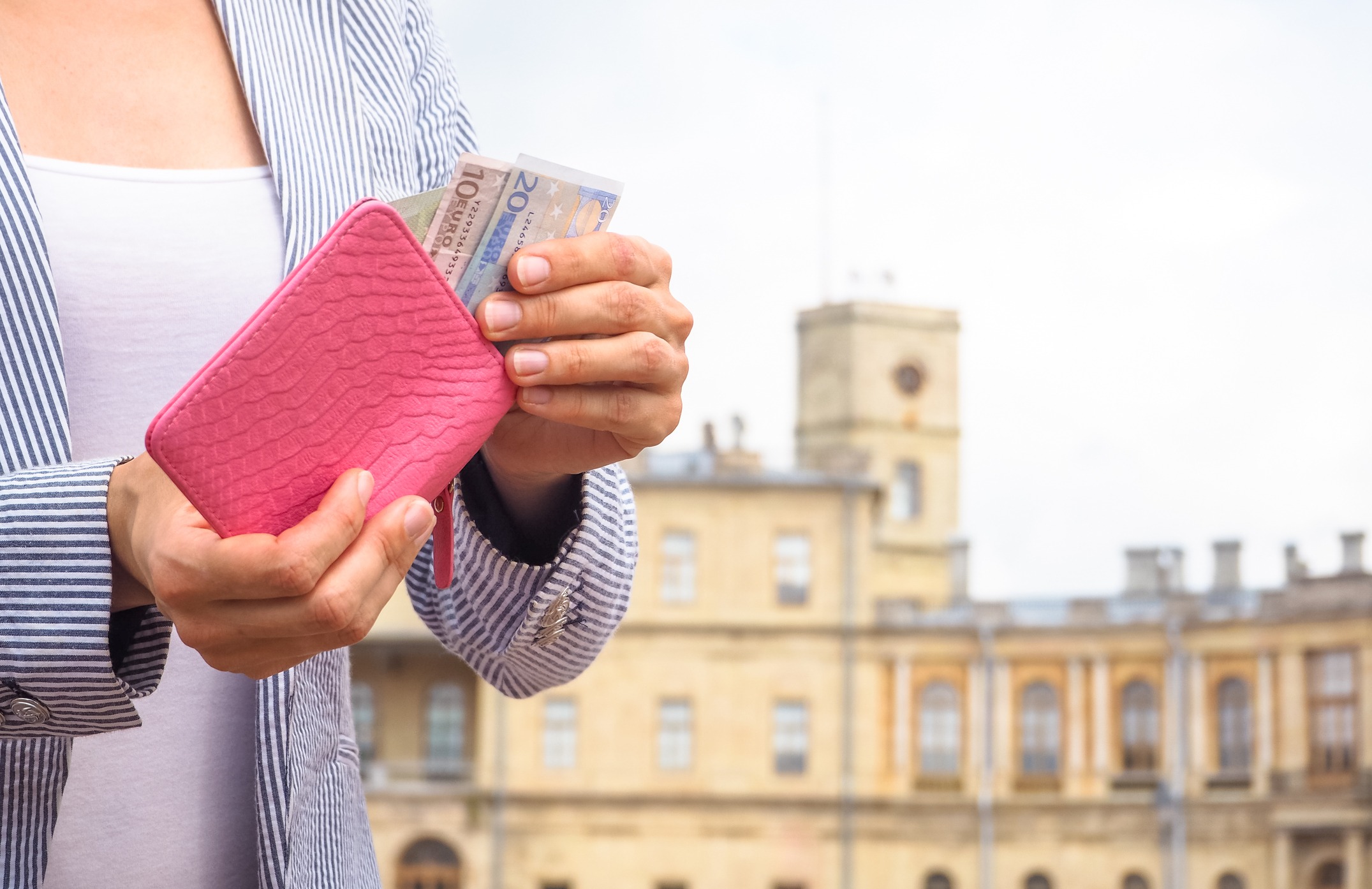
ID 120787203 ©Sablin Stanislav | Dreamstime.com
How To Save Money While Traveling
1. The “Gourmet Grocery” & Discount Pairing
Food is one of the most flexible travel expenses – and one of the least optimized. Eating every meal in restaurants, especially in central areas, quickly shifts spending into the highest price tier. If you’re looking for how to eat cheaply while traveling in Europe, adopt a hybrid approach: pair one high-end meal with a curated supermarket dinner. This is one of the most practical ways to save money on food while traveling, especially in major European cities.
European supermarkets aren’t just for raw ingredients; chains like Mercadona (Spain), Monoprix (France), Albert Heijn (Netherlands), and Conad (Italy) have massive “Ready to Eat” sections with fresh pasta, rotisserie meats, and local deli spreads. In Bucharest, you will find them in Auchan, Carrefour, Mega Image – and more, including at the hypermarkets in the malls.
The Pro Move: Visit these stores roughly 60 to 90 minutes before closing. Most major European chains mark down prepared foods by 30–50% to clear stock for the next day. These are freshly prepared items with same-day turnover policies, which is why unsold portions are discounted toward closing rather than carried over. I bought such items from Carrefour and saved a lot or ate better (more nutritious) food than a simple croissant/snack.
A $30 bistro dinner becomes an $8 gourmet picnic. This is one of the most effective cheap travel food ideas for maintaining a high quality of life on a low budget. If you’re researching cheap travel food ideas in Europe, this approach consistently delivers both quality and savings.
There will be a second eating out and saving big time tip later in this list 🙂
2. The “First-Day Grocery Reset”

The most expensive moment of any trip is the first three hours. You’re jet-lagged, dehydrated, and likely to pay $9 for a hotel minibar water. Stop this cycle by making a “Stock-Up Run” your very first activity after dropping your bags.
Spend about $15 on a multipack of water, local fruit, and a box of high-quality granola bars or local pastries.
This eliminates reactive purchases at tourist kiosks where prices are inflated by 400%.
The Hidden Save: By having breakfast items in your room, you skip the $25-per-person hotel breakfast buffet – saving a couple $50 before the day even begins. This is one of the simplest ways to reduce daily travel expenses from the very first day. I used it in Paris, a few years ago.
3. The “Last Stop” Accommodation Pivot
Staying in the shadows of the Eiffel Tower or the Duomo comes with a premium that goes far beyond the room rate. Choosing where to stay to save money while traveling becomes critical in cities where central locations carry a significant price premium.
One of our favorite smart travel tips to save money abroad is to book accommodation 1–2 metro stops away from the main attraction hub. In many cases, cheaper hotels just outside the city center offer a better balance between price, comfort, and access.
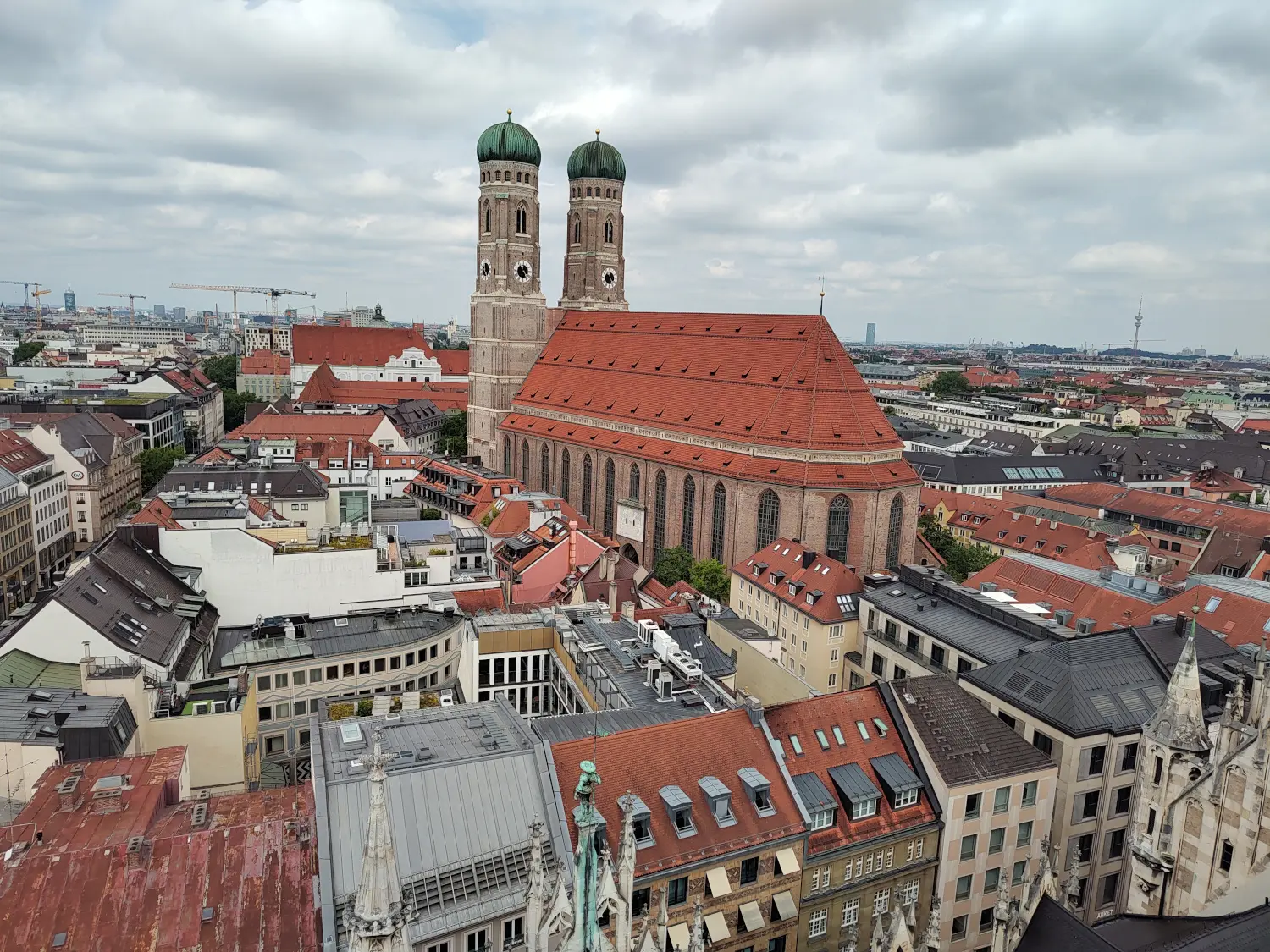
As I noted in my Munich 5-day itinerary, prices drop sharply just outside the tourist core. We stayed a few bus stops from the main area (but Munich has a great public transport) and it was really great for out budget.
I have another example: during a trip to Vienna, we stayed near the Prater instead of the Innere Stadt. We were a 5-minute U-Bahn ride from the center, but our nightly rate was 25% lower, and we had better access to authentic local cafes. True, we spent a day in Prater too (I love amusement parks) – so it was great for us.
Always compare prices – sometimes being “just outside” offers the best luxury-to-price ratio. Obviously, make sure the cost of transportation does not outweigh your savings (and the time spent on the busses/trams/metro).
4. Master the “Menu del Dia” (The Lunch Upgrade)
I said above that I have one extra tip on how to save big when eating out on vacations. One of the best ways to reduce travel expenses per day is to flip your dining schedule. In almost every major European and Latin American city, the Lunch Menu (Menu del Dia) is one of the most reliable ways to save money on food while traveling without lowering quality.
Restaurants offer a 2 or 3-course fixed-price meal for a fraction of the evening price. You get the same chef and ingredients for about $15–$20, whereas the exact same experience at 8:00 PM would cost you $45+. We used this strategy in Brno, but you can use it everywhere, whether you visit Paris, London, Prague, Vienna or any other city.
Pro tip: search online, prior to your trip, for the restaurants in the city offering such options. They are known by locals – some are on Google Maps too. That way, based on your itinerary, you will know exactly when and where to go!
So, if you combine this tip with the one mentioned here at #1, your strategy might be:
- Eat lunch in the city – the meal/menu of the day option
- Buy later in the evening some discounted food, cooked that day, from supermarkets/food stalls in malls (20-50% off with 1-2 hours before closing time).
5. The “Check the Menu” Digital Audit
Before you sit down and commit to a table, pull up the restaurant on Google Maps and filter recent photos by “Menu.” This is a key part of how to save money on food while traveling.
The Red Flag: If the physical menu at the door doesn’t have prices, or if it says “market price” for basic items, walk away.
The Pro Tip: Look for the “Coperto” (cover charge) or service fee in the fine print. In cities like Venice or Rome, sitting at a table can cost $5–$10 more per person than standing at the bar for the exact same coffee.
6. The “ATM Currency Decline” (Airport Edition)
Hidden travel costs and how to avoid them often start at the arrivals hall. Never use ATMs at the airport. (If you must use them, only withdraw the minimum possible amount you require.) These machines target “fresh” travelers with high exchange rates.
To avoid ATM fees when traveling abroad, wait until you reach the city center to find a legitimate retail bank (like ING, Deutsche Bank or HSBC). I always look for such trusted ATMs in the cities – I did this even in Vienna.
One more important tip to save money: When the machine asks to “accept our conversion,” ALWAYS decline. Choose “Proceed without conversion” to let your home bank handle the rate. This is the best way to withdraw money abroad without fees. This typically results in a noticeably better exchange rate and can save a meaningful percentage on each withdrawal.
7. The “Carry-On Weight Buffer” Strategy
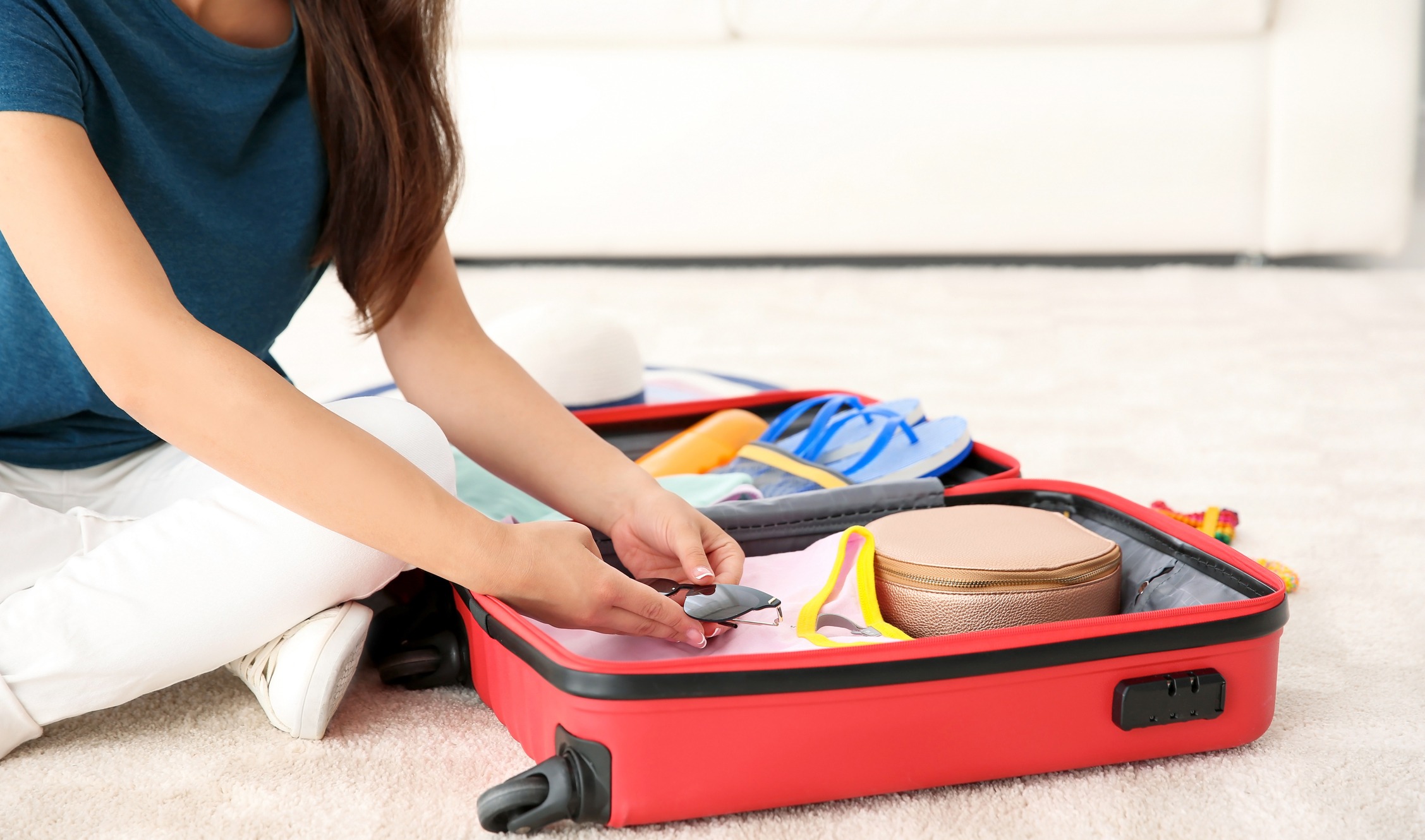
ID 118675020 ©Chernetskaya | Dreamstime.com
Airlines have become ruthless with weight limits. If your carry-on is even slightly over the limit, budget carriers will charge a “gate-check fee” of $50–$70. This is one of the easiest ways to avoid airline baggage fees while traveling.
The Hack: Leave 1–2kg of “buffer space” when you leave home to account for souvenirs. If you’re at the limit, wear your heaviest items – boots, hoodies, and jackets – through security. I always leave room in my luggage because I love souvenirs (apparently, we all love to buy them – some even very odd souvenirs).
Use a “Travel Vest” with deep internal pockets for heavy electronics like power banks. Airlines weigh the bag, not the traveler.
8. The “Reverse Souvenir” Strategy
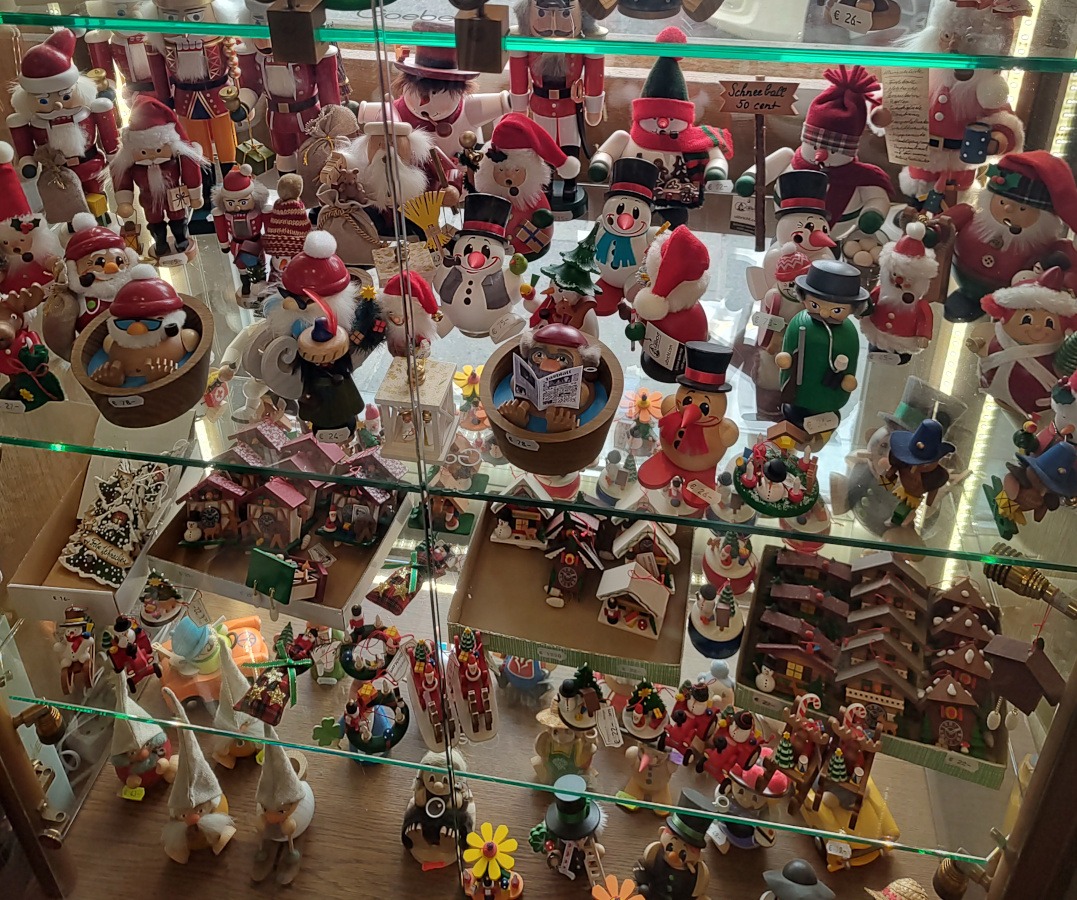 Munich souvenirs
Stop buying “local” crafts in high-traffic tourist zones. Most are mass-produced imports with significantly inflated markups.
Instead, head to local boutique chains or department stores. Interestingly, airport departure shops are often better than street-side tourist traps as they are price-controlled and standardized, ensuring you don’t get a cheap knock-off at a premium price.
While in Munich, my son wanted several items from the Deutsches Museum. We bought some, and decided to think about others – and get back in another day. However, we went to a supermarket and there it was: the exact item my son wanted. And 20 euro cheaper! (it was an item of over 70 euro).
A caution here: When we were in Munich we visited the souvenir shops in the city center. We bought some stuff, but, as it was our first day, we said we would buy others in other days, from different places. I saw some gorgeous Christmas ornaments (in the summer!) and a few other items. Unfortunately, we did not find these in other souvenir shops we visited… So… yeah, we have to go back to Munich :)) The lesson here: if you really love something, maybe buying them from the first place is a good idea (if you have the budget).
9. Use the “Water Fountain” Map Hack
This is something I did not know for a long time.
I would usually have 1-2 2l bottles (bought from the supermarket, see tip 2) in my backpack when we go on a trip. But, in cities like Rome, London, or Zurich, buying bottled water is essentially a “tourist tax.”
If you want to know how to find free water in European cities, search “public fountain” or “water fountain” on Google Maps. Rome alone has over 2,500 nasoni providing ice-cold, high-quality drinking water for free. This simple habit can save a family of three nearly $40 a day. And yes, it is that easy to find free drinking water in Europe. Plus, this trick is one of the easiest ways to avoid buying bottled water while traveling.
10. Flip Your Timing for Major Landmarks
Most people rush to major landmarks at 9:00 AM, creating peak crowds and expensive “skip-the-line” pressure. Instead, visit major attractions in the last two hours before closing. Note here: you will only see some items, not all the exhibitions and this tip to save money while traveling does not work on all attractions. So make sure you search in advance and see which places from those you want to see have this offer – and if it is good for you.
Crowds thin out, the light is better for photos, and in many cities, “Last Entry” tickets are offered at a discount. You’ll save on the ticket and skip the $20 “Express Pass” fee.
Additional Museum Strategy: Free Access Days
Many of Europe’s most famous museums are not always paid experiences. Several offer full free-access days each month or year – open to all visitors, with standard access to permanent collections.
Here are some of the most reliable ones to plan around:
- The Louvre Museum — free on the first Sunday of the month (October to March)
- The Musée d’Orsay — free on the first Sunday of every month
- The Centre Pompidou — free on the first Sunday of every month (permanent collections)
- The Vatican Museums — free on the last Sunday of each month
- The Prado Museum — while known for evening access, also offers occasional full free days (e.g., special dates/national celebrations)
- The Colosseum and major state museums in Italy — free on the first Sunday of each month (initiative: Domenica al Museo)
- The Acropolis Museum — free on selected national holidays and specific dates each year
These are not limited-access windows – you can visit during normal opening hours and see the same collections as paying visitors. Planning around free museum days in Europe can significantly reduce sightseeing costs. BTW: seeing art can actually help you be healthier!
The only real trade-off is timing and crowd levels. But if your itinerary is flexible, this is one of the simplest ways to remove $15–30 per attraction from your daily costs without cutting anything from the experience.
Alternative: Permanently Free Museums
Several major European museums are permanently free or largely free, meaning you can visit on any day, at any hour, without timing your itinerary around specific dates.
These are among the best free museums in Europe, offering high-value cultural experiences without an entry fee:
- The British Museum — free permanent collections, one of the most comprehensive in the world
- The National Gallery — free access to major works from artists like Van Gogh and Da Vinci
- The Tate Modern — free modern and contemporary art collections
- The Rijksmuseum Gardens — while the museum itself is paid, the gardens and outdoor areas are free and worth visiting
- The Museo Reina Sofía — free during specific evening slots, often less crowded than peak hours
In parallel, many cities offer smaller municipal museums or cultural institutions with either free entry or very low fees, often with fewer visitors and more relaxed viewing conditions.
11. The “Transport Day Pass” Math
Don’t instinctively buy the “3-Day Tourist Transport Pass.” These are often priced for convenience, not savings. Before buying, check the cost of a single ride. In cities like London or New York, daily “capping” on your contactless card means you’ll never pay more than the price of a day pass anyway. If you plan on walking a specific district, individual tickets usually save you $10–$15.
For instance, in Munich, we bought day passes – based on the areas we wanted to visit. We did not buy multiple-day passes because we took different trips or went to different areas than those in a given pass.
However, we used the Vienna City Card and saved big – because we had discounted prices at museums too. Always run the numbers based on your actual itinerary.
12. The “Digital Ticket Screenshot Rule”
Data roaming is a silent budget killer. Before leaving your hotel Wi-Fi, screenshot your boarding passes, museum tickets, and Google Maps routes.
This avoids roaming data spikes and ensures you aren’t denied entry to an attraction because of a bad signal.
13. The “Location Screenshot” Before Rideshares
Before you call an Uber or Bolt, screenshot your current location and the estimated fare. This gives you a reference point if the final fare deviates unexpectedly. If a driver racks up the fare on a metered ride, or the app tries to retroactively charge a surge, you have timestamped evidence for a refund.
14. The “Card vs Cash Split Rule”
Use your card for large payments to get the best exchange rate, but keep small amounts of cash for local “hole-in-the-wall” spots. This avoids hidden FX fees on small transactions and “card minimum spend” traps that force you to buy more than you need. And read my article to find out if you need cash in Europe (and how much and where).
15. The “Train vs. Plane” Time-Value Calculation
When traveling between cities (e.g., London to Paris or Rome to Florence), budget airlines often look cheaper than the train.
But there is a hidden cost: a $30 flight often requires a $25 train to the airport, a $30 checked bag fee, and 4 hours of your time.
However, high-speed trains (like the TGV, ICE, or Frecciarossa) take you from city center to city center. You save on the “airport transfer” cost at both ends, and you can bring your own food on board (no smelly foods, please). If you book European train tickets 60–90 days out, the prices are often lower than the total cost of a “cheap” flight.
My husband used trains in Italy and it was a great option – not to mention he saved big and spent less on the trip.
Bonus Tip: Use eSIM
International data charges are one of the fastest ways to increase travel costs without realizing it. Even within Europe, coverage and roaming agreements are not always consistent, and once you leave the EU—especially for destinations in Asia or the USA—costs increase significantly.
In my case, I have a mobile plan from Europe that includes roaming in several countries, which works well for many trips. However, there are still destinations where this coverage does not apply, and relying on standard roaming becomes unnecessarily expensive.
A more efficient alternative is using an eSIM for travel.
An eSIM allows you to activate a local or regional data plan directly on your phone without changing your physical SIM card. Setup takes only a few minutes, and you can have mobile data ready before you even land.
Several reliable providers offer competitive global and regional plans:
- Airalo — one of the most widely used options, with coverage in 190+ countries
- Holafly — popular for unlimited data plans in many destinations
- Nomad — strong pricing for regional packages
- Ubigi — often used for Europe and Japan
- GigSky — good global coverage, including business travelers
From a cost perspective, this is one of the most practical ways to avoid roaming charges while traveling and keep connectivity predictable.
It also supports other savings strategies mentioned earlier: using maps without restrictions, checking menus in advance, accessing tickets offline, and avoiding unnecessary data usage fees.
Saving Money While Traveling
As you can see from the tips above, there are many ways to save money while traveling without compromising comfort. You can still enjoy your vacation without being thrifty, but while still minimizing spending.
What tips do you have for saving money while traveling? Share them in the comments so that we can all use them!
Photo source (other than Dreamstime and my own): Pexels
More amazing articles for you:
Time Change Survival Guide: Science-Backed Tips to Adjust Your Body Clock and Feel Less Tired After ...
Scientists Explain Why We Can’t Stop Buying Fridge Magnets - And How They Secretly Become the Story ...
Eight Hours to Nowhere: Transatlantic Flight Turns Around Because of a Broken Toilet
Offer travel experiences as a gift
Would You Pay $980 for a Cup of Coffee? Inside Dubai’s Wild New Luxury - and the World’s Most Extrav...
Essential Holiday Guide
Being Selective About People Isn’t Antisocial | Psychology Explained
12 Subtle Signs You’re More Charismatic Than You Think

Violeta-Loredana Pascal is a communications expert, business mentor, and the founder of Earth’s Attractions and PRwave INTERNATIONAL. A pioneer in the Romanian digital PR landscape since 2005, she holds a degree in Communication and Social Sciences from SNSPA Bucharest. Violeta is a senior trainer at AcademiadeAfaceri.ro, where she leverages over 20 years of experience to teach professional courses in PR strategy and workplace productivity. By blending high-level business consulting with a passion for holistic travel and wellness, she empowers solopreneurs to overcome procrastination, build profitable brands, and design a life of purposeful adventure.