Air travel is one of the great connectors of modern life. But lately, it’s also become a stage for some of the most intense personal confrontations imaginable – and airlines and regulators are finally saying “enough.”
A recent case where a passenger was fined $25,500 for disruptive behavior aboard a flight has captured widespread attention and served as a stark warning to travelers everywhere. What once might have earned nothing more than a stern admonition from a flight attendant can now come with a five-figure penalty – and increasingly, long-lasting consequences.
This is not a one-off news cycle. It reflects a broader industry shift toward zero tolerance for unruly conduct, backed by enforcement tools that carry real financial and travel consequences.
The $25,500 Fine That Got Everyone Talking
In reporting from travel industry outlets, a passenger on a Frontier Airlines flight was fined $25,500 after allegedly engaging in multiple instances of disruptive behavior during a flight. The incident involved a passenger whose behavior escalated dramatically during the flight. The individual allegedly became disruptive by shouting at those around her, refusing to follow crew instructions, and behaving in a way that interfered with the safe operation of the aircraft. Crew members attempted to de-escalate the situation, but the passenger continued to act out, prompting further intervention.
At one point, the passenger reportedly isolated herself in the aircraft restroom and ignored repeated attempts by the crew to restore order. Her continued refusal to cooperate, along with aggressive and obscene gestures toward staff, ultimately led to formal action being taken. According to the article, authorities determined that the conduct significantly violated air travel rules intended to protect flight crew and other passengers.
The fine came as part of a broader enforcement effort by U.S. authorities aimed at combating what they call unruly passenger behavior – conduct that interferes with crew duties, threatens safety, or disrupts the normal operation of a flight.
U.S. regulators have long made it clear that passengers who interfere with flight crew or refuse safety instructions can face civil penalties – and those penalties have been increasing in both frequency and severity.
Why This Is Happening: A Surge in Disruptive Air Passenger Incidents
While some high-profile viral videos make air rage seem like isolated moments of bad behavior, regulators and airlines say the pattern is real and persistent.
In the United States, the Federal Aviation Administration (FAA) and the Transportation Security Administration (TSA) are both authorized to impose penalties on passengers whose conduct threatens safety or interferes with crew duties.
The FAA’s so-called zero-tolerance policy for unruly air passengers has been a permanent policy since the pandemic era – and it explicitly enables authorities to pursue civil penalties for conduct that disrupts the safe operation of aircraft.
Even before the Frontier case, Reuters documented that the FAA had proposed record fines for passenger misconduct – for example, a fine nearly $82,000 for a passenger who allegedly assaulted a crew member and another fine of more than $75,000 for a passenger who bit a fellow traveler. These proposed fines were part of a broader regulatory emphasis on deterrence and safety compliance.
Earlier FAA enforcement totals also show that the agency has cumulatively prosecuted hundreds of disruptive passenger cases, proposing several hundred thousand dollars in civil penalties across dozens of incidents.
What Counts as “Unruly Behavior”?
Terms like “air rage” are frequently used in social media and tabloid coverage, but the regulatory definition is more specific.
According to FAA guidance and federal aviation rules, passengers may be subject to enforcement action if they:
- Refuse to follow crew safety instructions (e.g., buckle seatbelts, switch off devices)
- Verbally abuse or intimidate crew or other passengers
- Interfere with the duties or movements of flight attendants
- Fail to remain seated during critical phases of flight
- Engage in physically aggressive or threatening behavior
- Refuse to comply with lawful crew orders
Even behaviors that some travelers consider “minor” – such as refusing to stay seated or ignoring repeated announcements – can be deemed disruptive when they interfere with safe aircraft operations.
If a passenger engages in such conduct and refuses to comply after repeated warnings, the FAA and TSA are authorized to seek civil penalties – including fines in the thousands to tens of thousands of dollars.
How Europe Is Handling Similar Issues
This enforcement trend is not limited to the United States. Europe has also moved toward heavier penalties for disruptive passengers.
For example, France has announced regulatory changes allowing fines of up to €20,000 (~$23,000) in serious cases of disruptive passenger behavior, along with potential flight bans of up to four years for serious repeat offenses. This framework, announced for phased implementation beginning in late 2025, targets behavior such as obstructing crew safety duties, ignoring safety instructions, and interfering with flight operations.
Such policies highlight a growing global shift: governments and civil aviation authorities are no longer content to leave enforcement solely to airlines. Instead, they are empowering regulatory agencies to impose significant penalties to deter unsafe or disruptive behavior.
Aviation safety experts note that these measures are not about punishment for its own sake, but about restoring predictability in an environment where even small disruptions can escalate quickly. With aircraft operating at high capacity and crews under increased pressure, regulators argue that clear consequences are essential to maintaining order and protecting both passengers and staff.
Airlines Are Taking a Stand Too
In addition to government-backed penalties, some airlines have implemented their own financial consequences for disruptive passengers. For example, Europe’s largest low-cost carrier, Ryanair, introduced a €500 fine for passengers removed from flights due to unruly behavior, and the airline also reserves the right to pursue civil damages beyond the baseline penalty.
These airline-level penalties, while smaller than federal fines in the U.S., send a strong signal that misconduct will carry a cost – not just social disapproval.
Under the Hood: Why Enforcement Is Escalating Now
Several factors explain why aviation authorities are escalating enforcement:
1. Rising Incident Reports
Even if overall air travel has stabilized post-pandemic, the number of reported disruptive incidents remains elevated compared to prior years. Regulatory agencies have documented thousands of such reports over the past several years, prompting ongoing enforcement efforts.
Reuters
2. Safety First
Air travel safety depends on cooperation – especially during takeoff, landing, and emergencies. Crew members must be able to give instructions and assume compliance without reserve. Authorities view any persistent non-compliance as a threat to safety.
3. Airline Operational Risk
Disruptive passengers can cause costly flight diversions, operational delays, and additional security interventions. Airlines see the cost impact firsthand and support policies that assign financial consequences to misconduct.
Everyday Behavior That Could Land You in Trouble
To understand the practical implications, here are some behaviors that have led to enforcement or fines in the past:
- Standing up or opening overhead bins before the seatbelt sign is off
- Refusing to follow repeated crew announcements
- Verbally abusing or threatening crew members
- Interfering with safety procedures during boarding, flight, or deplaning
- Engaging in physical conduct that could impede flight attendants’ duties
Even if a passenger does not intend harm, persistent refusal to comply – especially after crew warnings – can be interpreted as interference with a crew member’s duties, triggering enforcement. This standard is laid out in federal aviation regulations and is the basis for civil penalties.
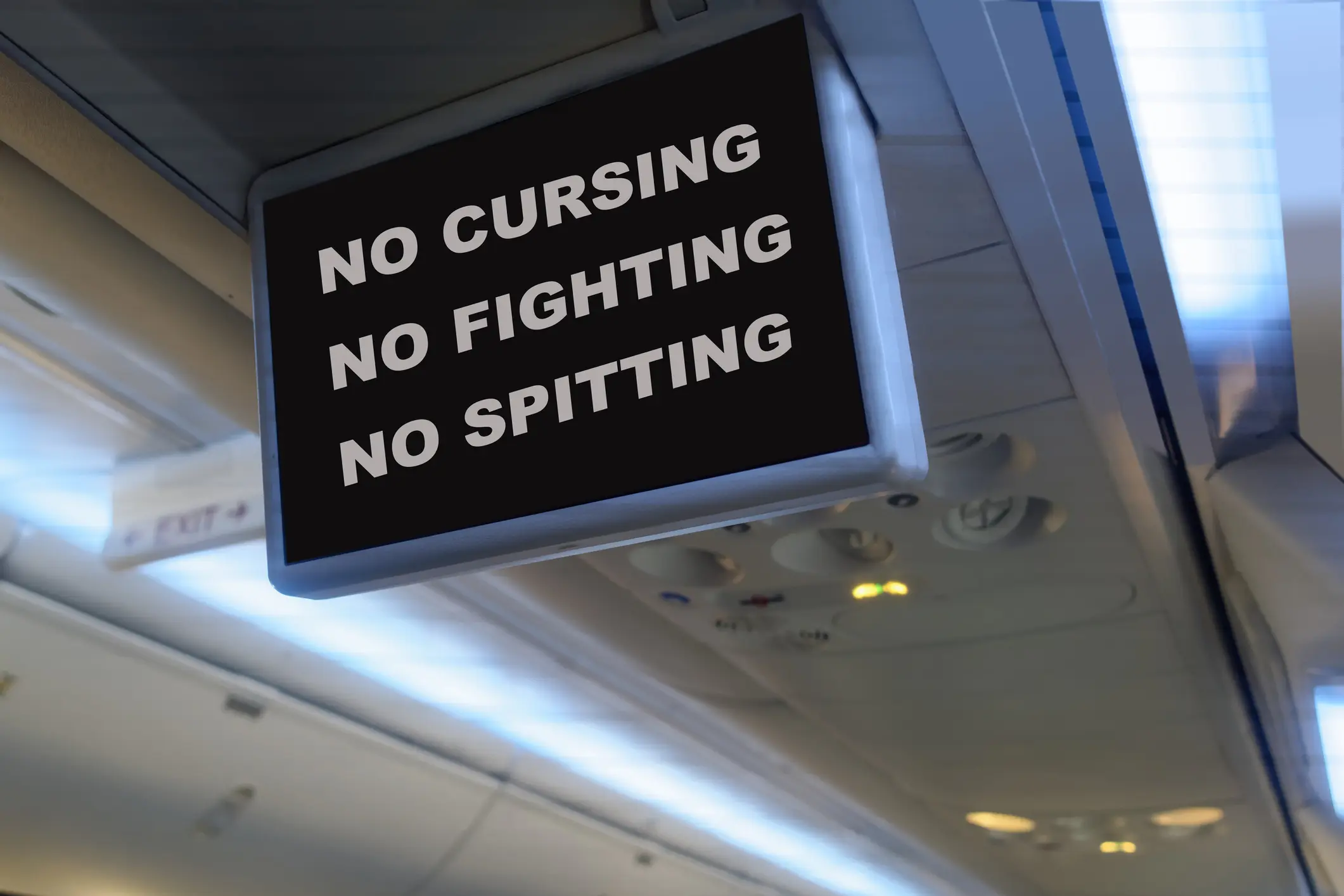
ID 118149051 | Airplane ©Msmartchief | Dreamstime.com
Real Consequences: What Happens After a Fine
Receiving a penalty notice is not the end of the story.
Civil Enforcement
A civil penalty means the agency asserts that the passenger’s conduct violated federal aviation safety standards. The passenger may have to pay the fine or challenge it administratively.
Airline Travel Blacklists
Some airlines independently add passengers who cause serious incidents to internal “no-fly” lists, making future reservations difficult or impossible.
Flight Bans and Regulatory Actions
In some countries – like France – regulators can impose multi-year bans preventing a passenger from boarding any flight under that regulatory regime.
Criminal Referral
In extreme cases involving physical assault or threats, authorities may refer matters for criminal prosecution.
What This Means for You/Us All
If you fly even occasionally, these developments matter:
- Airlines and regulators are increasingly aligned on enforcement
- “Minor” misconduct is no longer treated as trivial
- Financial and travel consequences can last for years
- Regulators want passengers to know the rules are real
For everyday travelers, this means acting with courtesy and compliance isn’t just etiquette – it can save you thousands of dollars and prevent lasting travel restrictions.
As air travel continues to rebound, experts say understanding these rules is now as essential as knowing baggage limits or security requirements.
For me, it is common sense to be nice – so that we all – passengers and staff – can have a pleasant and uneventful flight. We all want to have each trip go as smoothly as possible.
We – the passengers – go to work (if it is a business trip) or on vacation. We do not want to start angry. The staff may embark on a new flight, where they have to have the same smile on their faces and patience that every person expects from the cabin crew. But we can also help them maintain it.
Why This Story Resonates With So Many Travelers
This is not abstract policy jargon – it affects real people:
- Families flying home for the holidays
- Business travelers on tight schedules
- Vacationers on dream trips
- Frequent flyers who rely on smooth travel
A five-figure fine for behavior that many people brush off is a wake-up call. It forces everyone to ask: is the impulse toward confrontation worth the cost?
Air travel should be a shared experience based on cooperation, respect, and mutual trust. But if one person’s frustration or lack of restraint can cost them $25,500 – or worse, a multi-year flight ban – then what we once saw as “air rage” becomes something far more consequential.
This isn’t just about enforcing rules. It’s about re-establishing a culture of respect in the skies – a culture where everyone feels safe, valued, and free to reach the people and places they care about most.
So the next time emotions rise at 35,000 feet, remember: your behavior doesn’t just affect you. It could affect your wallet, your travel future, and the comfort of everyone on board.
Fly respectfully. Fly responsibly. And most of all – fly with the confidence that comes from knowing the rules are built for the safety and dignity of us all.
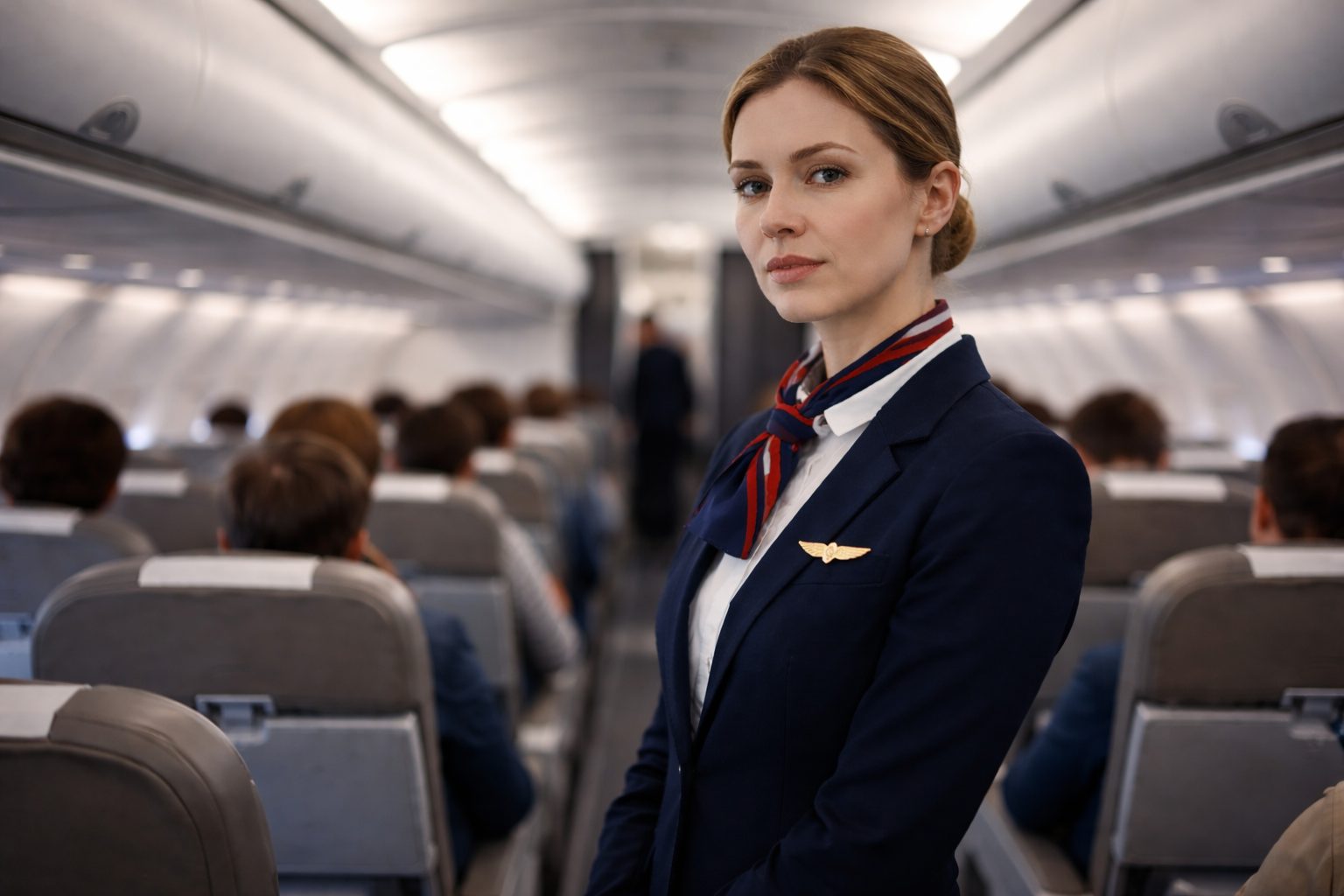
First photo: created by ChatGPT
More amazing articles for you:
Most Forgotten Travel Items (Even When You’re Sure You Packed Everything)
NYC 3-day itinerary by a local with the best things to do in New York City in 3 days
Insider's guide to Singapore with the best attractions in Singapore
9 Tips on Planning Your First Big 5 Safaris
Traveling Beyond the Plane: Exciting Ways to Explore the World
Travel to Thailand: things to know and the best places in Thailand
A local's complete travel guide to Halifax, Nova Scotia, Canada
How to Create Shade at the Beach?

Violeta-Loredana Pascal is a communications expert, business mentor, and the founder of Earth’s Attractions and PRwave INTERNATIONAL. A pioneer in the Romanian digital PR landscape since 2005, she holds a degree in Communication and Social Sciences from SNSPA Bucharest. Violeta is a senior trainer at AcademiadeAfaceri.ro, where she leverages over 20 years of experience to teach professional courses in PR strategy and workplace productivity. By blending high-level business consulting with a passion for holistic travel and wellness, she empowers solopreneurs to overcome procrastination, build profitable brands, and design a life of purposeful adventure.