We’ve all been there: settling into our seat, trying to get comfortable for a long journey, and hoping for a smooth flight. It feels like a controlled, professional environment at 30,000 feet. However, according to viral revelations from seasoned flight attendants, some of the dirtiest places on a plane are not what passengers expect.
From bathroom habits that will make your skin crawl to surfaces that haven’t seen a bottle of disinfectant in years, these crew members are pulling back the curtain on airline hygiene. If you thought the tray table was the only thing to worry about, buckle up – it’s about to get a lot grimmer than you expected.
The Window Shade: A Silent Germ Trap
ID 36287171 | Airplane Cabin ©Andreykuzmin | Dreamstime.com
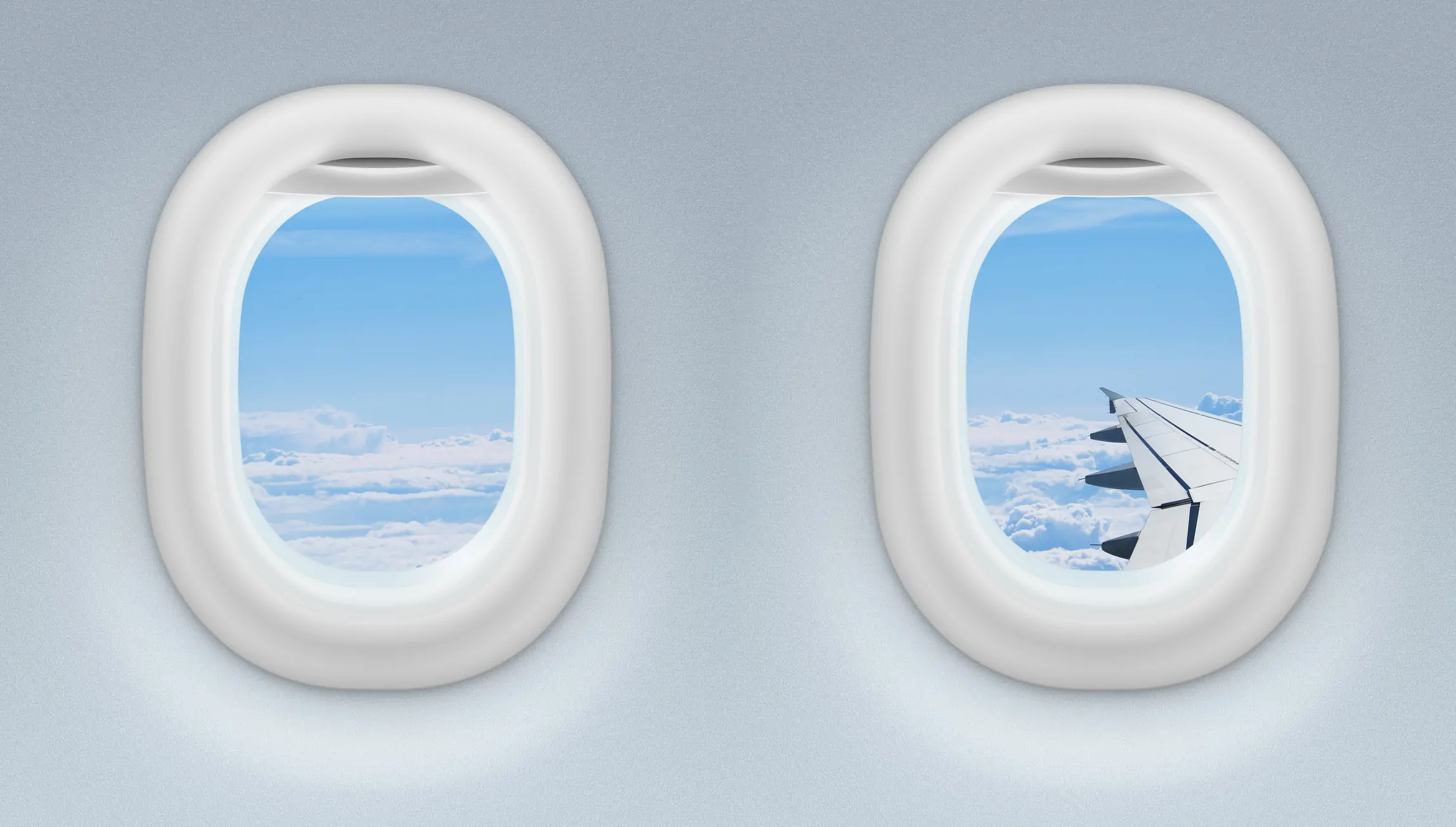
You might enjoy looking out at the clouds, but you’ll hate the hygiene of the shade itself. While we often see crews tidying up trash between flights, many surfaces are chronically ignored because they aren’t part of the “immediate” service area. Cher Dallas, a flight attendant with years of experience, warns that window shades are one of the most overlooked spots on the aircraft.
“I’ve never seen the window shades get wiped off ever in my career,” Dallas reveals. “You think about how many people are touching those and that they never get wiped off – they’re filthy.”
Think about the thousands of hands – some coming straight from the lavatory or sneezing into their palms – that slide those shades up and down. Because they aren’t a high-touch “service” area like a tray, they often escape the quick-turn cleaning schedules entirely, collecting layers of oils and bacteria over months of travel.
Seat Belts (Not Just the Buckle)
Along with tray tables, seat belts are often cited as one of the dirtiest places on a plane due to constant contact and limited deep cleaning.
“The actual belt of the seatbelt… is filthy. I’ve seen blowout diapers and vomit on it numerous times.”
Most people wipe the tray table. Almost no one wipes the fabric portion of the seatbelt.
That strap rests on clothing, laps, and occasionally much worse. It’s handled by every passenger in that seat and rarely disinfected between flights. It’s also one of the first things you touch when you sit down, yet they rarely receive a deep steam clean, often just getting a quick wipe if there is visible debris.
Overhead Bins
ID 114239634 | Airplane Cabin ©Yuliia Chyzhevska | Dreamstime.com
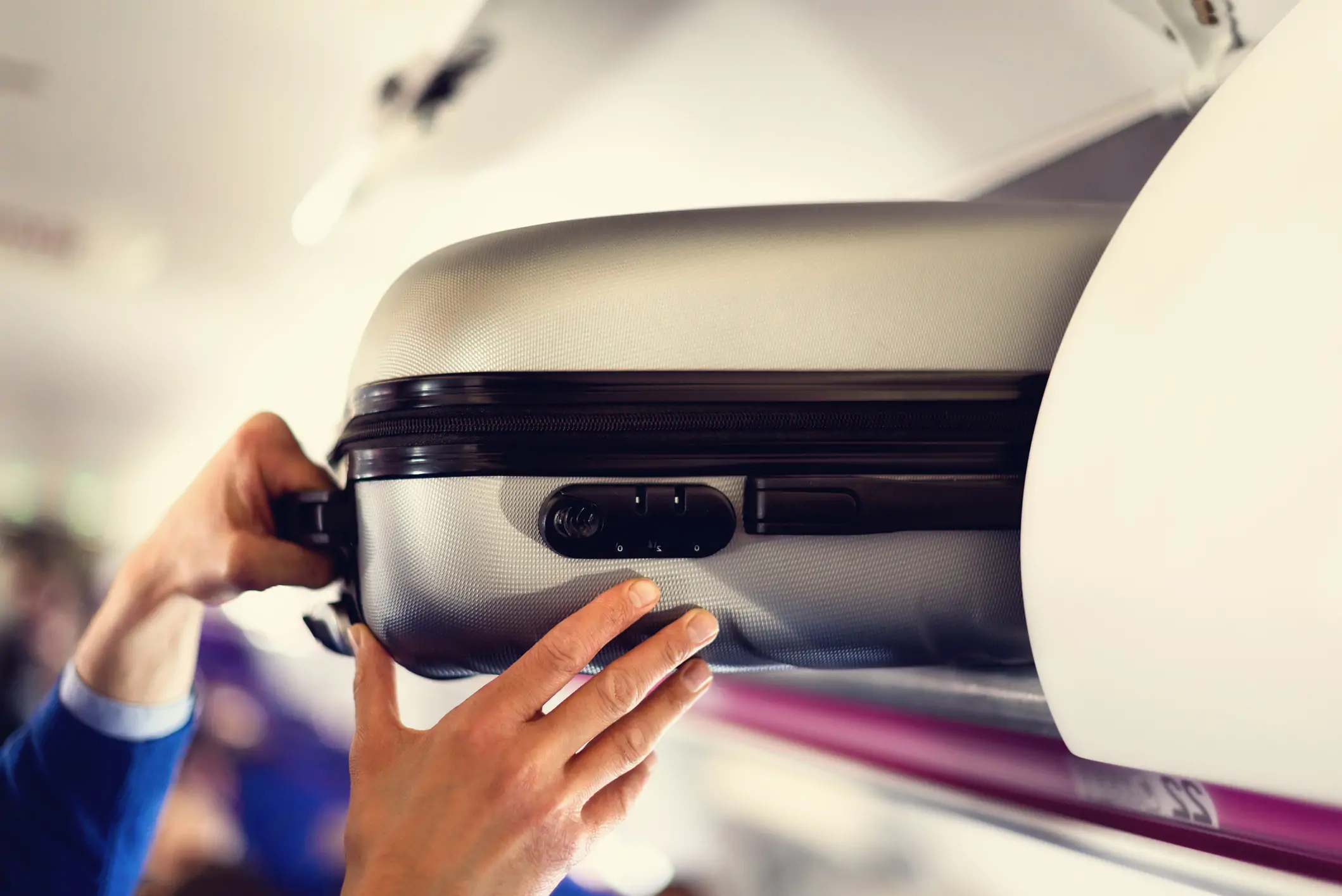
“The inside of the overhead bins is also filthy… never in my career have I seen those get cleaned out.”
Passengers drag their luggage through airports, bathrooms, sidewalks, parking lots – and then lift those wheels directly into the bins.
Those bins are communal storage spaces touched by nearly everyone onboard. They don’t look dirty, but they collect contact from dozens of hands and hundreds of bags daily.
Safety Instruction Card
Next up is something almost nobody thinks about: the safety instruction card tucked into the seat pocket.
As one flight attendant joked, “This is touched by everyone… actually, wait a second. Maybe I should remove this off the list, because let’s be real – I know none of you guys read this. It’s actually probably so clean!”
The humor aside, it’s still a shared object handled by countless passengers over time. Even if it doesn’t get the same direct skin contact as a seatbelt or tray table, it lives inside the seat pocket – which, as already mentioned, isn’t exactly a sterile environment. If you do pull it out mid-flight, it may be worth a quick hand sanitize afterward.
Seat Cushions
“You won’t catch me dead flying in shorts… not uncommon for them to go 10 or more flights without getting sanitized.”
The concern isn’t clothing style; it’s direct skin contact. As one attendant bluntly put it, “I don’t want my raw skin rubbing where someone else’s raw skin was rubbing.”
Seats are cleaned, but deep sanitation isn’t guaranteed between every rotation. Fabric absorbs sweat, spills, and whatever else happens during travel.
Speaking of, I am recommending you this in-depth article on what not to wear on a plane to avoid germs – and why. The reasons might shock you!
Seat Pockets
“I’ve never seen it actually be sanitized.” (As a note: I am not saying that this is the reality, that no airline sanitizes them. I am sharing what the flight attendant says. I believe that they are sanitized, but maybe not as often as we might think.)
Seat pockets get “scooped out,” but not necessarily disinfected. That means leftover crumbs, used tissues, wrappers, and occasionally worse.
Crew members say they rarely place food or drinks inside them, especially as the bottom is often filled with “a ton of crumbs and who knows what else” from previous passengers’ snacks – or worse, used tissues.
Air Vents
“The actual air vents… are rarely getting wiped off either.”
Those twistable vents above your seat are touched by countless fingers mid-flight. They’re small, overlooked, and high-contact.
Like window shades, they don’t appear visibly dirty – but they’re rarely part of standard wipe-downs. I admit I use them – as I am claustrophobic and I need air while flying – and I have heat issues, so … yes, I use them.
Tray Tables
I would say that here there are 2 perspectives passengers have: we either think they are clean because they are sanitised between flights (as they are common use), or we assume they are filthy because everyone uses them and they are never properly cleaned.
One attendant didn’t sugarcoat it: “People use it as a footrest… and some parents like to change diapers on these bad boys.”
Tray tables are among the most studied high-germ surfaces on planes. They fold, lock, and trap debris – and while many airlines wipe them down, they remain one of the most touched areas onboard. Studies on airplane germs have repeatedly shown tray tables to be among the most contaminated surfaces in the cabin.
Bathroom Sinks (and the Water)
This is where it gets uncomfortable (but, perhaps, expected – unfortunately).
“I’ve seen people vomit inside of the bathroom sinks numerous times… if you drop something in there, I would consider it a loss.”, says one of the flight attendants.
The concern isn’t just the surface – it’s also the water itself. According to the same flight attendant, “You’re not allowed to drink it because it has too much bacteria in it.”
While aircraft water systems are regulated, concerns about onboard tank maintenance have been raised over the years, which is why many frequent travelers avoid using sink water beyond hand washing.
Toilet Seats
ID 40366261 | Airplane Boeing Lavatory ©Rafael Ben Ari | Dreamstime.com
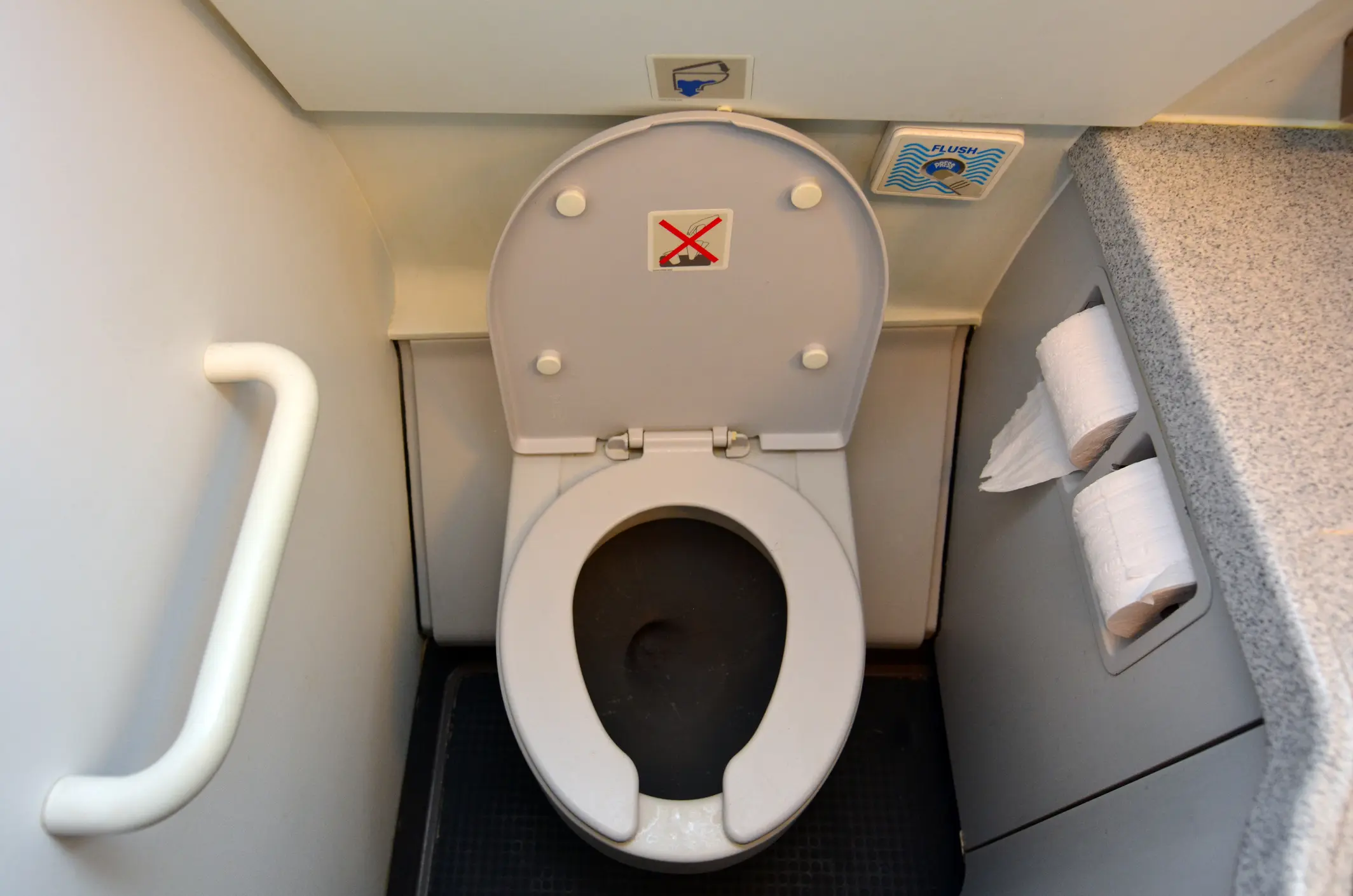
“Once in my career have I seen the toilet seats get cleaned off. Only once.” (Here I have the same note: I am sharing what the flight attendant says, I am, however, NOT saying that airlines do not clean the toilet seats).
That quote alone explains why so many seasoned travelers hover. I cannot do that (knee issue) – so I avoid public toilets EVERYWHERE!
While lavatories are serviced, deep sanitation between every flight isn’t always realistic on tight turnaround schedules. With hundreds of passengers using the same small space, frequency matters – and according to crew accounts, it may not be as frequent as passengers assume.
Toilet Doors
One of the most overlooked surfaces inside the lavatory isn’t the sink or even the toilet; it’s the door.
As one crew member bluntly pointed out, not everyone washes their hands. That means the latch, the inner handle, and especially the exterior handle are touched repeatedly by passengers who may not have sanitized properly.
Unlike the sink or toilet, door handles are rarely wiped between individual uses. They’re high-contact points in a very small, very busy space.
Frequent flyers often use a simple strategy: close the door with an elbow when possible, and after washing hands, open the door from the inside using a tissue or paper towel instead of bare fingers. It’s a small habit, but in a shared space used hundreds of times per flight, it makes a difference.
Personally, I always keep a sanitizing wipe handy and use it after leaving the lavatory. It takes seconds – and avoids immediately recontaminating clean hands on the way back to the seat.
Carpets
“I’ve seen people vomit on the carpet… rub their bare toes on the carpet – it is filthy.”
Airplane carpets are patterned for a reason. As another attendant noted, “All airlines have some type of pattern on the carpet… because it hides dirt and grime.”
Unlike hard surfaces, carpets absorb spills. And when flights turn around quickly, spot cleaning may happen, but deep extraction cleaning is not happening between every leg. The visible design helps conceal what’s underneath.
The Infamous “AirPods Crack”
Every flight attendant seems to have a story about the small crack between the window seat and wall where dropped items disappear.
“There’s so much grime, there’s so much dirt under there… it is horrifying.”
Passengers often retrieve earbuds or phones and immediately put them back in their ears. Crew members strongly recommend sanitizing anything that disappears into that space.
Armrests
Interestingly, none of the flight attendants in these viral videos specifically mentioned armrests, but they probably should have. When considering airplane hygiene, armrests deserve just as much attention as tray tables or seat belts.
Armrests are touched constantly. Gripped during turbulence. Leaned on with bare arms in short sleeves. Used as support when standing up or sitting down. They’re shared surfaces between strangers, and on full flights, sometimes fought over.
Unlike tray tables, they’re not always wiped down in a visible way during quick turnarounds. And because they don’t look dirty, most people don’t think twice before resting their skin directly on them.
Given how much contact they get, they’re easily one of the most overlooked high-touch surfaces onboard.
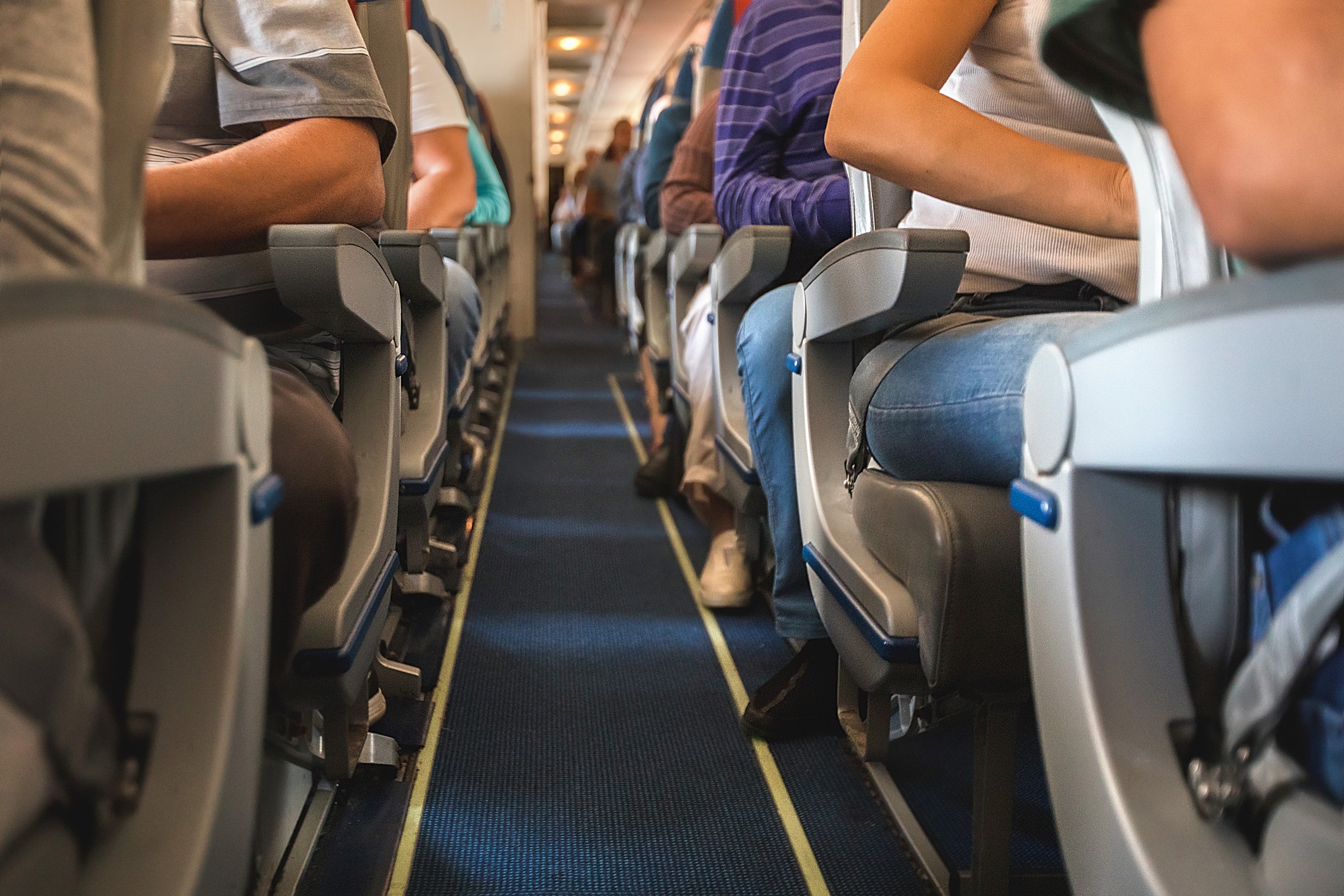
ID 110818802 | Airplane ©Ekaterina Demidova | Dreamstime.com
How Clean Are Airplanes Between Flights?
Airlines perform routine cleaning between flights, but turnaround times can be tight. While trash removal and visible surface wipes are common, deep sanitation of every high-touch area is not always possible before the next boarding begins.
That doesn’t mean planes are unsafe, but it does explain why certain areas may accumulate bacteria over time.
So… Should You Panic?
No.
Commercial aviation is still statistically one of the safest ways to travel. Cabin air is filtered through HEPA systems, and airlines do follow cleaning procedures.
But what these viral videos highlight is something simpler: high-touch surfaces + tight turnaround times = imperfect sanitation.
How to Avoid Germs on a Plane
Instead of panicking, frequent travelers who are aware of airplane germs take small, practical precautions:
- Wipe tray tables, seat belts, window shades, and air vents
- Avoid placing food directly on surfaces
- Avoid going barefoot
- Sanitize dropped electronics
- Use a tissue when opening lavatory doors
- Wash hands thoroughly after using the restroom
- Avoid touching their face mid-flight
And one more often-overlooked habit: luggage hygiene.
Your bag has been rolled through airport floors, bathroom tiles, sidewalks, and then stored in an overhead bin alongside dozens of other suitcases. Many frequent travelers wipe down their luggage when they get home – or even at the hotel – especially the wheels and handles.
As one flight attendant put it: “All these reasons are exactly why I will never do my skincare on the plane.”
Flying remains one of the safest forms of transportation, but understanding the dirtiest parts of a plane helps you travel smarter.
Small habits. Big difference.
Sources:
I watched a lot of videos so I can create a comprehensive article. I found 3 videos that are the most complete. 2 are from Cher (@cherdallas) and one is from Jeenie (jeenie.weenie)
@cherdallas Replying to @Spencer sorry in advance if this grosses you out the next time you fly but everyone should have the facts #flightattendantlife #flightattendant ♬ Storytelling – Adriel
@cherdallas Replying to @Tarameesue i will never ever ever be comfortable traveling in shorts bc I have seen far too much. #flightattendant #flightattendantlife ♬ original sound – Cher
@jeenie.weenie 🤮🤮 #gross #dirtyplane #cabincrewlife #plane #travel ♬ original sound – JEENIE