Florence, the Renaissance city of domes, bridges, palaces, art-filled churches, sunset views, and unforgettable Tuscan food, was just named the No. 1 city in Europe by Travel + Leisure readers.
This is no surprise once you look beyond the famous Duomo and Ponte Vecchio. Based on local recommendations from Matt Adams, who made Florence his home in the past, this guide brings together the views, food, art, streets, landmarks, hotels, and practical tips that show why Florence still feels impossible to beat.
Florence Travel Guide: What to See, Eat, Book, and Skip
Florence, Italy, is one of the most visited tourist destinations in the world, and for good reason. Established in 59 BC by Julius Caesar, it was first used as a settlement for veteran Roman soldiers. Florence is also one of the best cities to visit in Italy.
But Florence is most famous for its part in the Renaissance, the period from around 1300 to 1600 when Europe saw a renewed interest in classical philosophy, literature, art, architecture, and science.
Fueling the Renaissance, of which Florence is credited as the birthplace, were several wealthy families, none more well-known than the Medici family.
Their almost unlimited funds, combined with a concentration of some of the most talented painters, sculptors, poets, architects, and thinkers the world has ever seen, helped shape masterpieces and monuments such as Michelangelo’s David, the art collections now found in Florence’s museums, and the Florence Cathedral topped with Brunelleschi’s famous dome, an architectural and engineering achievement that still fascinates visitors.
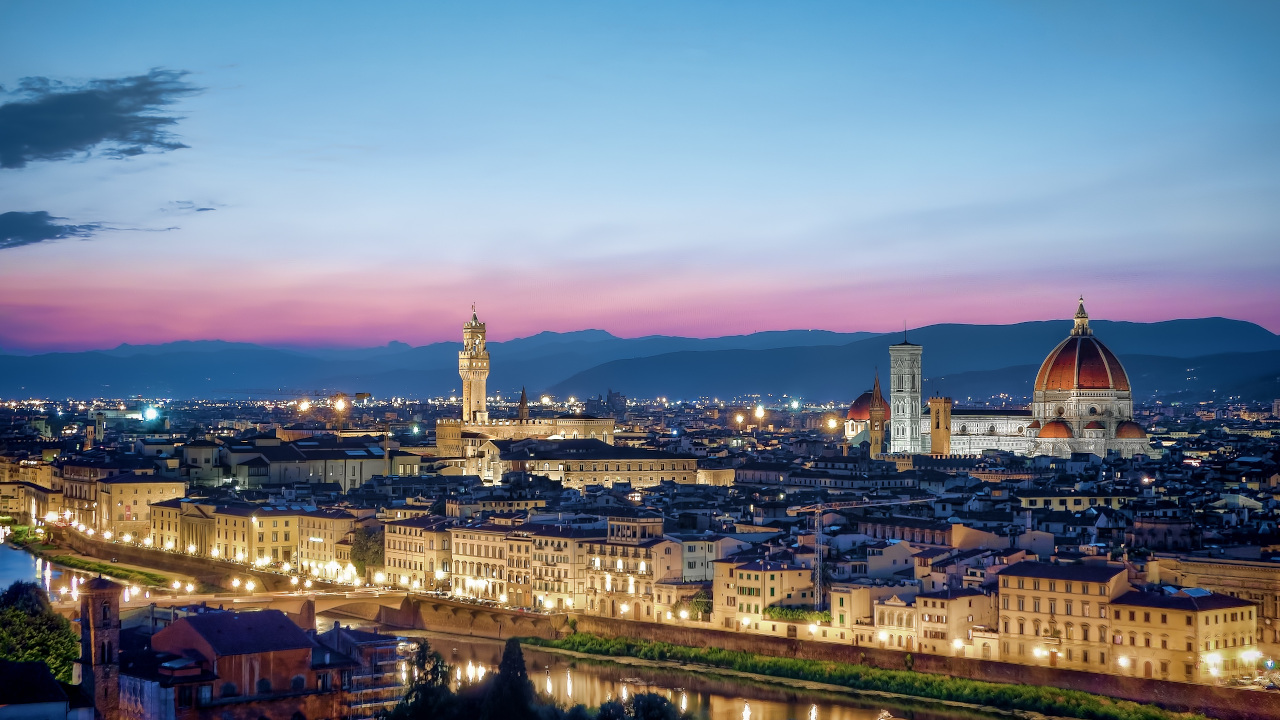
Best Time to Visit Florence, Italy
Tourists flock to view the outdoor museum that is Florence year-round, although the summer period from June to September draws the biggest crowds.
Summer can also be very hot, and the most famous attractions can feel packed. If you have flexibility, spring and autumn are easier for walking, sightseeing, and enjoying outdoor meals. Winter can also be a good choice if you prefer museums, concerts, churches, and cultural events to long hours in the sun.
Florence no longer feels completely empty in the so-called low season, but the months from November to March usually bring fewer crowds than peak summer. Always check opening hours before your trip, especially for gardens, seasonal viewpoints, exhibitions, and holiday periods.
No matter when you visit Florence, make sure you know the tourist rules in Italy before you go. Florence is a city of priceless monuments, churches, fountains, and historic streets, and careless tourist behavior can lead to fines.
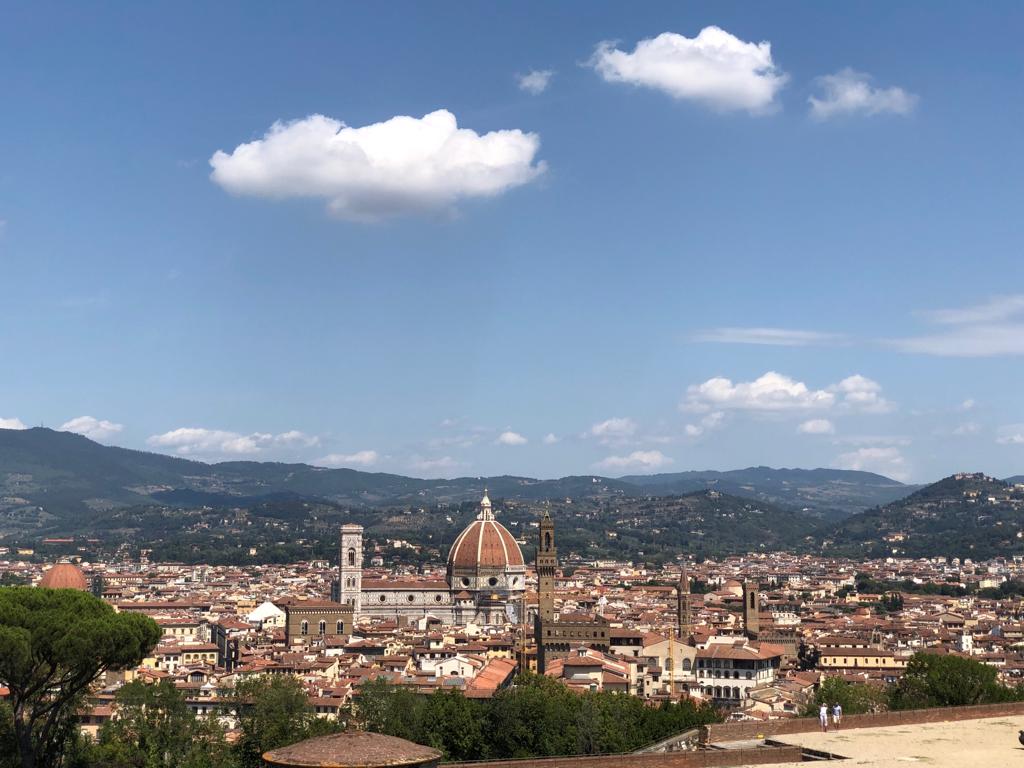
How Many Days Do You Need in Florence?
You can see the highlights of Florence in one day, but one day is very tight. It gives you a beautiful first impression, not a complete visit.
One day in Florence is enough for the Duomo area, Piazza della Signoria, Ponte Vecchio, one major museum or church, and a viewpoint such as Piazzale Michelangelo.
Two days in Florence is much better for first-time visitors. You can see the historic center, visit either the Uffizi Gallery or Accademia Gallery, enjoy Santa Croce or Santo Spirito, cross into Oltrarno, and have time for food without rushing every hour.
Three days in Florence gives you a more balanced trip. You can add Pitti Palace, Boboli Gardens or Bardini Garden, San Miniato al Monte, artisan shopping, and a slower evening in a less crowded neighborhood.
Four or more days in Florence gives you time for day trips in Tuscany, such as Siena, Pisa, Lucca, Chianti, or smaller towns, while still enjoying Florence itself.
What to Book Before Your Florence Trip
Florence is one of those cities where advance planning can save time, especially if you are visiting during spring, summer, Easter, Christmas, or a weekend.
Book the Uffizi Gallery in advance if it is one of your priorities. The Uffizi is one of the most important art museums in the world, and timed tickets help you avoid wasting valuable trip time. Check the official Uffizi Galleries ticket page for current ticket options, combined tickets, and any updated visitor information.
Book the Accademia Gallery in advance if seeing Michelangelo’s David is important to you. The official Accademia Gallery website recommends reservations because the wait can be long without one.
Book Brunelleschi’s Dome if you want to climb it. The Dome climb has a fixed time slot, and the official Brunelleschi Pass information notes that visitors climb 463 steps and there are no lifts. Giotto’s Bell Tower also has no lift and involves 414 steps, so don’t schedule both climbs casually if stairs are a concern.
Book popular restaurants if you care where you eat. Florence has plenty of food options, but the most popular places can be busy, especially around the Duomo, Santa Croce, Santo Spirito, and the main evening dining areas.
Book your hotel early if you want to stay in the historic center. Florence’s central areas are convenient but expensive, and availability can disappear quickly during high season, events, and holiday periods.
A Realistic Florence Itinerary for First-Time Visitors
If you only have one day in Florence, start around the Duomo area early, then walk to Piazza della Signoria, Palazzo Vecchio, and Ponte Vecchio. Choose either the Uffizi Gallery or Accademia Gallery, not both, unless you are comfortable with a very museum-heavy day. End at Piazzale Michelangelo for the view if you still have energy.
If you have two days in Florence, use the first day for the Duomo area, Piazza della Signoria, Ponte Vecchio, and one major museum. Use the second day for Santa Croce, Mercato Centrale, Oltrarno, Santo Spirito, and a slower dinner.
If you have three days in Florence, add Pitti Palace, Boboli Gardens or Bardini Garden, San Miniato al Monte, San Niccolò, artisan shops, and a more relaxed evening away from the most crowded streets.
Best Things to Do in Florence, Italy
Florence has no shortage of great attractions waiting to be discovered. From masterpieces to impressive buildings, churches, museums, palaces, and viewpoints, Florence has it all. Here are the best places to see in Florence.
Several Florence attractions are among the top things to see in Italy, so give yourself enough time to enjoy them instead of rushing from one landmark to another.
Florence Cathedral (The Duomo)
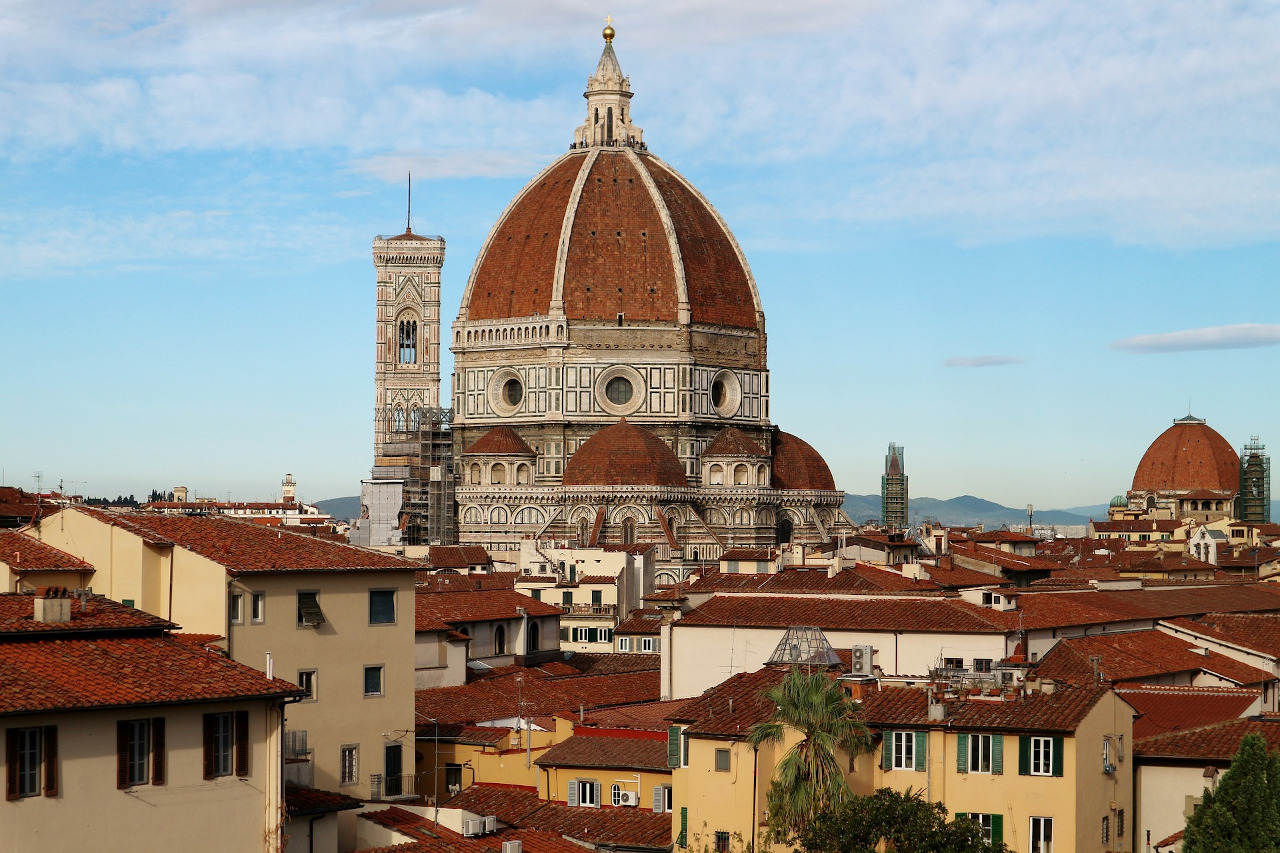
Florence Cathedral, known as the Duomo, was begun by Arnolfo di Cambio in 1296 and completed in 1434 with the addition of Brunelleschi’s Dome. The cathedral incorporates Romanesque and Gothic elements, while the octagonal dome is one of the great achievements of Renaissance architecture.
The Florence Dome is one of the Florence landmarks you simply have to see. It dominates the city skyline and is impressive from almost every angle.
You can admire the cathedral from the outside, visit the interior, or book access to the wider Duomo complex if you want to climb the Dome, climb Giotto’s Bell Tower, visit the Baptistery, see the Opera del Duomo Museum, and explore Santa Reparata.
If you plan to climb the Dome, remember that there are 463 steps and no lift. Choose this only if the physical effort fits your trip.
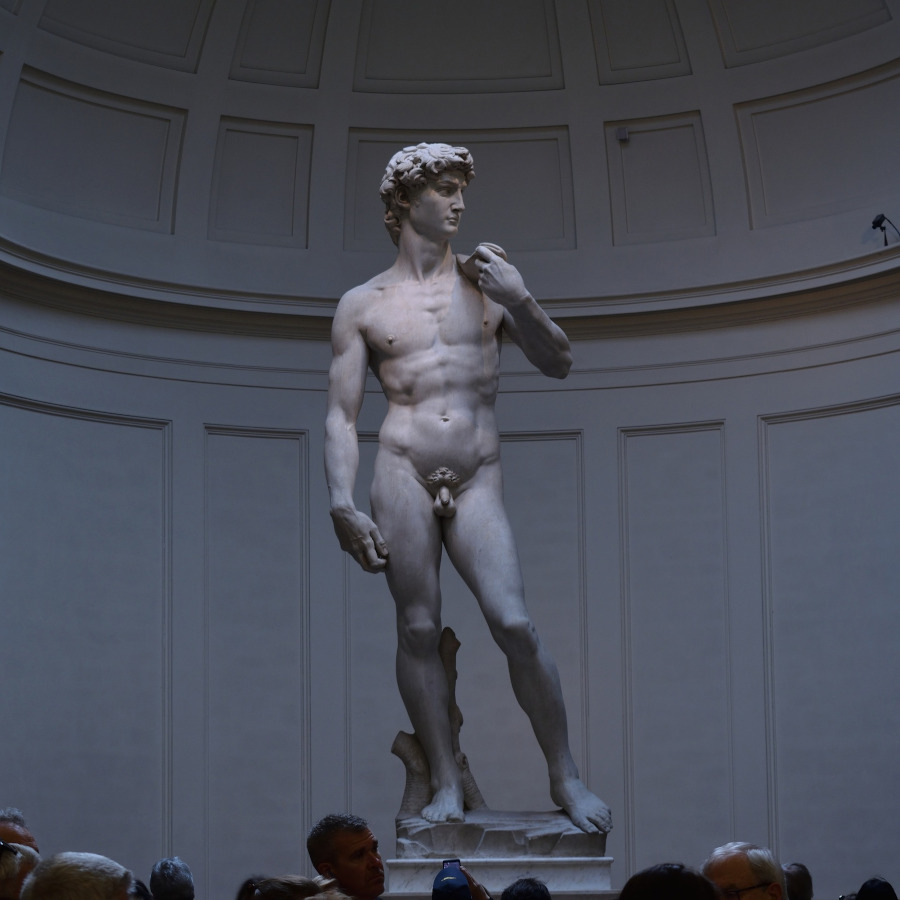
Statue of David by Michelangelo
Housed in the Galleria dell’Accademia, David was sculpted between 1501 and 1504. The 4.23-metre-high statue is recognized as one of the most important artworks in world history.
David is another not-to-miss Florence landmark, and the Accademia Gallery is one of the best places to visit in Florence.
If this is one of your dream Florence sights, book ahead. The museum is not huge compared with the Uffizi, but many visitors come mainly for David, which means the entrance line can still be frustrating without a reservation.
Palazzo Vecchio
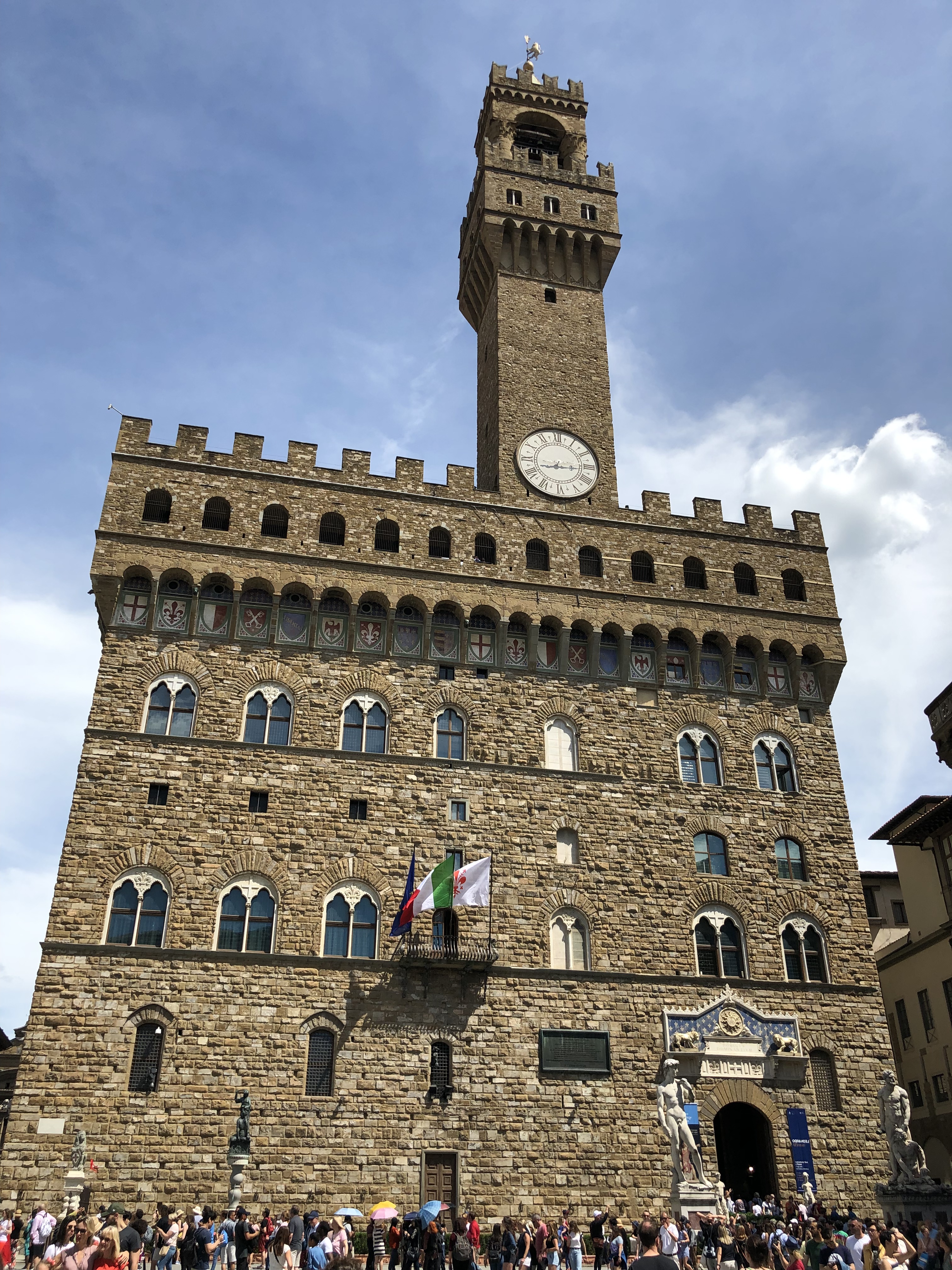
Originally created to be the most important civic monument in Florence and the seat of the municipal authorities, Palazzo Vecchio eventually became the home of the Medici family.
Started between 1299 and 1304, it later became the seat of government when Florence was the capital of Italy from 1865 to 1871. Nowadays, Palazzo Vecchio is one of the best places to visit in Florence, and numerous tourists visit it every year.
Even if you don’t go inside, stop in Piazza della Signoria to admire the building, the sculptures, and the open-air museum feel of the square.
Piazza della Signoria
Built near the end of the 13th century, Florence’s main piazza has long been the civic center of Florentine life. The square includes Palazzo Vecchio, the Loggia della Signoria, the nearby Uffizi, a replica of Michelangelo’s David, and the Fountain of Neptune.
This is one of the easiest places to include in any Florence itinerary because it sits between the Duomo area, the Uffizi Gallery, and Ponte Vecchio.
Uffizi Gallery
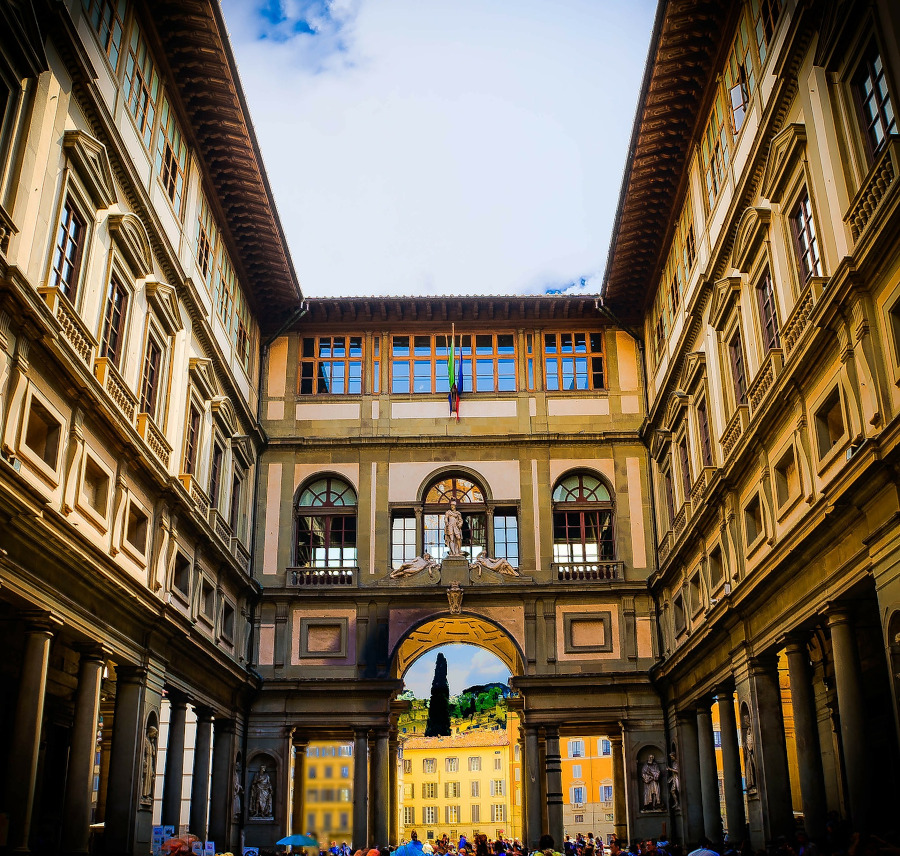
Uffizi Gallery houses one of the most important art collections in the world. The collection was begun by Francesco I de’ Medici and later enriched by other members of the Medici family.
You can easily see why this gallery belongs in any Florence travel guide. If you are an art lover, book enough time to explore it properly and let yourself be mesmerized by masterpieces by Botticelli, Leonardo da Vinci, Michelangelo, Raphael, Caravaggio, and many others.
If you are a casual visitor, don’t feel you need to see every room. The Uffizi can be intense, so it’s better to visit with a plan than to arrive tired after several other major sights.
Pitti Palace and Boboli Gardens
Another famous Florence tourist attraction is the Pitti Palace, so this is the next recommendation in this travel guide to Florence, Italy.
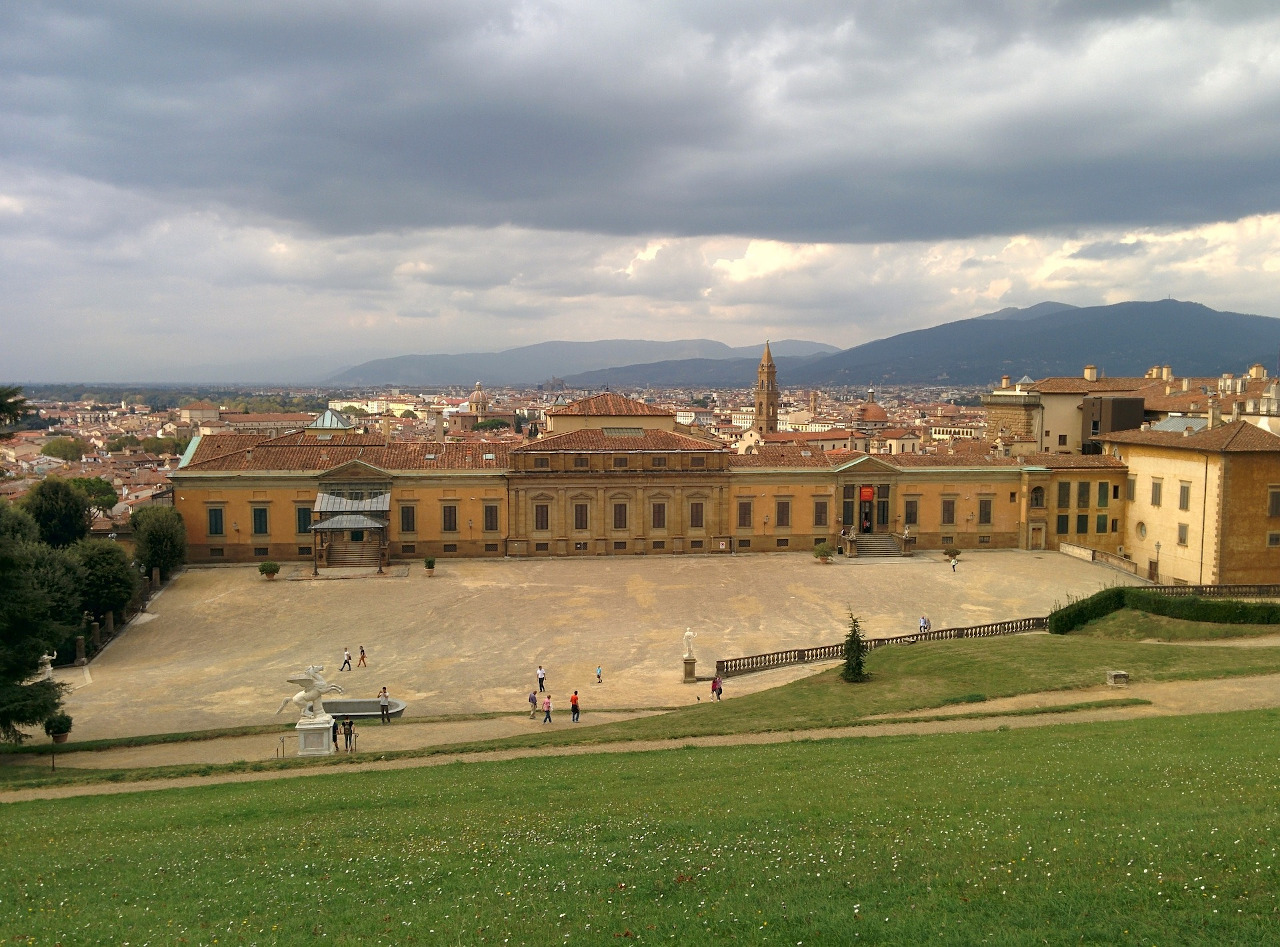
The Pitti Palace became the home of the Medici family, who wished to have a more modern home away from old Palazzo Vecchio. They expanded the palace, which became a symbol of power and prestige.
The palace contains several museums, including the Palatine Gallery, the Gallery of Modern Art, the Treasury of the Grand Dukes, and the Museum of Costume and Fashion. It also houses works by artists such as Raphael, Titian, Caravaggio, and Rubens.
Behind the palace, Boboli Gardens offer a different Florence experience: fountains, sculptures, formal gardens, and views. If you only have one or two days, Pitti Palace and Boboli Gardens may be too much. If you have three days, they become a much better fit.
Piazzale Michelangelo
Piazzale Michelangelo is an elevated piazza with panoramic views of Florence. It is busy day and night with tourists hoping to capture the ultimate photo of the city.
No tourist guide to Florence is complete without including Piazzale Michelangelo, so make sure you include it on your Florence itinerary if you enjoy viewpoints.
Sunset is beautiful here, but it is also the busiest time. If you prefer a calmer visit, go earlier in the day or continue toward San Miniato al Monte.
Ponte Vecchio
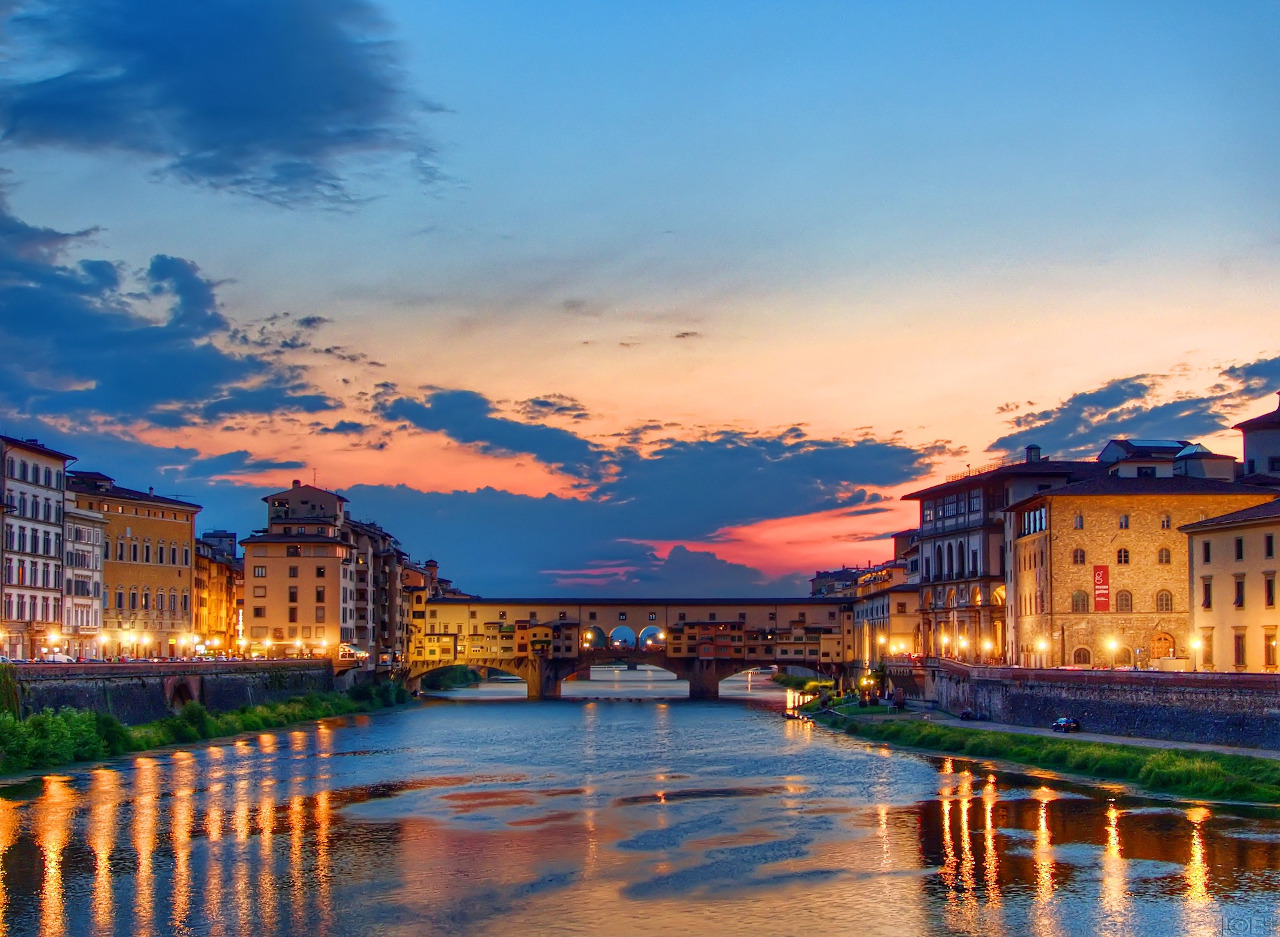
Ponte Vecchio is the oldest bridge in Florence and the only Florentine bridge over the Arno that survived World War II destruction.
Today, the famous bridge features rows of jewelry shops on either side and is packed with tourists taking selfies over the Arno River below. As you continue to explore Florence, make sure you get to this bridge and admire it.
For a better experience, go early in the morning or later in the evening, when the bridge feels slightly less crowded.
Forte di Belvedere
The former military fortress was built in the 16th century by Bernardo Buontalenti. Today, Forte di Belvedere is often used for exhibitions and cultural events, and it offers some of the best views of Florence on a clear day.
Opening periods can change, so check current information before adding it to your Florence itinerary. If it is open during your visit, it can be a wonderful alternative to the busiest central viewpoints.
Santa Croce
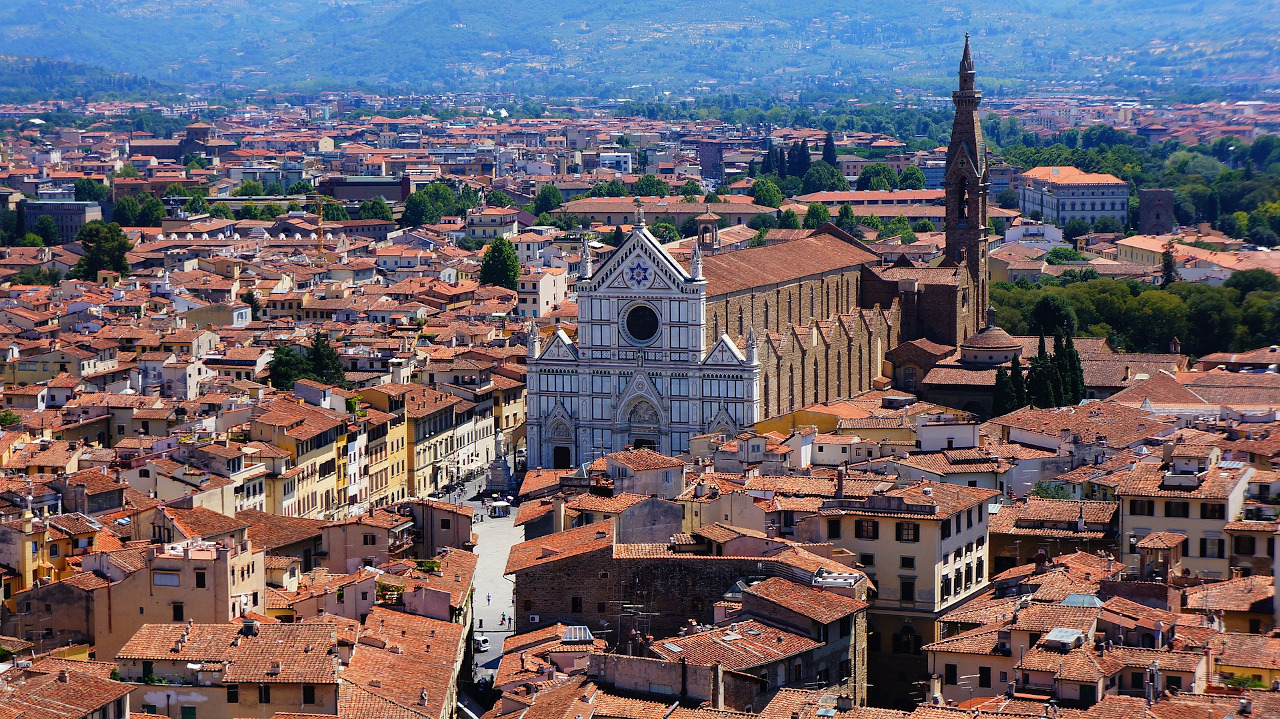
Santa Croce is a historic square dating back to medieval times. It is also home to the Basilica of Santa Croce, which contains the tombs of Michelangelo, Niccolò Machiavelli, and Galileo Galilei.
Make sure you don’t miss it on your vacation in Florence. It is one of the city’s most meaningful churches, especially if you are interested in Italian history, art, and culture.
Piazza San Lorenzo
Piazza San Lorenzo is connected with one of Florence’s most important religious and Medici sites. The Basilica di San Lorenzo is associated with Brunelleschi, Donatello, Michelangelo, and the Medici family.
Nearby, the San Lorenzo market area and Mercato Centrale make this a useful part of a Florence itinerary, especially around lunchtime.
Bargello Palace and Museum
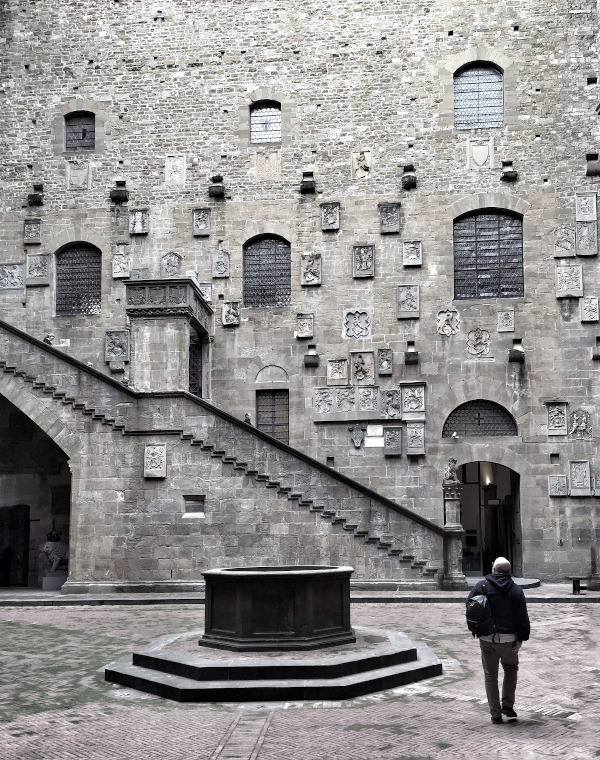
Bargello Palace and Museum began in 1255 as the residence of the Captain of the People. Restored in 1865, it now contains the Bargello Museum, with a priceless collection of Tuscan Renaissance sculptures, antique objects, and arms.
If you love sculpture, this is one of the best museums in Florence after the most obvious names. It is also a good choice for travelers who want important art without the same level of crowd pressure as the Uffizi.
Orsanmichele Church
Orsanmichele Church contains sculptures by celebrated 14th- and 15th-century artists such as Ghiberti and Donatello. It was also a former market, selling corn, grain, and wool.
The church is easy to add while walking between the Duomo area and Piazza della Signoria, so it is a useful stop even on a short Florence itinerary.
Church of Santo Spirito
Next in this Florence city guide is the Church of Santo Spirito. Designed by Brunelleschi, it is considered one of the purest creations of the early Renaissance period.
Santo Spirito also gives you a reason to cross into Oltrarno, one of the best parts of Florence for a slower evening, local restaurants, and a less polished but very rewarding atmosphere.
Piazza della Santissima Annunziata
This famous square is home to the Church of the Santissima Annunziata, the Ospedale degli Innocenti, and the equestrian statue of Grand Duke Ferdinand I, all a short walk from the Florence Duomo.
With so many Florence attractions close together, you should definitely check it out on your Florence holiday.
Florence Off the Beaten Path
If you want to go off the beaten path in Florence, there are several places where you can enjoy the city away from the most crowded museum entrances and landmark squares.
These places are still easy to reach, but they give your Florence trip more variety.
Parco delle Cascine
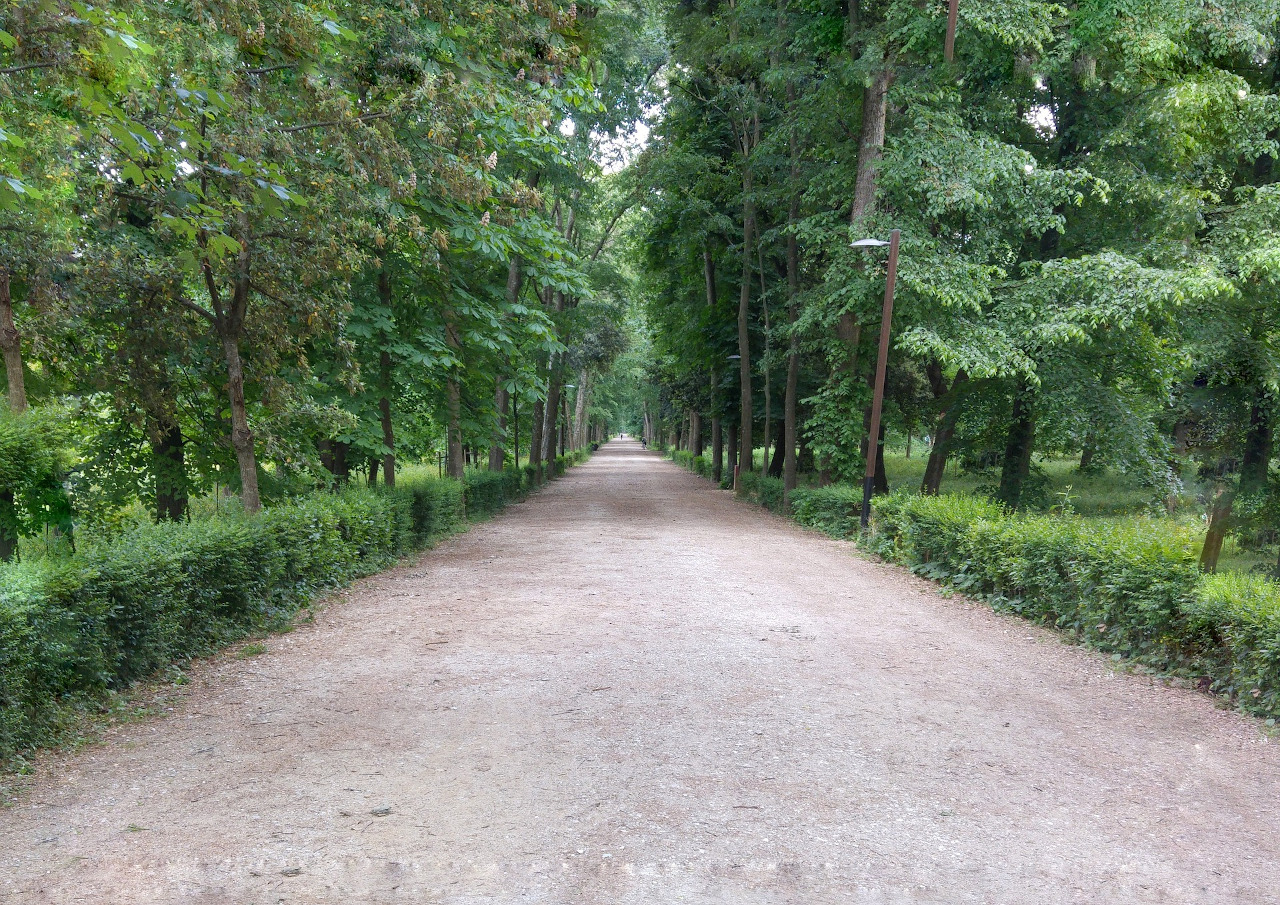
Parco delle Cascine is a public park and former hunting ground of the Medici family. Today, the park is filled with runners, cyclists, walkers, sporting activities, and people looking for a touch of nature in Florence’s urban landscape.
San Niccolò
San Niccolò is a quieter district in Florence along the Arno River, extending up to Forte di Belvedere. It is filled with popular restaurants, artist workshops, and atmospheric streets.
This is one of the best offbeat things to do in Florence if you want to escape the most obvious tourist route without leaving the city.
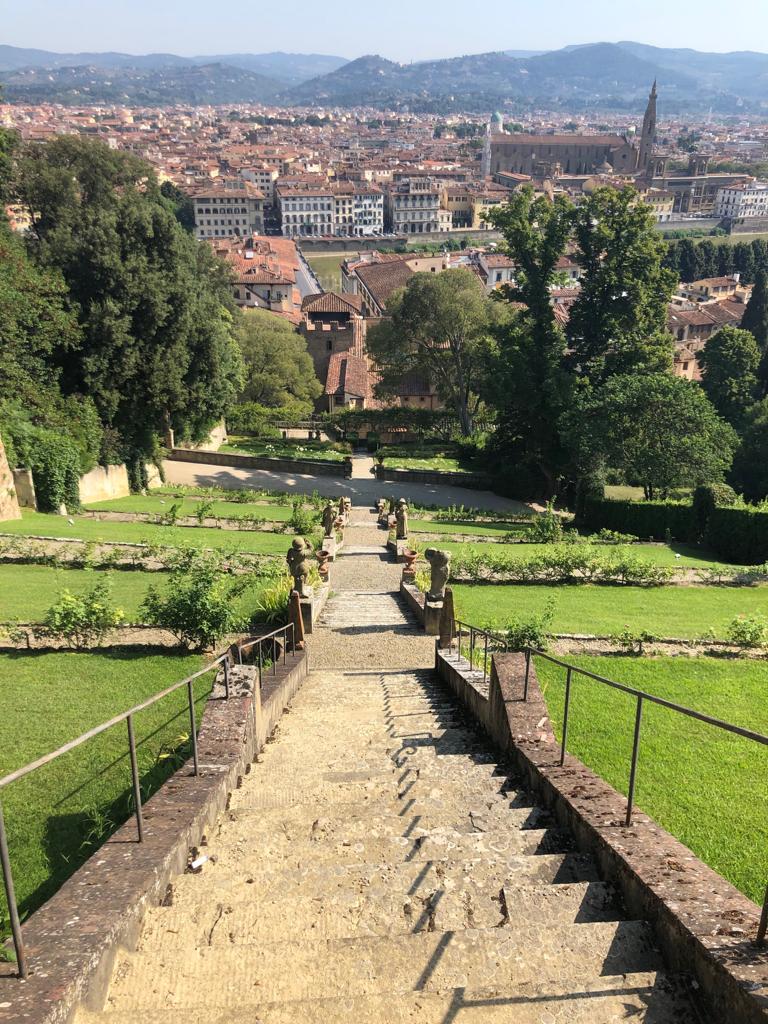
Bardini Garden
Bardini Garden is a stunning example of an Italian Renaissance garden and one of the best off-the-beaten-path attractions in Florence.
Villa Bardini and its manicured garden offer a relaxing escape from the city center, along with spectacular views over Florence.
Casa Buonarroti
Casa Buonarroti is connected with the family of Michelangelo Buonarroti. It is often missed by tourists who only know the artist by his first name, Michelangelo.
The museum contains works, family history, and pieces connected to Michelangelo’s legacy. It is a good addition for visitors who want something beyond the standard Duomo-Uffizi-David route.
Piazza della Libertà
Piazza della Libertà is the northernmost point of Florence’s historical center. It was created in the 19th century and features the Arch of the Lorraine.
It isn’t usually the first place people add to a Florence itinerary, but it can be interesting if you like urban history and want to understand more of the city beyond the main tourist route.
San Miniato al Monte
San Miniato al Monte is not hidden, but many first-time visitors skip it because they stop at Piazzale Michelangelo. If you still have energy, continue uphill to this beautiful church.
The view is excellent, the atmosphere is calmer than the famous terrace below, and the church adds a meaningful cultural stop to the viewpoint experience.
Florence Neighborhoods: Where to Spend Your Time
Florence is compact, but the atmosphere changes from one area to another.
Duomo and Centro Storico are best for first-time visitors who want to be close to the major landmarks. This area is convenient, beautiful, and busy.
Santa Maria Novella is practical if you arrive by train or plan day trips. It is also useful for short visits because you can reach the historic center on foot.
Santa Croce works well if you want a central base with restaurants, nightlife, and easy walks to major sights.
Oltrarno and Santo Spirito are excellent for travelers who want artisan shops, local-feeling streets, evening atmosphere, and a slightly slower rhythm.
San Niccolò is good for views, restaurants, and a quieter stay, though it may feel less convenient if you want every major landmark right outside your hotel door.
What to Skip in Florence If You’re Short on Time
Florence has more than enough to fill several days, so skipping a few things can actually improve your trip.
Skip climbing both the Dome and Giotto’s Bell Tower unless you truly love stairs and viewpoints. Both require effort, and the Dome alone has 463 steps.
Skip visiting the Uffizi Gallery, Accademia Gallery, Pitti Palace, and Boboli Gardens in one day. That much art and walking can become exhausting.
Skip a day trip if you only have two days in Florence. Tuscany is wonderful, but Florence itself deserves enough time.
Skip restaurants directly beside the most crowded landmarks unless you have checked recent reviews, prices, and menus.
Skip renting a car for central Florence. Walk, use taxis when needed, and save the car for wider Tuscany if your itinerary requires it.
What to Eat in Florence
No Florence travel guide is complete without food. Florence is a great city for travelers who want Tuscan dishes, market food, sandwiches, wine, and long dinners.
Look for bistecca alla fiorentina, the famous Florentine steak, if you eat meat and want a classic local meal.
Try ribollita, a hearty Tuscan bread and vegetable soup, especially in cooler months.
Try lampredotto if you are curious about traditional Florentine street food.
Eat schiacciata sandwiches, especially if you want a filling lunch while sightseeing.
Order pappardelle al cinghiale if you like rich pasta dishes with wild boar sauce.
Leave room for gelato, cantucci with vin santo, and Tuscan wine.
If you want to avoid awkward tourist mistakes at meals, read these Italian dining etiquette tips before your trip.
If you enjoy Italian food culture, you may also like these Italian food trivia questions before your trip.
The Best Restaurants in Florence, Italy
To make your visit perfect and to try some of the best local dishes, here are places and food areas to consider in Florence.
Il Mercato Centrale – located in the heart of historical Florence, the Central Market contains traditional market offerings downstairs with everything from meat to fish, fruits, vegetables, and cheeses. Upstairs, you’ll find ready-to-serve meals, drinks, and snacks while you’re on the go.
All’Antico Vinaio – one of the most famous sandwich spots in Florence. Here you’ll find large schiacciata sandwiches with generous fillings. Expect lines at busy times.
Santo Spirito and Oltrarno restaurants – if you want a slower dinner and a more local-feeling evening, cross the river and look around Santo Spirito, San Frediano, and nearby Oltrarno streets.
Traditional trattorias – Florence is a good city for simple, satisfying Tuscan meals. Check menus, opening hours, and recent reviews, especially if you are near the Duomo or Ponte Vecchio.
Gelato stops – avoid places where the gelato is piled very high in bright artificial-looking colors. Look for smaller displays, seasonal flavors, and steady local traffic.
Where to Stay in Florence
There are plenty of accommodation options in Florence, but the best area depends on your trip style.
Stay near the Duomo or Centro Storico if this is your first trip and you want to walk to the main sights easily. This is the most convenient area, but it is also the busiest and often the most expensive.
Stay near Santa Maria Novella if you are arriving by train, leaving early, or planning day trips around Tuscany. It can be very practical for shorter stays.
Stay near Santa Croce if you want a central area with restaurants, nightlife, and a little more breathing room than the streets closest to the Duomo.
Stay in Oltrarno, Santo Spirito, or San Niccolò if you want more local atmosphere, artisan shops, and a better evening feel. You will still be able to walk to many sights, but you may need slightly more time.
Here are accommodation ideas from the original local guide:
Tasso Hostel – a chic hostel housed within a converted former school containing 15 stylish rooms, including private double rooms.
Plus Florence – a spacious, affordable hostel located in the northern part of Florence, within walking distance of popular sights and attractions.
Palazzo San Niccolò – featuring luxury rooms on a quiet street in the locals’ hangout area of San Niccolò.
Canto degli Scali – suites in a 14th-century palace, including apartments and B&Bs. The rooms feature high ceilings and terracotta floors, just minutes from Piazza della Signoria.
Before leaving your accommodation, especially on a rushed travel day, use a simple hotel checkout checklist so you don’t forget chargers, passports, medication, or souvenirs.
Florence Travel Tips
I couldn’t end this travel guide to Florence without including more essential Florence travel tips that will help you make the most of your Florence holiday.
Book in advance – book popular attractions online ahead of time, especially the Florence Duomo complex, Galleria dell’Accademia, Uffizi Gallery, and Palazzo Vecchio if they are priorities for your trip.
Plan your days realistically – start with the most popular sights on day one, such as Palazzo Vecchio and Piazza della Signoria, the Statue of David at Galleria dell’Accademia, Florence Duomo and Baptistry, and Ponte Vecchio. For day two, add Santa Croce, Santo Spirito, San Niccolò, Forte di Belvedere if open, and Piazzale Michelangelo.
Choose one major museum per day – Florence is full of world-class art, but museum fatigue is real. If you want to enjoy the city rather than just complete a checklist, don’t overload every day with timed entries.
Wear comfortable shoes – Florence is walkable, but the walking adds up quickly. Cobblestones, museum corridors, bridges, gardens, hills, and stairs can make the city feel more tiring than it looks on a map.
Check travel documents before booking – if you are traveling internationally, check your passport validity, visa rules, transit requirements, and ticket names before paying for flights. This international travel document checklist can help you avoid expensive surprises.
Use official websites for major tickets – Florence has many third-party ticket sellers. They can be useful in certain cases, but check the official museum or monument site first so you understand the base ticket, time slots, and what is actually included.
Leave one evening open – Florence is not only a museum city. Leave time to cross the Arno, sit in a piazza, enjoy dinner, and see the city after the day-trip crowds begin to thin.
Florence Safety Tips
Safety is an important concern for any traveler, so here are the top Florence safety tips and things to avoid in Florence. Make sure you note these mistakes to avoid in Florence, as they could cost you time, money, or stress.
Avoid aggressive street sellers – you may see people selling art prints, souvenirs, bracelets, or other items in crowded areas. Don’t show interest unless you genuinely want to buy, and watch where you step if prints or items are laid on the ground.
Be careful with distraction tactics – in crowded tourist areas, be aware of people who try to shake your hand, start an intense conversation, push a bracelet on your wrist, or distract you while someone else gets close to your bag.
Protect your belongings – use a zipped bag, keep valuables close, and be extra careful around crowded bridges, squares, train stations, markets, and museum lines.
Respect churches and monuments – cover shoulders and knees when needed, don’t climb fountains or statues, don’t sit where signs forbid it, and don’t treat historic monuments as photo props.
Bring Band-Aids – you’ll do a lot of walking, so put Band-Aids on as a preventative if your shoes rub.
Check local rules – Florence and other Italian cities have introduced rules to protect residents, monuments, and historic areas. Before your trip, it’s worth checking the latest official guidance and reading about tourist fines in Europe so you don’t accidentally make a costly mistake.
What’s Happening in Florence Now
Florence has exhibitions, concerts, seasonal festivals, cultural events, and museum programs throughout the year. If your trip dates are flexible, check official event resources before you finalize your itinerary.
The official Feel Florence events page is a good place to check what is happening in the city during your visit. Visit Tuscany also publishes event ideas for Florence and the surrounding area.
This is especially useful if you are visiting in summer, around public holidays, during major exhibitions, or when hotel prices seem higher than usual.
Conclusion
Florence is a must-see destination, not just for its historical significance as the epicenter of the Renaissance, but also because some of the most talented individuals in world history have called Florence home at one point or another.
It is a city rich in history, art, culture, food, and wine. With a photographic opportunity around every corner, you’re sure to treasure your visit to Florence for the rest of your life.
The best way to enjoy Florence is to plan enough to avoid long lines, but not so much that every moment becomes scheduled. Book the sights that need booking, leave time for wandering, cross the Arno, eat well, and give yourself space to enjoy the city beyond the checklist.
If you are planning a longer trip to Italy, here are more articles that will help you plan the perfect Italy vacation:
– Insider’s guide to Bologna – all you need to know
– Why you should visit Naples – and what to do in the city
– The best Venice travel guide
– Photos that will make you want to visit Capri right now
– Italy trivia questions and answers if you want a fun Italy-themed read before or after your trip
– What to know before visiting Milan if you are adding northern Italy to your itinerary
– Lesser-known places in Italy if you want to go beyond the classic cities
For a lighter culture read, these Italian proverbs and meanings are a fun way to stay in the Italy mood after planning your itinerary.
About the Author
Matt Adams is a digital nomad from Australia who made Florence, Italy, his home in 2019. Inspired by Florence and the surrounding areas, he created ItsAllinItaly.com to share the beauty that Italy has to offer. Follow his social media accounts to see more of Italy on Instagram, on Facebook, or on Twitter.
Travel + Leisure readers voted Florence the best city in Europe
FAQ About Visiting Florence
Is Florence worth visiting?
Yes, Florence is absolutely worth visiting if you enjoy art, history, architecture, food, churches, museums, gardens, and walkable cities. It is one of the most culturally important cities in Europe.
Why is Florence so famous?
Florence is famous as the birthplace of the Renaissance. It is closely connected with the Medici family, Michelangelo, Leonardo da Vinci, Brunelleschi, Botticelli, and many of the greatest artistic and architectural achievements in European history.
How many days do you need in Florence?
Two days is a good minimum for a first visit. Three days is better if you want to visit major museums, cross into Oltrarno, enjoy gardens, and avoid rushing.
Is one day enough in Florence?
One day is enough for a first impression, but it will be rushed. Choose the Duomo area, Piazza della Signoria, Ponte Vecchio, one major museum or church, and a viewpoint.
What should I book in advance in Florence?
Book the Uffizi Gallery, Accademia Gallery, Brunelleschi’s Dome climb, popular restaurants, and central hotels in advance, especially during busy travel periods.
Can you visit Uffizi and Accademia in one day?
Yes, but it can be tiring. If you love art and book your times well, it can work. For a more relaxed trip, visit one major museum per day.
Is Florence walkable?
Yes, Florence is very walkable. Most major sights in the historic center are close together, but comfortable shoes are essential because you will still walk a lot.
Where should first-time visitors stay in Florence?
First-time visitors usually do well near the Duomo, Centro Storico, Santa Maria Novella, or Santa Croce. Oltrarno and Santo Spirito are better if you want a slightly more local evening atmosphere.
Do you need a car in Florence?
No, you don’t need a car for central Florence. A car is usually inconvenient because of limited traffic zones, parking rules, and pedestrian streets.
What is the best month to visit Florence?
April, May, September, and October are popular because the weather is usually pleasant. November through March can be better for fewer crowds, especially if your trip focuses on museums and indoor sights.
Photo sources: 1, 2, 3, 4, 5, 6, 7, 8, 9
More amazing articles for you:
Lose Yourself in Florence: Secret Spots, Iconic Art & the City’s Most Delicious Hideaways
These Incredible Art and History Museums in Bucharest Will Blow Your Mind (Even Locals Are Impressed...
Boston in a Whole New Light: Landmarks, Secrets, and the City’s Best Food
The Perseids Peak Tomorrow Night, but You Can Start Watching Tonight - Here’s How to Choose the Best...
Small City, Big Vibes: 11 Reasons Chattanooga Might Be America’s Most Underrated City
This Ancient Silk Road Capital Is Where Chinese Buddhism Took Root - With Cliffside Buddhas, Peony G...
These 40 European Summer Destinations Are So Good, You’ll Want to Visit All of Them (Your Plans Won’...
People Trust You Faster When You Do These 5 Things

Violeta-Loredana Pascal is a communications expert, business mentor, and the founder of Earth’s Attractions and PRwave INTERNATIONAL. A pioneer in the Romanian digital PR landscape since 2005, she holds a degree in Communication and Social Sciences from SNSPA Bucharest. Violeta is a senior trainer at AcademiadeAfaceri.ro, where she leverages over 20 years of experience to teach professional courses in PR strategy and workplace productivity. By blending high-level business consulting with a passion for holistic travel and wellness, she empowers solopreneurs to overcome procrastination, build profitable brands, and design a life of purposeful adventure.