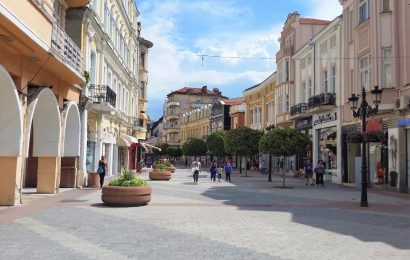
Have you ever sat down at a charming trattoria in Rome, ordered a milky coffee after lunch, and received a look of pure horror from the waiter? You aren’t alone. In Italy, food is a religion, and it comes with a strict set of unwritten commandments.
Whether you’re prepping for a family game night, looking for Italian culture quiz questions, or planning a trip to the land of pasta, this ultimate Italy food trivia will prove if you’re a true connoisseur or just a turista.
Ready to test your culinary IQ? Here are 25 essential Italian food traditions and dining rules in a fun Q&A format! While often called “rules,” most of these are cultural habits rather than strict laws – and you’ll still find exceptions, especially in tourist areas. If you plan a trip to Italy soon, make sure you read this article and avoid these mistakes (that can cost you a lot!). And read this too if you are going to Pelosa beach! (must know!)
The “Unwritten Laws” of Italian Dining
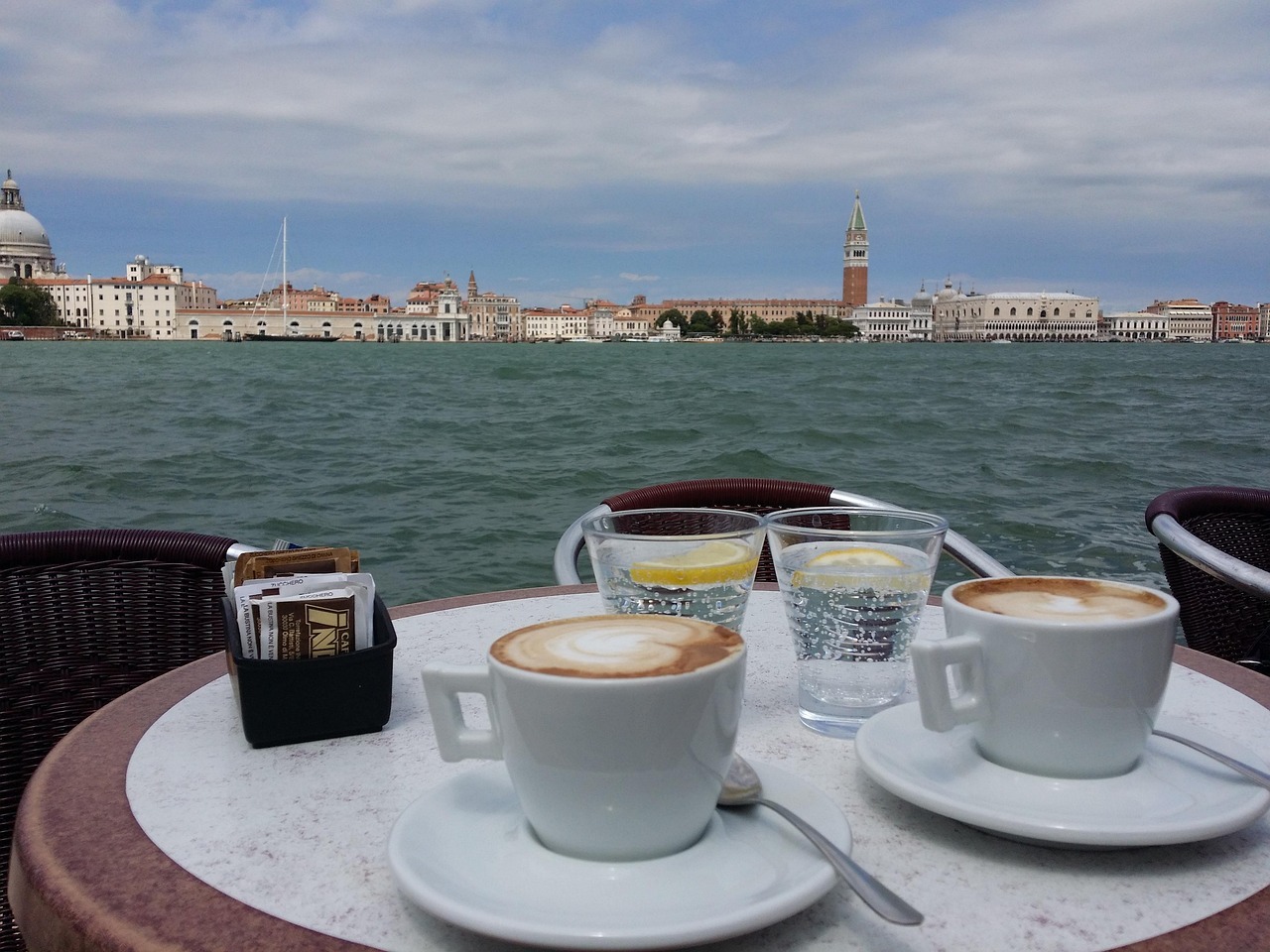
1. Why shouldn’t you order a cappuccino after 11 AM in Italy?
Answer: Because Italian coffee culture dictates that milk should only be consumed in the morning. Italians traditionally avoid milk-based coffee after meals, partly due to long-held beliefs about digestion and partly out of habit. If you need a caffeine fix after lunch, you should order a simple espresso.
2. When eating pasta, which utensil is traditionally “forbidden” for adults in Italy?
Answer: A spoon. While common in other countries, using a spoon to twirl spaghetti is seen as a “nursery” habit in Italy. True experts use only a fork and the side of the bowl.
3. Do Italians put pineapple on pizza? (True or False)
Answer: False. This is one of the most controversial pizza toppings in the world. In Italy, “Hawaiian Pizza” is virtually non-existent, and asking for it is widely frowned upon and rarely found on traditional menus.
4. Which specific ingredient should NEVER be added to a Seafood Pasta dish?
Answer: Parmesan cheese. According to Italian food pairing rules, the strong, salty flavor of aged cheese is thought to overwhelm the delicate taste of fresh fish or shellfish. Traditionally avoided because it’s believed to overpower delicate flavors.
5. When do Italians eat sweet pastries like cornetto?
Answer: The morning. Much like the cappuccino, sweet pastries are primarily a breakfast tradition rather than a typical dessert.
Regional Delicacies & Origins Quiz
ID 181911260 | Italy ©stockcreations | Dreamstime.com
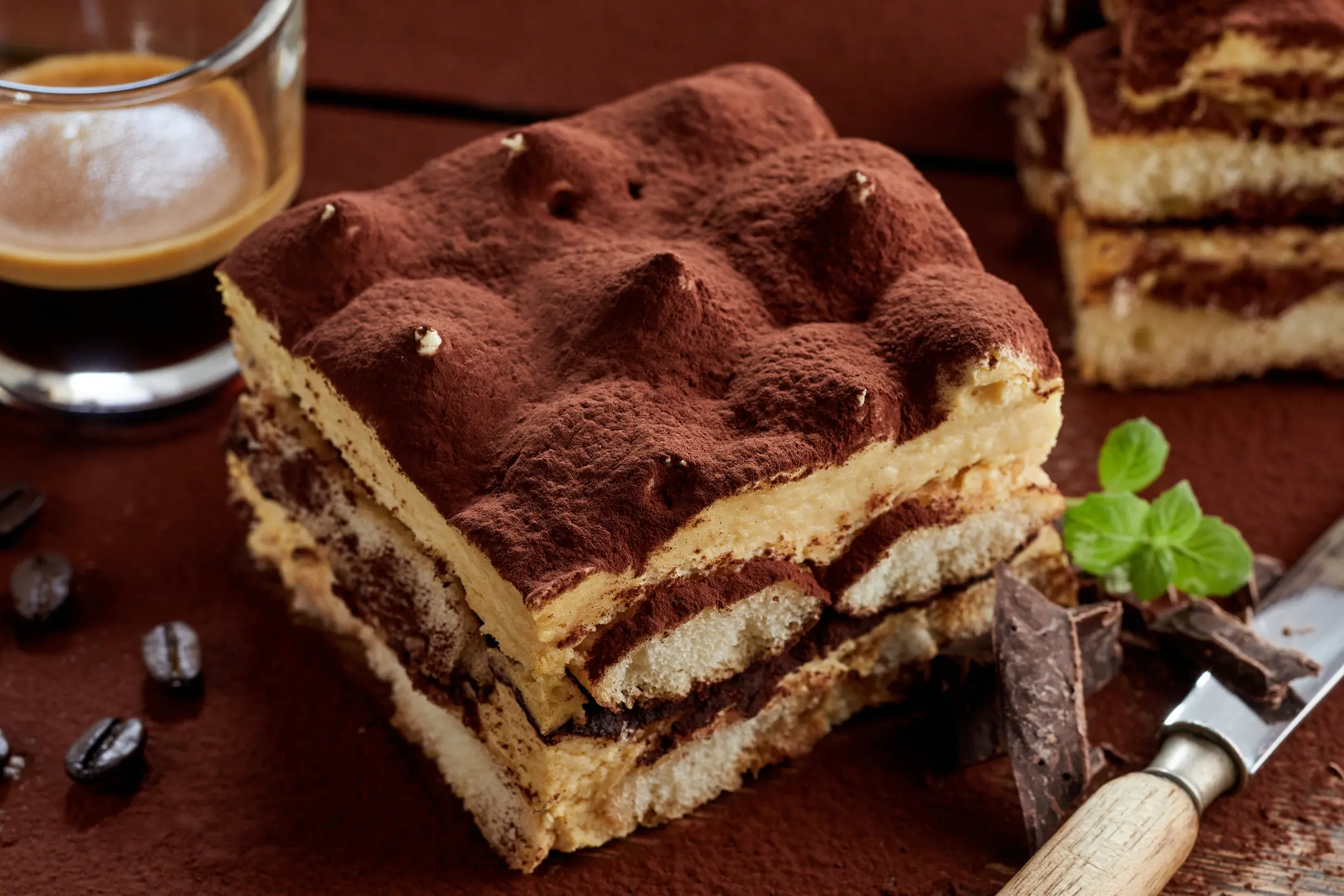
6. Which Italian dessert means “pick me up”?
Answer: Tiramisu. The meaning of Tiramisu refers to the high energy provided by the potent mix of espresso, cocoa, and sugar.
7. How do you eat pizza on the street in Naples?
Answer: A libretto (which means “little book”). The pizza is folded into quarters so it can be held in one hand – the ultimate Neapolitan street food etiquette – pizza a portafoglio (folded like a small booklet).
8. What is the meat or fish course called in a traditional Italian meal?
Answer: Il Secondo Piatto. Unlike many Western cultures, the pasta (Il Primo) is a separate course that comes before the protein.
9. Do Italians eat Fettuccine Alfredo in Italy??
Answer: No. This is a classic example of Americanized Italian food vs. authentic cuisine. While it was technically invented in Rome, it is far more famous in the United States than in Italy.
10. What ingredients are used in authentic Italian carbonara?
Answer: Guanciale (pork cheek), Pecorino Romano cheese, Black pepper, and Eggs. If you see cream on the list of authentic Carbonara ingredients, it isn’t a real Italian recipe!
Italian Etiquette & Drinking Habits
11. What should you do when making a toast in Italy?
Answer: You must make direct eye contact with the person you are clinking glasses with and say “Salute” or “Cin Cin.” Some Italians consider toasting with water bad luck.
12. What happens if you order a “latte” in Italy?
Answer: A glass of plain cold milk. In Italian, latte simply means milk. If you want the coffee drink, you must specifically ask for a Caffè Latte.
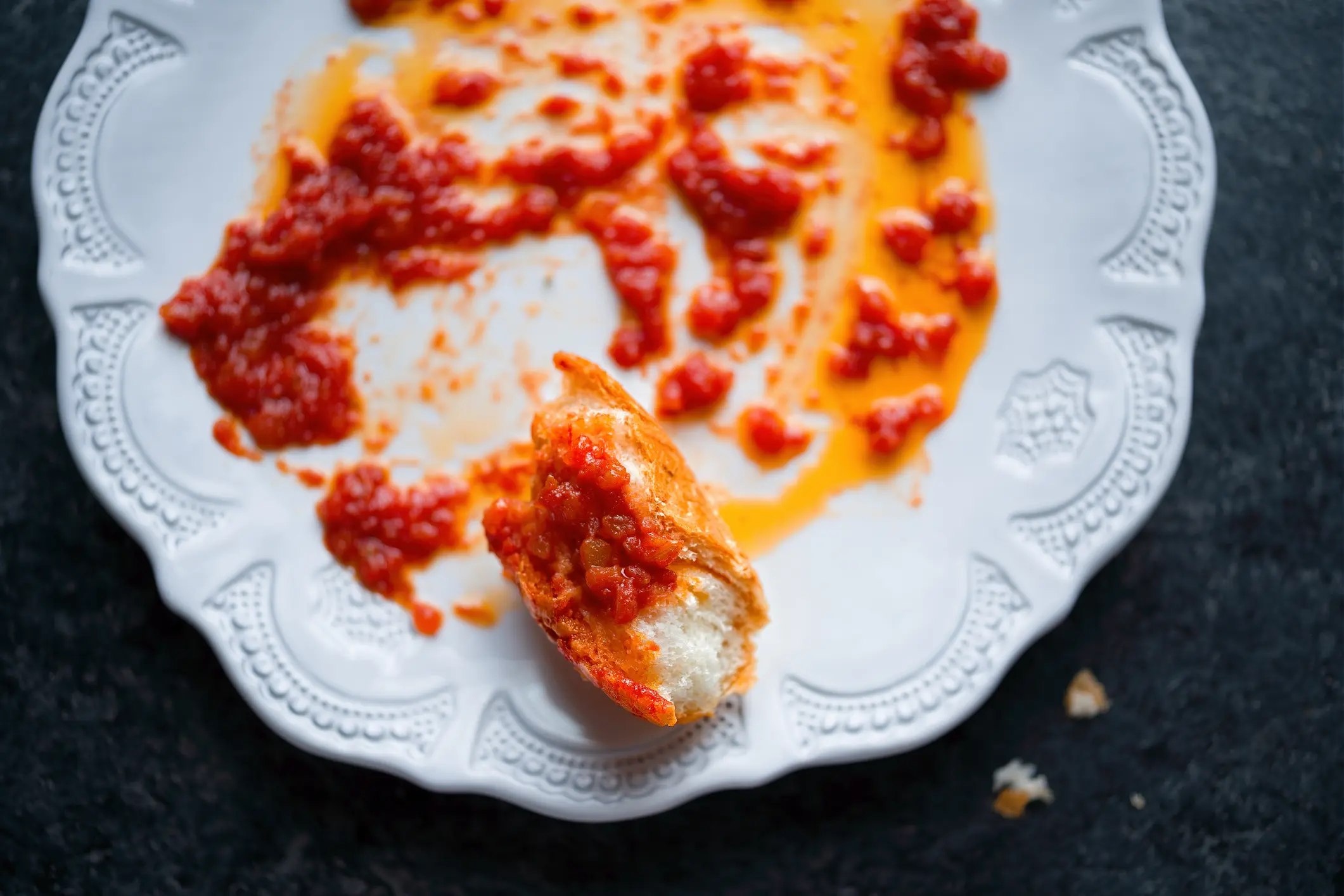
13. What is “scarpetta” in Italian dining?
Answer: Fare la scarpetta is the act of using a small piece of bread to “mop up” the remaining sauce on your plate. It is common and appreciated in informal settings.
ID 204723852 ©Zkruger | Dreamstime.com
14. What is a traditional Italian digestivo?
Answer: Limoncello, Grappa, or Amaro. These Italian after-dinner drinks are high in alcohol and intended to settle the stomach.
15. Do Italians dip bread in olive oil and balsamic vinegar? (True or False)
Answer: False. This is a common Italian restaurant myth found abroad. In Italy, bread is used to accompany the food or for la scarpetta, but rarely dipped in oil as an appetizer.
Coffee & Drinks
16. What coffee do Italians drink after a meal?
Answer: Espresso. After lunch or dinner, Italians typically order a small, strong espresso rather than a milk-based coffee. It is served quickly, often enjoyed standing at the bar, and seen as the proper way to end a meal.
17. What is a “caffè corretto” in Italy?
Answer: A caffè corretto is an espresso “corrected” with a small amount of alcohol, usually grappa, sambuca, or brandy. It is often consumed after meals, especially in colder regions or as a digestivo alternative.
18. Why don’t Italians drink coffee to-go?
Answer: Because coffee in Italy is meant to be a quick ritual enjoyed standing at the bar, not something to carry around. Drinking coffee on the go is seen as unnecessary, and takeaway cups are far less common than in other countries.
Dining Behavior
19. Do Italians split bills at restaurants?
Answer: Traditionally, no. Italians usually prefer one person to pay or to divide the bill informally afterward. Asking for separate checks is less common, although it is becoming more accepted in tourist areas.
20. Is tipping expected in Italy?
Answer: Tipping is not mandatory. Many restaurants include a service charge (“coperto”) in the bill. Leaving small change or rounding up is appreciated but not expected as it is in countries like the United States.
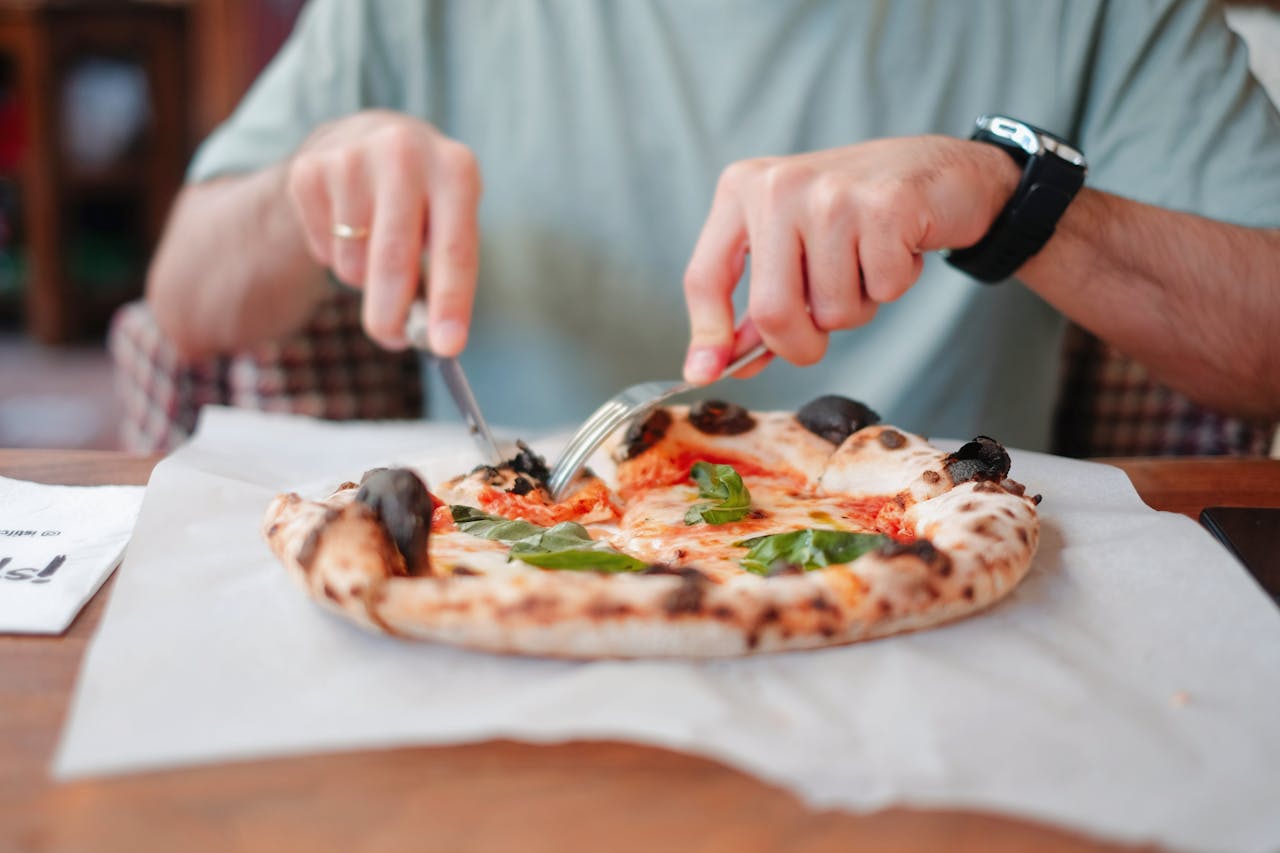
21. Why don’t Italians eat pizza with their hands in restaurants?
Answer: In a sit-down restaurant, pizza is typically eaten with a knife and fork. Eating with your hands is more common in casual settings or for takeaway, but at the table, using utensils is considered more appropriate.
Timing & Structure
22. Why are Italian restaurants closed in the afternoon?
Answer: Because of the traditional meal schedule. Lunch is served around 12:30–2:30 PM, and dinner usually starts after 7:30 PM. Between these times, many restaurants close to prepare for the evening service.
23. What time do Italians eat dinner?
Answer: Dinner in Italy is typically eaten later than in many countries, often between 7:30 PM and 10:00 PM, depending on the region. In southern Italy, it is common to dine even later, especially in summer.
Food Authenticity
24. Why doesn’t authentic carbonara have cream?
Answer: Because traditional carbonara relies on eggs, cheese, and pasta water to create its creamy texture. Adding cream is considered a non-authentic variation and is rarely used in Italy.
25. Is garlic bread Italian?
Answer: No. Garlic bread as commonly known (bread with butter, garlic, and herbs) is not a traditional Italian dish. In Italy, bread may be rubbed with garlic and drizzled with olive oil, but the version popular abroad is an adaptation.
Bonus
26. Why is asking for chicken pasta considered strange in Italy?
Answer: Because Italian cuisine typically separates meat and pasta courses. Chicken is rarely served with pasta, and combining them is seen as unusual in traditional dining.
27. Can you customize your pizza freely in Italy?
Answer: Not usually. Italian pizzerias often follow established recipes, and while small changes may be possible, heavily customizing toppings is less common than in other countries.
28. Why don’t Italians eat pasta with chicken?
Answer: Because traditional Italian recipes are built around specific ingredient combinations. Chicken and pasta are not commonly paired, as each is usually served in separate courses.
How Did You Score?
22–28 Correct: Grandma’s Favorite! You are practically Italian.
14–21 Correct: The Savvy Traveler. You won’t go hungry, but watch that afternoon coffee!
0-13 Correct: The Tourist. Time to book a flight to Italy for some “research.”
What Are the Most Important Italian Food Rules Tourists Should Know?
Italian food culture follows a set of traditions that can feel surprising if you’re visiting for the first time. While these are not strict laws, understanding them helps you avoid common mistakes and enjoy a more authentic dining experience in Italy.
Some of the most important Italian food rules include:
- Cappuccino is a breakfast drink and is rarely ordered after late morning
- Parmesan is traditionally not added to seafood pasta dishes
- Pasta is served as a separate course, not as a side dish
- Bread is meant to accompany your meal, not dipped in oil as an appetizer
- Pizza in restaurants is typically eaten with a knife and fork
If you travel to Italy, make sure you include some of these best places to visit in Italy on your list! Before your next trip, understanding these Italian food rules and dining etiquette can completely change your experience – from how you order coffee to how you eat pasta in a local restaurant. It’s a small detail, but it’s one of the easiest ways to avoid common tourist mistakes in Italy.
Try The Other Trivia Quizzes
As I believe trivia quizzes can be fun and also educational, I have a few of them here on the site. Try more to see how well you know these topics:
- How Well Do You Know the United States? 150 U.S. Travel Trivia Questions With Answers
- 175 Europe Travel Trivia Questions (With Answers) by Category (How Many Can You Get Right?)
- 75 Travel Trivia Questions About World Superlatives (With Answers)
- 100 Asia Trivia Questions and Answers: Fun, Easy, Medium & Expert Facts About Asia
- Think You Know the World? Try These 100 Geography Trivia Questions and See How Many You Get Right
- Think You Know Valentine’s Day? These 90 Trivia Facts Might Prove You Wrong. How Many Can You Get Right?
Have fun!
Love this trivia? Share it on Flipboard, Bluesky, or Pinterest to challenge your foodie friends!
Photo sources (except Dreamstime): 1, 2
More amazing articles for you:
17 Most Beautiful Squares in Europe You Shouldn’t Miss
Sea Life Munich (Sea Life München): The Ultimate Guide to Bavaria’s Best Aquarium
UNESCO World Heritage Sites in Amsterdam
Planning a trip to the French Riviera: Things to see and do
Returning to Italy for Vacation: Ways to Do It Differently the 2nd (or 3rd) Time Around
How to Create Shade at the Beach?
A Local's Guide to Brooklyn (New York) with the best things to do in Brooklyn
What’s the Best “City” in Argentinian Patagonia?

Violeta-Loredana Pascal is a communications expert, business mentor, and the founder of Earth’s Attractions and PRwave INTERNATIONAL. A pioneer in the Romanian digital PR landscape since 2005, she holds a degree in Communication and Social Sciences from SNSPA Bucharest. Violeta is a senior trainer at AcademiadeAfaceri.ro, where she leverages over 20 years of experience to teach professional courses in PR strategy and workplace productivity. By blending high-level business consulting with a passion for holistic travel and wellness, she empowers solopreneurs to overcome procrastination, build profitable brands, and design a life of purposeful adventure.