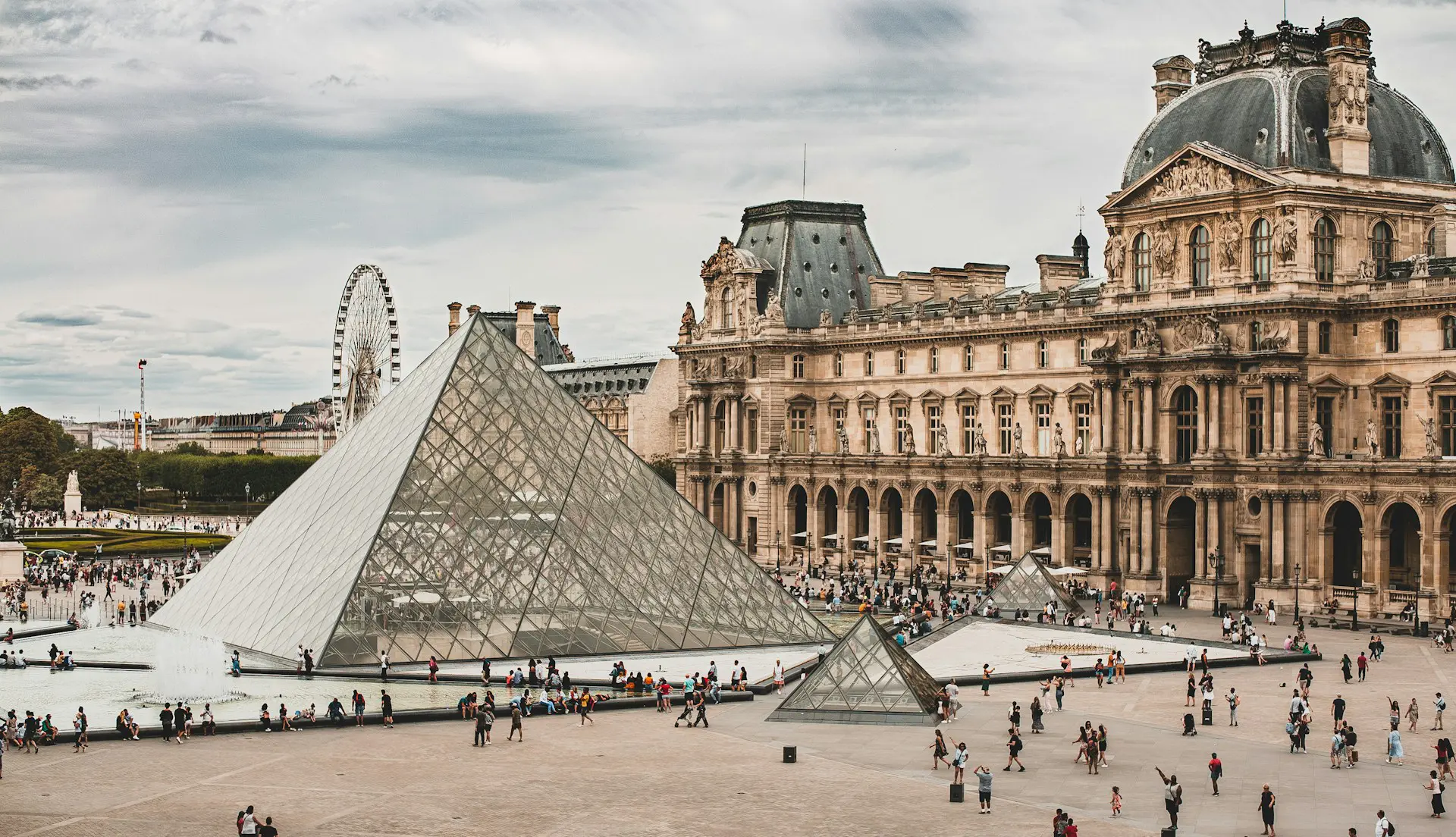
The world’s most famous glass pyramid just became significantly more exclusive.
As of January 14, 2026, the Louvre raised ticket prices by 45% for non-EU visitors – one of the biggest pricing shifts in its modern history. For millions of international travelers, the “Mona Lisa smile” now comes with a much higher price tag.
If you’re planning a trip to Paris this year, the news is a shock to the system: the Louvre ticket price in 2026 now stands at €32 for most non-European visitors – a staggering 45% increase. But this isn’t just about inflation. Behind the price hike lies a cinematic real-life heist, a crumbling royal palace, and a plan to move the world’s most famous painting.
Quick facts:
- New ticket price for non-EU visitors: €32
- Previous price: €22
- Increase: +45%
- Effective date: January 14, 2026
- EU/EEA residents: no change
As a fun fact: searches for “Louvre ticket price 2026” and “Louvre 45% price increase” have surged since the announcement, as people reassess their Paris budgets.
Why the Louvre Raised Prices Now
The decision is also widely seen as part of Europe’s growing struggle with overtourism at world-famous landmarks.
The ticket increase is not simply a revenue grab. It is a response to sustained overcrowding, aging infrastructure, and rising operational costs at one of the world’s most visited museums.
Last year, the Louvre welcomed nearly 9 million visitors, despite being designed to comfortably handle roughly half that number. Peak-hour congestion – particularly around the Mona Lisa – has long affected visitor experience, staff workload, and security operations. The Louvre is one of the most visited museums in the world and one of the top attractions in Europe.
At the same time, internal audits have revealed deteriorating building conditions, including leaking roofs and outdated climate control systems in parts of the museum. Maintaining stable environmental conditions is critical for preserving priceless artworks.
The “Mona Lisa” Tax: Moving a Masterpiece
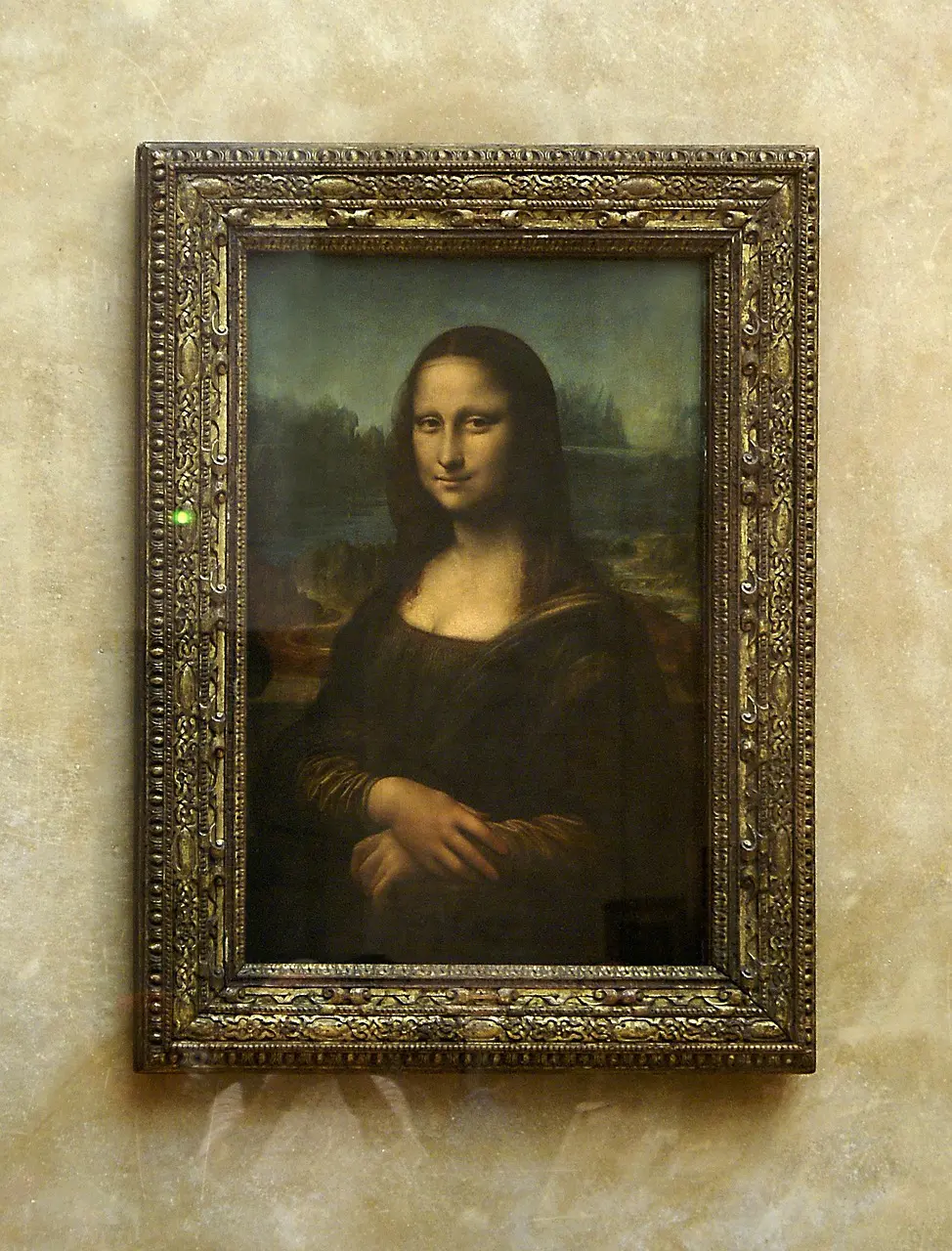
The most viral aspect of the 2026 transformation is the fate of Leonardo da Vinci’s Mona Lisa. Under the new funding model, the Louvre is creating a dedicated underground gallery for the Mona Lisa, expected to be completed by 2031.
President Emmanuel Macron announced the project will include a separate entrance to alleviate the bottlenecks at the Pyramid. While some early reports suggested a separate fee, the museum has clarified that the €32 ticket will cover the “Mona Lisa experience,” but the hike is effectively a down payment on this massive architectural project.
My Louvre Visit Before the Price Hike
Here I have to add that a few years ago, I visited the Louvre. It was March, so it was not very crowded – but that was a trip out of the blue, unmissable – for the best time to visit Paris, read this. We bought the tickets when we arrived at the museum (now it is recommended to buy them online, reserving your preferred time slot).
There were people at the Mona Lisa – of course – but we got to see it. But I see that there are waaaay more people waiting in line these days!
We visited the Louvre in one day. We tried to see it all – but, of course, it was a rushed visit – we stopped in just a few sections more, including seeing the Princesses’ Jewelry exhibited at the Louvre Museum that was recently stolen.
In case you did not know, seeing real art, in museums, actually lowers your stress – a study proves it.
The €88 Million Heist That Changed Everything
While the price increase was hinted at in early 2025, the catalyst for the immediate jump was a daring crime that felt like a plot from a movie.
On October 19, 2025, thieves disguised as construction workers used a motorized furniture ladder to reach a first-floor balcony of the Galerie d’Apollon. In under ten minutes, they made off with eight pieces of the French Crown Jewels, valued at approximately €88 million. The stolen items included the sapphire necklace of Queen Marie-Amélie and the emerald set of Empress Marie-Louise.
The heist exposed “worrying levels of obsolescence” in the museum’s security. Consequently, the revenue from the new €32 ticket is being fast-tracked into the “Louvre New Renaissance” plan – an €800 million overhaul to fix:
- Security Gaps: Installing over 100 new perimeter cameras (after audits found blind spots during the heist).
- Infrastructure Decay: Repairing leaking roofs and failing climate control systems in the Sully wing.
- Crowd Control: The museum, designed for 4 million people, hosted nearly 9 million last year.
The Great Debate: Pros vs. Cons
Arguments For the Increase (The “Pro” Side)
- National Heritage Funding: some argue that it is unfair for French taxpayers to foot the bill for an institution where 74-77% of visitors are foreign tourists.
- Improved Visitor Experience: The revenue will fund a new eastern entrance at the Grande Colonnade, reducing wait times in the rain at the Pyramid.
- Emergency Restoration: Leaked letter from Director Laurence des Cars revealed that parts of the museum were in “very poor condition.” The hike ensures these halls don’t close permanently.
Arguments Against the Increase (The “Anti” Side)
- Cultural Nationalism: The CGT Culture Union has denounced the two-tier system, stating it turns culture into a “commercial product” and discriminates against visitors from non-Western nations with weaker currencies.
- The “Universal Museum” Conflict: Critics argue that because the Louvre houses artifacts from Africa and the Middle East, charging people from those regions more to see their own history is morally questionable.
- Tourism Backlash: Many travelers have noted that they already pay for flights and hotels, and a €32 entry fee makes Paris increasingly inaccessible to budget travelers.
Despite the backlash, early visitor data suggests demand for Louvre tickets has remained strong – and I believe it will continue to be so.
The Louvre Price Hike and Europe’s Overtourism Reality
The Louvre’s new pricing policy is part of a much larger story unfolding across Europe: overtourism.
Major cultural capitals are facing visitor volumes that far exceed what historic infrastructure was ever designed to handle. Museums, city centers, transport systems, and public spaces are under constant pressure during peak travel seasons. Paris is no exception. With nearly 9 million annual visitors, the Louvre has become a frontline example of how overtourism affects both visitor experience and heritage preservation.
Raising ticket prices is one of several tools now being used to manage demand, fund maintenance, and reduce overcrowding at high-impact sites. Timed-entry reservations, visitor caps, restricted group sizes, and tourist taxes are increasingly common across Europe’s most visited destinations.
Rome recently introduced a €2 access fee for visitors at the Trevi Fountain, another response to extreme visitor pressure at a world-famous landmark.
Together, these measures point to a clear shift: Europe’s iconic attractions are moving from open-access tourism toward controlled, managed visitation. For tourists, this means more planning, more advance booking – and in some cases, higher costs – but also the potential for calmer, higher-quality visits.
Who Pays More? The 2026 Price Breakdown
The new “differentiated pricing” creates a clear distinction based on residency. If you are from the US, UK, Canada, or China, you are now in the premium bracket.
| Visitor Category | Old Price | 2026 Price | Change |
| Non-EU / Non-EEA Residents | €22 | €32 | +45% |
| EU / EEA Residents | €22 | €22 | No Change |
| Under 18s (All Nationalities) | Free | Free | No Change |
| EEA Residents Under 26 | Free | Free | No Change |
Note: Residents of Iceland, Liechtenstein, and Norway are exempt from the hike due to EEA agreements. UK residents, however, must pay the full €32.
For travelers, the debate matters, but so does the practical question: how to visit without overspending.
5 Hacks to Beat the Louvre Price Hike
If €32 is a dealbreaker, use these strategies to save your budget:
- The “First Friday” Loophole: The Louvre remains free for everyone on the first Friday of every month after 6:00 PM (except July and August).
- The Paris Museum Pass: If you plan to visit Versailles and the Musée d’Orsay, the pass is still the best value. Pro Tip: You still need to book a timed entry slot online!
- The Under-18 Rule: Unlike many European sites, the Louvre is free for all children under 18, regardless of nationality.
- Use the “Secret” Entrance: Avoid the Pyramid. Enter through the Galerie du Carrousel (99 Rue de Rivoli) for shorter lines and protection from the weather.
- Target the Late Nights: On Wednesdays and Fridays, the museum stays open until 9:00 PM. While the price is the same, the “value per hour” is higher as crowds thin out significantly after 6:00 PM.
Is The Louvre Still Worth Visiting?
Compared to the Acropolis in Athens (€30) or The Met in New York (~$30), the Louvre, one of the best museums to visit in Paris, is now at the top of the price scale. However, with 35,000 masterpieces across three wings, it remains the world’s ultimate art pilgrimage. Whether the €32 is a “fair contribution” or “cultural gatekeeping” depends on who you ask – but for most, the chance to see the Venus de Milo or the Winged Victory remains priceless.
That is exactly what it was for me – and I cannot wait to go back!