If you’ve ever sat at a sunlit café terrace in Barcelona or waited at a beachside bus stop in Malaga only to have drifting cigarette or vape smoke spoil the air, you’re not alone.
Spain has proposed a major expansion of its smoke-free rules, including a nationwide ban on smoking and vaping on bar and restaurant terraces and in several other outdoor public spaces. However, the most important fact for tourists is that the proposed Spain outdoor smoking ban is not yet in force as of July 4, 2026.
The Spanish Council of Ministers approved a preliminary draft in September 2025, but the measure still had not reached the stage at which Parliament could complete and approve it. On May 27, 2026, Spain’s Health Minister said the tobacco law was still being dealt with at the European level before it could be considered in Parliament. The latest official update I found came on June 25, 2026, when Spain’s Secretary of State for Health said the ministry was working to take a definitive version through the Council of Ministers before the end of July, after which it would be debated in Congress during the next parliamentary session.
Honestly, I’ve always wondered why outdoor spaces weren’t already smoke-free. After all, we go outside for fresh air, right?

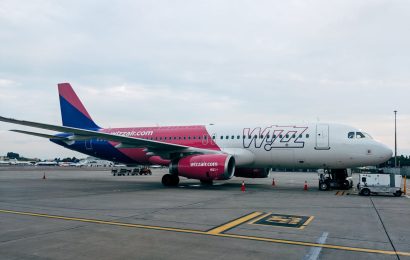
Photo via Pexels
Current status, July 4, 2026: Spain has not introduced a new nationwide ban on smoking and vaping on every open restaurant terrace or every beach. Existing national rules remain in force, while autonomous communities, municipalities and individual venues may impose additional restrictions.
This article provides general travel information, not legal advice. Smoking and vaping rules can change, and local restrictions may be stricter than the national rules. Always follow official signs and instructions at the place you are visiting.
Is Spain’s outdoor smoking ban in force in 2026?
No. Spain’s proposed nationwide expansion of smoke-free outdoor spaces is not yet in force.
The Council of Ministers approved an anteproyecto de ley, or preliminary draft law, on September 9, 2025. A preliminary draft is not the same as a final law that tourists can already be fined under.
On May 27, 2026, Health Minister Mónica García told the Spanish Congress that the tobacco law was still “in Europe” and that the process at European institutions had to be resolved before the proposal could be dealt with in the Spanish Parliament.
This means there was still no final parliamentary approval, no publication of the new law in Spain’s official state gazette, the BOE, and no confirmed nationwide start date on July 4, 2026. The June timetable was an official target, not a guarantee that the law would be approved or take effect in July.
The September 2025 draft says that the law would take effect 20 days after publication in the BOE. That countdown has not begun because the proposed legislation has not been enacted and published as a final law.
Spain smoking ban timeline
| Date | Development | What it means for tourists |
|---|---|---|
| September 9, 2025 | The Council of Ministers approved a preliminary draft amending Spain’s tobacco law. | The government formally advanced the proposal, but the new restrictions did not become enforceable. |
| May 27, 2026 | The Health Minister said the tobacco law was still being dealt with at the European level before Parliament could consider it. | The proposed national outdoor restrictions were still not in force. |
| June 25, 2026 | The Secretary of State for Health said the ministry was working to take a definitive version through the Council of Ministers before the end of July, with parliamentary debate expected in the next session. | The proposal still required further government and parliamentary processing and was not yet law. |
| July 4, 2026 | No final version of the proposed law had been published in the BOE. | Existing national law, regional rules, municipal ordinances and venue policies continue to apply. |
| Next stages | Further processing, parliamentary consideration, possible amendments, final approval and publication would still be required. | The final law may differ from the September 2025 draft. |
Spain smoking rules 2026: current rules versus the proposal
The easiest way to understand the situation is to separate the rules that apply now from the changes that Spain has proposed.
| Place or product | Current nationwide position in July 2026 | What the September 2025 draft proposes |
|---|---|---|
| Open bar or restaurant terrace | Smoking may still be permitted if the terrace legally qualifies as an open-air hospitality space, unless a regional, municipal or venue rule prohibits it. | Smoking would be prohibited in the outdoor areas of bars, restaurants and other food-service businesses. |
| Covered terrace enclosed on three or more sides | It does not meet the national definition of an open-air hospitality space, so the indoor smoking prohibition applies. | The wider terrace prohibition would remove much of the current distinction for hospitality exteriors. |
| Beach | There is no blanket national prohibition covering every Spanish beach. Local restrictions and smoke-free beach programmes vary. | Beaches were widely mentioned in reports and consultation feedback, but the operative list in the published September 2025 draft does not expressly name beaches. |
| Bus station, platform or shelter | The current answer depends on the precise type of space and any regional or local rule. | The draft would extend the prohibition to bus stations, platforms and shelters, including specified outdoor transport spaces. |
| Public swimming pool | Current restrictions depend on whether the area is enclosed and on regional, municipal and facility rules. | The draft would prohibit smoking in both indoor and outdoor areas of collective-use swimming pools. |
| Sports venue or outdoor public performance | Existing rules apply to enclosed spaces, while additional restrictions may apply locally or through venue policy. | The draft would expand smoke-free rules to the exteriors of sports facilities and venues hosting public performances. |
| Playground | Smoking is prohibited in fenced children’s playgrounds and designated children’s play areas. | The protection would remain and be incorporated into the wider framework for tobacco and related products. |
| Vaping | Vaping is prohibited in specified places, but there is no current nationwide prohibition covering every open restaurant terrace or every beach. | E-cigarettes with or without nicotine and most other related products would follow the same place-based restrictions as tobacco. |
| Disposable e-cigarettes | The September 2025 proposal has not yet made their sale illegal nationwide. | The draft would prohibit their sale and supply, with a proposed transitional period for existing stock. |
| Nicotine pouches | They are subject to product and age-related rules, but they are not smoked or vaped. | The draft would regulate them, but its place-based consumption provision expressly excludes nicotine pouches from the same location restrictions imposed on smoking and vaping. |
Can you smoke on bar and restaurant terraces in Spain in 2026?
At national level, smoking can still be permitted on a genuinely open bar or restaurant terrace in Spain in July 2026. It is not correct to say that the proposed nationwide terrace ban is already active.
Under Spain’s existing tobacco legislation, an open-air hospitality space is either:
Uncovered; or
Covered but surrounded laterally by no more than two walls, partitions or similar structures.
Therefore, a covered terrace enclosed on three or four sides does not qualify as open air under this definition. Smoking is already prohibited there under the existing national rules.
Even on a terrace that qualifies as open air, smoking may still be prohibited by an autonomous community, a municipality, the restaurant itself, a shopping centre, a hotel or another property owner. A venue is allowed to adopt a stricter smoke-free policy.
For a tourist, the practical answer is simple: look at the structure of the terrace, check for no-smoking signs and ask the staff when the rule is unclear. Do not rely on seeing another customer smoking, because that does not prove it is allowed.
What would change for terraces if the proposal becomes law?
The September 2025 draft would prohibit smoking in bars, restaurants and other food-service establishments both indoors and outdoors. It would also apply the same location rules to e-cigarettes with and without nicotine, heated products, shisha and most other products covered by the new definition of “related products.”
If a final law retains this wording, the current distinction between an open terrace and a terrace enclosed on several sides would no longer allow smoking in the exterior hospitality area.
However, the final legislation may be amended before approval. Tourists should not plan around the draft as though its wording were already final.
Can you smoke on beaches in Spain in 2026?
There is no nationwide rule that makes smoking illegal on every beach in Spain.
Beach restrictions currently depend heavily on the autonomous community, municipality and individual beach. Some beaches are officially designated smoke-free, some municipalities have enforceable ordinances, and other programmes rely primarily on public-health messaging and voluntary compliance.
For example, the Government of the Balearic Islands reported on May 29, 2026 that 57 beaches in 22 municipalities were participating in its smoke-free beach programme. This does not mean that every beach in Mallorca, Menorca, Ibiza or Formentera follows an identical rule or carries the same fine.
Before smoking or vaping on a beach, check:
The signs at the beach entrance. Look for wording such as Playa sin humo, Espai sense fum, Prohibido fumar or a crossed-out cigarette symbol.
The municipality’s beach ordinance. Local rules can be more specific than national law and may apply only to certain beaches or designated zones.
Whether the designation is enforceable or voluntary. A smoke-free programme and a municipal prohibition are not always legally identical.
Seasonal rules. Some restrictions or enforcement arrangements may apply during the main beach season.
Spain already has many destination-specific regulations, so I recommend checking local beach rules rather than assuming that what is allowed at one resort is allowed everywhere.
Does the proposed national law ban smoking on every beach?
This point requires care because some 2025 reports described beaches as part of Spain’s planned outdoor smoking ban.
The public consultation material records support for smoke-free beaches, but the operative list of prohibited places in the published September 2025 draft does not expressly name beaches. It explicitly names hospitality exteriors, collective-use pools, transport spaces, sports facilities, outdoor performances, playgrounds and several other locations.
For that reason, it would be inaccurate to state that the published draft, in its current wording, unquestionably creates a blanket ban on smoking on every Spanish beach. A later version could add or clarify beach restrictions, while municipalities can continue to regulate beaches independently.
Is vaping legal in Spain in 2026?
Vaping is legal in Spain, but it is already prohibited in several places.
Current national legislation restricts the use of nicotine-releasing devices and similar products in:
Public administration buildings and facilities;
Healthcare centres and the indoor or outdoor grounds within their premises;
Schools and training centres, with a limited exception for certain open-air areas at universities and adult-education centres that are not immediate entrances or surrounding pavements;
Urban and interurban public transport, rail and maritime transport, and specified flights;
Fenced children’s playgrounds and designated play areas.
The current national vaping rules do not create a blanket ban on using an e-cigarette on every genuinely open restaurant terrace or every beach. Local rules and venue policies can still be stricter, and signs must be followed.
Would Spain’s proposed law treat vaping like smoking?
Largely, yes. The draft would apply the same place-based consumption restrictions to e-cigarettes with and without nicotine and most other “related products.” This would extend the restriction to open bar and restaurant terraces and the other newly listed outdoor spaces.
The draft also proposes clearer signage, wider advertising restrictions and an expanded enforcement framework.
Are disposable vapes banned in Spain?
No – not as a result of this proposed law yet. The September 2025 preliminary draft proposes a ban on the sale and supply of single-use e-cigarettes, but the draft has not become final law.
The text also includes a proposed 12-month transitional period that would allow single-use e-cigarettes already affected by the measure to continue being marketed while businesses adapt and existing stock is exhausted.
Therefore, headlines stating that disposable vapes have already been completely banned nationwide under the 2025 proposal are premature.
Are nicotine pouches included in Spain’s proposed smoking ban?
Nicotine pouches are included in the draft’s broader definition and regulatory framework, including provisions related to minors, product information and marketing.
However, the draft’s place-based consumption rule contains an important exception: it says that related products would follow the same consumption restrictions as tobacco except for nicotine pouches. The pouches would instead be subject to the draft’s rule prohibiting consumption by people under 18.
This means it is not accurate to say that the published draft would treat nicotine pouches exactly like cigarettes on terraces, at bus stops or in other smoke-free locations.
Which outdoor places would become smoke-free under the proposal?
If enacted substantially as drafted, the law would expand the prohibition to include:
Outdoor areas of bars, restaurants and other food-service businesses;
Indoor and outdoor areas of collective-use swimming pools;
Indoor and outdoor sports facilities and venues where public performances take place;
Outdoor spaces belonging to dance venues, gambling establishments and other public-use premises;
Bus stations, platforms and shelters, as well as completely open-air areas of suburban transport systems;
Vehicles used for passenger transport with a driver;
Outdoor concerts, theatres, cinemas and other public performances;
Children’s playgrounds and designated play areas.
The draft would also create a smoke-free perimeter of less than 15 metres from the entrances to public buildings, healthcare centres, social centres, schools, universities, museums, libraries, other educational or cultural centres, sports centres and children’s playgrounds.
Again, these are proposed rules, not restrictions that automatically apply nationwide today.
What are the fines for smoking in a prohibited place in Spain?
There are two different sets of figures to understand: the fines under the law currently in force and the figures proposed in the September 2025 draft.
Current national fines
Under the existing national tobacco law:
An isolated incident of smoking in a place where it is prohibited can be fined up to €30.
Other minor infringements can carry fines from €30 to €600.
Serious and very serious infringements have much higher ranges, but these usually concern repeated violations, businesses, sales, advertising or other regulatory breaches rather than a tourist committing one isolated smoking offence.
Regional or municipal regulations may create different penalties for local offences. A fine connected with a smoke-free beach, for example, may arise from a local ordinance rather than the national tobacco law.
Proposed fines if the draft becomes law
The September 2025 draft proposes:
Up to €100 for an isolated incident of smoking or using a covered related product in a prohibited place;
€100 to €600 for minor infringements generally;
€601 to €10,000 for serious infringements;
€10,001 to €600,000 for very serious infringements.
The highest figures concern major regulatory violations and should not be presented as the standard tourist fine for smoking one cigarette. The new amounts are proposals and are not yet being enforced under this draft.
Because rules and fine levels can come from several authorities, checking signs is one of the simplest ways to avoid tourist fines while travelling.
What this means for travellers visiting Spain now
The practical position in 2026 is less dramatic than many headlines suggest, but it still requires attention.
Do not assume every terrace follows the same rule. A fully open terrace may permit smoking, while a terrace with a roof and three enclosed sides may already fall under the national prohibition. The business can also ban smoking voluntarily.
Check signs at beaches, pools and outdoor venues. Local rules can apply even though the proposed nationwide law has not taken effect.
Treat vaping as regulated, not unrestricted. Vaping is already prohibited in several public places, and municipalities or venues may add further restrictions.
Ask before smoking on a hotel balcony. A private balcony is not automatically a smoking area. Hotel rules, fire-safety requirements and cleaning policies may prohibit it, and a violation may lead to a cleaning charge even where no public smoking fine applies.
Do not depend on old forum answers. A post written before a municipal ordinance changed may no longer be reliable.
Check again shortly before travelling. The national proposal may move forward, and local rules can change independently.
When planning a trip to Spain, it is worth treating smoking rules in the same way as transport, beach and dress regulations: verify the rule for the exact place rather than relying on a general statement about the whole country.
ID 179054080 ©Dinogeromella | Dreamstime.com
How to check whether smoking or vaping is allowed
The same city can have different rules at a restaurant, beach, hotel, pool and transport stop. Before lighting a cigarette or using a vape, check these points:
Is the place enclosed or substantially enclosed? A roof combined with three or more lateral walls means a hospitality terrace does not meet the existing national definition of open air.
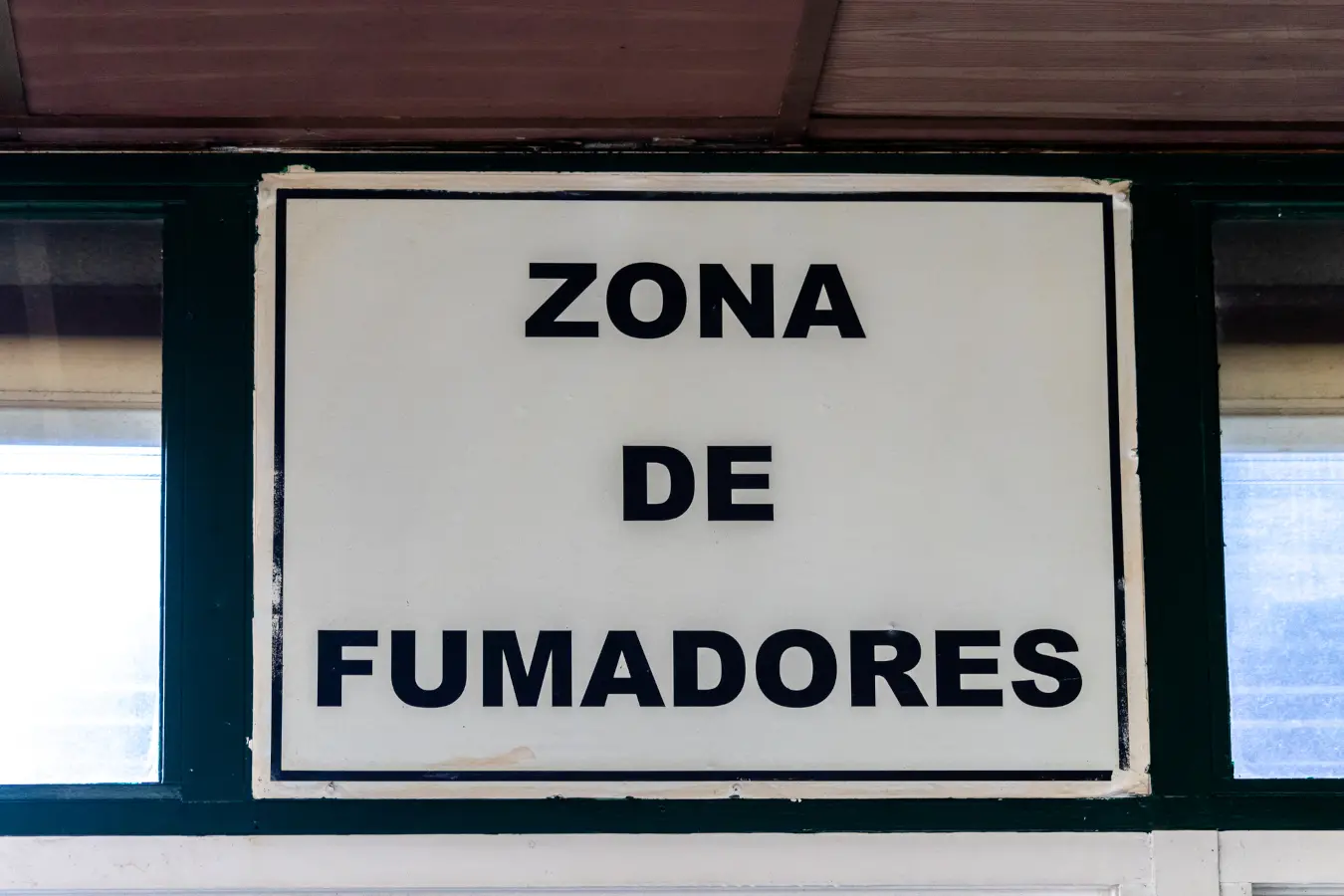
Is there a sign? A crossed-out cigarette or vape symbol, Prohibido fumar, Playa sin humo or similar wording should be treated as a clear warning.
Does a local rule apply? Municipalities and autonomous communities can impose restrictions beyond the national minimum.
Has the venue adopted its own policy? Restaurants, hotels, shopping centres, festivals and other private operators can be stricter.
Are you close to children, a healthcare facility or a school? Existing restrictions already protect several of these settings, and the proposal would extend protection further.
Why Spain proposed wider smoke-free outdoor spaces
I know, there is a very long debate on smoking, vaping, and allowing or banning them.
I do not smoke, and I have to say that I dislike it when at a bus stop or at a terrace, on a beach or in a park, instead of the fresh air, I breathe smoke…
Spain’s Health Ministry says the proposal is intended to reduce exposure to tobacco smoke and aerosols, protect children and other vulnerable groups, respond to the growth of new nicotine and vaping products, and make the regulatory framework clearer.
Secondhand smoke does not affect only the person smoking. Research has found that people nearby can be exposed to tobacco-related pollutants even in outdoor hospitality settings, particularly where terraces are covered or partially enclosed.
The proposal has also generated opposition and practical concerns. Hospitality representatives have questioned the effect of a complete terrace prohibition, while implementation would require clear signage, public information and consistent enforcement.
Solutions & best practices – What other places do
Looking at how other countries handle smoking restrictions adds useful context to Spain’s proposal. The rules are not identical, but they show several ways authorities can protect non-smokers without leaving visitors confused about where smoking is still permitted.
Japan’s designated smoking areas and rooms: Tokyo combines indoor smoking restrictions with designated smoking rooms and public outdoor smoking areas. Smoking is prohibited in many busy streets, areas around stations, sightseeing locations, and other crowded places under local ordinances, although the exact rules vary between municipalities. Instead of allowing people to smoke anywhere outdoors, some districts direct them towards clearly marked smoking areas. You can read more about Tokyo’s official smoking rules here.
Street-level restrictions: Some Japanese municipalities prohibit smoking while walking or smoking outside designated areas, particularly around stations and crowded streets. This reduces drifting smoke and cigarette litter, but it also gives smokers a clearer indication of where they are allowed to stop and smoke.
Australia: Smoking laws differ between Australian states and territories, but restrictions have been extended in many places to cover outdoor dining areas, public transport locations, and other public spaces where people gather closely. Many of these rules also apply to e-cigarettes. This shows why Spain will need clear national rules while still allowing regional and local authorities to address particular locations.
New Zealand: National law prohibits smoking and vaping inside workplaces, licensed premises, and certain enclosed public places, as well as throughout school and early-childhood-centre grounds. Local councils can introduce additional smoke-free or vape-free rules for outdoor public spaces, so restrictions may vary between destinations. More details are available in the New Zealand Ministry of Health guidance.
Clear signs and designated areas: Whatever model Spain eventually adopts, tourists will need visible signs showing where smoking and vaping are prohibited and whether designated areas are available. Public information should also explain whether a rule comes from national law, a regional authority, a municipality, or an individual business. Without that clarity, visitors may struggle to distinguish an enforceable ban from a voluntary smoke-free policy.
Spain does not necessarily need to copy one country’s system. However, these examples show that outdoor smoking restrictions are easier to follow when prohibited areas are clearly defined, signs are easy to see, and travellers can quickly understand where the rules apply.
Personal reflection & experience
I always get frustrated when, in what should be a fresh-air moment – a terrace dinner, a stroll through a park, or relaxing on the beach – I end up breathing in drifting smoke from cigarettes or vapes.
And what’s more annoying is that many places still don’t treat vapes with the same gravity, despite their rising popularity and health concerns.
It feels like outdoor public places should be a refuge for fresh air, especially when you travel, not compromised by someone else’s cigarette break.
Why reports about Spain’s smoking ban can be contradictory
A large part of the confusion comes from mixing four different categories:
Current national law: Rules already enacted and published in the BOE.
The proposed national law: Measures in the September 2025 preliminary draft that have not yet taken effect.
Regional and municipal rules: Restrictions that may apply in one autonomous community, city or beach but not throughout Spain.
Private venue policies: Rules adopted by an individual restaurant, hotel, event organiser or property owner.
This is why all of the following claims are too broad:
“Smoking is already banned on every terrace in Spain.” The proposed nationwide open-terrace ban is not in force.
“Smoking is allowed on Spanish terraces.” It may be allowed on a qualifying open terrace, but not on one that fails the open-air definition, and stricter local or venue rules may apply.
“Smoking is banned on every Spanish beach.” Beach rules vary, and there is no blanket national prohibition covering every beach.
“Disposable vapes are already banned.” The preliminary draft proposes this, but it has not yet enacted that nationwide sales ban.
“Nicotine pouches would be banned wherever smoking is banned.” The published draft expressly excludes nicotine pouches from its equivalent place-based consumption restrictions.
Challenges if the new rules are approved
Enforcement: Passing a national law would not automatically make every tourist aware of it. Signs and clear communication would be essential.
Local differences: Autonomous communities and municipalities can have additional rules, so visitors may still encounter differences between destinations.
Terrace design: Under the current law, the structure of a terrace can determine whether it counts as open air. A future blanket hospitality-exterior prohibition would be simpler to explain, but businesses and customers would need time to adapt.
Beaches: Smoke-free designations, municipal prohibitions and voluntary programmes should be explained accurately so travellers know whether a fine can be imposed.
Final wording: The law that eventually reaches Parliament may not be identical to the September 2025 public draft.
Conclusion
ID 372047007 ©Jerome Cid | Dreamstime.com
Spain’s proposed expansion of smoke-free outdoor spaces could eventually change daily life on bar terraces, at transport facilities, around public buildings and at many other places used by tourists. But the nationwide terrace ban announced in 2025 was still not in force on July 4, 2026.
For now, travellers need to distinguish between current national law, local restrictions and private venue policies. A genuinely open terrace may still allow smoking, a more enclosed terrace may not, and beach rules can change from one municipality to another.
The most reliable approach is to check signs, ask when the rule is unclear and verify the exact destination shortly before travelling. This is particularly useful if you are building a longer itinerary around different places to visit in Spain, because local rules may not be identical at every stop.
For a lighter look at Spanish language and culture after all these regulations, you can also read my collection of Spanish sayings and their English meanings.
Official sources and update history
Last fact-checked: July 4, 2026.
September 2025 proposal: Spanish Ministry of Health preliminary draft amending Law 28/2005.
Current national law: Consolidated Spanish tobacco law in the BOE.
Legislative status in May 2026: Official transcript of the Spanish Congress plenary session of May 27, 2026.
Latest official timetable located: Congress Health Committee session of June 25, 2026.
Balearic smoke-free beaches: Government of the Balearic Islands update of May 29, 2026.
Frequently asked questions about Spain’s smoking ban in 2026
Is smoking banned in Spain in 2026?
Smoking is prohibited in enclosed public places and numerous other specified locations. However, Spain has not yet enacted the proposed nationwide ban on smoking on every open bar and restaurant terrace. Regional, local and venue-specific restrictions can go further than national law.
Can you smoke on restaurant terraces in Spain?
Smoking may still be permitted on a terrace that legally qualifies as open air: either uncovered or, when covered, surrounded laterally by no more than two walls or similar structures. Smoking can still be prohibited by local rules or the restaurant’s own policy.
Can you smoke on beaches in Spain?
There is no single nationwide rule prohibiting smoking on every beach. Some beaches and municipalities have smoke-free rules or programmes, so check official signs and the local beach ordinance.
Can you vape on terraces in Spain?
Current national law does not impose a blanket vaping ban on every open restaurant terrace, but a local authority or venue may prohibit it. The proposed national law would apply the terrace restriction to e-cigarettes with or without nicotine.
Is vaping allowed on Spanish beaches?
There is no one national answer for every beach. Vaping may be covered by a local smoke-free rule, a beach programme or a venue policy. Check signs and municipal information for the specific beach.
Are disposable vapes banned in Spain in 2026?
The September 2025 draft proposes prohibiting their sale and supply, but that proposal has not yet become final law. The draft also includes a 12-month transitional period for products already on the market.
What is the fine for smoking in a prohibited place in Spain?
Under the current national law, an isolated incident can be fined up to €30. Other minor offences can carry fines from €30 to €600. Local penalties may differ. The draft proposes increasing the isolated-offence maximum to €100, but that proposed amount is not yet in force.
When will Spain’s new smoking ban start?
There is no confirmed date. The preliminary draft says a final law would enter into force 20 days after publication in the BOE, but the proposal had not completed the required process or been published as a final law by July 4, 2026.
Does Spain’s proposed outdoor ban include nicotine pouches?
The draft regulates nicotine pouches, but it expressly excludes them from the provision that would make most related products follow the same place-based consumption restrictions as tobacco. It would prohibit their use by minors rather than treating their adult use exactly like smoking on a terrace.
Can I smoke on a hotel balcony in Spain?
That depends on the hotel’s rules, the balcony’s design and any applicable local regulation. A private balcony is not automatically a permitted smoking area. Ask the hotel and check the booking conditions before smoking there.
More amazing articles for you:
An insider’s guide to Jaipur, India: top 20+ things to do in Jaipur
Everything You Need to Know Before Visiting Milan: Attractions, Travel Tips, Mistakes, Food, and Mor...
A ‘Once-in-a-Lifetime’ Experience Took a Terrifying Turn - You Won’t Believe What Stopped Them Cold
150 Halloween Movie Trivia Questions and Answers: Horror, Classics, Family Films & More
Digital Nomad Index 2025: 20 Best Countries for Remote Work (With One Big Surprise)
Offer travel experiences as a gift
Tips to Make the Most of Your Holiday Travel
Covent Garden's Best-Kept Secrets: Experience the City's Hidden Gems This Spring

Violeta-Loredana Pascal is a communications expert, business mentor, and the founder of Earth’s Attractions and PRwave INTERNATIONAL. A pioneer in the Romanian digital PR landscape since 2005, she holds a degree in Communication and Social Sciences from SNSPA Bucharest. Violeta is a senior trainer at AcademiadeAfaceri.ro, where she leverages over 20 years of experience to teach professional courses in PR strategy and workplace productivity. By blending high-level business consulting with a passion for holistic travel and wellness, she empowers solopreneurs to overcome procrastination, build profitable brands, and design a life of purposeful adventure.