I first visited Ceaușescu Mansion not long after it opened to the public in 2016. I enjoyed the visit enough that I went back several more times – around five visits in total. My first tour was in Romanian, while most of the others were in English, usually when my husband and I were showing Bucharest to foreign friends or colleagues visiting Romania.
Going back gave me the chance to hear different guides, notice details I had missed before and, perhaps most interestingly, see how people from different countries reacted to the house. Some focused immediately on the opulence. Others were fascinated by the gifts, the unusual rooms or small anecdotes connected to Ceaușescu and his family. And there are plenty of those stories.
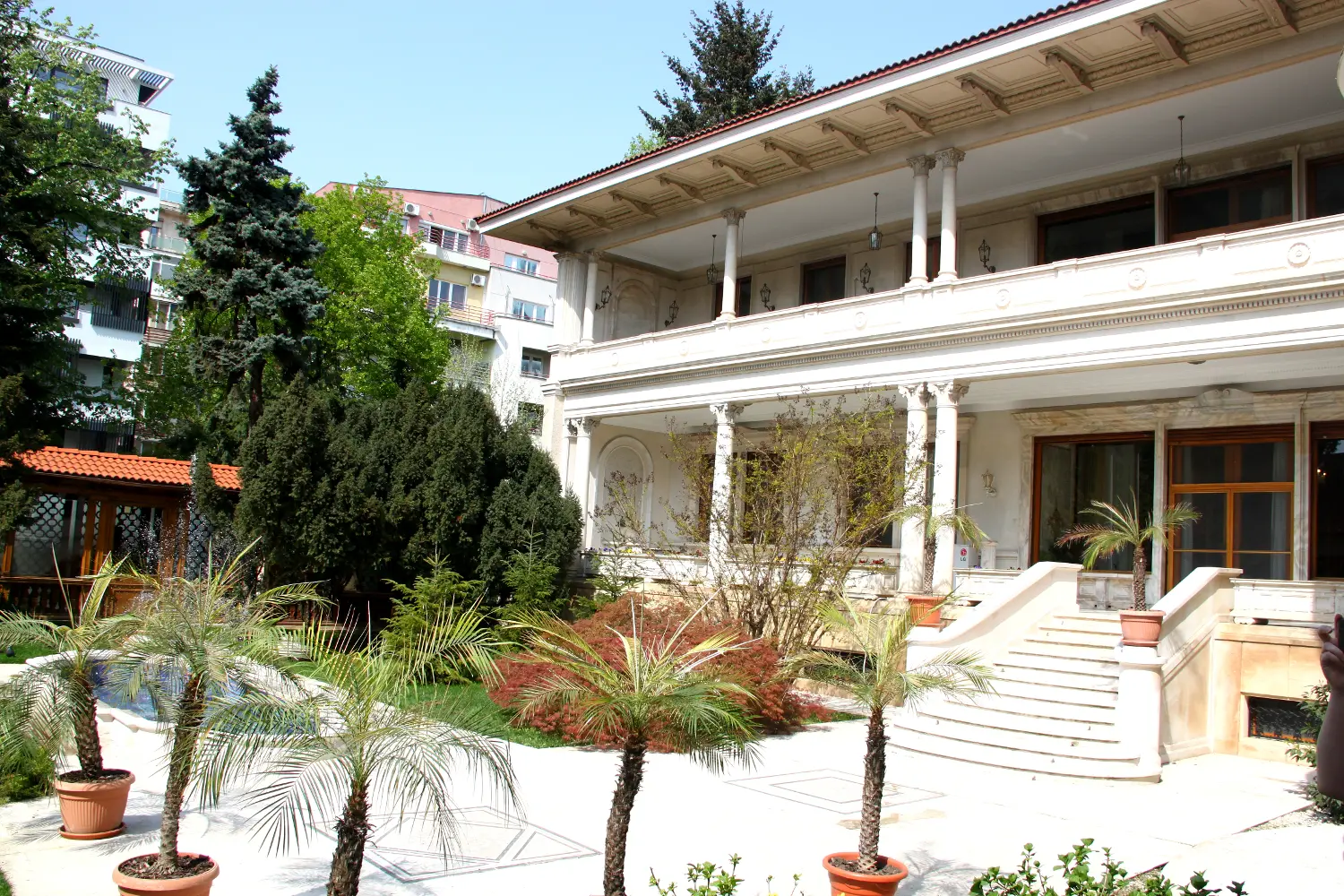
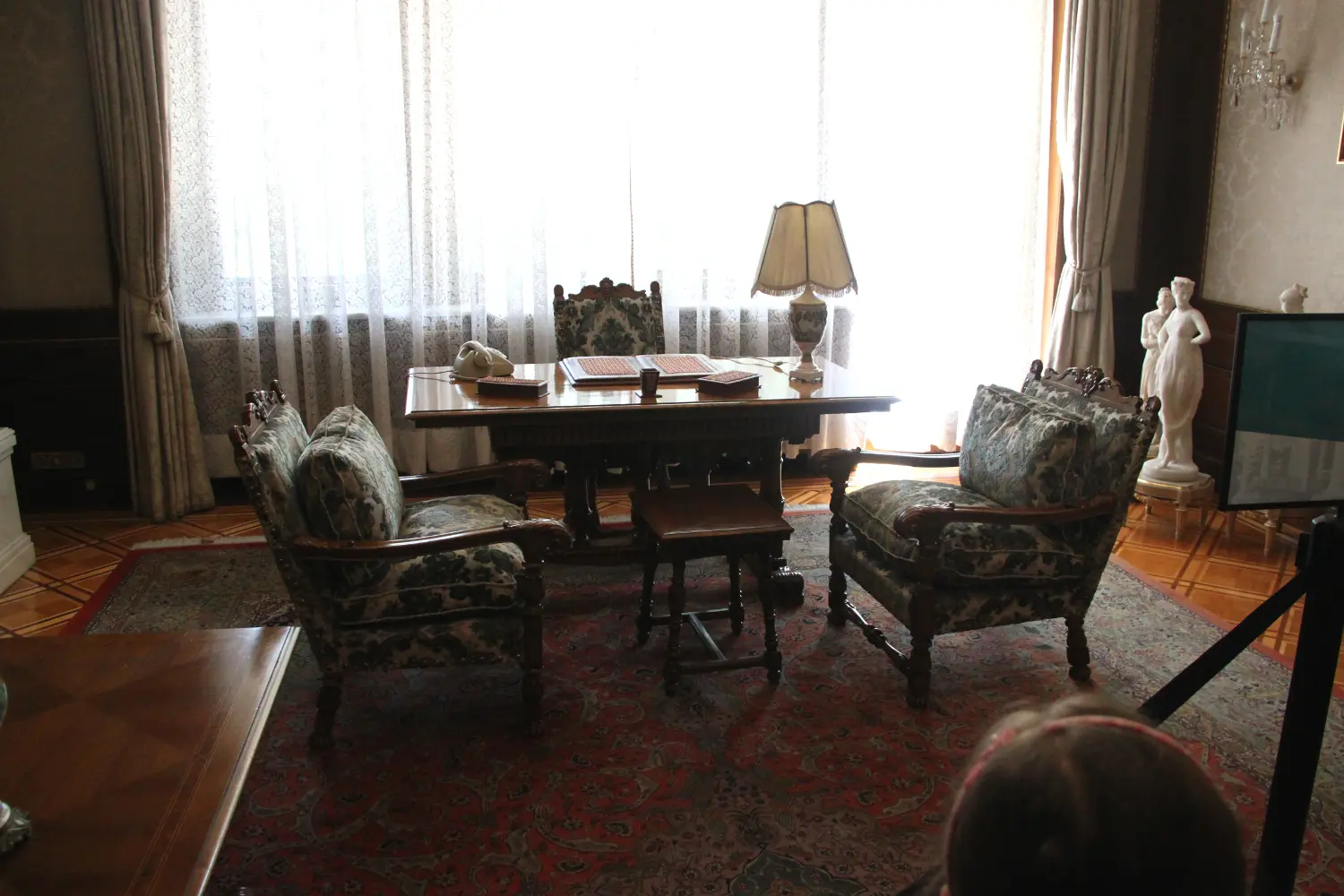
My visits also happened at a useful moment in the mansion’s history as a museum. Back then, visitors could take photographs as long as they didn’t use a flash. The interior photographs you see in this article are my own, taken during those earlier visits.
This has changed. When updating this guide, I was happy to see that the official Casa Ceaușescu website now has an English version – it didn’t when the museum first opened. But the current rules also state very clearly that photography and filming inside the mansion are prohibited. So you won’t be able to recreate these photos during a visit today.
And, although I’ve been here several times, I still think Ceaușescu Mansion is one of the most interesting museums in Bucharest for travelers who want to see something beyond the city’s most famous landmarks.
What Is Ceaușescu Mansion – And Why Is It Also Called Spring Palace?
Ceaușescu Mansion was the private residence of Nicolae Ceaușescu, Elena Ceaușescu, and their children, Nicu, Zoia, and Valentin, from 1965 until 1989.
You may encounter several names for exactly the same place:
- Ceaușescu Mansion
- Casa Ceaușescu
- Spring Palace
- Palatul Primăverii
Palatul Primăverii means Spring Palace in Romanian, while Casa Ceaușescu (Ceaușescu Mansion – though House is the literal translation for Casa, but it is a bigger house, a mansion) is the name used by the museum today.
The residence was built in the mid-1960s and enlarged between 1970 and 1972. Architect Aron Grimberg-Solari designed the project, while Robert Woll handled the interiors, furniture, and landscaping. Native and exotic woods, marble, mosaics, tapestries, paintings and custom furniture appear throughout the house.
One distinction is important before you visit: Ceaușescu Mansion is not the Palace of Parliament. They are two completely different attractions in different parts of Bucharest.
The Palace of Parliament was conceived as a monumental administrative building. Ceaușescu Mansion was the family’s home..
What You Actually See Inside Ceaușescu Mansion
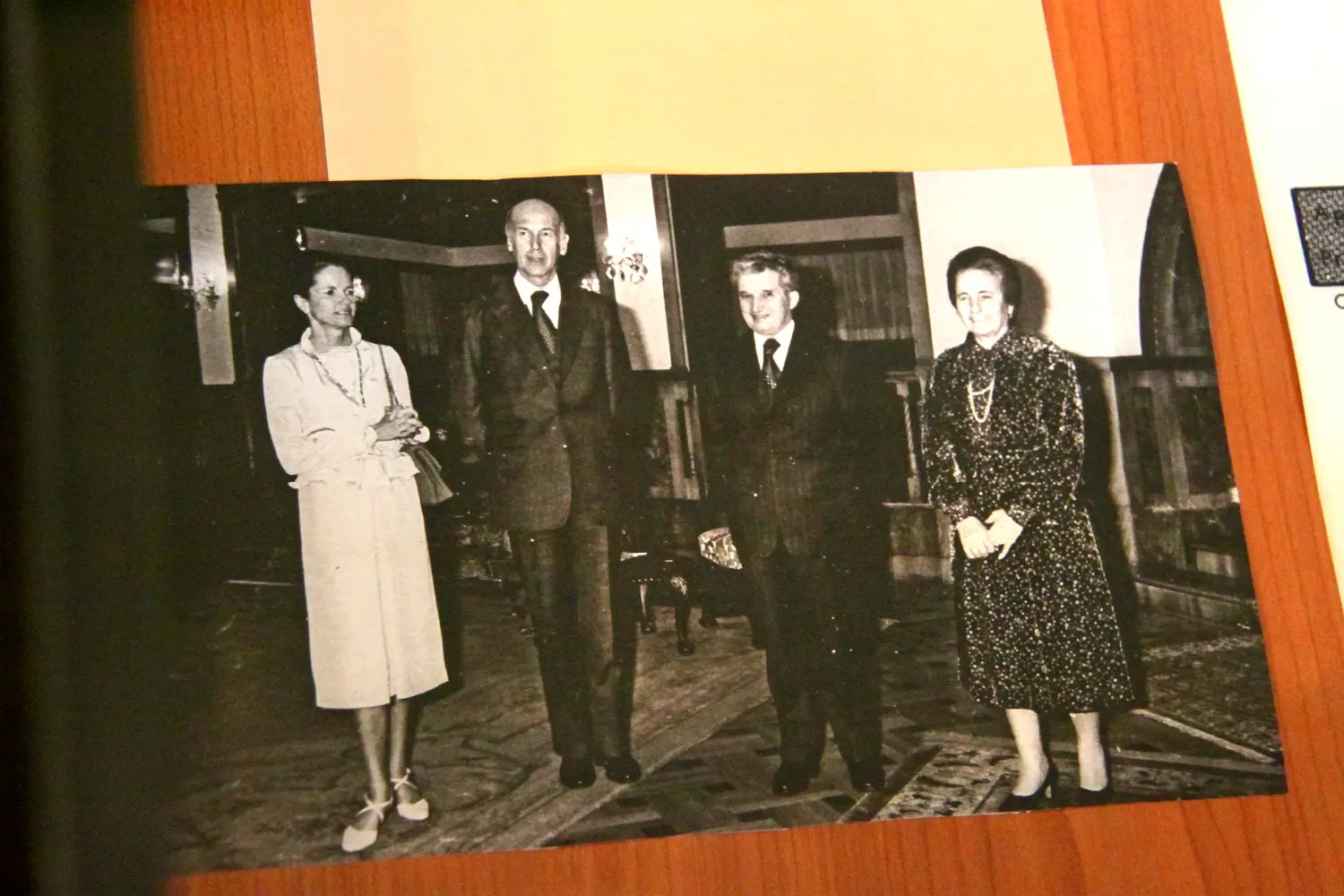
Having taken both Romanian- and English-language tours, I don’t remember major differences between them beyond the language itself. Both provide background about Ceaușescu, his family, the political period, and the residence. Individual guides may emphasize different details or anecdotes – I remember, for example, that the secret door wasn’t mentioned on every visit – but the focus remains the house.
And this is worth emphasizing for foreign visitors: Ceaușescu Mansion is NOT a museum of communism.
You will hear historical and political context during the tour, including information about Ceaușescu and the period in which he ruled Romania. But you shouldn’t book a visit expecting a comprehensive course on Romanian communism or an exhibition explaining everyday life under the regime.
You are visiting Ceaușescu’s home.
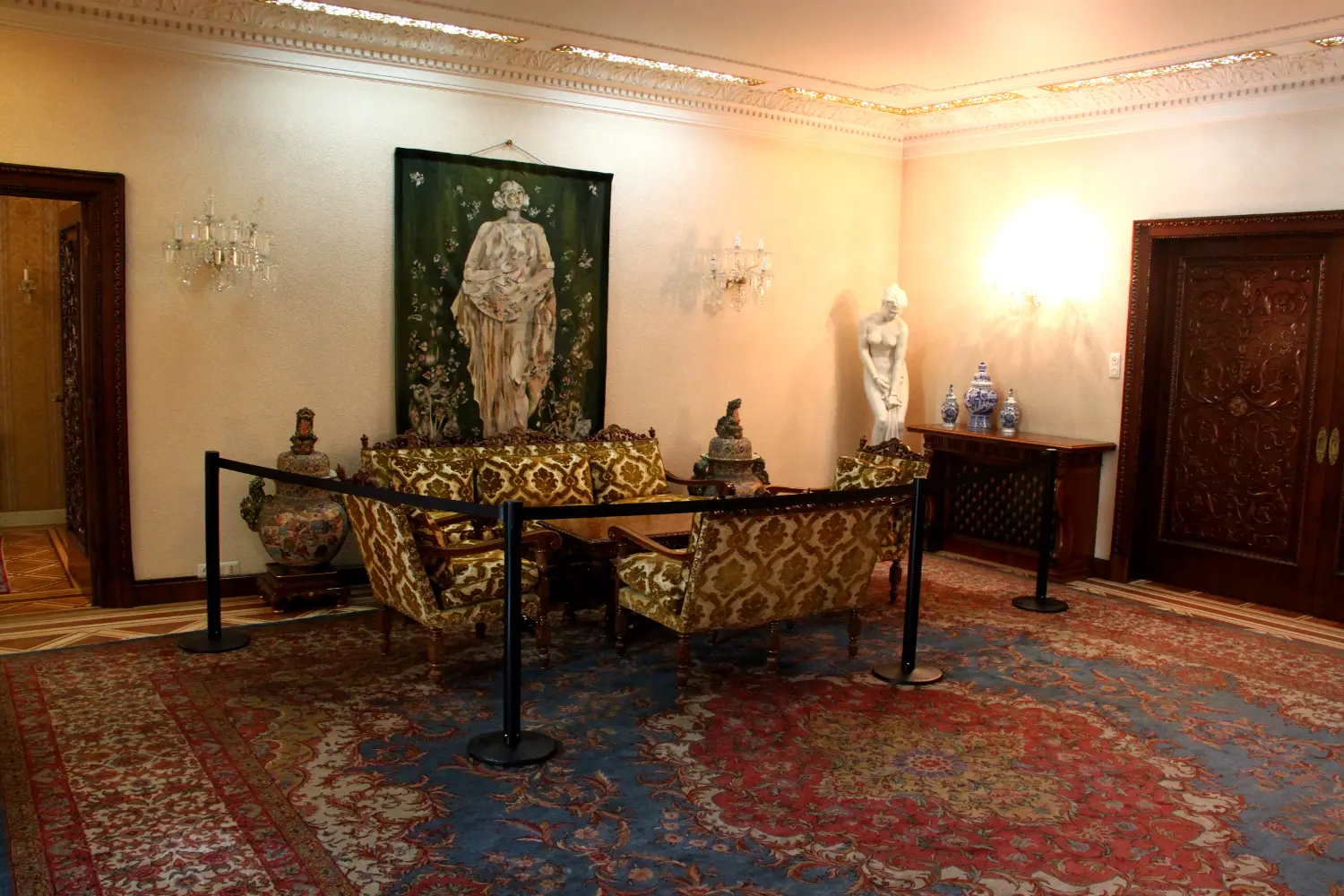
The tour focuses on the house, the family who lived here, their private and official spaces, furniture, artwork, gifts, lifestyle, political meetings (you will have some surprises here), and stories tied to particular rooms and objects.
That’s actually one of the reasons I find it interesting. Instead of approaching Ceaușescu only through dates and political events, you are walking through the rooms where he lived.
The Reception Rooms and Ceaușescu’s Office
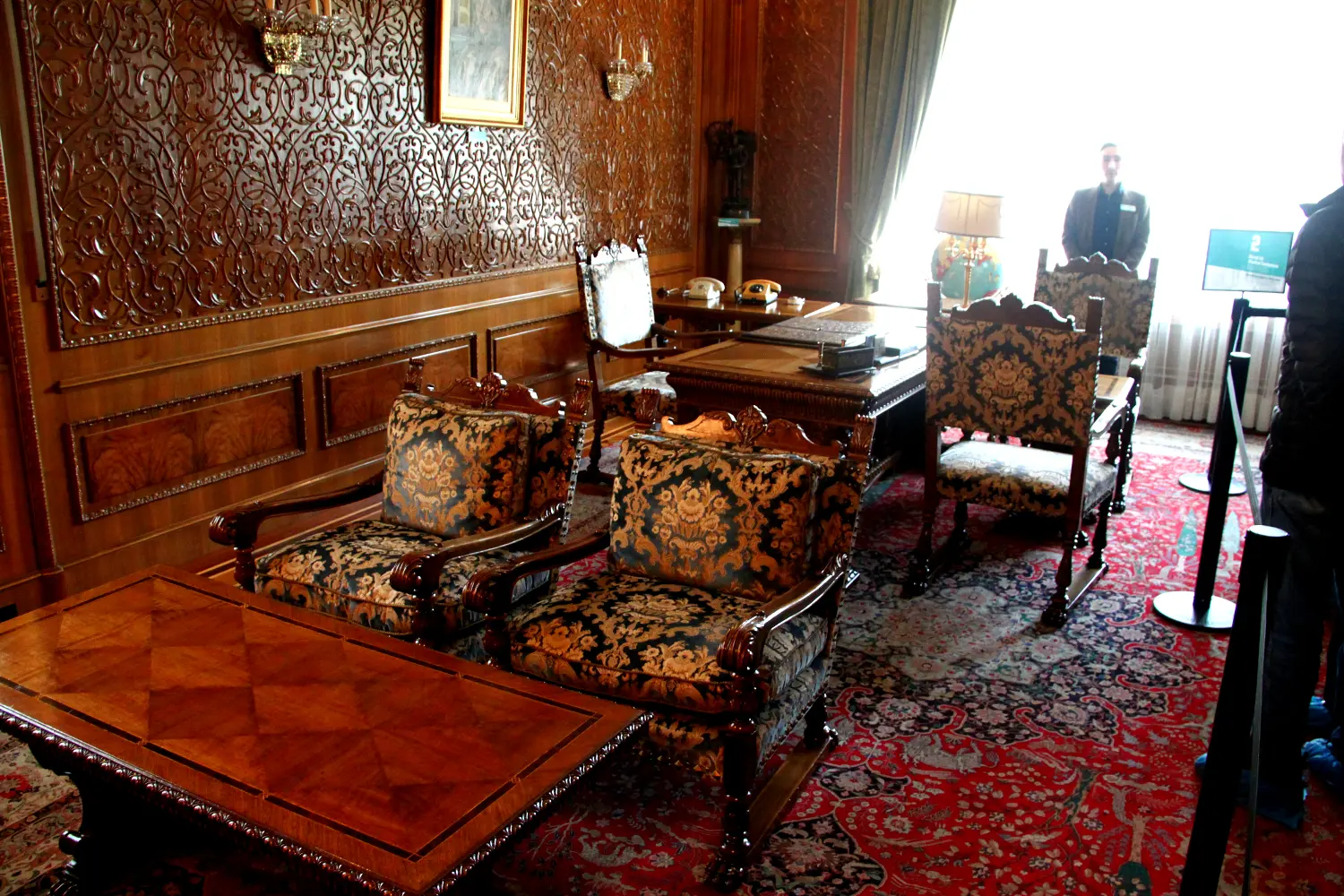
From the beginning, you see that this wasn’t designed as a modest residence.
Different types of wood appear throughout the mansion, including walnut, oak, cherry, and exotic woods. There is marble, custom furniture, paintings, tapestries, and decorative objects, yet individual rooms don’t all look the same.
Ceaușescu’s office immediately connects the house to his public role. The tour isn’t limited to bedrooms and private family areas. Some rooms were used for meetings and official discussions, so the line between private residence and political space was never absolute.
Pay attention to what is displayed on desks, shelves, and in showcases rather than only the size of the rooms. Some of the stories attached to individual objects are more interesting than the object itself.
The Family’s Private Rooms
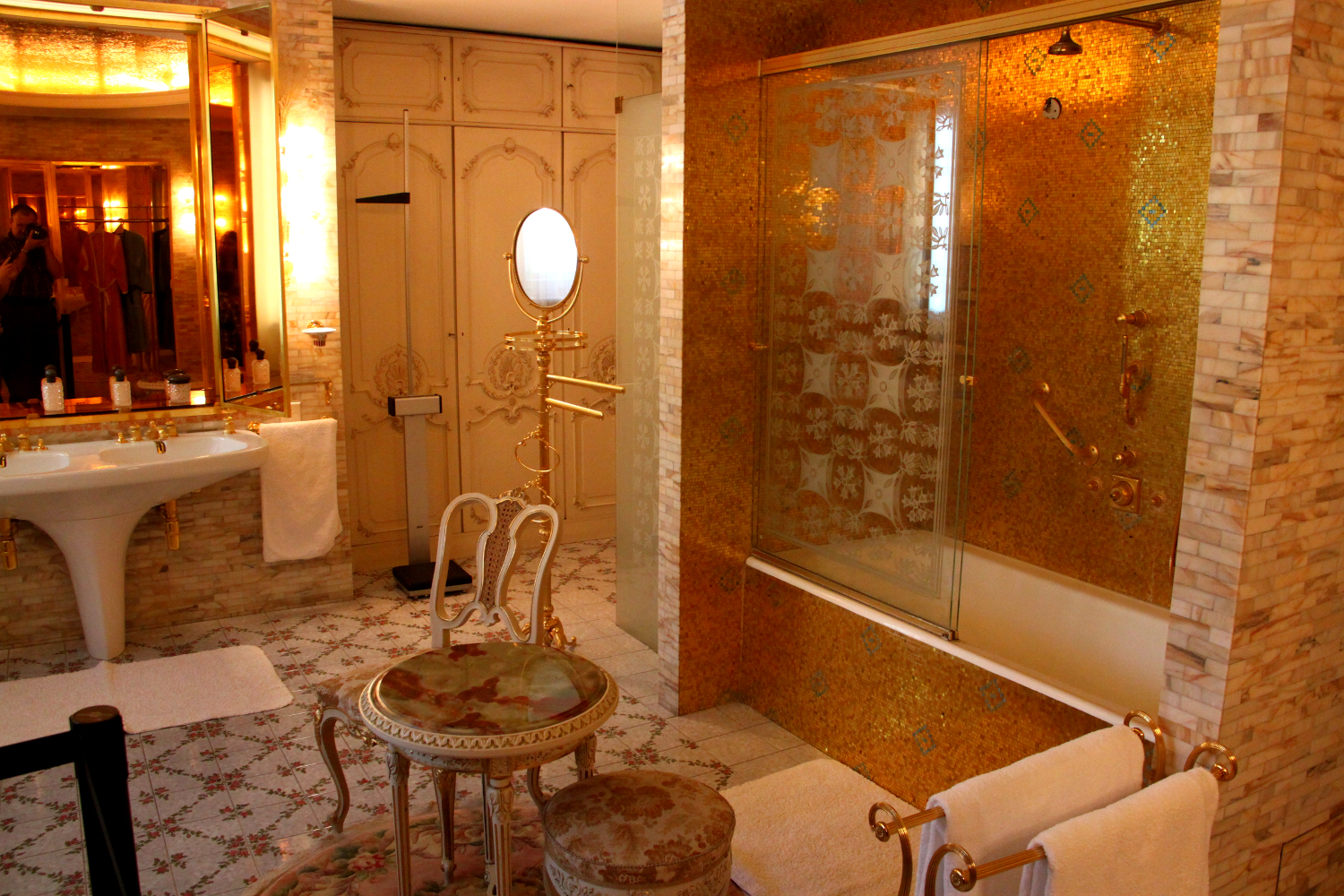
You will also see the bathroom.
There will be details from the guide about the gold used, as it is a story that is circulating that the bathroom was made of gold. You will learn what is fact and what is myth.
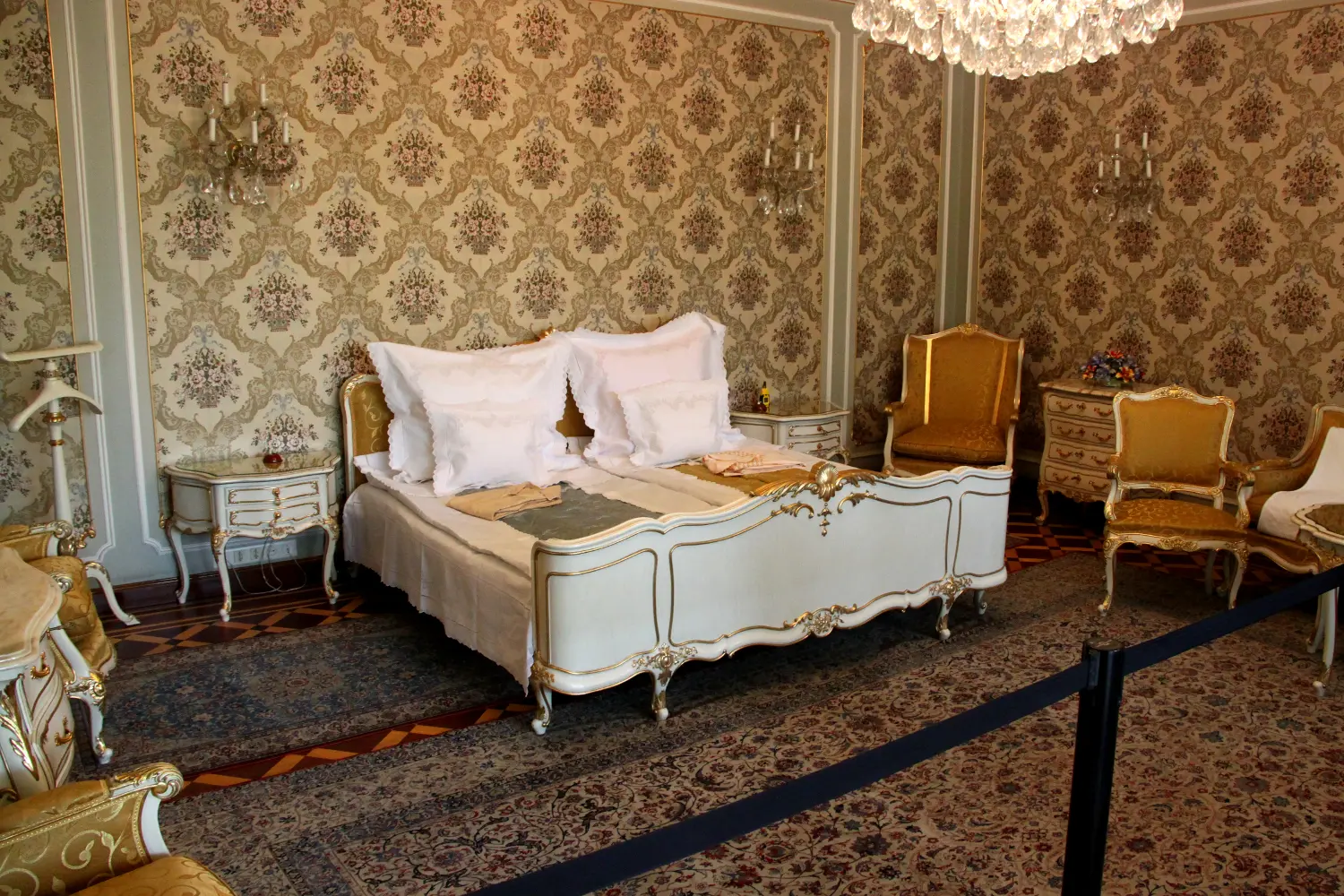
You also visit private areas connected to Nicolae and Elena Ceaușescu and their children.
One thing I liked about the tour was seeing how different the rooms could be. You’re not walking through a sequence of identical ceremonial halls. Bedrooms, offices, dressing areas, bathrooms, and sitting rooms reveal different tastes and uses.
Rooms (basically apartments) associated with Nicu, Zoia, and Valentin Ceaușescu also reinforce that this was genuinely a family residence, not simply another government building decorated for official receptions.
Each child had an office, a bedroom, and a bathroom.
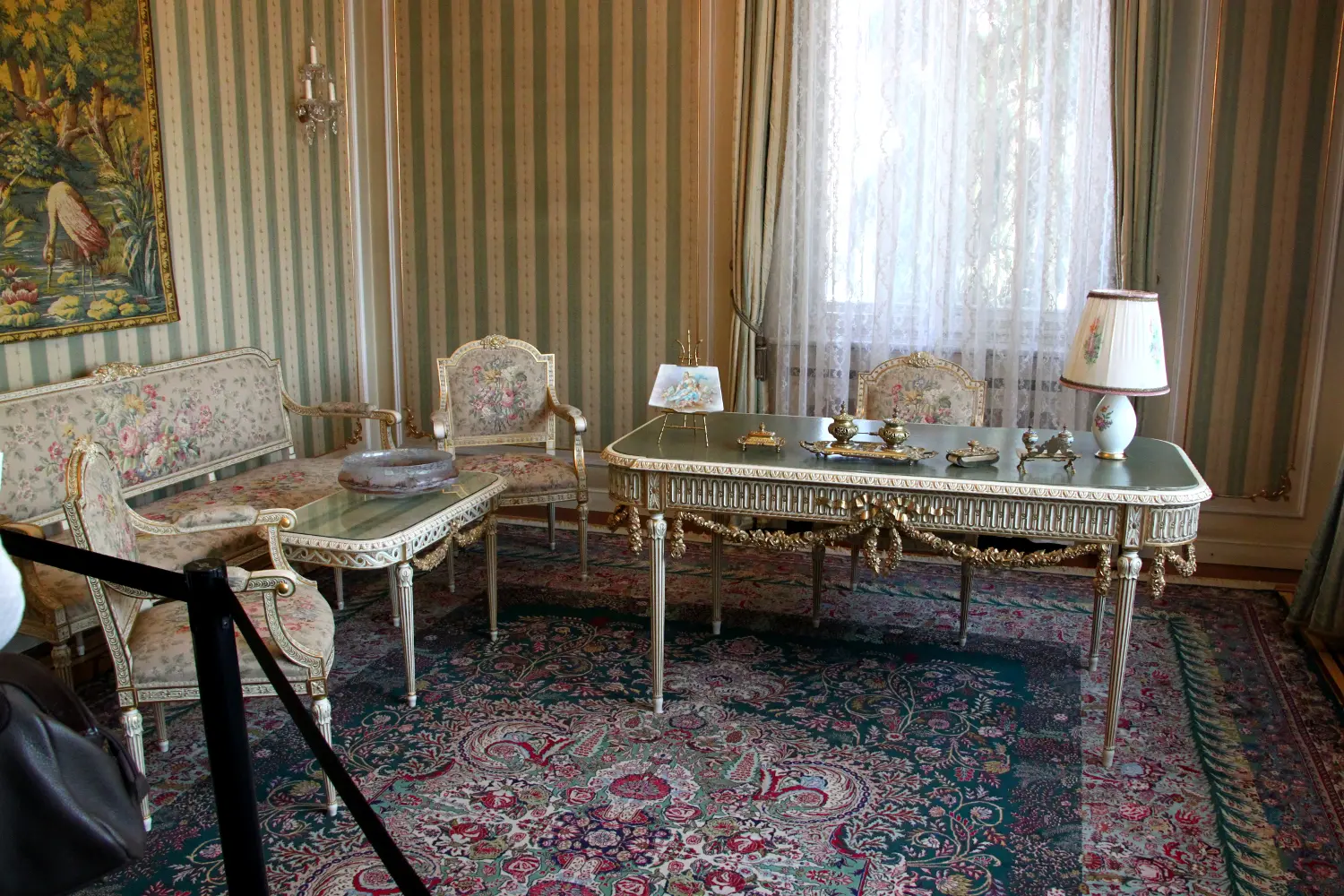
A Sofa for the Dogs
One detail I still remember from my first visit wasn’t an expensive piece of art or an elaborate mosaic.
It was a sofa for the dogs.
Nicolae and Elena Ceaușescu had two black Labrador retrievers, and our guide explained that a separate couch in their bedroom was for the dogs to sleep on. Another sofa sat elsewhere in the residence.
It’s a tiny detail compared with everything else in the mansion, but it’s precisely the type of detail that makes a guided tour more memorable.
The Winter Garden
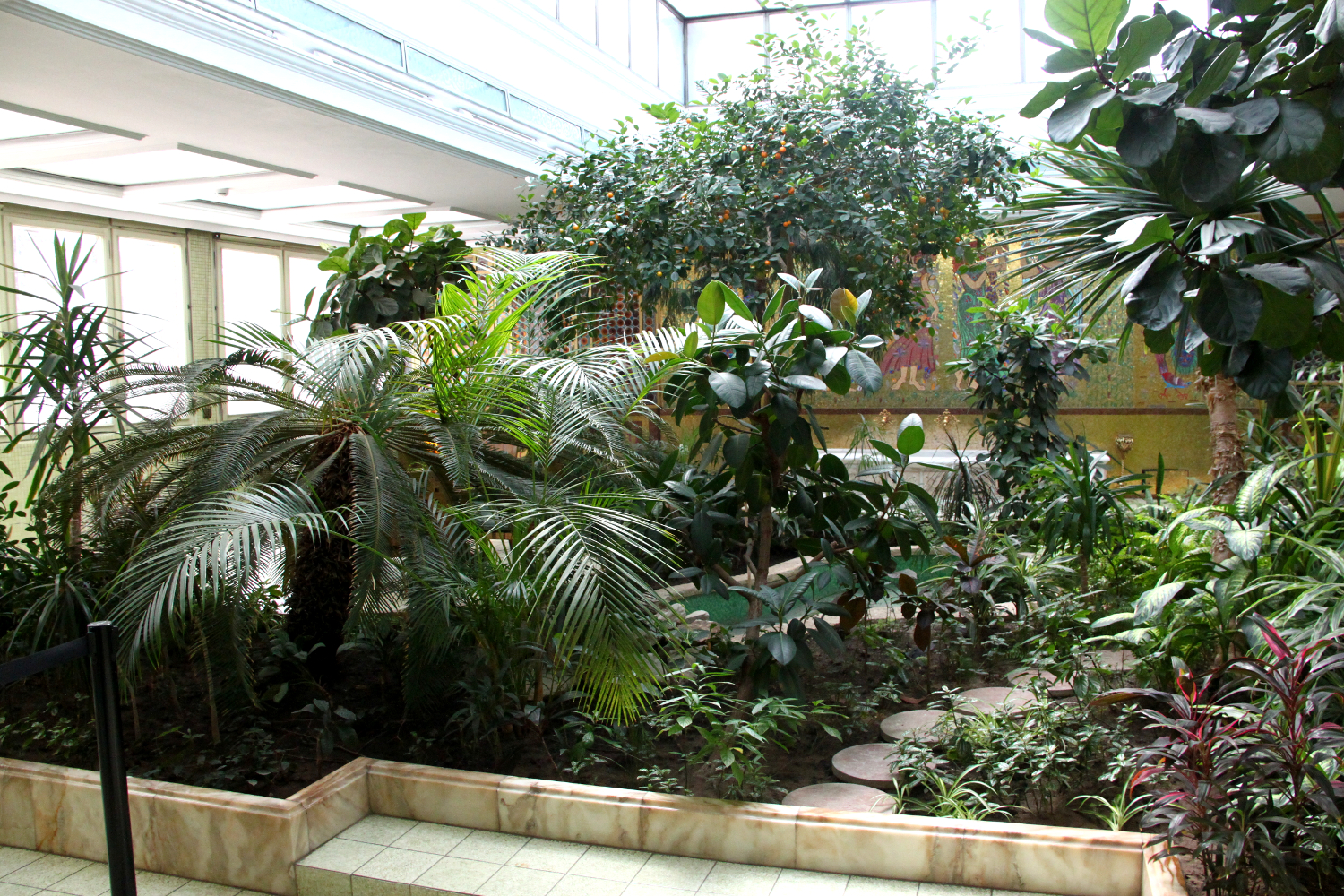
The winter garden changes the atmosphere again. After bedrooms, offices, hallways, and formal spaces, you’re suddenly surrounded by plants and a much more relaxed interior environment. It is one of several parts of the house that helps explain why the word “palace” became attached to what was technically a private residence.
The Spa and Leisure Areas
The residence included spaces for leisure and personal care, adding another layer to the visit. They are among the rooms that tend to trigger the inevitable comparison between life inside this property and life outside it during the same period.
For foreign visitors, the contrast can be something learned through history. For Romanians old enough to remember the communist period, it can feel different. We have our own memories of shortages and restrictions, so seeing the comfort and luxury inside this house comes with another point of reference.
I experienced part of that period myself, so I can’t look at the residence only as a beautifully decorated historic house.
Younger Romanian visitors don’t necessarily have that firsthand experience either. More than three decades have passed since the December 1989 Revolution, which means an increasing number of local visitors know that period only through their families, school, books, documentaries, and museums.
The Indoor Swimming Pool and Its Mosaics
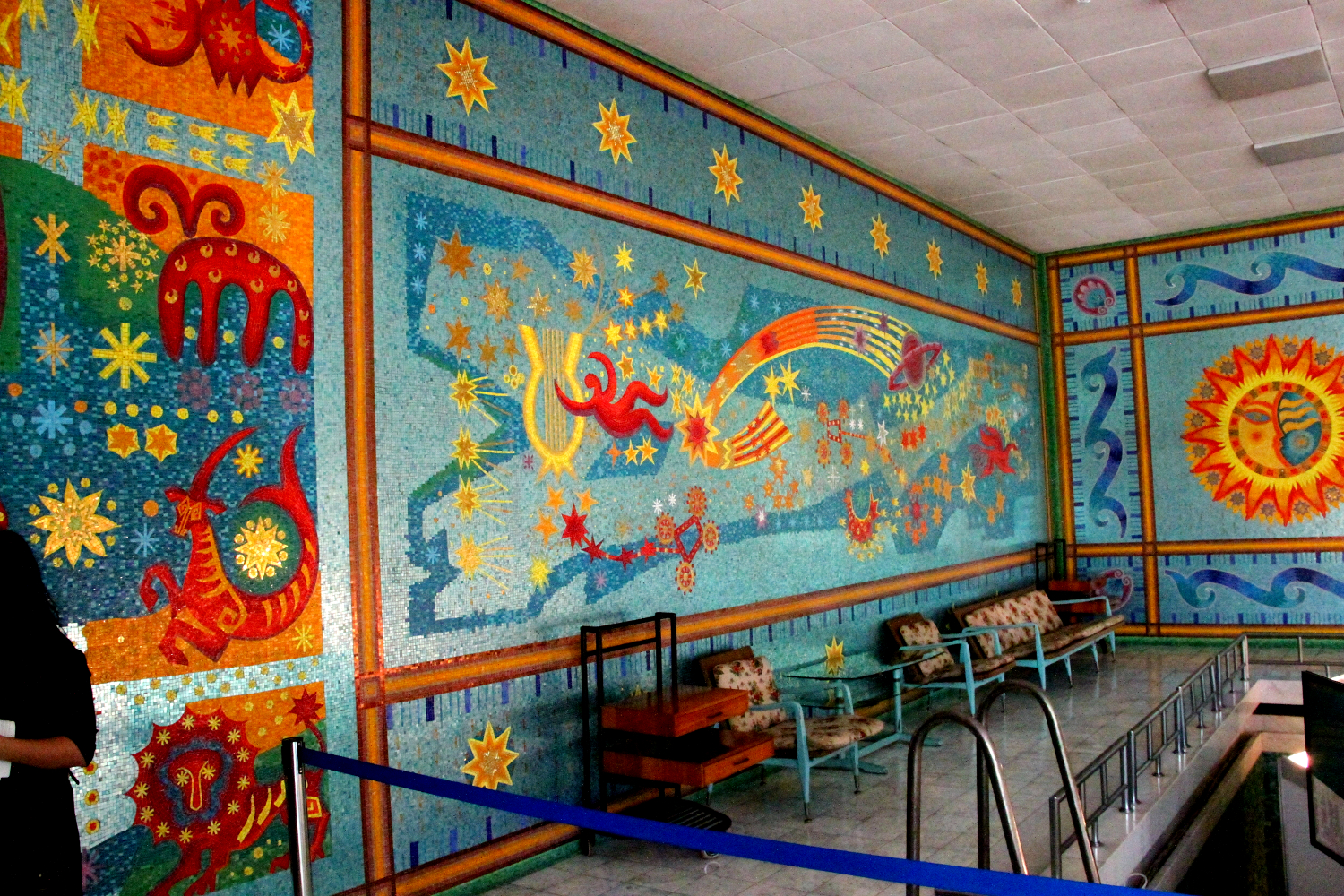
The indoor swimming pool is probably one of the spaces you’ll remember longest. It’s not simply a pool inserted into a large room. The decoration surrounding it turns the entire space into something much more elaborate, with mosaics covering large surfaces.
Artists Olga Porumbaru and Florin Pârvulescu created mosaics for the mansion, and you will see mosaic work in several areas of the residence.
This is one of those rooms where photographs struggle to reproduce the experience of standing inside it. Fortunately, I was able to photograph it when that was still permitted, so I’ll include those images throughout this section.
The Private Cinema
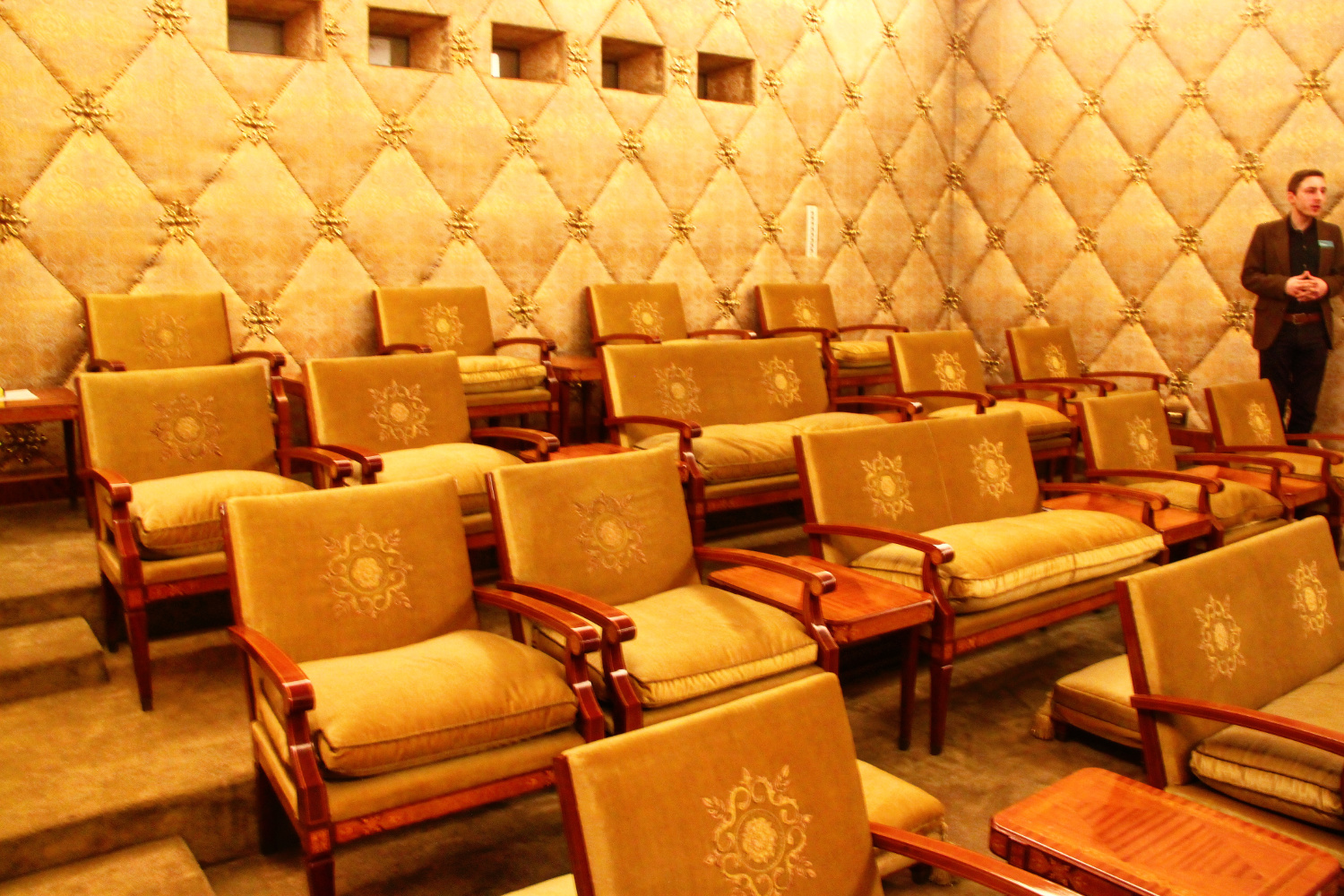
The family even had a private cinema. On my tour, one anecdote that stayed with me was that Ceaușescu liked Western movies and watched them here.
The cinema isn’t enormous, and perhaps that makes it more interesting.
The Dining Rooms – And the Table They Actually Used
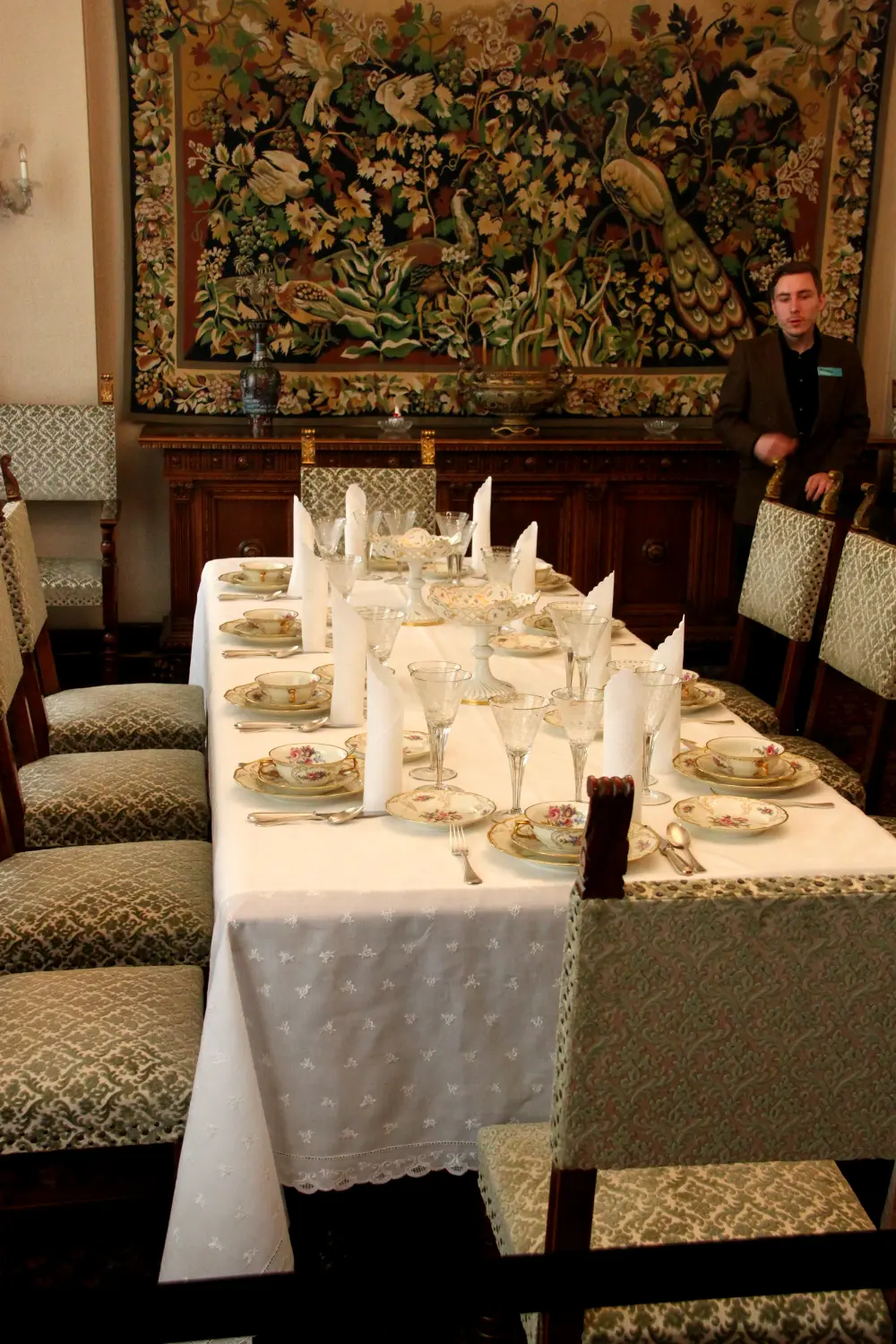
Formal dining spaces are easy to admire because of their furniture and decorative objects, but I was more interested in learning which spaces the family actually used in everyday life.
On one visit, the guide pointed out the smaller table where the family normally ate. Details like this help separate rooms designed to receive or impress guests from spaces tied to daily routines.
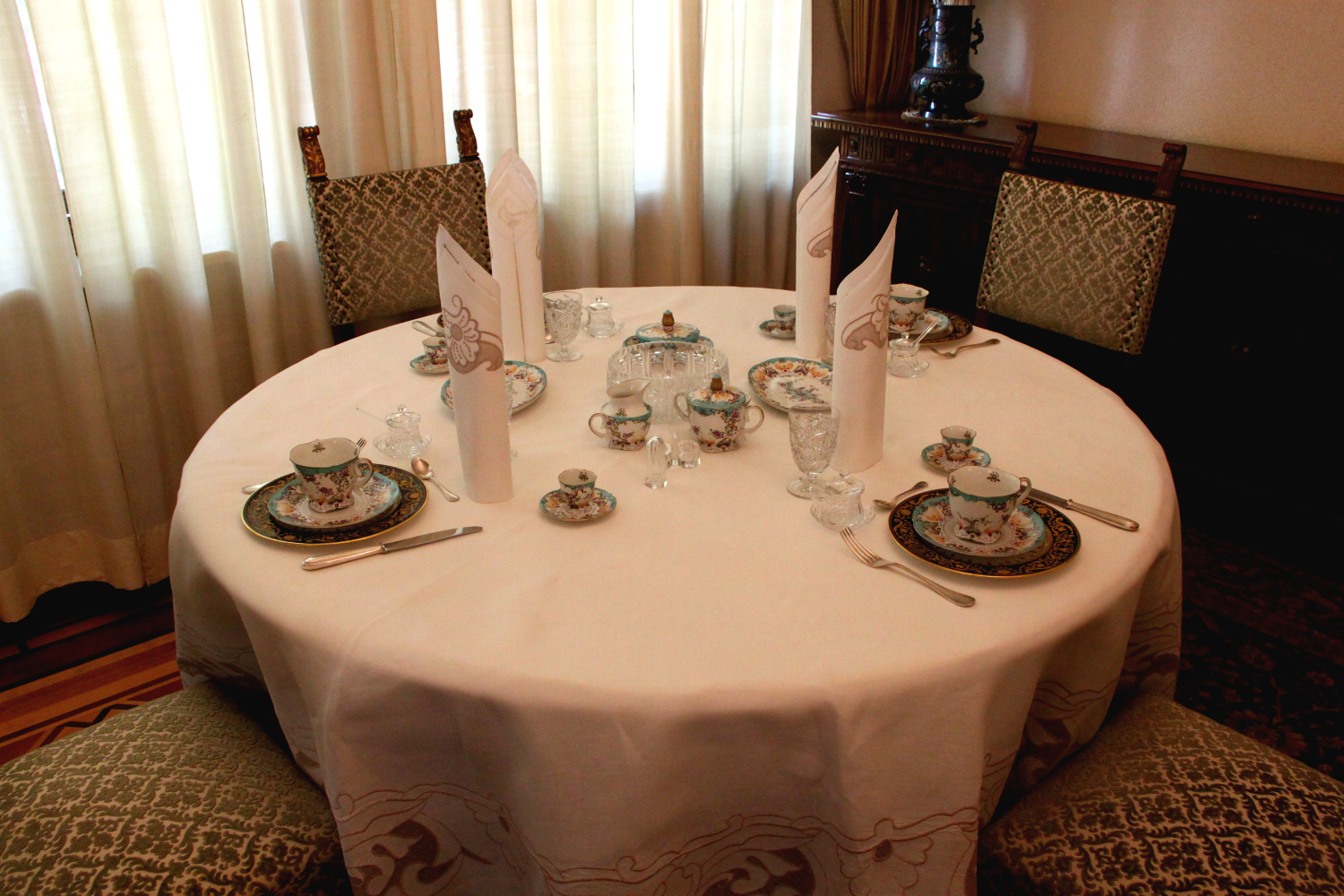
Look at the decorative objects too. Some were purchased, while others were gifts, and the stories behind those gifts can lead into the international relationships surrounding Ceaușescu during his years in power.
The Wine Cellar, Fountains and Smaller Surprises
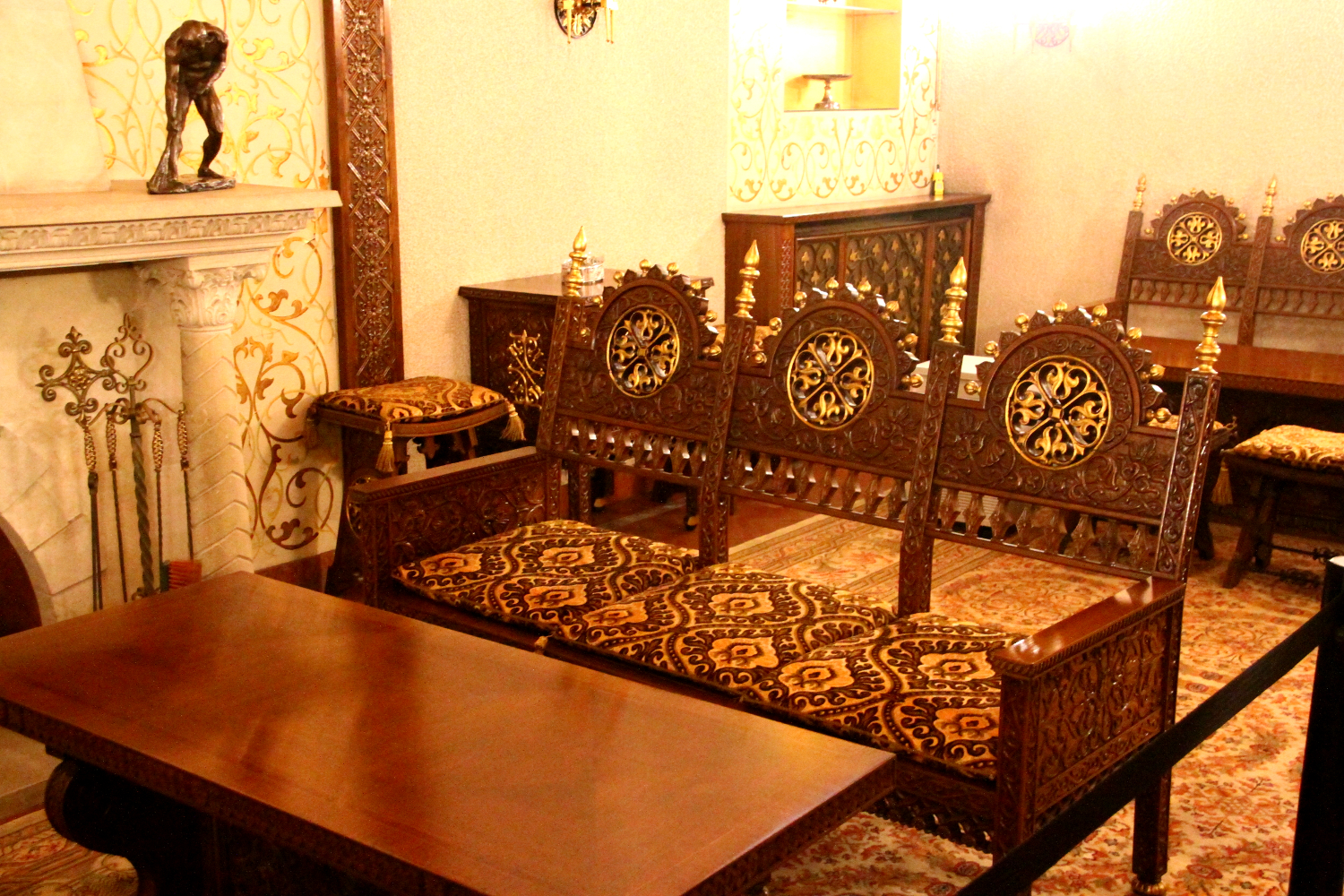
It’s easy to focus only on the famous rooms, but the house contains plenty of smaller details – including a wine cellar, decorative fountains, unusual woodwork, and ornamental elements that appear in different forms from room to room.
I always recommend listening closely to the guide here. The structure itself is interesting, but many of the best moments come when someone explains why a particular object is there.
The Terrace Inspired by Fidel Castro’s
One story I remember hearing on the tour involved Fidel Castro. Our guide told us that Ceaușescu liked Castro’s terrace and wanted something similar incorporated into his own residence.
Whether you’re interested in architecture, politics, or simply the habits of powerful people, these little connections make the mansion much more than a sequence of decorated rooms.
The Garden and the Peacocks
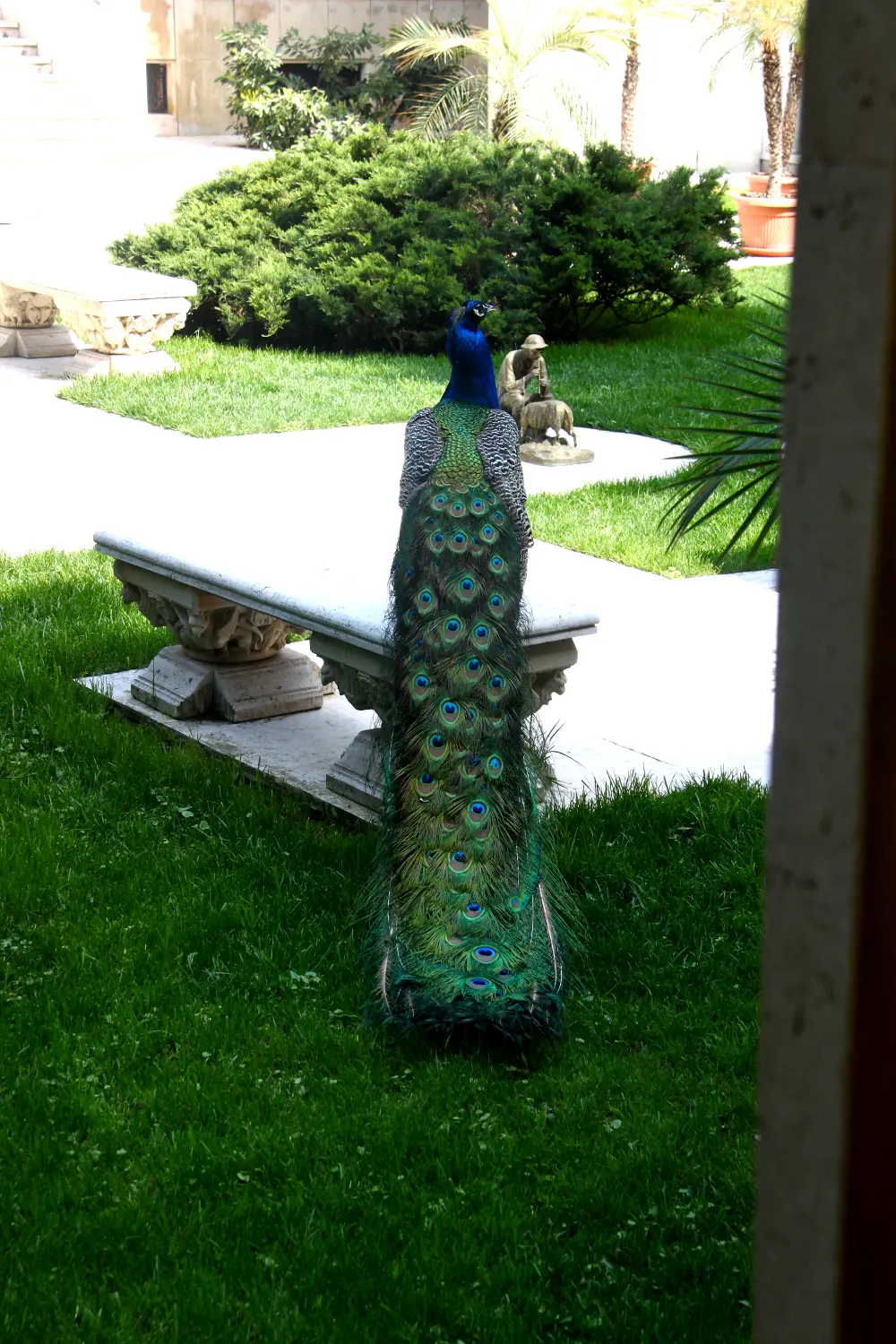
And then there are the peacocks. Or at least they were when we visited (during the summer, that is).
I certainly didn’t expect live peacocks to become one of my memories of visiting Ceaușescu’s former home, but they did.
Peacocks appear as decorative motifs inside the mansion too. During my visit, we were told that Ceaușescu became interested in them after seeing peacocks during a trip to Japan.
The Stories Behind the Objects Are One of the Best Parts of the Tour
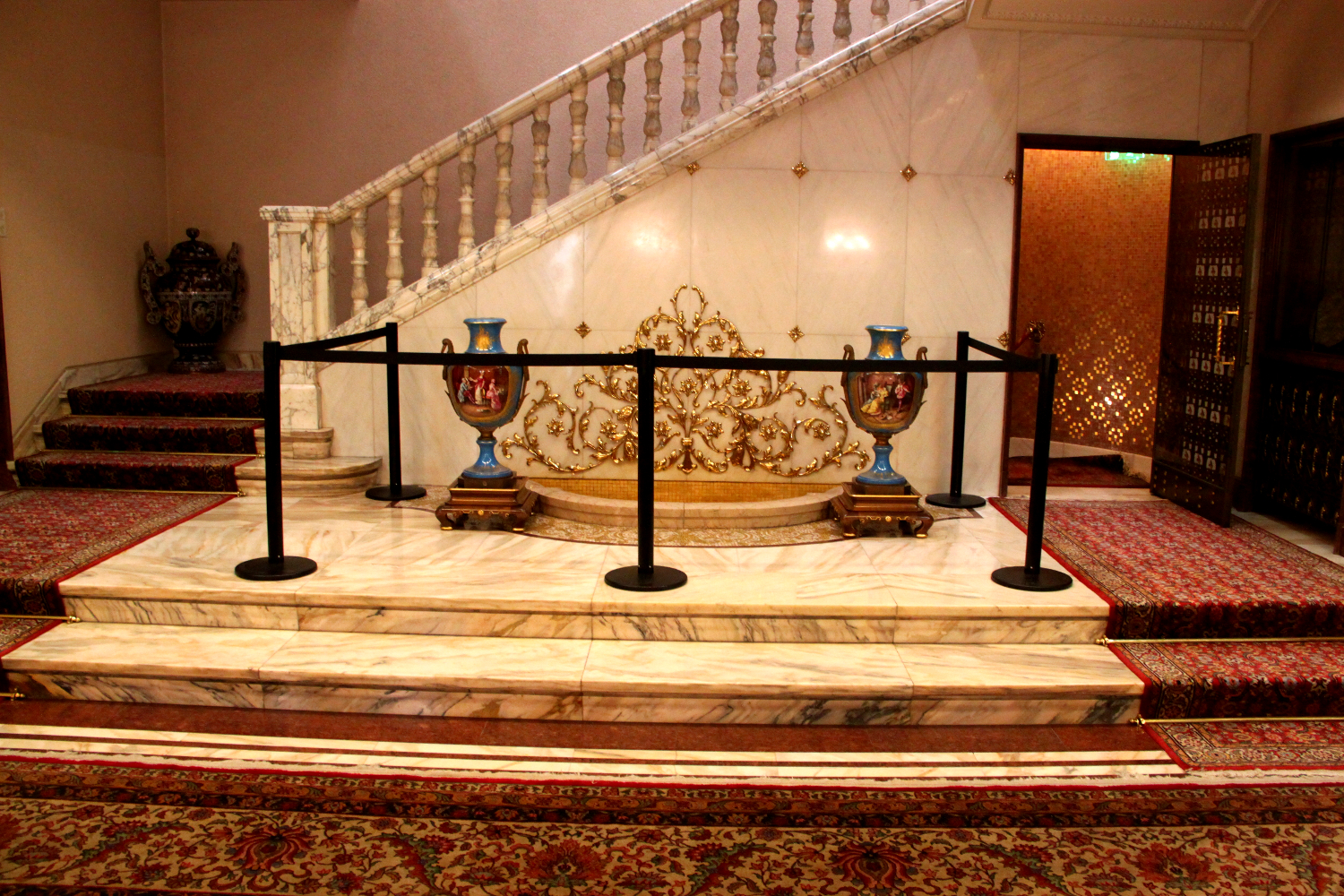
If you would simply walk through Ceaușescu Mansion without anyone explaining what you were looking at, you would still see an impressive house.
But you would miss much of what makes the visit worthwhile.
Across my visits to Casa Ceaușescu (Ceaușescu Mansion), both Romanian and international visitors seemed most engaged when the guide moved beyond “this is a room, this is a chair” and explained the story attached to something. Note: there are only guided tours – but pay attention to the stories – I know I said this already a few times in the article, but the information is really valuable and interesting.
A gift may lead to a story about the person who gave it – there are quite a few and all tied to important political personalities and international context. A chandelier can lead to another country and then back to a Romanian factory. A decorative motif might tell you something about Ceaușescu’s preferences. A seemingly unimportant piece of furniture can suddenly become memorable once you know who used it and why.
The Chandeliers Aren’t All the Same
Look up while you’re walking through the rooms. Yes, I know how this sounds, but I paid more attention to this detail starting my second trip – so I am offering this as a tip to you, especially as you will, most likely, visit only once.
The chandeliers differ considerably, and one story I heard during my early visits was that Ceaușescu saw a chandelier he liked abroad and later had Romanian craftsmen produce chandeliers for the residence.
Look for the Secret Door
Yes, there is a secret door.
I won’t explain exactly where it is because discovering details like this is part of the fun of visiting. I won’t explain exactly where it is because discovering details like this is part of the fun of visiting.
Gifts Tell Their Own Stories
Ceaușescu met political leaders from many parts of the world, and the residence contains objects and gifts connected with those relationships.
I found these stories interesting on every visit because they add context that you can’t get by simply looking at an expensive vase, a decorative object or a piece of furniture.
One Thing to Know Before Visiting: This Is Not a Museum of Communism
I want to return to this point because I think it’s important when deciding whether Ceaușescu Mansion belongs on your Bucharest itinerary.
If you want a museum that systematically explains Romanian communism – its political structure, censorship, shortages, surveillance, restrictions, prisons, propaganda, daily life, and the events that eventually led to the Revolution – this visit won’t give you a complete overview of all of that.
Historical context is part of the guided tour, of course. It would be impossible to explain this house without talking about Ceaușescu and the political system in which he ruled.
But the museum focuses on Ceaușescu’s residence and the people who lived there.
Expect to learn about the family, their lifestyle, rooms and possessions, gifts, meetings, preferences, habits and stories connected with this particular property.
For me, that narrower focus is a strength. You can visit other places in Bucharest for a broader look at Romanian history, while this house gives you access to something much more specific.
Ceaușescu Mansion vs Palace of Parliament – Which Should You Visit?
Travelers sometimes confuse the two because both are associated with Nicolae Ceaușescu and Romania’s communist period.
But visiting them feels completely different.
| Ceaușescu Mansion | Palace of Parliament |
| Private family residence | Monumental administrative building |
| Primăverii neighborhood | Central Bucharest |
| Bedrooms, offices, cinema, pool, gardens and family spaces | Huge halls, staircases, galleries and official spaces |
| Personal perspective on Ceaușescu and his family | Shows the scale of Ceaușescu-era state ambition |
| Smaller and more intimate | Monumental in scale |
If you have time, I wouldn’t choose between them. I would visit both.
The Palace of Parliament helps you understand the extraordinary scale of the projects associated with Ceaușescu’s final years in power. The mansion shows you a far more private world.
If your time in Bucharest is limited and you prefer historic houses, personal stories, and interiors, I would choose Ceaușescu Mansion. If monumental architecture is what interests you most, the Palace of Parliament will probably make the bigger impression.
Is Ceaușescu Mansion Worth Visiting?
Yes, Casa Ceaușescu is worth visiting. I think it is.
I’ve visited around five times, and although most of those visits happened because we were accompanying foreign friends or colleagues, I never felt that I was simply repeating the same tourist stop.
Different guides brought different details into focus. Different people asked different questions. And I would notice something I hadn’t paid much attention to before.
I would especially recommend Ceaușescu Mansion if you are interested in:
- 20th-century European history;
- historic houses and interiors;
- Romanian history;
- architecture and decorative arts;
- political history;
- seeing a more personal side of a historical figure you may otherwise know only through major political events.
I also think it’s useful for travelers who have already visited some of the city’s monumental landmarks and want something different. Among Bucharest’s many places to visit, few offer this combination of a preserved private home and recent political history.
What to See Near Ceaușescu Mansion
The Ceaușescu Mansion (Casa Ceaușescu, also known as Spring Palace) is in the Primăverii neighborhood (Spring) in northern Bucharest, making it easy to pair with other attractions instead of traveling across the city after your tour.
King Michael I Park – Herăstrău Park
The large park, still known by its former name, Herăstrău, is nearby. It’s a good place for a walk before or after the tour, especially in spring, summer, and early autumn.
The Village Museum
The open-air Village Museum is one of my favorite museums in Bucharest and one I’ve visited many times. Traditional houses, churches and other structures from different regions of Romania have been relocated here, so it gives you a completely different perspective on the country from the one you get inside Ceaușescu Mansion (Spring Palace).
If you enjoy museums, combining the mansion with the Village Museum works very well.
Arc de Triumf
Bucharest’s Arc de Triumf is in the same general area and easy to add while exploring the area.
Zambaccian Art Museum
If art interests you more than parks, the Zambaccian Museum is another option in this part of Bucharest. It is significantly smaller than the city’s major museums, which can make it easier to combine with another attraction on the same day.
Ceaușescu Mansion Tickets and How to Book
This is where some older Bucharest guides – including articles I wrote years ago – are now outdated, because prices and procedures have changed considerably since the mansion first opened.
As of September 2026, the official ticket system lists the following prices:
| Ticket | Price |
| Romanian-language guided tour | 65 lei |
| English-language guided tour | 85 lei |
| Discounted Romanian tour | 55 lei |
| Discounted English tour | 70 lei |
| Romanian tour + “One History” documentary | 90 lei |
| English tour + “One History” documentary | 115 lei |
| Audio guide | 27 lei in addition to a tour ticket |
| Private tour | 295 lei per person |
Children under seven currently receive free admission. Reduced tickets are available for eligible students and retirees with supporting documents.
Prices can change, so check the official website before your trip rather than relying on an old screenshot or travel article.
Should You Book Ceaușescu Mansion in Advance?
I recommend it.
Visits take place in guided groups rather than as an open, self-guided museum visit, and each group is limited in size.
I wouldn’t tell you to book exactly 24 hours ahead because the current official information doesn’t state such a rule. If spaces remain available, you may find a suitable tour closer to your visit.
But if you have only one day in Bucharest, need an English tour or have a tightly planned itinerary, I wouldn’t leave it to chance.
Ceaușescu Mansion Opening Hours and Tour Duration
Ceaușescu Mansion is currently open:
- Tuesday-Sunday: 10:00 AM-5:00 PM
- Monday: closed
- Romanian public holidays: closed
The standard guided tour lasts approximately 45 minutes.
The optional “One History” documentary lasts another 25 minutes, so allow additional time if you choose a ticket that includes it.
I recommend avoiding another ticketed attraction scheduled exactly 45 minutes after your start time. You need time to arrive, enter, and continue to your next stop after the tour.
English Tours and Other Languages
Guided tours are currently available in Romanian and English.
The museum also offers audio guides in French, Spanish, Italian and German. An audio guide is used together with a guided-tour ticket rather than replacing the museum tour.
I’ve taken both Romanian- and English-language guided tours. I didn’t find the scope dramatically different. Both included information about the house, Ceaușescu and his family, and relevant historical context.
Individual guides can naturally choose different anecdotes or emphasize different objects, which is one reason my visits weren’t completely identical.
Important Rules to Know Before You Visit
Photography and Filming Are Currently Prohibited
This is the biggest change compared with my own visits.
When the mansion first opened, I could take photographs without flash. The current rules prohibit both photography and filming inside.
I took all interior photos in this article during earlier visits, when photography was permitted.
You Visit With a Guide
Ceaușescu Mansion isn’t a museum where you buy a ticket and wander through the rooms independently.
Visits take place with a guide, so choose your language and timeslot accordingly.
Baby Strollers Aren’t Allowed on the Tour
If you’re visiting Bucharest with a baby or very young child, plan for this before arriving. The current rules don’t permit baby strollers on the tour.
Wheelchair Access Is Currently Not Possible
The museum states that wheelchair access is currently not possible because of the building’s configuration.
If mobility is an issue for you or someone traveling with you, I would contact the museum before buying tickets to discuss your specific needs.
Large Groups Have Separate Booking Requirements
Groups larger than ten people need both an online booking and a telephone reservation. The museum limits visiting groups to a maximum of 25 people.
How to Get to Ceaușescu Mansion
Address: Bulevardul Primăverii 50, Bucharest.
The easiest public-transport option for many visitors is the metro.
Aviatorilor on Bucharest Metro Line M2 is the nearest subway station. From there, you can continue on foot through the Primăverii area.
The museum also lists several bus routes serving the Charles de Gaulle Square area, including 131, 282, 301, 330, 331 and 335.
Taxi and rideshare services are another simple option, especially if you’re coming directly from another attraction outside northern Bucharest.
Ceaușescu Mansion Quick Facts
- Current name: Casa Ceaușescu / Ceaușescu Mansion
- Also called: Spring Palace / Palatul Primăverii
- Address: Bulevardul Primăverii 50, Bucharest
- Nearest metro: Aviatorilor
- Open: Tuesday-Sunday, 10:00 AM-5:00 PM
- Closed: Mondays and Romanian public holidays
- Visit type: Guided
- Standard tour duration: approximately 45 minutes
- English guided tours: Yes
- Photography inside: Currently prohibited
- Filming inside: Currently prohibited
- Baby strollers: Not allowed on the tour
- Wheelchair access: Currently unavailable because of the building configuration
- Information checked: September 2026
A Short History of Ceaușescu Mansion
The house was built in the mid-1960s and served as the private residence of Nicolae and Elena Ceaușescu and their three children from 1965 until 1989.
It was enlarged between 1970 and 1972 and incorporated both private family areas and spaces suitable for official meetings and entertaining guests.
Although the mansion is luxurious, I think reducing the entire visit to “look how rich Ceaușescu was” misses much of what makes it interesting.
The rooms show the intersection between private life and political power. You see family bedrooms and personal objects, but also spaces where meetings took place, gifts connected with international relationships and artwork and furnishings chosen for a residence occupied by Romania’s head of state.
Nicolae Ceaușescu led Romania from 1965 until the Romanian Revolution in December 1989. He and Elena Ceaușescu left Bucharest during the Revolution and were executed on December 25, 1989.
The mansion remained closed to regular visitors for decades before finally opening to the public in 2016.
You can see more photos in my article from my older blog here.
My Tips for Visiting Ceaușescu Mansion
- Book your English tour ahead if your schedule isn’t flexible. Tour spots are limited, and it isn’t worth rearranging your entire day because the time you want is full.
- Don’t expect a museum about communism. Go because you want to see Ceaușescu’s home and learn about his family, lifestyle, possessions, and the stories connected to the residence.
- Listen to the anecdotes. Some of the smallest stories – about a gift, a chandelier or even the dogs – are easier to remember than the grandest rooms.
- Look at the details. Woods, mosaics, furniture, chandeliers, decorative motifs and gifts vary throughout the house.
- Don’t arrive expecting to take interior photos. The rule has changed since my visits, and photography and filming are currently forbidden.
- Give yourself more than exactly 45 minutes. The tour itself may take around that long, but your itinerary needs to include arrival and departure time as well.
- Combine it with northern Bucharest. The Village Museum, King Michael I Park, and Arc de Triumf can all fit naturally into the same part of your day.
- Check the official site before you visit. Prices, available tour times, and visitor rules can change.
Frequently Asked Questions About Ceaușescu Mansion
Is Spring Palace the same as Ceaușescu Mansion?
Yes. Spring Palace is the English translation of Palatul Primăverii, the name historically associated with the private residence of Nicolae and Elena Ceaușescu. The museum today uses the name Casa Ceaușescu or Ceaușescu Mansion.
Is Ceaușescu Mansion the same as the Palace of Parliament?
No. Ceaușescu Mansion was the family’s private residence in Bucharest’s Primăverii neighborhood. The Palace of Parliament is the enormous administrative building in central Bucharest whose construction began during Ceaușescu’s rule.
Where did Nicolae Ceaușescu live in Bucharest?
Nicolae and Elena Ceaușescu and their children lived at the residence now known as Ceaușescu Mansion, at Bulevardul Primăverii 50, from 1965 until 1989.
How long does the Ceaușescu Mansion tour take?
The standard guided tour currently lasts approximately 45 minutes. If you choose the ticket that includes the “One History” documentary, the film adds approximately 25 minutes.
Can you visit Ceaușescu Mansion without a guide?
No. Visits currently take place as guided tours rather than independent museum visits.
Are Ceaușescu Mansion tours available in English?
Yes. The museum currently offers guided tours in both Romanian and English.
Can you take photos inside Ceaușescu Mansion?
No. The current rules prohibit photography and filming inside the mansion. The interior photographs in this article are mine and were taken during my earlier visits, when non-flash photography was still allowed.
Do you need to book Ceaușescu Mansion in advance?
I recommend booking in advance, especially if you need an English-language tour at a specific time. Visits are organized in groups with limited places. The current official information doesn’t state that tickets must be purchased 24 hours ahead, so don’t confuse advance booking advice with a mandatory 24-hour rule.
What is the nearest metro station to Ceaușescu Mansion?
Aviatorilor station on Metro Line M2 is the closest subway station.
Is Ceaușescu Mansion wheelchair accessible?
Not currently. The museum says wheelchair access isn’t possible because of the building’s layout.
Can I take a baby stroller inside Ceaușescu Mansion?
No. Baby strollers are currently prohibited on the tour.
Is Ceaușescu Mansion a museum about communism?
No. Historical context about Ceaușescu and communist Romania is part of the tour, but the museum focuses on Ceaușescu’s former residence, his family, their private life, the house, its objects, artwork, gifts and stories connected with the people who lived and met there.
Is Ceaușescu Mansion worth visiting?
I think it is, especially if you’re interested in recent European history, architecture, historic homes or Romanian history. I’ve visited several times in both Romanian and English, and it remains one of the Bucharest attractions I recommend to foreign visitors.
Conclusion: A Different Side of Bucharest’s Recent History
Ceaușescu Mansion isn’t the largest attraction you’ll visit in Bucharest, and it isn’t meant to explain the entire communist period in 45 minutes.
Its strength is much more specific.
You walk into a house that was inaccessible to the public when the Ceaușescu family lived there. You see their bedrooms, offices, dining spaces, artwork, gifts, private cinema, gardens, and swimming pool. Then a guide starts filling those rooms with stories – some political, some historical, and some surprisingly personal.
I’ve been through the house around five times, first in Romanian and then mostly on English-language tours with foreign visitors. I still remember the obvious things, such as the pool and the mosaics. But I remember the smaller ones too: the dogs’ sofa, the chandeliers, the peacocks, the stories behind gifts, and, yes, that secret door.
For me, those details are why the mansion deserves a place on a Bucharest itinerary.
More amazing articles for you:
200 2000s Trivia Questions and Answers From Easy to Hard – How Much of the Decade Do You Remember?
Săpânța Merry Cemetery, Romania: History, Epitaphs, and Visiting Tips
9 Tips on Planning Your First Big 5 Safaris
Do You Really Need Cash in Europe in 2026? Most Advice Gets This Wrong
Bumped Up To Business Class: Blag Holiday Upgrades
Stopped at the Gate: Why Your Passport is No Longer Enough for the UK (And It’s Not About Your Visa)
Flight Attendants Say Passengers Still Do These Things on Planes - And They Shouldn’t
25+ Best Free Travel Apps You’ll Really Use on Your Next Trip

Violeta-Loredana Pascal is a communications expert, business mentor, and the founder of Earth’s Attractions and PRwave INTERNATIONAL. A pioneer in the Romanian digital PR landscape since 2005, she holds a degree in Communication and Social Sciences from SNSPA Bucharest. Violeta is a senior trainer at AcademiadeAfaceri.ro, where she leverages over 20 years of experience to teach professional courses in PR strategy and workplace productivity. By blending high-level business consulting with a passion for holistic travel and wellness, she empowers solopreneurs to overcome procrastination, build profitable brands, and design a life of purposeful adventure.