Europe is amazing – and I’m not saying that just because it is my continent. But we have many countries, which means many cultures, habits and differences. And some of these can be quite surprising – even shocking – for visitors.
For us, many of the things below are just part of everyday life. Visitors may see them very differently. Some can be disappointing if you weren’t expecting them, others can cost you money, and a few can create a very awkward moment.
From what to wear – or not wear – in specific public places to how long you may wait for a restaurant bill, from what you can expect at a hotel to a few public transport details that can easily catch tourists out, these are 23 things to know before traveling to Europe for the first time – and several can still surprise repeat visitors.
ID 147496021 ©Bakharev | Dreamstime.com
Of course, Europe isn’t one country. A rule that applies in Germany may not apply in France, Italy, Spain or Finland, so I’ve included the differences where they matter.
Some Public-Space Rules Can Be Very Different
1. In Some German Saunas, You Shouldn’t Wear a Swimsuit
Yes, you read that correctly.
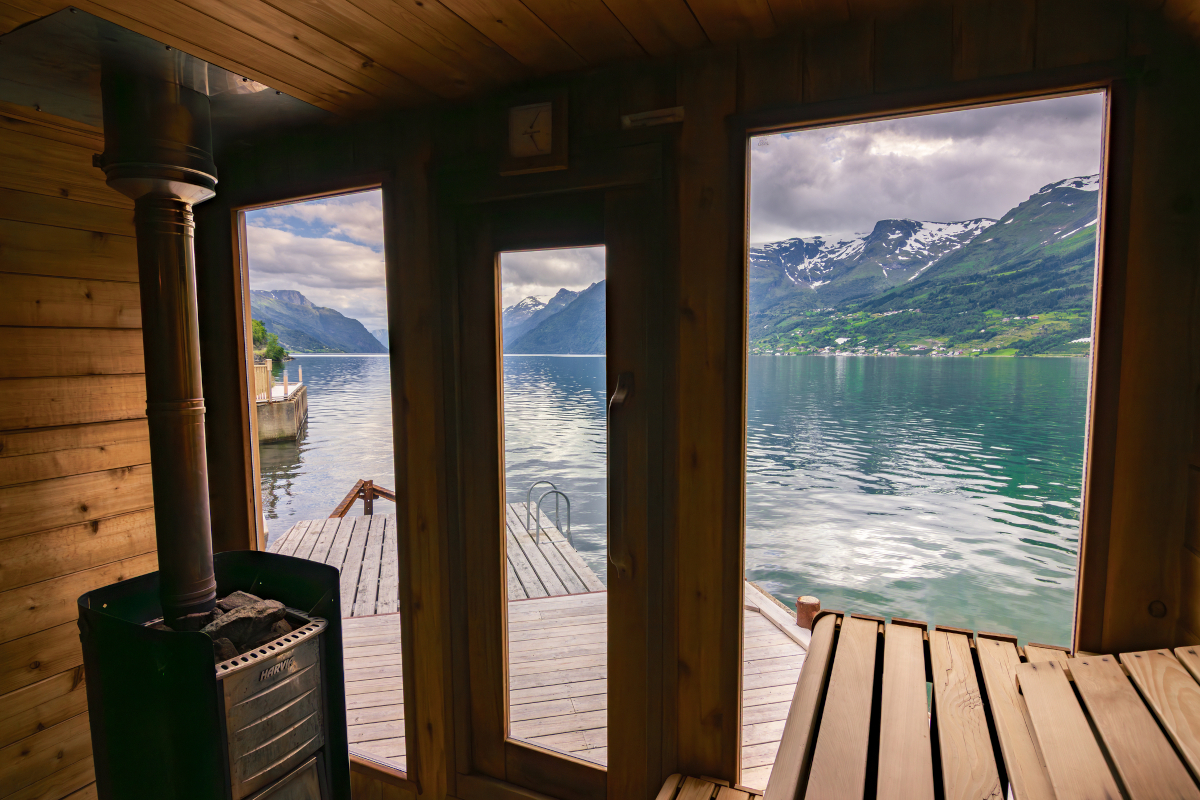
Many traditional saunas in Germany are textilfrei – textile-free. Men and women may use the same sauna, and swimsuits aren’t worn inside. You normally sit or lie on a large towel so your skin, including your feet, doesn’t touch the wooden bench.
We have some friends in Germany who regularly go to the sauna. They aren’t nudists and wouldn’t describe themselves that way. For them, going naked in the sauna is simply normal.
Austria has a similar tradition. The country’s official tourism site says saunas and plunge pools are generally textile-free unless the facility says otherwise.
The rules are different elsewhere. Finland has a strong sauna culture too, but Visit Finland says wearing a swimsuit or towel is fine if you prefer it, and public saunas can have their own rules.
If you’re not comfortable with nudity, check the spa before booking. Some have textile days or separate swimsuit areas.
ID 384048470 ©Julen Arabaolaza | Dreamstime.com
2. You May Have to Pay to Use the Bathroom
Paid public toilets are common in parts of Europe, especially at railway stations, motorway service areas and busy tourist locations.
The price and payment method vary. Coins are still useful, but cards and contactless payments are becoming more common too.
Germany’s SANIFAIR system is worth knowing about if you’re driving. At participating motorway locations, the current €1 toilet fee can come with a €1 voucher that can be used toward eligible purchases – I can confirm this from our trip to Germany. SANIFAIR also says contactless payment is available at more and more locations.
So if the toilet machine gives you a receipt or voucher, don’t automatically throw it away, as you may need it.
I want to emphasize this pay-to-use-the-bathroom rule – because it is present in many countries – even my own, Romania. And in some fast foods (I know many people use those toilets) they have introduced an extra layer: there is a panel, and you need a code to access it (a code that changes often) – you can find that code on your receipt – so make sure you keep all your receipts too – and know that in some places you really need to buy to use the toilet.
3. Don’t Walk in the Bike Lane
In cities such as Amsterdam, Copenhagen, and Munich, bike lanes aren’t an extra piece of sidewalk. They’re busy traffic lanes used by commuters who may be moving much faster than you expect.
Tourists often step into them while looking at maps, taking photos, or waiting to cross the road. That’s when you hear the bicycle bell behind you.
Look at the pavement markings before stepping sideways or crossing a cycle lane. In bike-heavy cities, cyclists expect pedestrians to stay out of their path just as drivers expect you to stay out of the road.
One practical safety note: crowded tourist areas, public transport and major landmarks can attract opportunistic scams and pickpockets. I am not saying you have to go through Europe feeling suspicious of everyone, but I do keep bags closed in crowds, avoid easy-to-reach outer pockets, and pay attention when someone creates an unexpected distraction. I have separate guides to tourist scams in Europe and avoiding pickpockets while traveling if you want the details before your trip.
Restaurant Habits Can Be Very Different From What You’re Used To
ID 155546287 ©Martinmark | Dreamstime.com
4. Free Tap Water Depends on the Country
“You have to pay for water in Europe” is one of those travel tips that gets repeated far too broadly.
In France, if you’re eating in a restaurant, ordinary carafe water is included with the meal. French consumer guidance confirms that.
Spain also requires hospitality businesses to offer customers free unbottled drinking water under national rules.
Italy is different. Restaurants and hotels aren’t generally required to provide free tap water, following a 2026 ruling by the country’s Court of Cassation. I actually wrote an article about Italian dining etiquette, because there are so many useful things to know before your trip! A recent comparison of water rules across Europe shows how much they vary.
If you want tap water, ask for tap water specifically. Simply asking for “water” may get you a bottle of still or sparkling mineral water that will appear on the bill.
5. Your Waiter May Not Bring the Bill Until You Ask
You finish eating. Your plates disappear. Ten or 20 minutes later, you’re still sitting there with no bill.
In many European restaurants, this is normal. In fact, a recent American tourist in Italy posted videos about being disappointed by the country, and one of the things he mentioned was waiting too long at restaurants. But here is the thing: you might expect things to unfold as they do in your own country, while the country you’re visiting has a different style. This slow pace at restaurants also happens in Spain.
Waiters often won’t bring the check until you ask for it. Bringing it immediately after the meal can feel like you’re being encouraged to leave, especially in places where people tend to spend longer at the table. If you have a train, tour or museum reservation coming up, don’t wait until the last minute. Ask for the bill when you’re ready to go.
6. Don’t Automatically Tip 20%
Tipping customs differ enormously across Europe, and applying the American 20% rule everywhere can make meals much more expensive than they need to be. In France, restaurant prices include service where a service charge applies, and an additional tip is voluntary. I admit, I always leave a tip, but definitely not 20%.
Germany, Austria, Italy and the UK all have their own habits too. In some places people round up, in others a percentage is more common, and some restaurants add a service charge directly to the bill.
Check the bill before adding anything and look up the custom for the country you’re visiting. “Europe” isn’t specific enough when it comes to tipping. I always leave a tip.
7. Bread on the Table Isn’t Always Free
When you visit Europe, you will see that a basket of bread can appear before you’ve ordered anything. And it is tasty – I know it. But while many people assume it’s complimentary, that is not always the case.
In Italy, you may see a coperto on the menu and later on the bill. This is a cover charge, and where it is permitted, it should be displayed clearly. Italian consumer organization Altroconsumo explains how coperto charges work.
Bread and table charges differ from country to country, so check the menu before deciding you’ve been overcharged.
8. Free Refills Aren’t Common Everywhere
Unlimited soft-drink refills aren’t as common as they are in the United States, and ordering another coffee usually means paying for another coffee. You have some fast-food chains that have some restaurants offering free refill (I know a few KFC and Burger King places), but usually it is not a full refill.
And that goes for coffee too – perhaps one of the most important differences in Europe. Not to mention that coffee in Europe is SOOO different – Italy has the small espresso (I admit, I too prefer a 300g mug of coffee in the morning; I take my time with my coffee, it is my morning ritual), but in other countries you have different coffee, including long ones, as a local custom.
Ice can be different too. You will find cold drinks across Europe, of course, but huge glasses packed with ice aren’t standard everywhere. Yes, we don’t use that much ice – in fact, many of us Europeans like cold drinks, but because they were kept in fridges, not because they have ice. I rarely use ice.
9. Dinner Time Can Change Dramatically From One Country to Another
In Spain, eating dinner at 9 or 10 p.m. can be completely normal. In other European countries, 6 or 7 p.m. doesn’t look early at all.
This matters outside the busiest tourist areas, where restaurant kitchens may have much stricter serving hours. If you’ve saved a restaurant you really want to visit, check when the kitchen serves dinner rather than relying only on the opening hours shown online. My husband had to wait for 2 hours one time in Italy – he had left early in the morning from home for his flights, and he was tired – until dinner was served, meaning until the hotel restaurant was opening for dinner. But that is OK; we are always mindful of the local customs and rules.
A Few Small Social Habits Make a Difference Too
10. In France, Say “Bonjour” First
If you walk into a small French shop, bakery or café and immediately start asking a question, the interaction may begin badly.
Say “Bonjour” first. You don’t need fluent French. Even if the rest of the conversation happens in English, that first greeting helps.
11. Silence Doesn’t Mean Someone Is Being Rude
Another difference you may notice is small talk – or the lack of it. And this varies a lot across Europe.
If you’re used to chatting with strangers in shops, elevators, trains or while waiting in line, you may find that people in some European countries simply don’t do it as often. Conversations can be shorter and more direct, and silence isn’t always something people feel they need to fill.
Finland is probably one of the best examples. The country’s official tourism site openly says that Finns aren’t big on small talk and that quiet moments during a conversation aren’t considered awkward.
You can notice a different version of this in Germany too. Communication can be more direct, and people don’t always add the friendly conversational extras visitors from other cultures may expect.
People can still be friendly and helpful; they’re simply more comfortable with silence and less likely to start a conversation with a stranger just to fill it. A cashier who doesn’t ask how your day is going isn’t necessarily unfriendly, and the person sitting next to you on a train may be perfectly happy spending the entire journey without talking.
And then you go to other parts of Europe and the atmosphere can be completely different. This is another reason why it doesn’t make sense to say that “Europeans don’t make small talk.” It depends on the country, the situation and, of course, the person.
12. Don’t Count on Sunday Shopping in Germany
Arriving in Germany late on Saturday and planning to buy groceries on Sunday morning can leave you with very limited options.
Most shops close on Sundays and public holidays. Germany’s official everyday-life guidance points out that petrol stations and railway-station shops can be exceptions, while pharmacies operate emergency services. Berlin has some additional exceptions, but most shops are still closed on Sundays.
If you’re staying in an apartment or need breakfast supplies, buy what you need on Saturday.
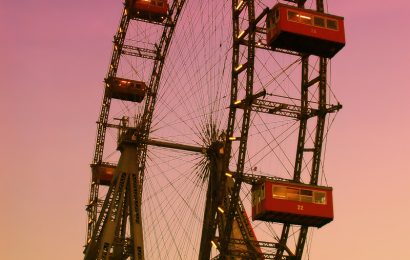
Here I will add that even on Saturdays, some shops close earlier than you may expect. If you’re coming from a country like Romania, where many supermarkets stay open until 10 PM, Germany and Austria can feel very different: many supermarkets close around 7 or 8 PM, depending on the store, location and day. There are exceptions in busy areas – in Vienna, for instance, there was one near Prater.
13. Grocery Shopping May Work a Little Differently
You may need a coin or token to release a shopping cart. Bags often cost extra. In many supermarkets, you bag your own groceries, and the cashier may scan everything much faster than you expect.
If you’re shopping in Germany, you’ll also come across Pfand – the deposit added to many bottles and cans. In fact, this has become more popular in many European countries – we have it too in Romania (not called Pfand, of course). The idea is that the small fee encourages people to recycle. Return the eligible containers to a supermarket machine, and you’ll receive a voucher that can normally be used at the checkout.
It’s a very simple system once you’ve seen it once. Oh: and in Germany it goes a lot faster than in my country – I loved that during our Munich visit.
14. Europe Isn’t Completely Cashless – or Completely Cash-Based
Card and contactless payments are everywhere in many European countries. In some destinations, you could travel for days without using cash.
In others, small businesses, markets, public toilets or older machines may still make a few euros useful.
This is why both “Europe is cashless” and “you need cash everywhere in Europe” are bad pieces of advice.
I explain the country differences in more detail in my guide to using cash in Europe. I prefer using a card as my main payment method, with a little cash as a backup. You might need it for a shopping cart, bathroom access, or even to see a particular detail at a place you are visiting – like this hand in St. Stephen’s Basilica in Budapest.
European Hotel Rooms Can Come With a Few Surprises
15. A Double Room May Have Two Mattresses
If you book a double room, don’t assume you’ll get one queen- or king-size mattress. Two single mattresses pushed together are common in parts of Europe.
If the exact bed configuration matters to you, check the room description and bed measurements before booking.
I do this along with several other checks when booking a hotel room, because even different room categories in the same property can have very different layouts.
16. One Bed May Come With Two Duvets
One large bed with two separate duvets is completely normal in Germany, Austria and parts of Central and Northern Europe.
Some people love the arrangement because nobody steals the blanket during the night. If you’ve never seen it before, you may initially wonder why the hotel has given you two small duvets instead of one large one.
Top sheets aren’t universal either. A fitted sheet with a duvet in a removable cover is common.
17. Check the Air Conditioning Before You Book
Don’t presume every European hotel has air conditioning, especially in older buildings.
Even when AC is listed, it may not be individually controlled or as powerful as the systems many Americans are used to.
For a summer trip, I check recent guest reviews rather than relying only on the amenities list. People are usually very quick to mention when a room was too hot.
If AC matters to you – as it does for me – this is one thing worth confirming before you pay.
18. The First Floor May Not Be at Street Level
In many European countries, street level is the ground floor. The first floor is one level above it.
Once you’re inside a building, the elevator buttons usually make this obvious – you may see 0, G or a local abbreviation below 1.
It’s a tiny difference until you’re booking a room “on the first floor” because you want to avoid stairs.
19. A Beautiful Old Hotel May Have a Very Small Elevator – or None at All
Historic European hotels can be beautiful, but old buildings weren’t designed around large elevators and rolling luggage.
Some have tiny lifts. Others have none.
If stairs are difficult for anyone traveling with you, check before booking rather than relying on the hotel’s star rating. A four-star property inside an old building can still have more stairs than a modern budget hotel.
Driving Through European Cities Can Bring Its Own Surprises
20. The Streets – and the Parking Spaces – Can Be Much Narrower Than You Expect
If you rent a car in Europe, one difference you may notice quickly is the size of some streets and parking spaces.
I remember a friend from the US noticing this when he visited Romania. He was used to wider roads and much larger parking spaces, and some of the streets here immediately stood out to him.
And Romania isn’t unusual in this respect. Drive through an old neighborhood in Germany, Italy, France, Spain, or many other European countries, and you can find narrow streets, tight corners, cars parked on both sides, and underground garages where the parking spaces feel surprisingly small.
There is a simple reason for much of this. Many European towns and city centers developed centuries before cars existed. Their streets were built around people, horses and carts, and later had to accommodate cars within a layout that was already there. In the US, many cities and especially suburban areas developed or expanded much later, when cars were already part of everyday life, so wider roads and larger parking areas are much more common.
We are used to this – as we know we do a lot of road trips during the summer, so I don’t usually think twice about it. But if you’re driving in Germany or renting a car elsewhere in Europe for the first time, you should consider vehicle size. The large SUV that feels completely normal at home may be much less convenient when you have to squeeze through an old street or into a compact underground parking garage.
I would also check the parking situation before driving into a historic center. During our road trips, we often look for a garage or parking lot first and navigate there directly, then head to the attraction and find parking. If you’re renting, choosing a smaller car can make city driving and parking considerably easier.
Public Transport Has a Few Details You Really Don’t Want to Miss
ID 95680830 ©Rosshelen | Dreamstime.com
21. Buying a Ticket Doesn’t Always Mean You’re Finished
“Validate your train ticket in Europe” is another piece of advice that’s both useful and too broad.
Some tickets need validation. Others don’t.
In Italy, Trenitalia says you must validate a paper regional ticket before departure. The current Digital Regional Ticket works differently and is automatically validated at the scheduled departure time. Trenitalia’s regional train information explains both rules.
In Berlin, BVG says paper tickets generally need to be validated before travel. An unvalidated ticket can be considered invalid during an inspection. Its tourist ticket guide explains how the system works.
Other cities have different rules again.
If you’re unsure, check whether the ticket you’ve bought still needs to be activated or stamped before boarding.
This ticket validation applies to other modes of transportation too, in various European countries. So my advice is that, prior to your trip or before using public transport in the country you are visiting, you check the local rules to make sure you abide by them.
22. No Ticket Gate Doesn’t Mean the Ride Is Free
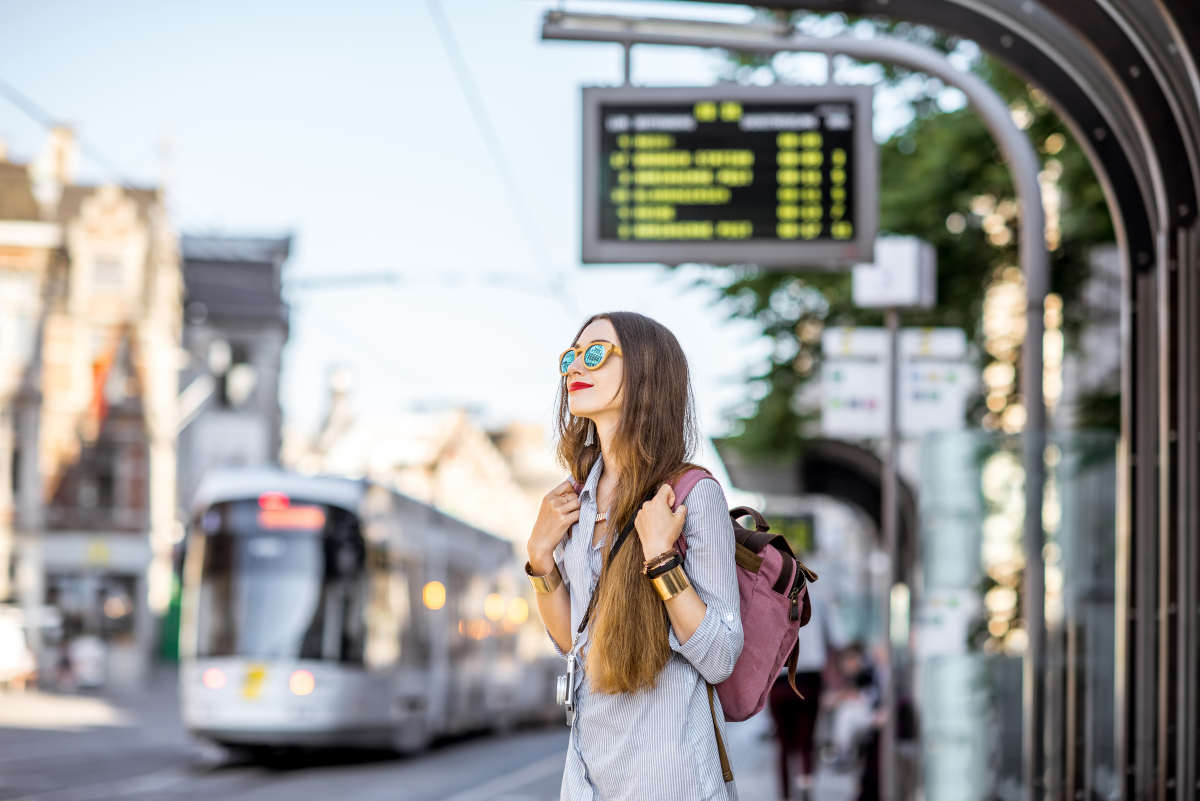
Some European public transport systems don’t have barriers at every entrance.
You may be able to walk straight onto a platform or board a tram without anyone stopping you, but inspectors can check tickets later.
If you can’t see a gate, look for ticket machines, validators or instructions. Don’t assume an open entrance means you can ride without a ticket.
23. A Train Ticket May Not Include a Reserved Seat
Yes, I know, this sounds strange, but it is true! Buying a ticket for a train doesn’t always mean a seat has been reserved for you.
Germany is a good example. On many Deutsche Bahn long-distance services, second-class travelers can buy the journey ticket without reserving a seat. You can buy a reservation separately, and DB even lets passengers buy a seat reservation on its own.
Other European high-speed trains require seat reservations and include them with the ticket.
When booking trains in a new country, check whether the ticket includes a seat rather than presuming the system works the same way as the last one you used.
And one very small detail: some train doors don’t open automatically when the train stops. If everyone else seems to be waiting, look for an illuminated button or handle.
Conclusion
ID 50627332 ©Ocusfocus | Dreamstime.com
Most of these differences aren’t difficult to deal with once you know about them.
Many of these are the kind of unwritten rules in Europe travelers don’t think to search for before a trip. You research hotels, attractions and transportation, but you probably don’t search whether a German sauna expects you to be naked, whether your restaurant water will be free, whether silence is completely normal in everyday conversations, or whether the train ticket you just bought still needs to be stamped.
And that’s exactly why these small details can be more surprising than the big cultural differences everyone already knows about.
If you’re traveling through several European countries, don’t expect everything to work the same way after you cross the border. Check the rules that matter for that destination and enjoy the differences – they are part of traveling in Europe.
If Romania is on your itinerary, there are plenty of smaller details here too. These things that surprise Americans in Romania cover everything from restaurants and prices to everyday habits visitors may not expect.
Frequently Asked Questions
What Are the Most Important Things Americans Should Know Before Traveling to Europe?
Don’t expect the same rules in every European country. Tipping, restaurant water, public transport tickets, Sunday shopping, hotel bedding, sauna etiquette, cash use and even the amount of small talk people are comfortable with can all differ. Check the customs for the specific countries you’re visiting rather than following one set of “Europe travel rules.”
Are saunas in Europe really nude?
Some are. Textile-free saunas are common in Germany and Austria, and mixed-gender nudity is normal at many traditional facilities. Other countries and individual spas have different rules, so check before visiting.
Do you have to pay to use public toilets in Europe?
Sometimes. Paid toilets are common at certain railway stations, motorway service areas and tourist locations. Some accept coins, while others now take cards or contactless payments.
Is tap water free in European restaurants?
It depends on the country. France includes ordinary carafe water with a restaurant meal, while Spanish hospitality businesses must offer free unbottled drinking water. Italy doesn’t have the same general requirement.
How much should Americans tip in Europe?
There is no single European tipping percentage. Customs vary by country, and service may already be included or added to the bill. Check the local custom before automatically adding 20%.
Do Europeans make less small talk than Americans?
In some countries, yes, but not across all of Europe. People in Finland, Germany and parts of Northern and Central Europe may be more comfortable with silence or more direct conversations, while other European cultures can be much more talkative. Less small talk doesn’t automatically mean someone is being rude or unfriendly.
Do European train tickets need to be validated?
Some do. Trenitalia paper regional tickets in Italy require validation, while its current digital regional tickets are automatically validated at departure. Berlin also requires validation for many paper BVG tickets. Other transport systems use different rules.
Are shops in Europe closed on Sundays?
Not everywhere. Sunday closures are common in Germany, for example, although stations, airports, petrol stations and other businesses may be exempt. Other European countries have much broader Sunday opening.
Why do European hotels have two duvets?
Separate duvets are common in Germany, Austria and parts of Central and Northern Europe. A large bed may have two individual duvets instead of one shared blanket.
More amazing articles for you:
Explore Oxford: Local's guide to Oxford with the best things to do, restaurants, hotels, and more
5 Must visit places in Malta
Six things I do to keep my phone secure while traveling
A Travel Guide for Colour Lovers #Infographic
He Thought He Had an Empty Row. Then Another Passenger Claimed the Window Seat - and Things Got Stra...
Exhibition of guns from various periods of time
Budget travel Bhutan - Things to know before you tour Bhutan
Airport Theory in 2026: What Happened to the Viral Trend?

Violeta-Loredana Pascal is a communications expert, business mentor, and the founder of Earth’s Attractions and PRwave INTERNATIONAL. A pioneer in the Romanian digital PR landscape since 2005, she holds a degree in Communication and Social Sciences from SNSPA Bucharest. Violeta is a senior trainer at AcademiadeAfaceri.ro, where she leverages over 20 years of experience to teach professional courses in PR strategy and workplace productivity. By blending high-level business consulting with a passion for holistic travel and wellness, she empowers solopreneurs to overcome procrastination, build profitable brands, and design a life of purposeful adventure.