Paris is not a city you “tick off.”
It is a city you layer.
Grand royal palaces sit beside revolutionary squares. Gothic cathedrals face glass pyramids. Belle Époque domes overlook contemporary art museums.
If you are planning your first trip – or returning and want to understand the city more deeply – this guide to the best landmarks in Paris will help you build a meaningful itinerary.
Below are 21 landmarks within Paris itself, followed by two iconic attractions near the city that are inseparable from the Paris experience.
Paris Landmarks That Will Make You Fall in Love With the City
1. Louvre Museum
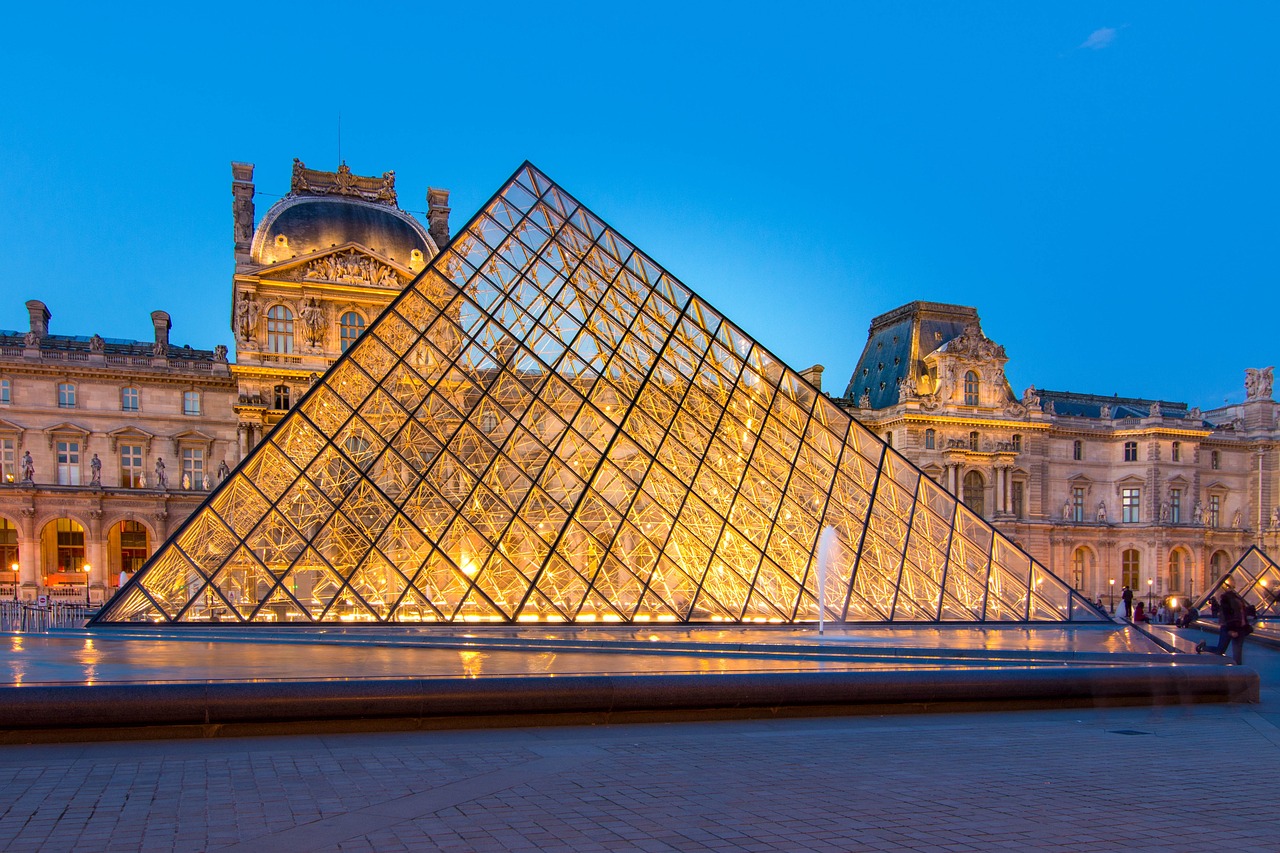
Located in the 1st arrondissement along the Seine, the Louvre is the historic and geographic heart of Paris. Originally a medieval fortress and later a royal palace, it became a public museum during the French Revolution.
Today, it is the largest art museum in the world and definitely one of the best museums to visit in Paris. While many visitors come for the Mona Lisa, the Louvre’s true strength lies in its range: Egyptian antiquities, Greek sculptures, Renaissance masterpieces, monumental French paintings, and entire wings devoted to decorative arts.
The museum is vast. Most first-time visitors benefit from reserving a timed-entry ticket and focusing on specific sections rather than trying to see everything in one visit. Staying nearby – in areas like the Louvre or Saint-Germain – makes early morning or late afternoon visits much easier.
As a note, I visited the Louvre in a day. While I was able to see it all – it was rather rushed. But it was an amazing visit!
2. Musée d’Orsay
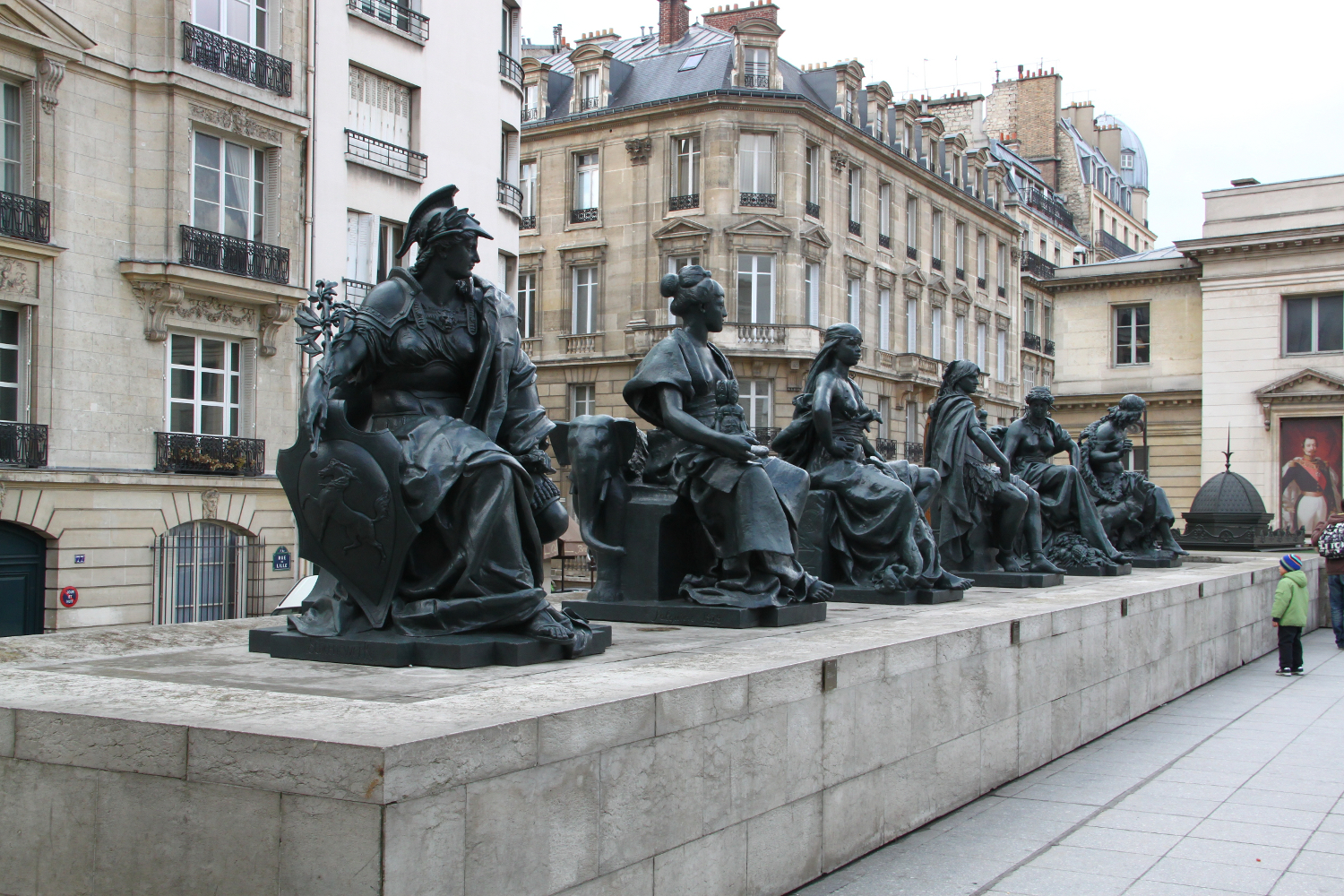
Across the Seine in the 7th arrondissement, the Musée d’Orsay occupies a former Beaux-Arts railway station built for the 1900 Exposition Universelle.
It houses the world’s finest collection of Impressionist and Post-Impressionist art. Monet, Renoir, Degas, Van Gogh – here, you see the transition from classical realism to modern expression.
The monumental clock windows overlooking the river are almost as famous as the paintings. Compared to the Louvre, Orsay feels more focused and manageable, making it an excellent choice if you have limited time in Paris.
I loved this museum – and it is actually the first museum I visited in Paris. I wrote a detailed guide on visiting the Orsay Museum, including useful tips and things to know before going there.
3. Eiffel Tower
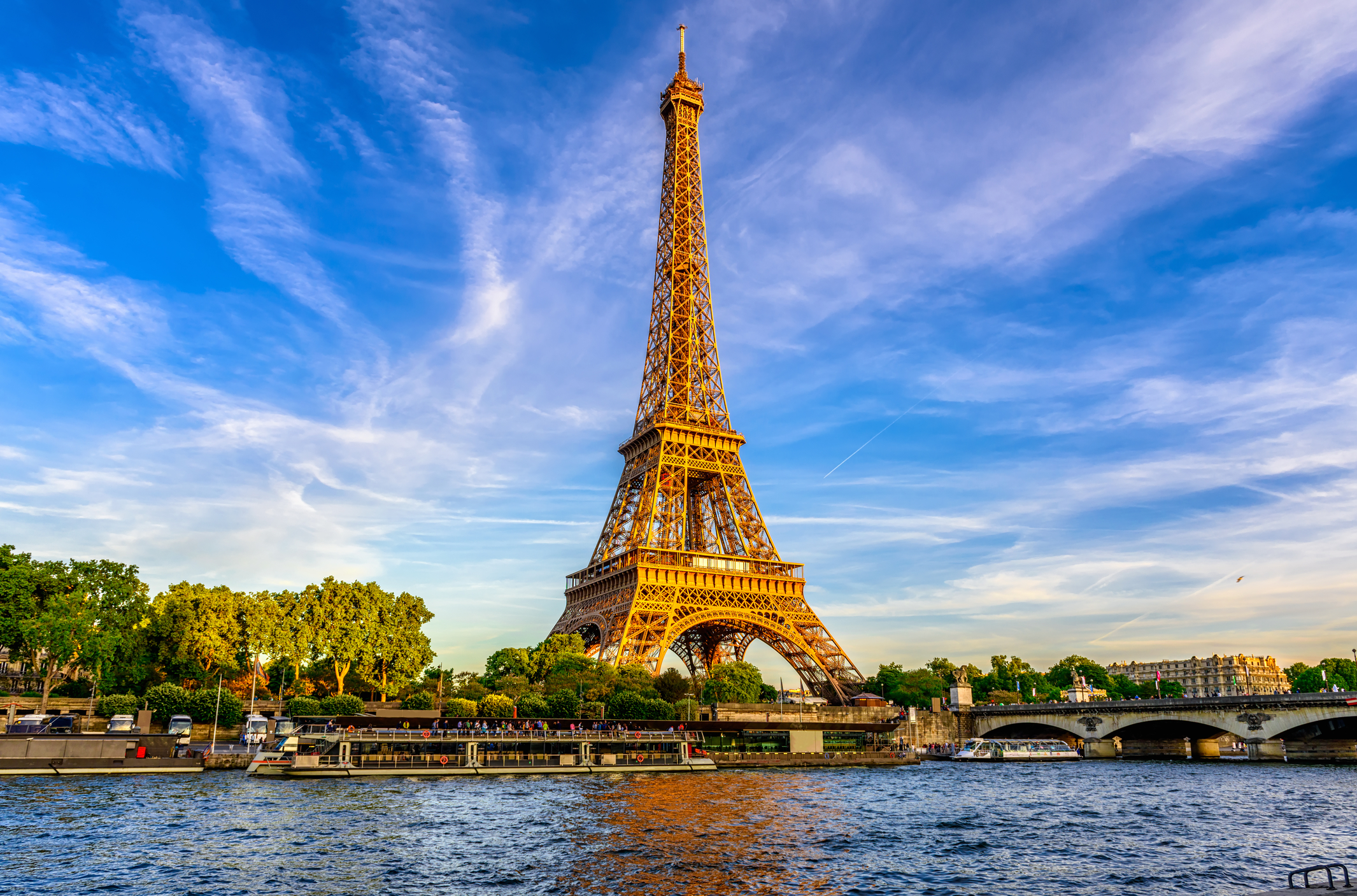
ID 107376702 © Ekaterinabelova | Dreamstime.com
Built for the 1889 World’s Fair, the Eiffel Tower was once controversial. Today, it is the undisputed symbol of Paris.
Located in the 7th arrondissement near the Champ de Mars, it offers multiple viewing levels, each revealing different perspectives of the city’s geometry. Summit access provides panoramic views that extend well beyond the périphérique.
Lines can be long, particularly in spring and summer, so booking access in advance is often the most efficient approach. Alternatively, the Trocadéro Gardens across the river offer some of the most iconic views – especially at sunrise or sunset.
You can read my guide on the best time to visit Paris for different preferences and budgets. We visited in early March – it was not very crowded, but there was a line at the Eiffel Tower. I wouldn’t have missed it, though!
4. Notre-Dame Cathedral
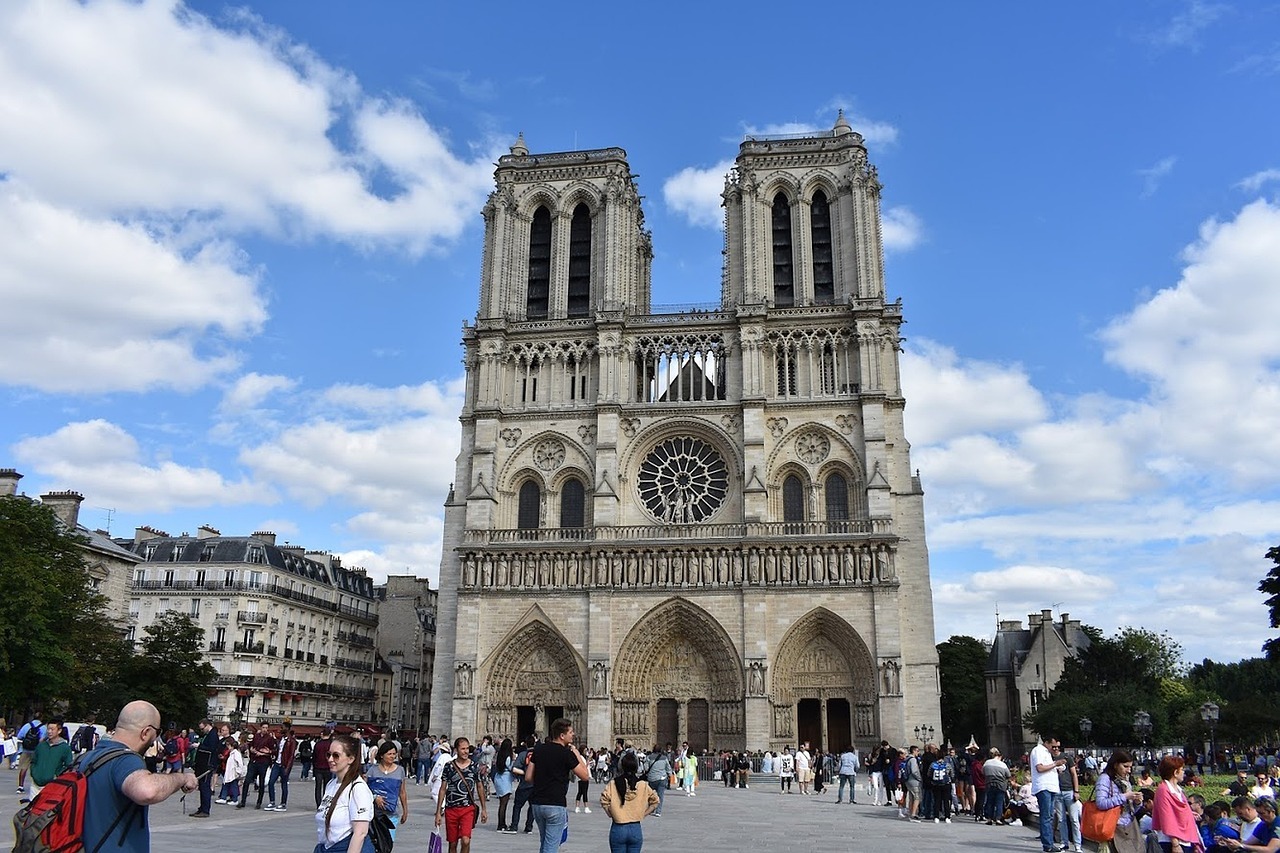
On Île de la Cité stands Notre-Dame, one of Europe’s most important Gothic cathedrals. Construction began in the 12th century, and its flying buttresses, sculpted portals, and stained glass windows influenced generations of architecture.
Even after the 2019 fire, the cathedral remains a defining part of Paris’ identity. The surrounding island also includes Sainte-Chapelle and the Conciergerie, making it one of the most historically dense walking areas in the city.
5. Sainte-Chapelle
Built in the 13th century to house royal relics, Sainte-Chapelle is a Gothic masterpiece hidden behind relatively modest exterior walls.
Inside, the upper chapel explodes into color. Fifteen towering stained-glass windows depict over a thousand biblical scenes. When sunlight filters through, the entire space glows.
Its scale is intimate, which makes reserving a timed entry especially helpful during busy months.
6. Arc de Triomphe
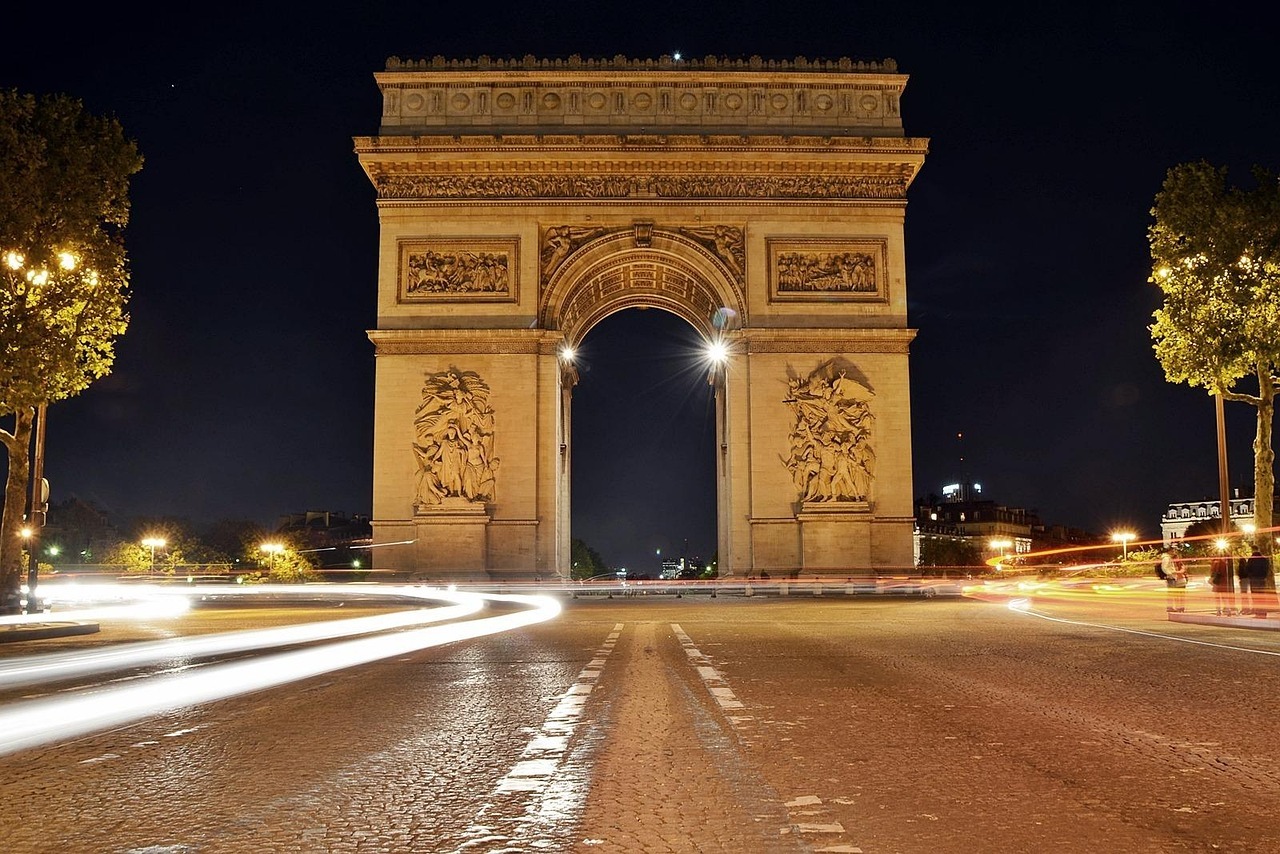
Standing at the top of the Champs-Élysées in the 8th arrondissement, the Arc de Triomphe honors those who fought for France.
Climbing its 284 steps leads to one of the best rooftop viewpoints in Paris. From here, you see the city’s radial avenues stretching outward in perfect symmetry – a reminder of Baron Haussmann’s urban redesign.
7. Champs-Élysées
This grand avenue connects the Arc de Triomphe to Place de la Concorde. It is ceremonial, commercial, and symbolic all at once.
Here you’ll find flagship boutiques, historic cafés, cinemas, and the finish line of the Tour de France. While many visitors stay near this area for its central location, exploring side streets nearby often reveals quieter corners of the 8th arrondissement.
We loved our walk on this avenue. You can see the wonderful show of the Eiffel Tower lights (whenever the clock strikes a new hour, during the night). We actually bought stuff, including plushes from the Disney shop here:)
8. Place de la Concorde
One of the largest public squares in Paris, Place de la Concorde sits between the Champs-Élysées and the Tuileries Garden.
During the French Revolution, it was the site of public executions. Today, it represents visual balance and architectural grandeur, framed by fountains and classical buildings.
On a walking tour, this is a must-stop!
9. Luxor Obelisk
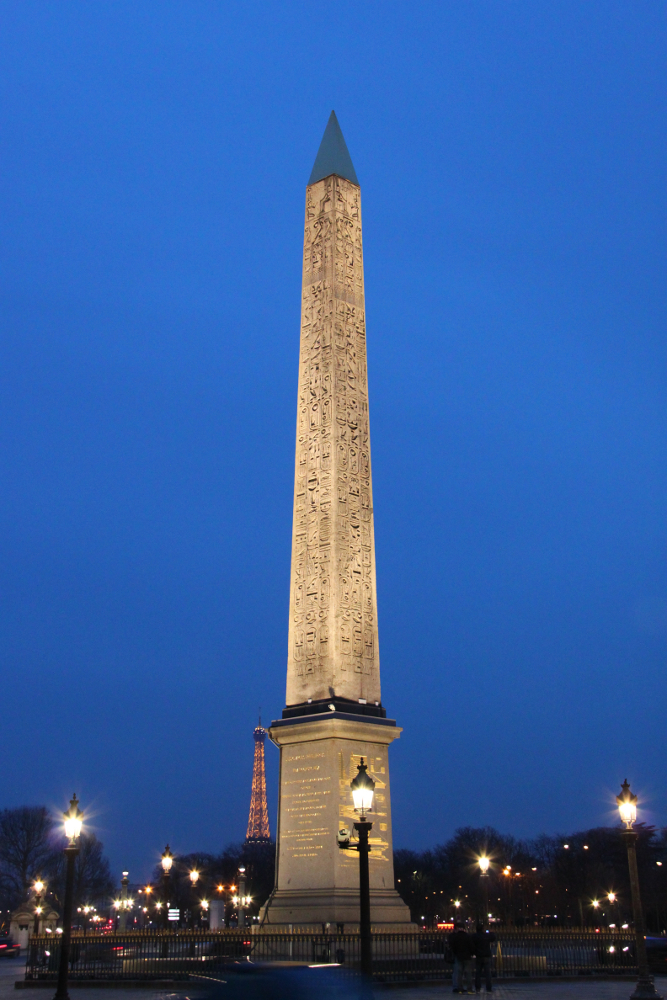
At the center of Place de la Concorde rises a 3,300-year-old Egyptian obelisk, originally from Luxor.
Its hieroglyphs and golden pyramidion create one of the most unexpected historical contrasts in Paris – ancient Egypt standing at the heart of a European capital.
I spent some time just admiring it!
10. Montmartre & Sacré-Cœur
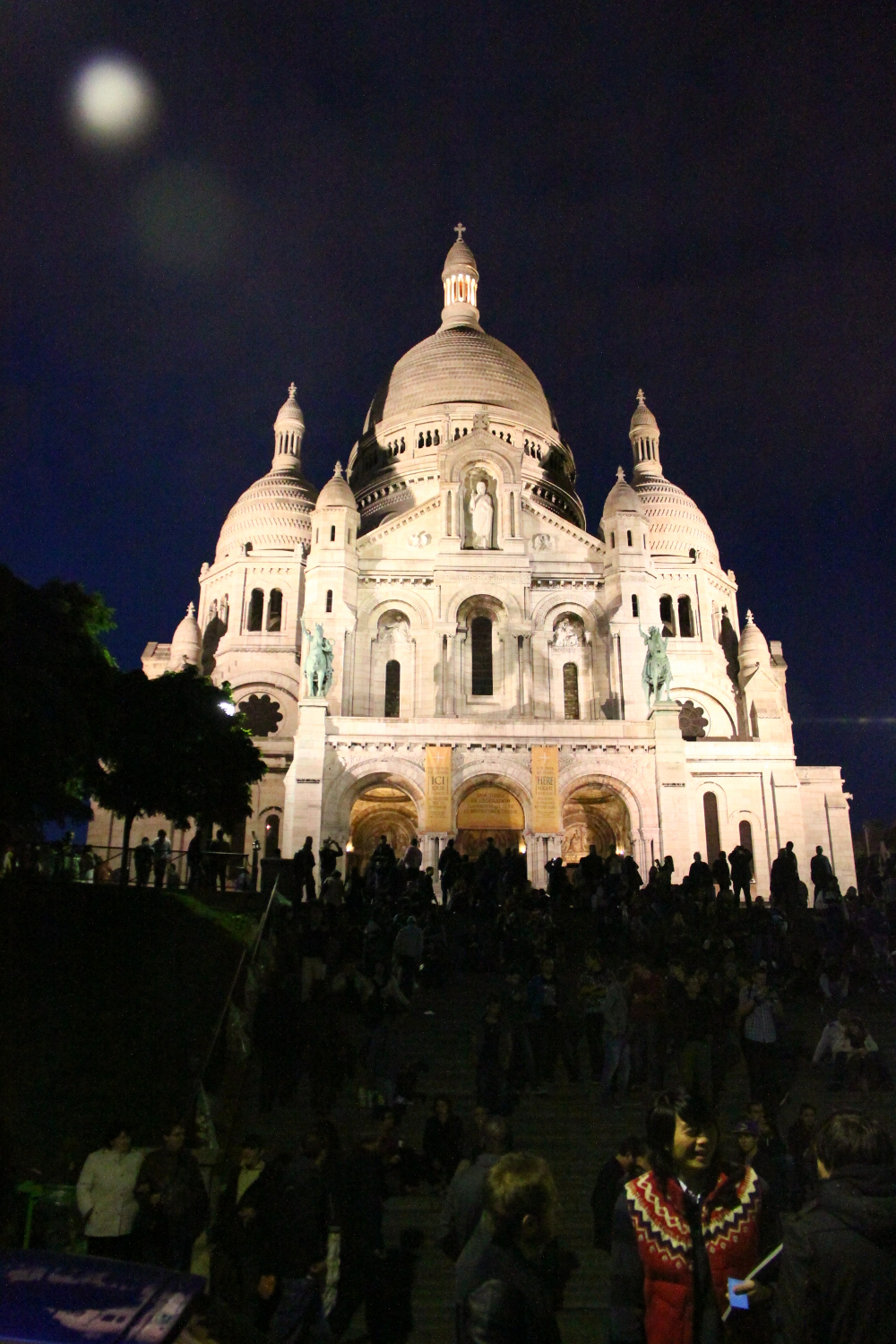
Montmartre, in the 18th arrondissement, feels like a village perched above the city. Once home to artists such as Picasso and Toulouse-Lautrec, it still retains a creative atmosphere.
At its summit stands Sacré-Cœur Basilica, built in Romano-Byzantine style with distinctive white domes. The panoramic terrace in front of the basilica offers one of the highest natural viewpoints in Paris. The interior, with its massive mosaic ceiling, adds another layer of architectural interest.
Staying in Montmartre provides a quieter, more residential experience compared to central districts.
11. Luxembourg Gardens
In the 6th arrondissement, the Luxembourg Gardens surround the Palais du Luxembourg.
Locals gather here to read, play pétanque, or simply sit in the iconic green metal chairs. For first-time visitors, it offers a peaceful contrast to the busier monument zones.
To truly enjoy them, you have to visit late spring to early autumn.
12. Panthéon
Located in the Latin Quarter, the Panthéon serves as a secular mausoleum honoring France’s most influential citizens.
Its neoclassical dome dominates the skyline of the 5th arrondissement. Inside, visitors can descend into the crypt where figures like Voltaire, Rousseau, Victor Hugo, and Marie Curie are buried.
13. Centre Pompidou
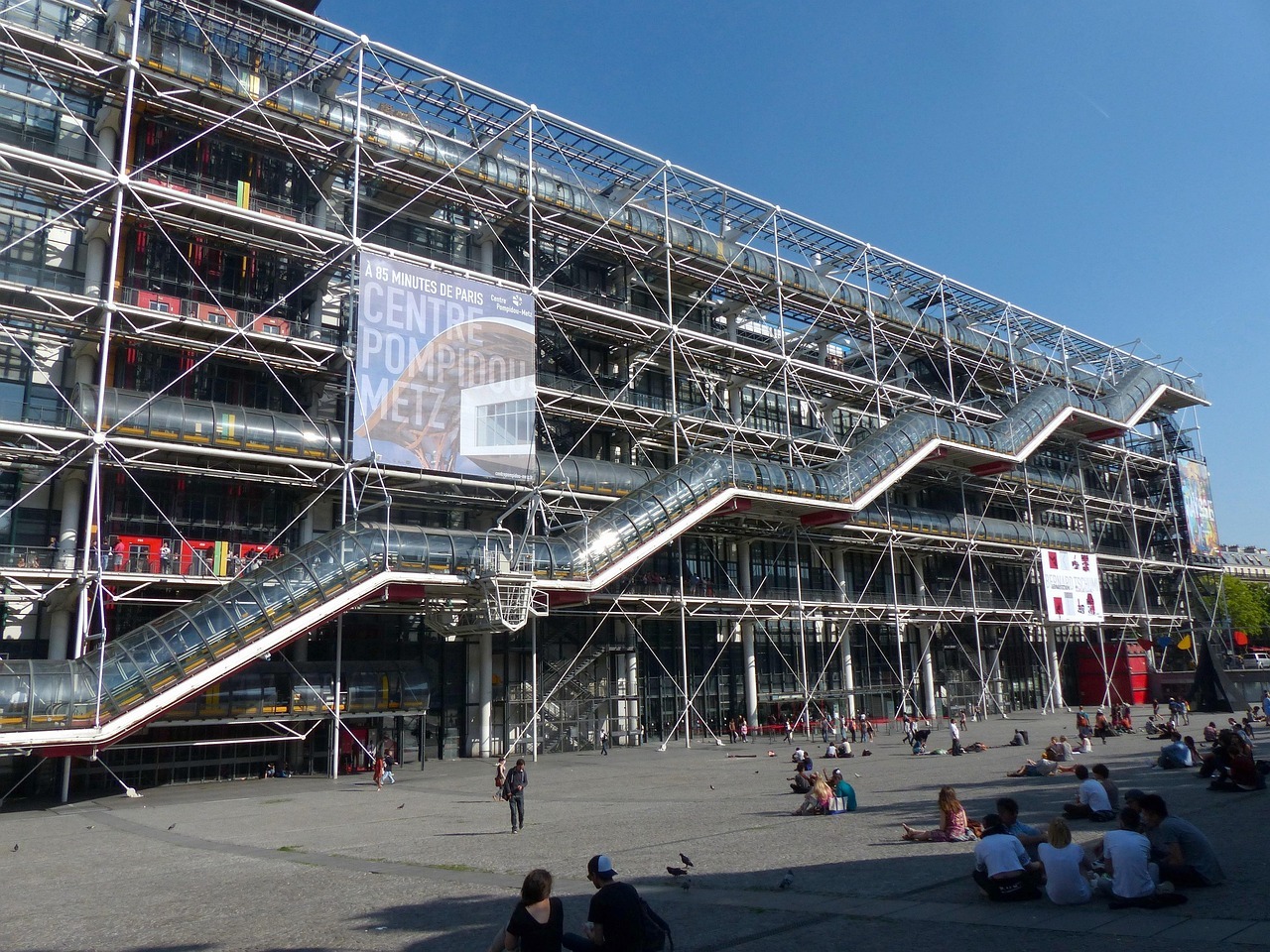
The Pompidou, in the Marais area, is instantly recognizable for its exposed pipes and industrial design.
It houses one of Europe’s strongest modern art collections. The rooftop terrace offers expansive city views — an excellent alternative for visitors who want a skyline perspective without climbing the Eiffel Tower.
14. Pont Alexandre III
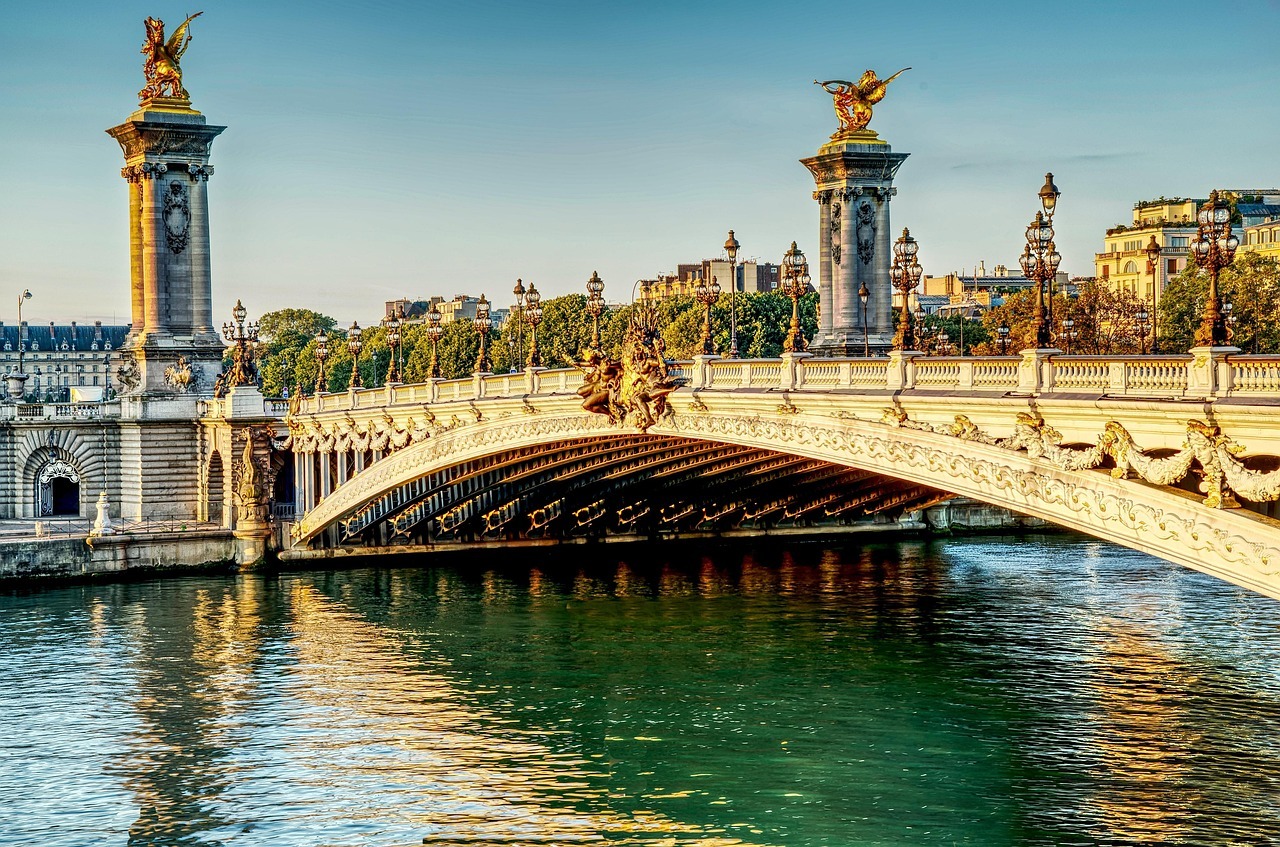
This ornate bridge connects the Champs-Élysées quarter with Les Invalides.
Gilded statues, decorative lamps, and sweeping views of the Seine make it one of the most photographed locations in Paris. From here, you see both the Eiffel Tower and the golden dome of Les Invalides aligned across the river.
15. Les Invalides
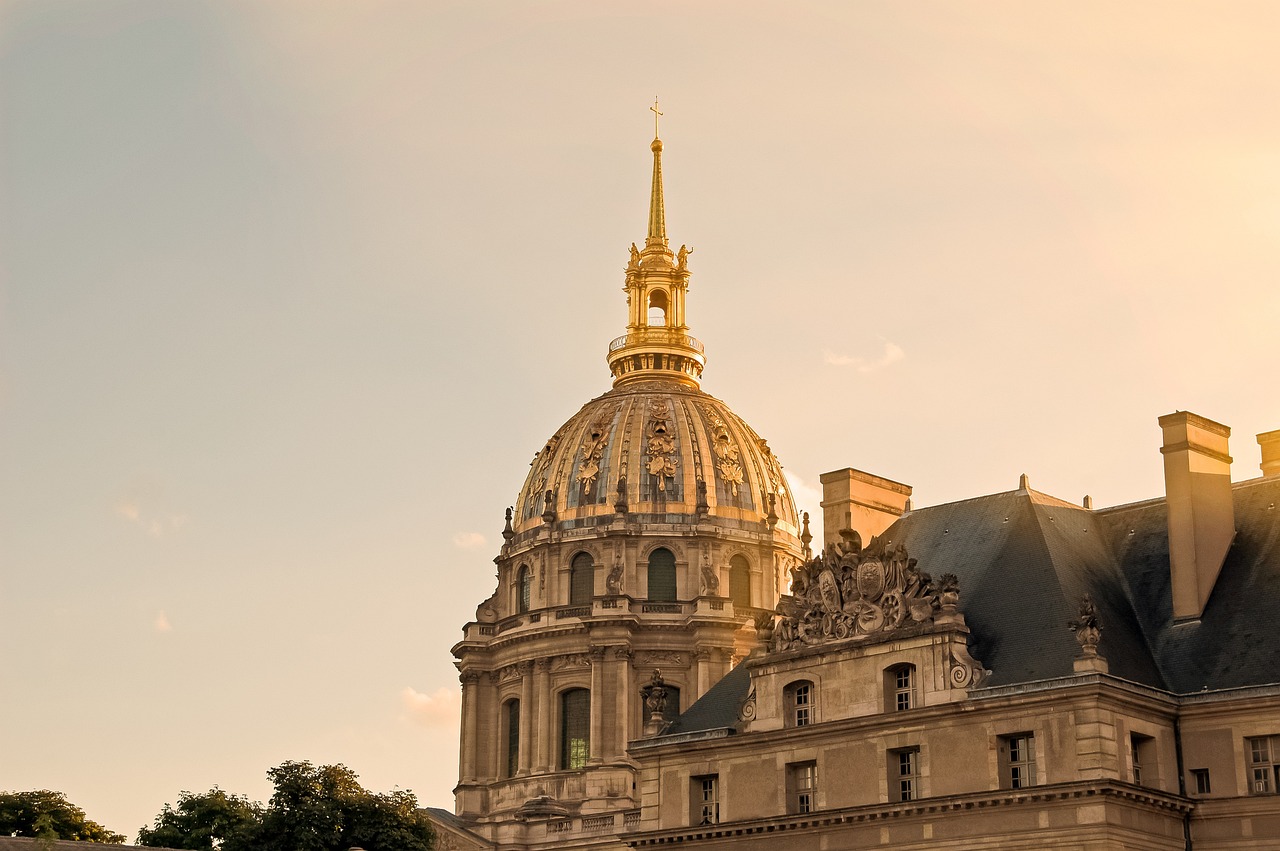
Built under Louis XIV, Les Invalides originally served as a hospital and retirement home for war veterans.
Its golden dome houses Napoleon Bonaparte’s tomb, placed dramatically beneath the vaulted ceiling. The surrounding military museum provides historical context that complements the monument itself.
16. Palais Garnier
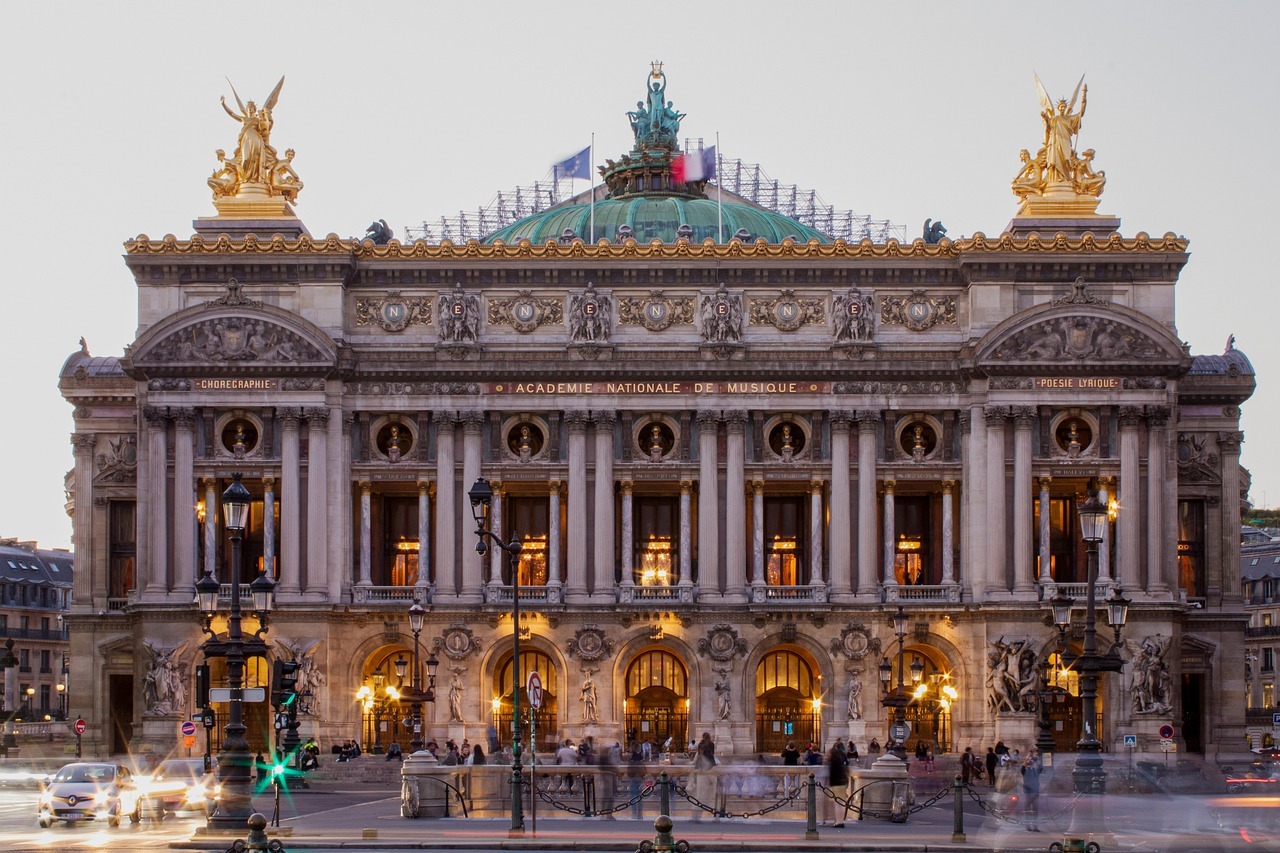
The Palais Garnier, near the Opéra district, is a masterpiece of Second Empire architecture.
Its grand staircase, ornate balconies, and Marc Chagall-painted ceiling create a theatrical experience even outside performance hours. Many visitors explore the interior during guided tours if they are not attending a ballet or opera.
17. Galeries Lafayette Haussmann
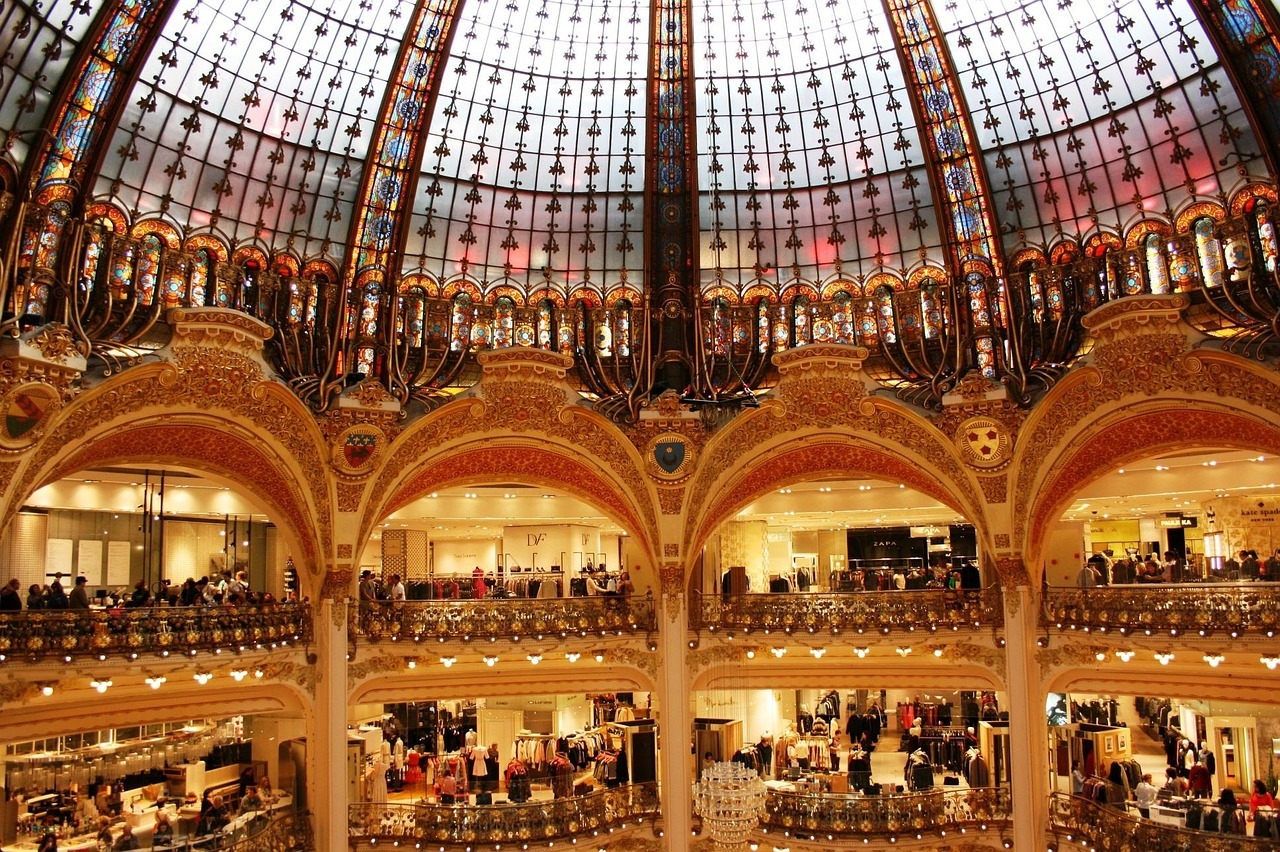
Located in the Opéra district of the 9th arrondissement, Galeries Lafayette Haussmann is far more than a department store.
Opened in the late 19th century, it became a showcase of Art Nouveau architecture. The stained-glass dome, rising above multiple balconies, transforms the central atrium into a dramatic architectural space. Seasonal installations – especially the suspended Christmas tree – draw visitors from across the city.
The rooftop terrace offers free panoramic views, including a clear perspective of the Palais Garnier and the Eiffel Tower in the distance. The surrounding Opéra area is also one of the most convenient neighborhoods for accommodation due to its central location and metro connections.
18. Montparnasse Tower
At 210 meters high, Montparnasse Tower is one of the few modern skyscrapers within Paris proper.
While its exterior divides opinion, the observation deck provides a unique advantage: you see the Eiffel Tower within the skyline. The rooftop terrace offers unobstructed 360-degree views, particularly striking at sunset.
We stayed at Pullman Paris Montparnasse – we could see the tower, the galleries (nearby), we had easy access to the metro.
19. Musée de l’Orangerie
Located at the edge of the Tuileries Garden, this museum houses Monet’s monumental Water Lilies series in specially designed oval rooms.
It is smaller and more focused than other major museums, making it ideal for visitors who prefer a quieter art experience.
As a note, the Tuileries Garden is also one of the Paris landmarks you have to see!
20. Seine River
The Seine shapes the city both geographically and visually.
Many of Paris’ most famous landmarks line its banks. Walking along the quays or taking a river cruise provides a cohesive view of the city’s architectural layers, especially at dusk when monuments begin to illuminate.
By the way: The Banks of the Seine are the Only UNESCO World Heritage Site in Paris!
Landmarks Near Paris (But Essential to a Paris Itinerary)
21. Palace of Versailles
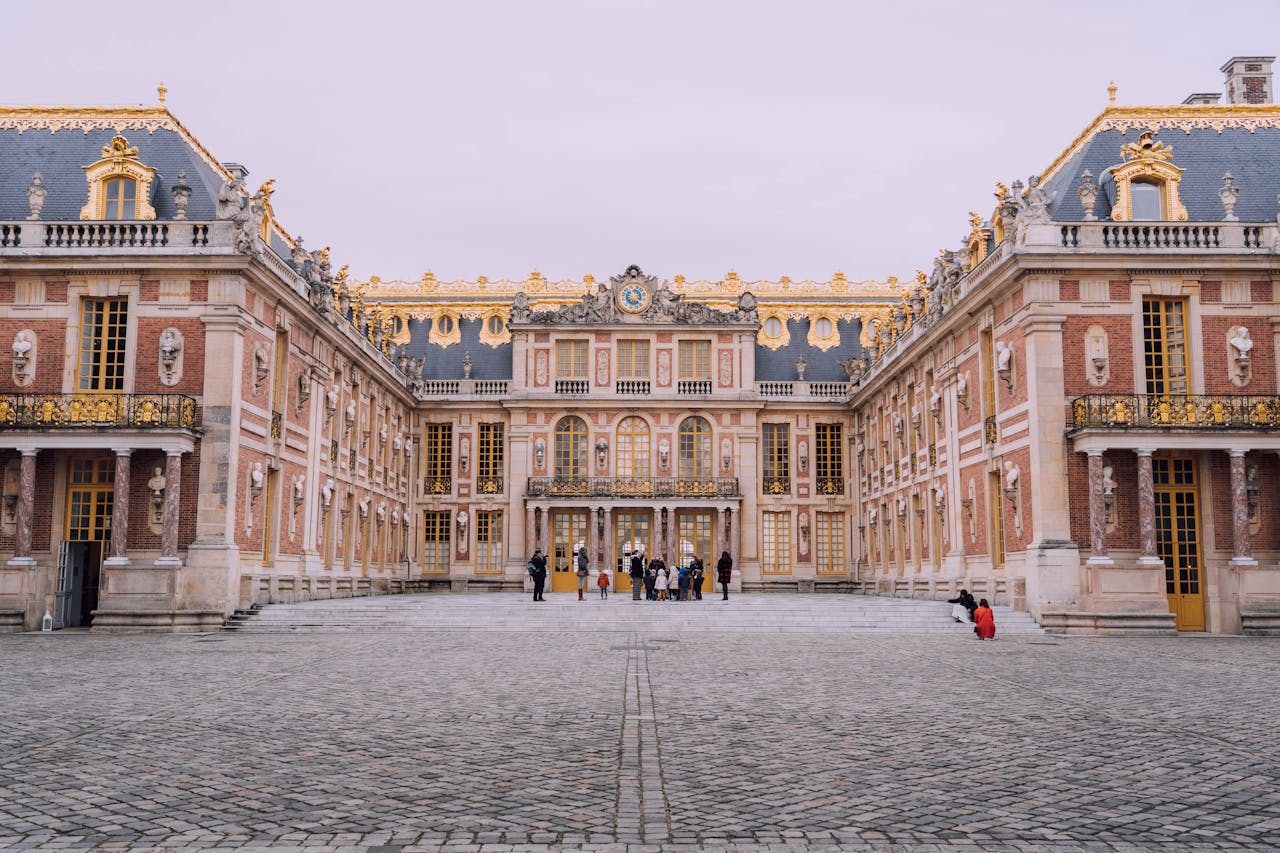
About 45 minutes from central Paris, Versailles represents the height of royal power before the French Revolution.
The Hall of Mirrors, expansive gardens, and ornate apartments reveal the scale of 17th-century absolutism. Many visitors combine Paris sightseeing with a half-day or full-day Versailles excursion.
We visited mid-March and it was not crowded at all. I shared here my tips for visiting Paris.
22. Disneyland Paris
Located east of Paris in Marne-la-Vallée, Disneyland Paris is Europe’s most visited theme park.
For families – or adults seeking immersive experiences – it offers a completely different dimension to a Paris trip. Its proximity makes it feasible as a day trip alongside cultural sightseeing – and it is also one of the best places to visit in France.
How Many Days Do You Need?
- 2–3 days: Major landmarks and one museum
- 4–5 days: Add Montmartre, gardens, additional museums
- 1 extra day: Versailles or Disneyland
- more days: excellent – you can discover more of this amazing city!
Paris rewards balance. The landmarks define the skyline – but the space between them defines the experience.
Photo sources: 1, 2, 3, 4, 5, 6, 7, 8, 9
More amazing articles for you:
Why You Must Visit the Residenz Palace in Munich – My Family Travel Guide
Top travelling spots from famous classical books [#Infographic]
Haarlem Netherlands Travel Guide: Best One-Day Trip from Amsterdam - Things to Do, Restaurants, Hote...
30 Fascinating Non-Art Museums in Europe You Can Visit Online for Free
What to Do In Warwickshire
2 days in Warsaw, Poland: things to do in Warsaw in 48 hours - itinerary
Your Funchal guide: discover what to do in Funchal, Madeira, Portugal
Things to Know Before Visiting Budapest: 20 Essential Tips for a Smooth and Memorable Trip

Violeta-Loredana Pascal is a communications expert, business mentor, and the founder of Earth’s Attractions and PRwave INTERNATIONAL. A pioneer in the Romanian digital PR landscape since 2005, she holds a degree in Communication and Social Sciences from SNSPA Bucharest. Violeta is a senior trainer at AcademiadeAfaceri.ro, where she leverages over 20 years of experience to teach professional courses in PR strategy and workplace productivity. By blending high-level business consulting with a passion for holistic travel and wellness, she empowers solopreneurs to overcome procrastination, build profitable brands, and design a life of purposeful adventure.