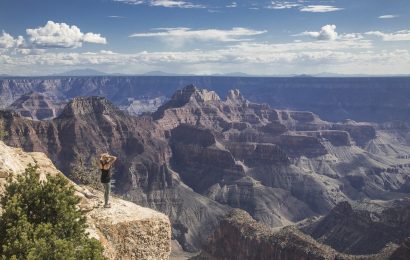
September can be a rewarding month to explore Asia, but choosing the right region is essential. While some destinations are moving out of the summer heat, others are still affected by monsoon rain, tropical storms, or rapidly changing mountain weather.
This guide brings together 10 of the best places to visit in Asia in September, from Bali’s beaches and northern Vietnam’s golden rice terraces to Bhutan’s festival season and the first autumn colors in Hokkaido. I have also included the limitations that can influence a trip: cold nights, rain, altitude, long transfers, seasonal closures, and the possibility of weather disruption.
Updated July 2026
No destination can promise perfect weather for an entire month. However, September offers several strong choices for beaches, wildlife, cultural travel, mountain scenery, food, and early autumn landscapes when the timing matches the destination.
What Is September Weather Really Like Across Asia?
September is a transition month across much of Asia. Bali is still within its general dry season, while Uzbekistan begins moving away from the intense heat of summer. In northern Japan, leaves can start changing at higher elevations. In Bhutan, the monsoon usually continues into late September before clearer autumn conditions become more established.
Other destinations require flexibility. Jeju can still experience heavy rain or typhoon-related disruption. Sabah remains hot, humid, and rainy because it is a tropical rainforest destination. Ladakh and the Gobi may have pleasant daytime conditions, but nights become cold, particularly later in the month.
For this reason, the best place to visit in Asia in September depends on more than average temperature. The part of the month, altitude, local geography, transport, and the type of trip you want all influence the answer.
How I Chose These September Destinations
I selected these places for reasons that are specific to September: drier seasonal conditions, harvest landscapes, early fall colors, festivals, wildlife experiences, and more comfortable sightseeing weather. I also wanted geographical variety, rather than a list dominated by one country or one style of travel.
Each section explains who the destination suits, which part of September is usually preferable, what makes it special during the month, and what could complicate the trip. Weather, event, access, and seasonal information was checked again during the July 2026 update.
1. Bali, Indonesia
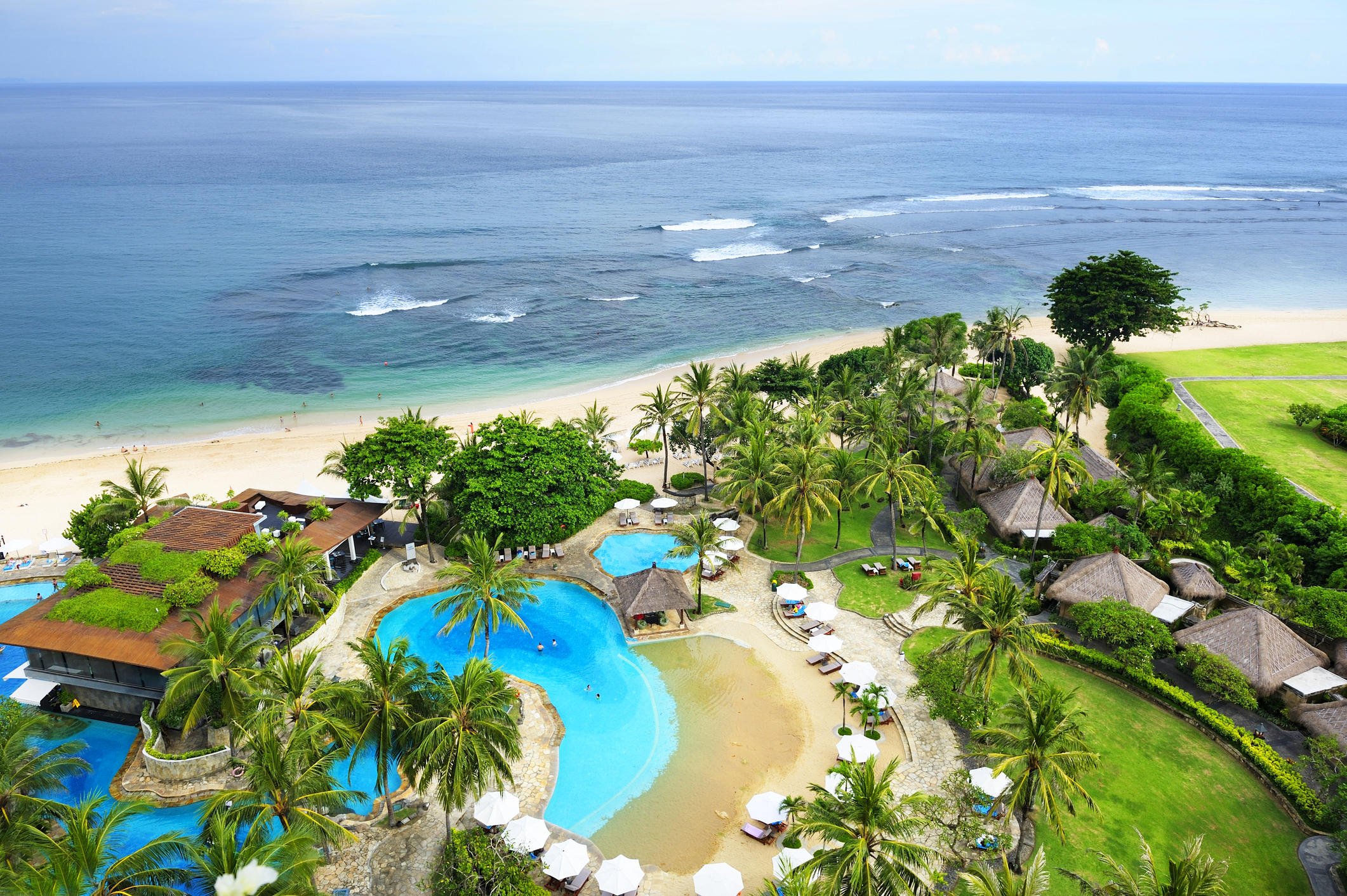
ID 51132898 ©Luotao | Dreamstime.com
Best for: Beaches, surfing, temples, wellness, food, and a trip that can suit different budgets
Best time in September: Most of the month
Bali is one of the easiest all-round choices for an Asian trip in September. The island’s general dry season runs through September, so visitors have a better chance of sunny days than during the wetter part of the year. Rain can still occur, and mountain areas may be cloudier than the coast, but September usually offers favorable conditions for combining beaches, temples, rice terraces, and outdoor activities.
Ubud is a good base for culture, traditional performances, rice fields, and wellness experiences. Uluwatu combines clifftop views, beaches, and one of Bali’s best-known temples. Nusa Dua is more resort-focused, while Canggu and Seminyak appeal to visitors looking for cafés, nightlife, and easier access to beach clubs.
You can also take a boat to Nusa Penida, although sea conditions and crossing times can vary. A carefully planned Nusa Penida itinerary helps when you have only one day and want to avoid spending most of it moving between distant sights.
September is generally less intense than the July and August peak, but Bali is never guaranteed to be quiet. Popular roads can be congested, and distances that look short on a map may take much longer than expected. Bali is the strongest option on this list for travelers who want beaches and flexibility without the logistical demands of Ladakh, Bhutan, the Gobi, or Danum Valley.
2. Northern Vietnam’s Rice Terraces
Best for: Landscape photography, mountain scenery, local culture, trekking, and lower-cost travel
Best time in September: Mid-to-late September, depending on the area and annual harvest
The rice terraces of Mù Cang Chải, Sapa, and Hoàng Su Phì offer one of northern Vietnam’s most seasonal landscapes. September is part of the harvest period, when fields that were green during summer begin turning gold before the rice is cut.
Mù Cang Chải is the principal recommendation here. The district lies roughly 300 kilometers from Hanoi and is known for steep terraces around La Pán Tẩn, Chế Cu Nha, and Dế Xu Phình. Vietnam’s official tourism site identifies September and October as the period when the rice stalks become golden and heavy, with late September often bringing some of the most photographed landscapes. You can read more about the timing on the official Vietnam tourism website.
Hoàng Su Phì, in Hà Giang Province, can also be spectacular during harvest season, while Sapa has a wider range of hotels and established tourism services. The precise color and harvest date varies by elevation, village, weather, and year. A field that is golden one week may be harvested the next, so recent local updates are more useful than relying on a fixed annual date.
Northern Vietnam remains vulnerable to rain, mist, slippery paths, and weather-related road delays in September. Mù Cang Chải also requires a long road journey from Hanoi, and mountain roads can be tiring. This destination is less convenient than Bali or Jeju, but it provides one of the clearest reasons to travel to Asia specifically during September.
3. Hokkaido, Japan
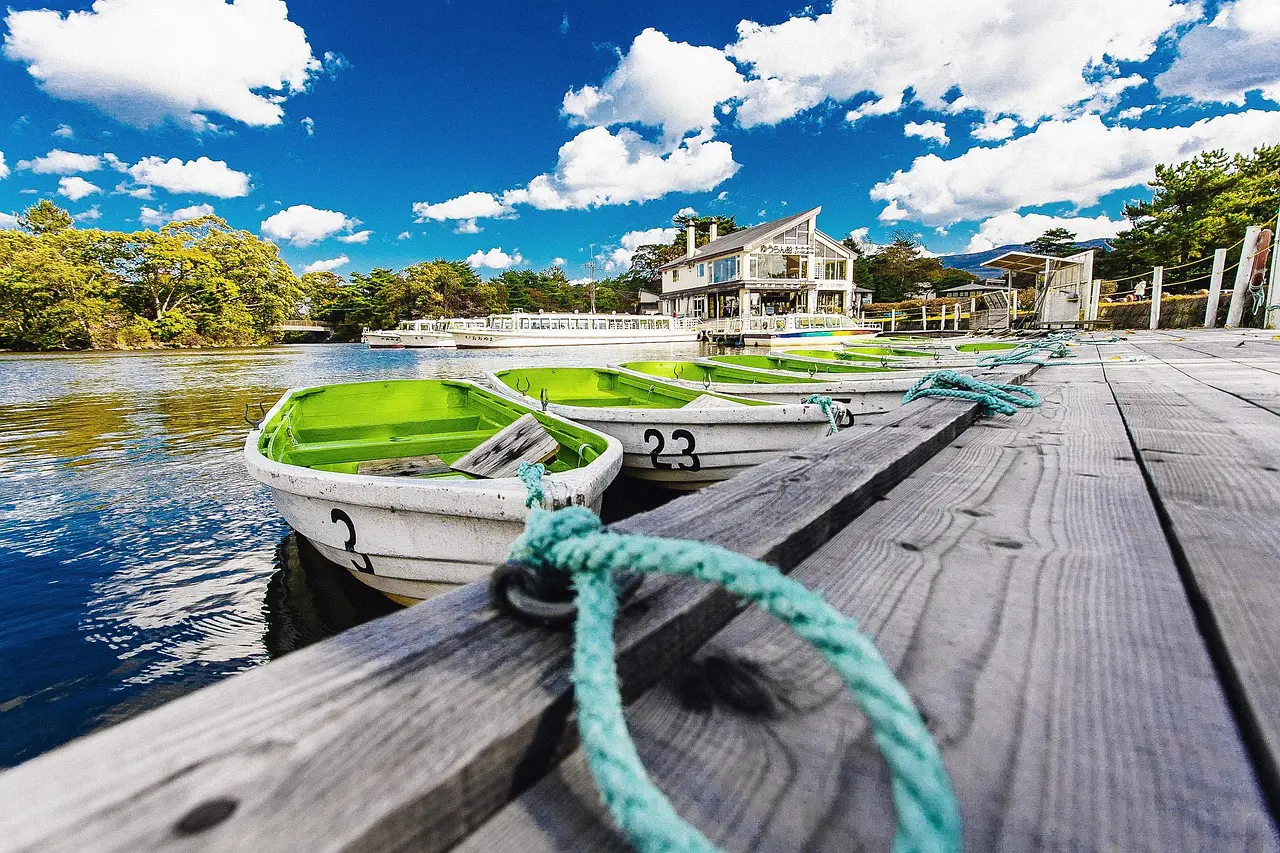
Best for: Early autumn colors, hiking, cooler weather, seafood, and seasonal food
Best time in September: Early-to-mid September for the highest parts of Daisetsuzan; later September for broader fall scenery
Hokkaido, Japan’s northernmost main island, begins changing season earlier than most of the country. Daisetsuzan National Park is one of Japan’s first major autumn-color areas, with foliage developing at high elevations during September and often becoming particularly vivid around the middle of the month.
Asahidake and Kurodake are popular gateways into the park. Visitors can use ropeways to reach higher viewpoints, although mountain conditions can change quickly and proper footwear and warm layers remain important. Public transport serves parts of Daisetsuzan, but services may be infrequent, and road restrictions can apply during peak foliage periods.
Sapporo adds a completely different side to the trip. The official Sapporo Autumn Fest is scheduled for September 10–October 2, 2026, bringing food and regional specialties from across Hokkaido to Odori Park. Otaru, Biei, Furano, and the volcanic lakes of Shikotsu-Toya National Park can also be included in a longer route.
You shouldn’t expect peak fall color across all of Hokkaido at the same time. Elevation creates a major difference: Daisetsuzan changes before lower cities and coastal areas. September also remains within Japan’s typhoon season, so transport disruption is possible even when a storm doesn’t pass directly over Hokkaido. These Japan travel tips are useful when this is your first visit to the country.
4. Uzbekistan’s Silk Road Cities
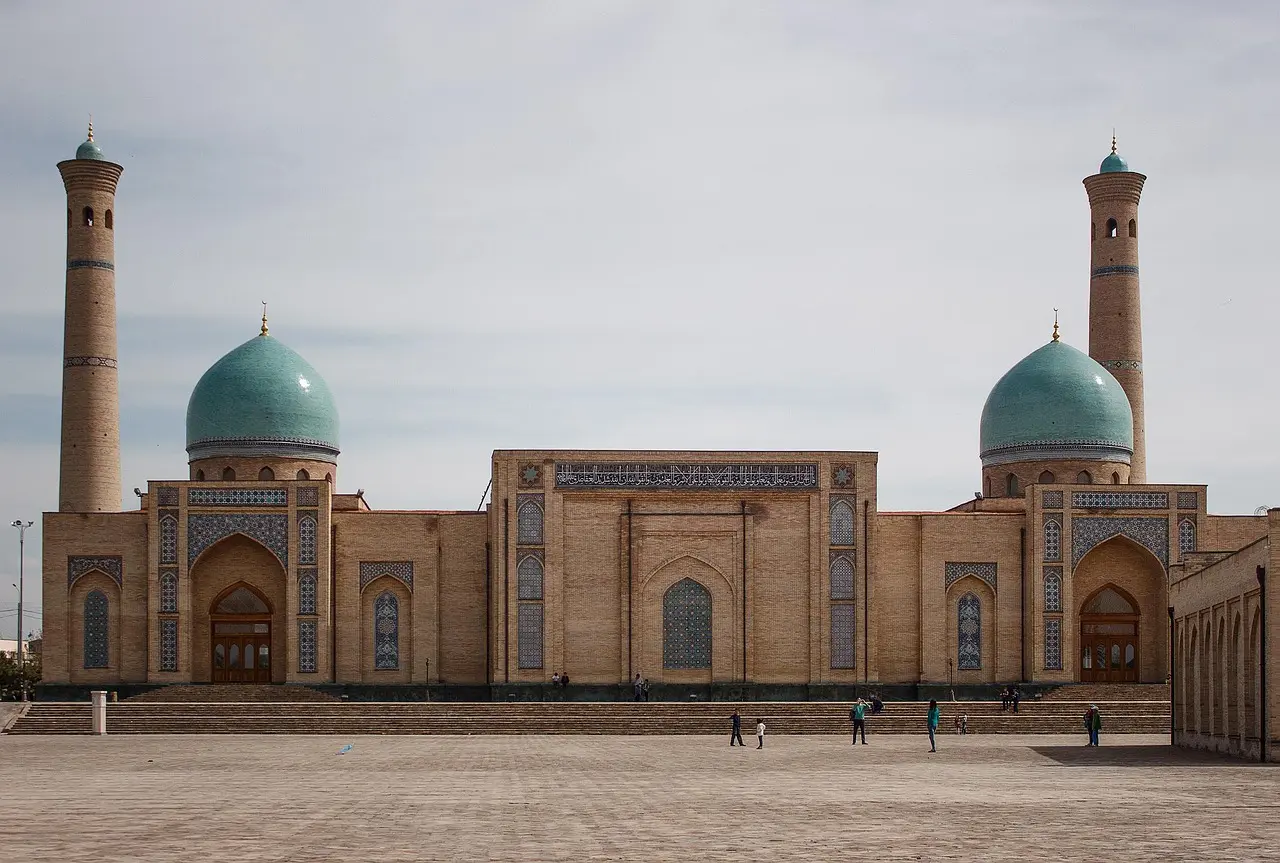
Best for: History, architecture, markets, food, and a multi-city cultural trip
Best time in September: Mid-to-late September for more comfortable daytime sightseeing
Uzbekistan’s great Silk Road cities offer one of the strongest cultural journeys on this list. Samarkand is known for the Registan, Shah-i-Zinda, and the vast Bibi-Khanym Mosque. Bukhara has a historic center filled with madrasas, caravanserais, markets, and the Po-i-Kalyan complex. Khiva’s walled Ichan Kala feels different again, with minarets, courtyards, museums, and narrow streets contained within its old city walls.
September begins the autumn travel season in Uzbekistan. The beginning of the month can still be hot, especially during the middle of the day, while later September is usually more comfortable for walking through large historic sites. Conditions are generally dry, but visitors still need sun protection and water.
Samarkand and Bukhara can be connected by train, while Khiva requires additional travel planning because it is farther west. A seven-to-ten-day itinerary is more realistic for all three cities than trying to compress them into a few rushed days. The route also becomes more meaningful when you understand how these cities fit into wider Silk Road journeys across Asia.
Uzbekistan is a better choice than the Gobi or Ladakh for travelers who want extraordinary scenery and history without trekking or high-altitude acclimatization. The main limitation is distance: the cities deserve time, and the trip is far more rewarding when it is not treated as a rapid checklist.
5. Bhutan
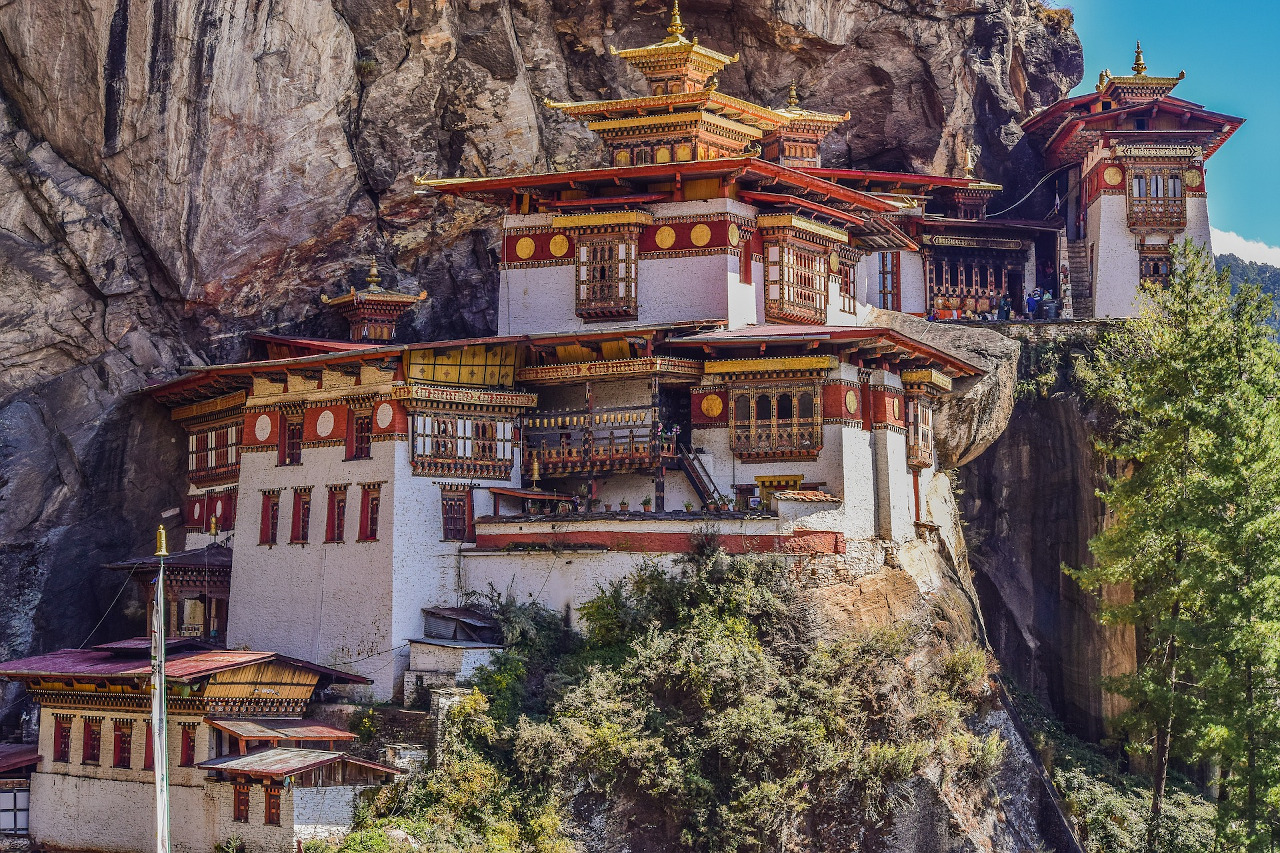
Best for: Buddhist culture, festivals, monasteries, Himalayan landscapes, and slower travel
Best time in September: Late September
Bhutan, the Land of the Thunder Dragon, combines fortresses, monasteries, mountain valleys, and a culture shaped by Buddhism. Tiger’s Nest Monastery is its most famous sight, but Punakha Dzong, Thimphu, Paro, and the drive across Dochula Pass give visitors a broader impression of the country.
September sits at the end of Bhutan’s summer monsoon. The official tourism guidance describes the rainy season as continuing into late September, with autumn beginning in late September or early October. This means early September may still bring cloud, rain, and limited mountain visibility, while the end of the month generally offers a better transition toward clearer days.
The Thimphu Tshechu is currently scheduled for September 21–23, 2026. The three-day festival features sacred mask dances, religious performances, and large gatherings at Tashichho Dzong. Festival dates should always be confirmed again before booking, and accommodation and experienced guides can be in high demand.
Bhutan requires more advance planning than Bali, Jeju, or Uzbekistan. Visitors need the correct visa or permit arrangements and must pay the applicable Sustainable Development Fee. A six-day Bhutan itinerary can help you understand how Paro, Thimphu, Punakha, and Tiger’s Nest can fit into one trip.
Bhutan is one of the best choices here for culture and a major September festival, but it is not a spontaneous or inexpensive destination. Rain remains possible, and a festival-period trip needs to be organized early.
6. Jiuzhaigou Valley, China
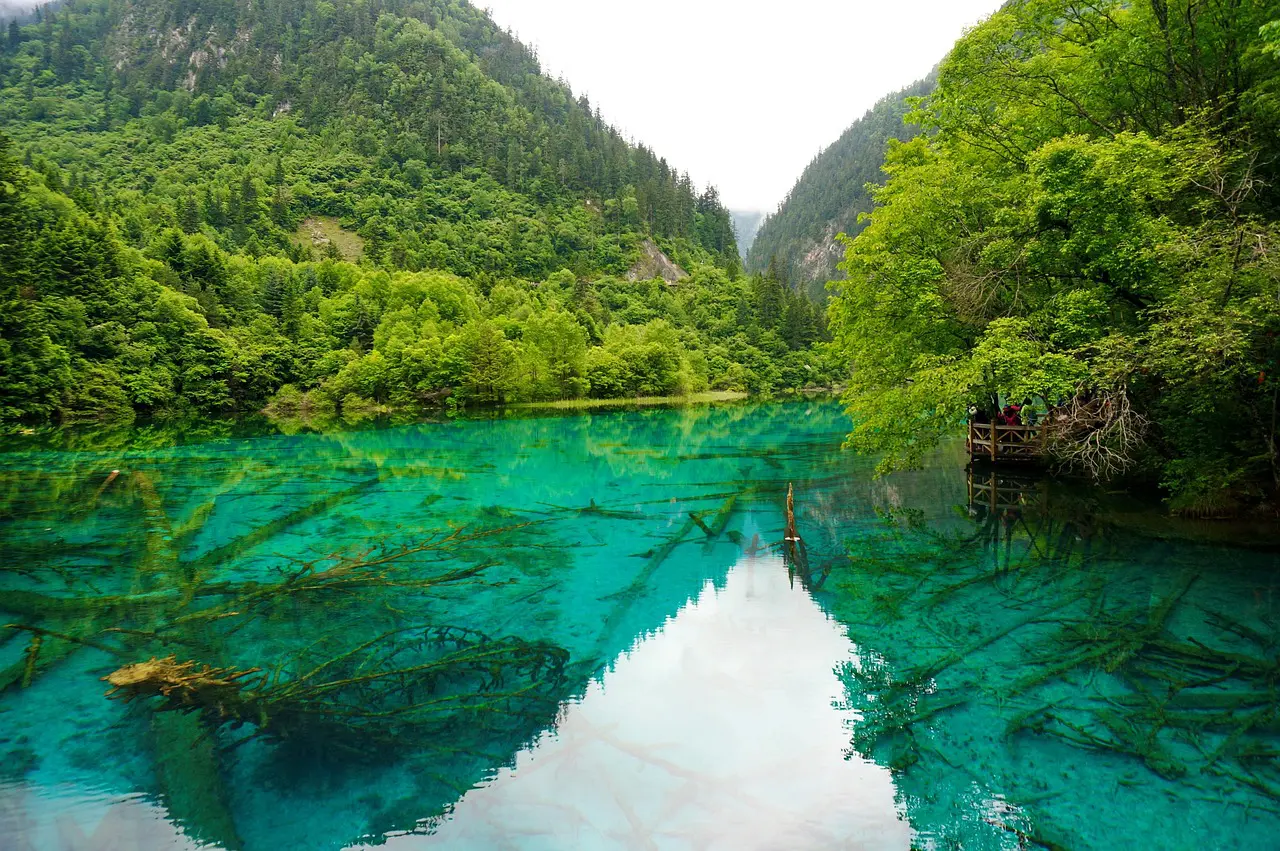
Best for: Lakes, waterfalls, mountain scenery, nature photography, and scenic walking
Best time in September: Late September for the first stronger autumn colors
Jiuzhaigou Valley, in Sichuan Province, is known for intensely colored lakes, waterfalls, forests, and high mountain scenery. It is also a UNESCO World Heritage Site valued for its natural beauty and biodiversity.
Five Flower Lake, Long Lake, Nuorilang Waterfall, Pearl Shoal Waterfall, and the park’s Tibetan villages are among the best-known stops. The scenic area is large, so most visitors combine walking with the park’s sightseeing buses rather than attempting the entire route on foot.
Rain remains possible in September. The park’s official climate information records 86 millimeters of average precipitation during the month and notes that most annual rainfall falls between May and October. Waterproof clothing and shoes with reliable grip are sensible even when the forecast appears favorable.
The landscape also changes during the month. Early September can remain predominantly green. Colors usually begin developing more noticeably as the month progresses, while the most famous autumn scenes are often associated with October. Late September is therefore the better choice when fall color is a priority, but visitors should not expect every slope to have reached peak color.
September is within the park’s peak operating season, so tickets, transport, and accommodation should be arranged in advance. Jiuzhaigou is an outstanding nature destination, but travelers seeking guaranteed golden forests should be careful not to arrive too early.
7. Ladakh, India
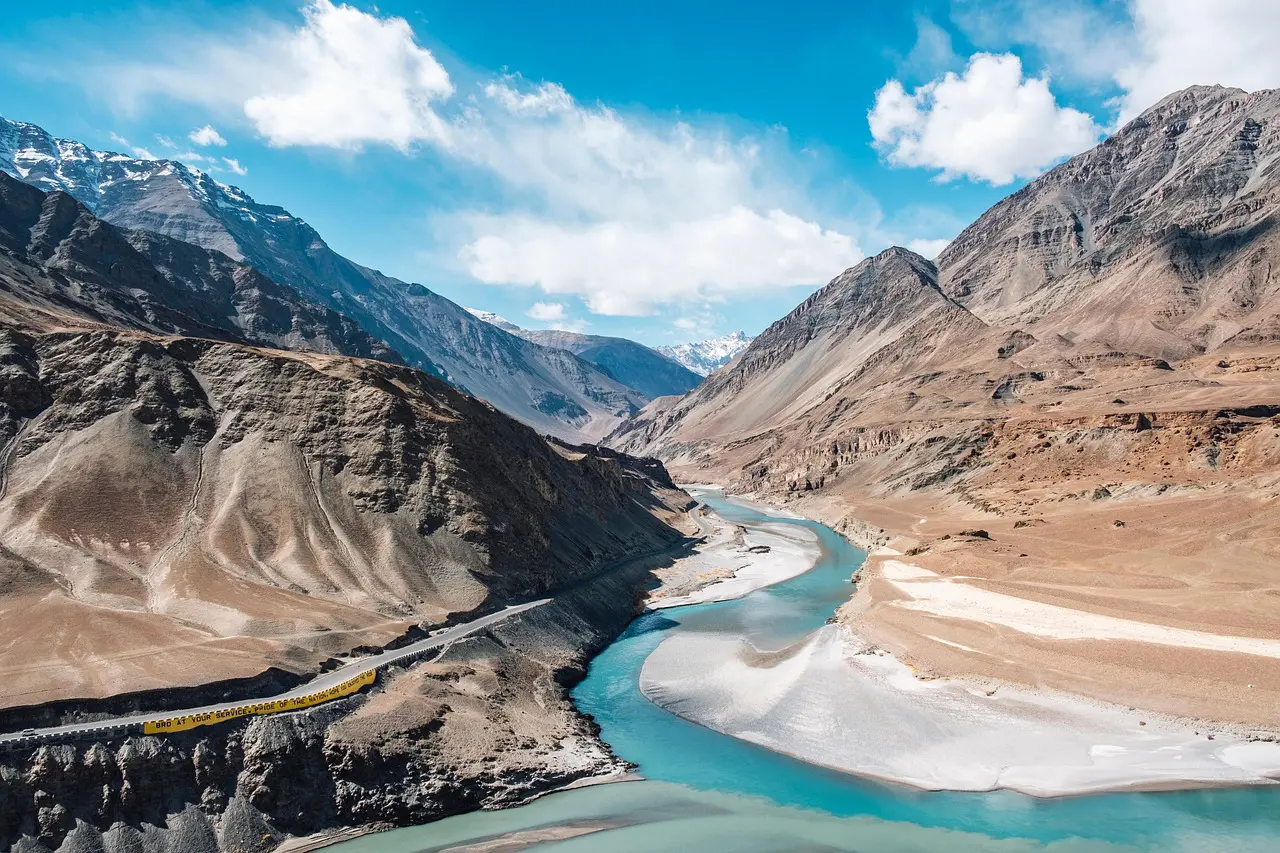
Best for: High-altitude scenery, monasteries, road journeys, trekking, and experienced adventure travelers
Best time in September: Early-to-mid September
Ladakh, in the Indian Himalayas, has stark mountains, deep valleys, Buddhist monasteries, and high-altitude lakes. Leh is the main base for many trips, with excursions to Thiksey and Hemis monasteries, Nubra Valley, Pangong Lake, and mountain passes.
September often brings clearer post-summer skies and fewer visitors than the busiest part of the season. Roads and trekking routes are usually more dependable than during winter, but conditions can change quickly at altitude. Nights become colder as the month progresses, and snow is possible on high passes.
Altitude is the most important planning factor. Leh is already more than 3,500 meters above sea level, and traveling directly from the airport to even higher areas is a poor plan. Most visitors need at least two quiet days in Leh before strenuous activity or high-pass excursions. Anyone with health concerns should seek medical advice before planning a high-altitude itinerary.
Ladakh also involves long road journeys, limited services in remote areas, and permits for certain routes. It is one of the most visually impressive choices on this list, but it is not the best choice for a short, tightly scheduled trip or for travelers unwilling to leave room for acclimatization and weather changes.
8. Jeju Island, South Korea
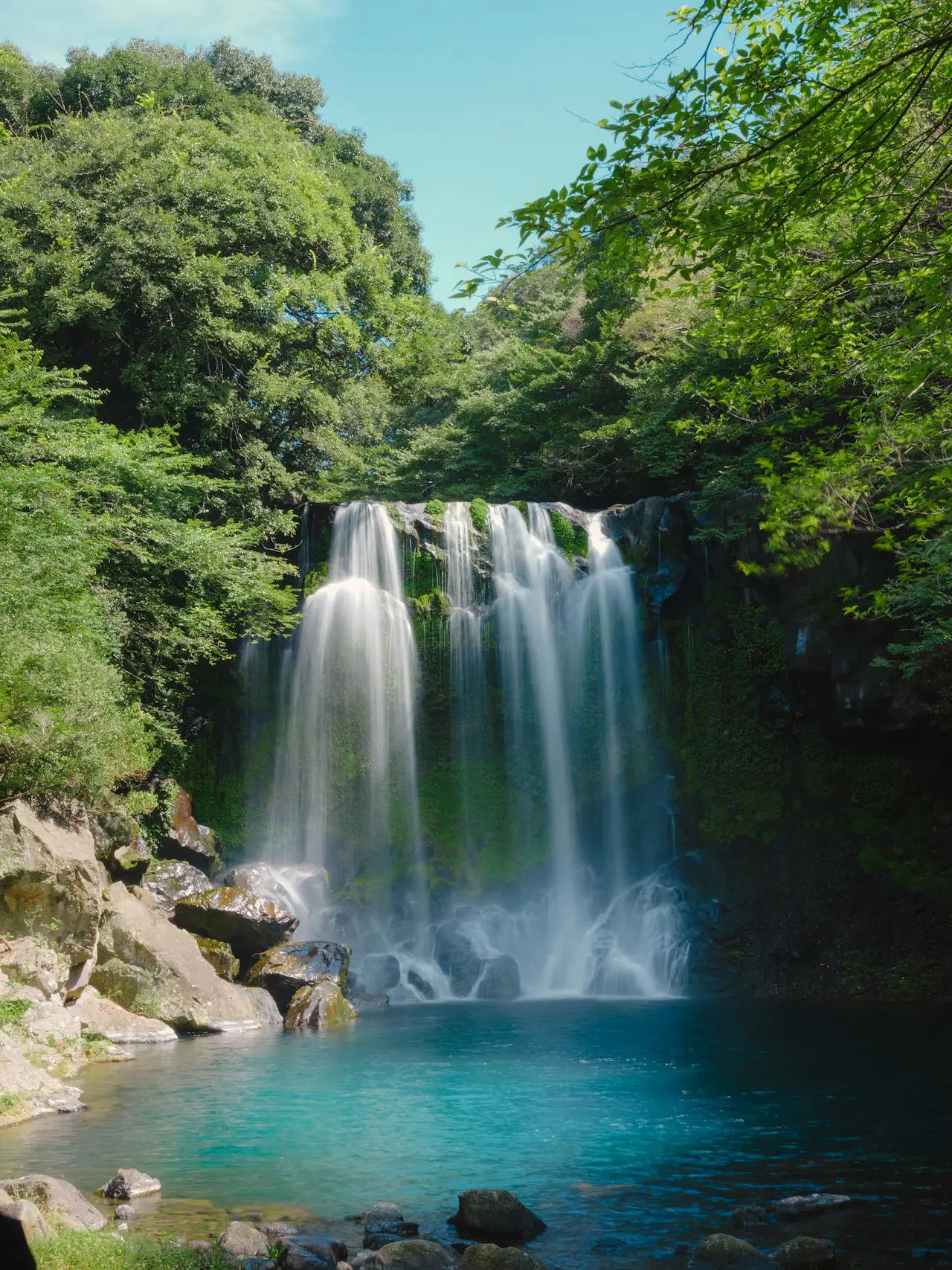
Best for: Coastal scenery, volcanic landscapes, walking trails, local food, and an island trip with established tourism services
Best time in September: Later September, while checking current weather forecasts
One of my friends from South Korea told me about and recommended this island long ago. Jeju Island is South Korea’s natural paradise, with volcanic landscapes, beaches, forests, waterfalls, and a culture that differs from the mainland.
Hallasan is South Korea’s highest mountain, while the Jeju Olle network follows coastal paths, village roads, and countryside routes around the island. Visitors can also explore oreum volcanic cones, lava formations, markets, beaches, and restaurants serving seafood and Jeju’s famous black pork.
My friend told me that daytime highs can be around 26°C and the humidity can feel more manageable than during the height of summer. Official Jeju tourism information describes September as the beginning of autumn, with gradually more pleasant conditions and seasonal scenery such as silver grass and pink muhly.
September weather is not completely settled. Rain can continue into early autumn, and typhoons occasionally affect the island, causing flight, ferry, trail, or attraction disruption. Travelers should keep some flexibility and avoid scheduling a crucial ferry or flight connection with no margin for weather delays.
Jeju is easier to organize than Ladakh, Bhutan, or the Gobi, but it still rewards visitors who rent a car or plan transport carefully because attractions are spread across the island. Some early citrus varieties may appear in September, but Jeju’s main mandarin season is associated more strongly with later autumn.
9. Sabah, Malaysian Borneo
Best for: Orangutans, river safaris, rainforest walks, birds, and guided wildlife experiences
Best time in September: Any part of the month, with heat, humidity, and rain always possible
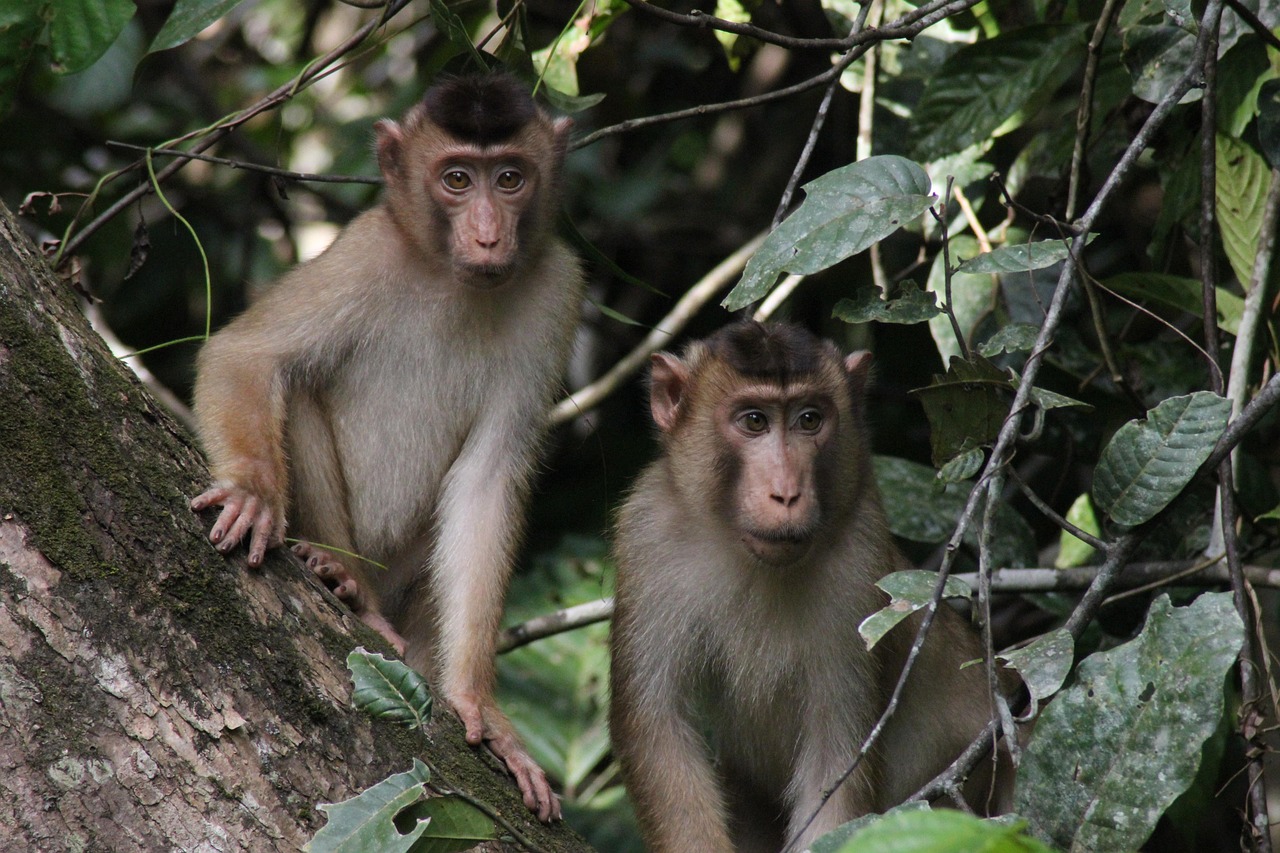
Sabah, on the Malaysian side of Borneo, offers two very different wildlife experiences: the Danum Valley Conservation Area and the Kinabatangan River.
Danum Valley protects a large area of lowland rainforest and is known for guided walks, birdwatching, night drives, canopy experiences, and possible sightings of orangutans, gibbons, hornbills, pygmy elephants, and many smaller species. Access must be arranged in advance, including permission, transport, and accommodation. This makes Danum Valley more immersive, but also more expensive and logistically demanding.
Kinabatangan is easier to combine with Sandakan and Sepilok. Dawn and late-afternoon river cruises provide opportunities to see proboscis monkeys, hornbills, crocodiles, orangutans, and occasionally pygmy elephants along the riverbanks. Wildlife sightings are never guaranteed, which is part of traveling in a natural habitat rather than a controlled attraction.
September is neither a low-humidity nor a reliably dry month in Sabah. Sabah is tropical, and rainforest showers can occur throughout the year. Light, quick-drying clothing, insect protection, waterproof storage, and patience are more useful than expecting consistently clear skies.
Borneo remains one of the world’s great wildlife destinations. Choose Danum Valley for a deeper rainforest stay and Kinabatangan for river-based wildlife viewing that fits more easily into a broader Sabah itinerary.
10. Gobi Desert, Mongolia
Best for: Desert landscapes, stargazing, nomadic culture, fossils, and remote adventure
Best time in September: Early September
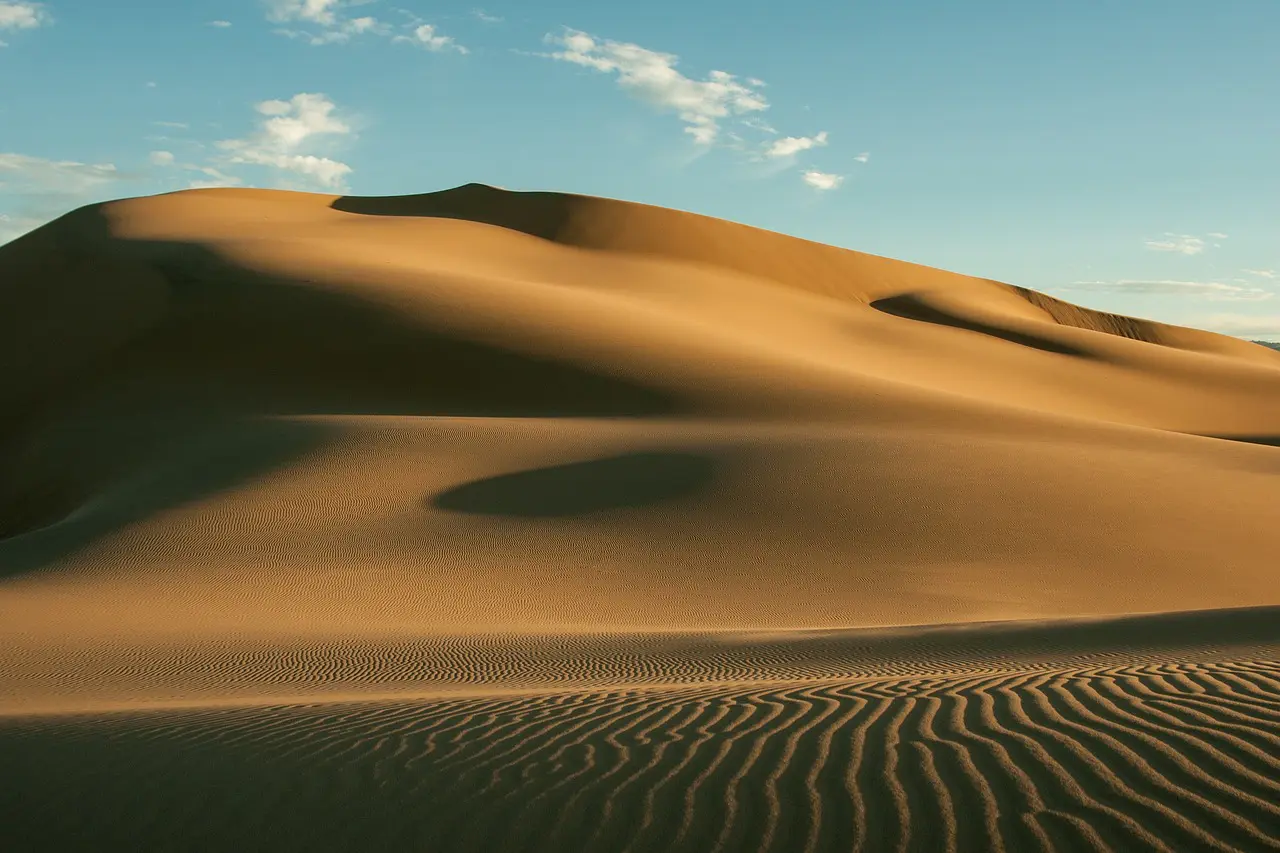
The Gobi Desert is the most remote and unconventional choice on this list. Its attractions are separated by long distances, and a trip may include the Flaming Cliffs at Bayanzag, the Khongoryn Els dunes, Yolyn Am, camel experiences, and stays in ger camps.
September is one of the more comfortable months for the Gobi because the extreme summer heat has eased. Mongolia’s official tourism information identifies June and September as favorable periods for the desert. However, Mongolia has a highly variable continental climate, and visitors should prepare for warm sun, wind, cold evenings, and major temperature changes within the same day.
Conditions become colder as the month progresses. Some seasonal camps and services may begin reducing operations later in September, so accommodation and route details should be confirmed before arrival. The Gobi is not a destination where travelers should expect to improvise transportation after landing. Most routes require an experienced driver, guide, organized tour, or carefully arranged private plan.
If your Mongolia itinerary continues into the center of the country, Kharkhorin and the Orkhon Valley introduce a different landscape and history. Erdene Zuu Monastery stands near the site of Karakorum, the former Mongol imperial capital. Combining the Gobi with Kharkhorin adds history and monastery visits to a journey otherwise dominated by desert landscapes.

ID 170455179 ©Mikhail Kokhanchikov | Dreamstime.com
The Gobi rewards travelers who are comfortable with long drives, basic facilities, changing weather, and limited connectivity. It is a much stronger choice for prepared adventure travelers than for someone seeking a simple first trip to Asia.
Is Early or Late September Better for Visiting Asia?
Early September
Early September is generally preferable for the Gobi and Ladakh. Mongolia is warmer at the beginning of the month, while Ladakh’s nights and high passes become colder as autumn advances. Bali also remains a strong option throughout this period.
Jeju, northern Vietnam, and Bhutan may still experience more summer-like humidity, rain, or cloud early in the month. These places can still be enjoyable, but weather flexibility becomes more important.
Mid-September
Mid-September is an excellent target for Daisetsuzan in Hokkaido, where high-elevation foliage can be near its seasonal best. Northern Vietnam’s terraces begin showing more gold, although harvest timing varies. Uzbekistan also becomes more comfortable as the month moves away from summer heat.
Late September
Late September offers some of the month’s most distinctive experiences: golden rice fields in northern Vietnam, the currently scheduled Thimphu Tshechu in Bhutan, the first stronger autumn colors in Jiuzhaigou, and more autumnal scenery on Jeju.
There is no universal date when monsoon or typhoon risk ends. A late-September trip still requires current forecasts, flexible transport plans, and realistic expectations.
Which Asian Destination Should You Choose in September?
For beaches and easier trip planning
Choose Bali. It offers the widest accommodation range, well-established tourism services, beaches, temples, restaurants, and the possibility of combining several styles of holiday in one trip.
For early autumn colors
Choose Daisetsuzan in Hokkaido around early-to-mid September. Jiuzhaigou becomes a stronger fall-color option later in the month, although October usually brings more extensive color.
For rice terraces and photography
Choose Mù Cang Chải or another northern Vietnam terrace region. Harvest timing changes each year, so verify recent conditions before finalizing your dates.
For history and architecture
Choose Uzbekistan. Samarkand, Bukhara, and Khiva provide the most substantial cultural route in this list, with later September generally offering more comfortable sightseeing.
For festivals and Himalayan culture
Choose Bhutan in late September. The Thimphu Tshechu provides a clear cultural reason to travel, but costs, visa arrangements, weather, and demand need to be considered early.
For wildlife
Choose Sabah. Kinabatangan is the more accessible option, while Danum Valley offers a deeper rainforest experience that requires greater expense and organization.
For high-altitude landscapes
Choose Ladakh only when your itinerary allows time for acclimatization. Its scenery is remarkable, but altitude changes the way the trip must be planned.
For a remote adventure
Choose the Gobi. It offers enormous landscapes, dark skies, and cultural encounters, but long drives and changing weather are part of the experience.
When September May Not Be the Best Month for Your Asia Trip
September may not suit travelers who need a guarantee of rain-free weather. Even Bali can receive showers, while Jeju, Bhutan, northern Vietnam, and Sabah require more flexibility.
It can also be a difficult month for travelers who dislike changing temperatures. Ladakh, Mongolia, and high-elevation Hokkaido may feel pleasant in the sun and cold shortly after sunset. Packing only for the daytime forecast is a mistake.
Travelers with inflexible flight, ferry, or hiking schedules should be cautious in destinations affected by tropical storms or mountain weather. A plan with no spare time can become stressful when a ferry is canceled, a trail closes, or a mountain road takes longer than expected.
September is at its best when the destination has a specific seasonal advantage and the itinerary leaves room for conditions to change.
What to Pack for Asia in September
There is no single September packing list for all of Asia. Bali and Sabah require light, breathable clothing, while Mongolia, Ladakh, Bhutan, and Daisetsuzan need warm layers. A light waterproof jacket is useful in almost every destination on this list.
Bring shoes suited to the actual trip. City footwear is not enough for wet rice-terrace paths, high-altitude trails, rainforest walks, or long days in Jiuzhaigou. Sun protection remains important even in cooler destinations because altitude can make exposure stronger.
For tropical and rainforest areas, add insect repellent, quick-drying clothes, and waterproof storage for electronics. For Ladakh, discuss medication and altitude concerns with a medical professional before travel rather than relying on advice after arrival.
Before paying for flights, check passport validity, visa or permit rules, transit requirements, and entry documents using an international travel document checklist. It is also useful to save essential details offline and review the travel items people forget before closing your suitcase.
Conclusion
The best places to visit in Asia in September are not all experiencing the same season. Bali and Uzbekistan offer relatively dependable choices for travelers prioritizing drier conditions. Hokkaido, northern Vietnam, Bhutan, and Jiuzhaigou provide stronger September-specific scenery or events. Ladakh, Sabah, Jeju, and the Gobi can be extraordinary, but each requires a different kind of flexibility.
The strongest choice is the destination whose seasonal advantage matches the trip you actually want. Consider the part of September, the transport involved, the physical demands, and the main weather risk before deciding.
Frequently Asked Questions About Visiting Asia in September
Is September a good month to visit Asia?
Yes, September can be an excellent month for selected parts of Asia. Bali remains within its general dry season, Uzbekistan enters its autumn travel period, high-elevation Hokkaido begins changing color, and northern Vietnam approaches rice harvest. Other areas may still experience monsoon rain, humidity, typhoons, or cold mountain nights.
Where in Asia is usually driest in September?
Bali and central Uzbekistan are among the more dependable choices for lower rainfall in September. Neither destination can guarantee completely dry weather, but both are generally stronger options than regions still affected by active monsoon conditions.
Is Southeast Asia rainy in September?
Some parts are rainy, but Southeast Asia is too large for one answer. Bali is usually in its dry season, while northern Vietnam can still receive rain during the harvest period. Sabah is humid and rainy throughout the year because of its tropical rainforest climate. Conditions may also differ considerably between two coasts or islands in the same country.
Is early or late September better for visiting Asia?
Early September is generally better for warmer conditions in Mongolia and Ladakh. Mid-September is strong for high-elevation foliage in Hokkaido. Late September is often better for northern Vietnam’s golden terraces, Bhutan’s festival period, and more visible autumn changes in Jiuzhaigou.
What is the best beach destination in Asia in September?
Bali is the strongest beach choice among the destinations in this guide because September is generally part of its dry season. Rain, wind, waves, and boat conditions still vary, so daily forecasts remain important.
Are typhoons common in Asia in September?
September remains part of the tropical-storm season in parts of East and Southeast Asia. Japan and South Korea can be affected, while storms elsewhere may disrupt regional flights or ferries. Check current forecasts and leave extra time around connections that depend on weather.
Which major events take place in Asia in September 2026?
The Sapporo Autumn Fest is officially scheduled for September 10–October 2, 2026. Bhutan travel calendars currently list the Thimphu Tshechu for September 21–23, 2026. Event dates and programs can change, so confirm them on official or organizer websites before making non-refundable bookings.
Is September a good month for a first trip to Asia?
Yes, provided you choose a destination that matches your comfort level. Bali, Jeju, Hokkaido, and Uzbekistan have established tourism infrastructure. Ladakh, Danum Valley, Bhutan, and the Gobi involve more complex logistics, greater physical demands, higher costs, or more advance planning.
Weather patterns, festival schedules, access details, and seasonal information were reviewed during the July 2026 update. Conditions can change, particularly in mountain and tropical-storm-affected destinations, so confirm current local information before booking.
Photo sources (apart from the pictures from Dreamstime): 1, 2, 3, 4, 5, 6, 7, 8
More amazing articles for you:
Local’s Guide to Queens, New York: What to See, Eat & Do Beyond Manhattan
Top Places in Asia by Instagram Likes (infographic included)
The best guide to Mahabalipuram, Tamil Nadu, India
You Just Embarrassed Yourself in Front of Everyone - Research Found One Reaction That Can Improve Ho...
175 Europe Travel Trivia Questions (With Answers) by Category (How Many Can You Get Right?)
Here’s Why Niagara Falls Is a Must-See Destination in Canada
Ill on Vacation/Holiday - What to Do Next
How to Travel in Winter Without Getting Sick (What Actually Helps)

Violeta-Loredana Pascal is a communications expert, business mentor, and the founder of Earth’s Attractions and PRwave INTERNATIONAL. A pioneer in the Romanian digital PR landscape since 2005, she holds a degree in Communication and Social Sciences from SNSPA Bucharest. Violeta is a senior trainer at AcademiadeAfaceri.ro, where she leverages over 20 years of experience to teach professional courses in PR strategy and workplace productivity. By blending high-level business consulting with a passion for holistic travel and wellness, she empowers solopreneurs to overcome procrastination, build profitable brands, and design a life of purposeful adventure.