Milan is one of those cities people think they understand, until they arrive. It’s often labeled “not very Italian”, “too modern”, or “just a business city”. My husband has been to Milan several times for work. Hearing about the city through those trips gave me a very different picture than the one most tourist guides paint – a city shaped by daily routines, business, and local life, not by sightseeing alone.
This guide covers everything you need to know before visiting Milan, so you can avoid the common mistakes, understand the city’s rhythm, and actually enjoy it.
Olympic Update: Milan, February 2026
- Current Status: The Winter Games are officially underway (Feb 6–22)! While the eyes of the world are on the San Siro for the ceremonies and the Ice Skating Arena for the medals, the city’s heart is beating faster than ever.
- The Medals Plaza: This is currently located in Piazza del Duomo. Expect heavy security and large crowds here every evening between 6:00 PM and 8:00 PM.
- Transport Tip: The M5 (Purple Metro Line) is the main artery for Olympic venues. If you want to experience the “Local Milan” mentioned in this guide, stick to the M3 (Yellow) or M1 (Red) to explore Brera and the historic center.
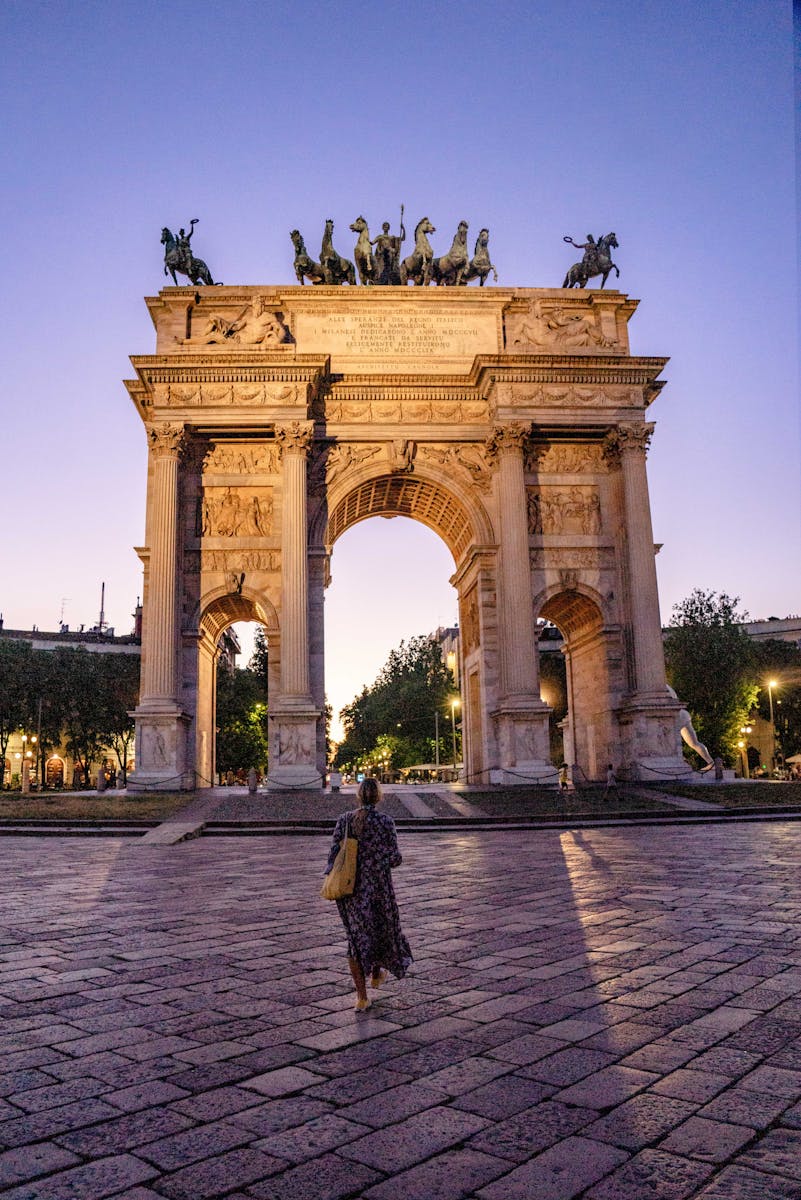
- The Cauldron: Don’t miss the Olympic Flame at the Arco della Pace (Parco Sempione) – it’s the perfect spot for a photo before heading into the Brera district for dinner.
Is Milan Worth Visiting?
Short answer: yes, if you know why you’re going.
Milan is not Rome, Florence, or Venice. It doesn’t overwhelm you with ruins on every corner or postcard-perfect canals at first glance, but it offers some of the best things to see in Italy. What Milan offers instead is:
- a working Italian city
- a global capital of fashion, design, and business
- excellent food without constant tourist theater
- easy access to northern Italy’s best day trips
If you want dramatic scenery and Renaissance overload, Milan may not be love at first sight. But if you appreciate cities that reveal themselves slowly – through neighborhoods, cafés, aperitivo hours, and everyday life – then Milan is absolutely worth visiting.
Top Attractions in Milan (What’s Actually Worth Your Time)
Milan doesn’t overwhelm you with attractions the way Rome does, but the few it does have are genuinely exceptional if you approach them correctly. These are the ones that consistently justify their hype.
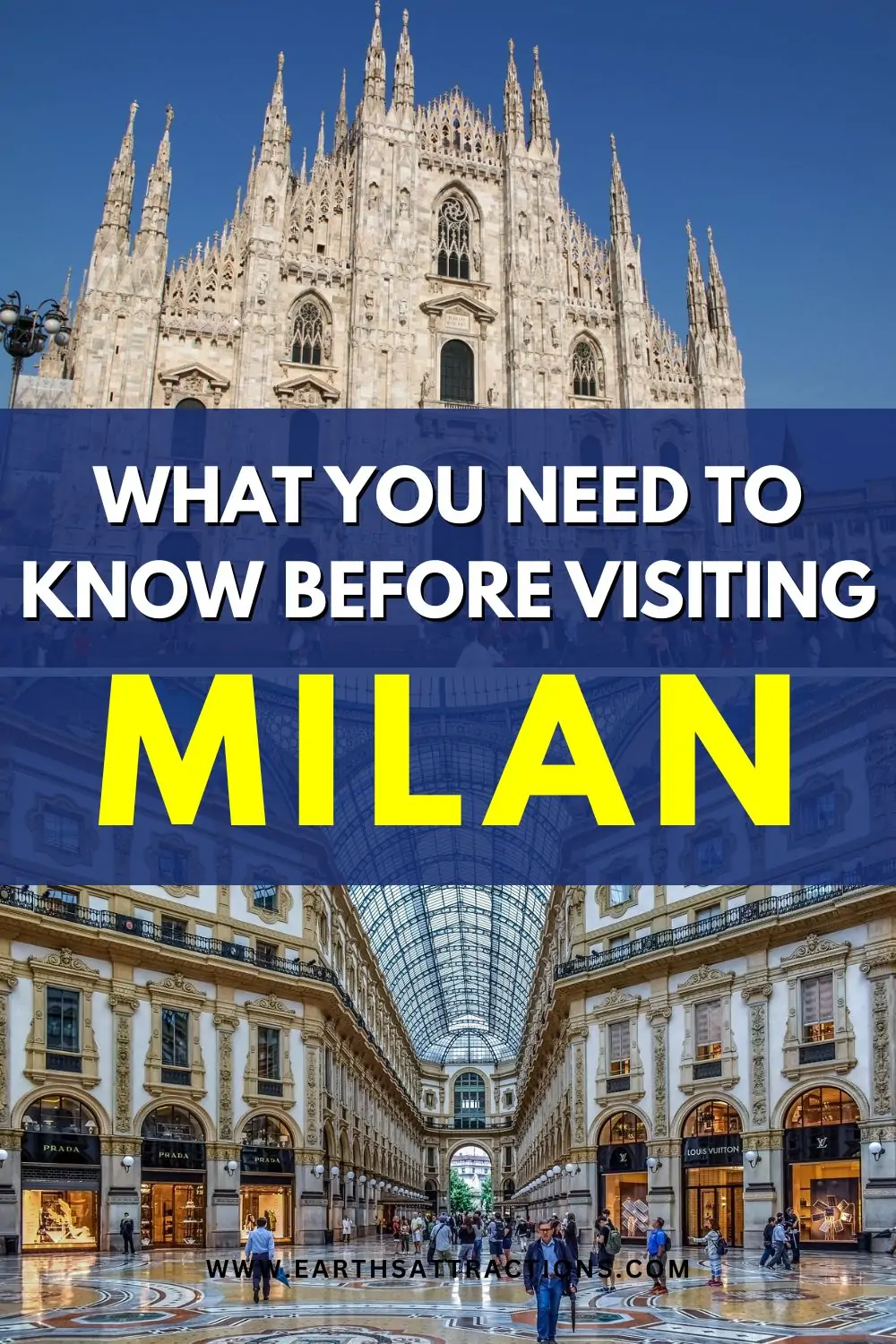
Visiting the Duomo in Milan: Tickets, Dress Code & Timing
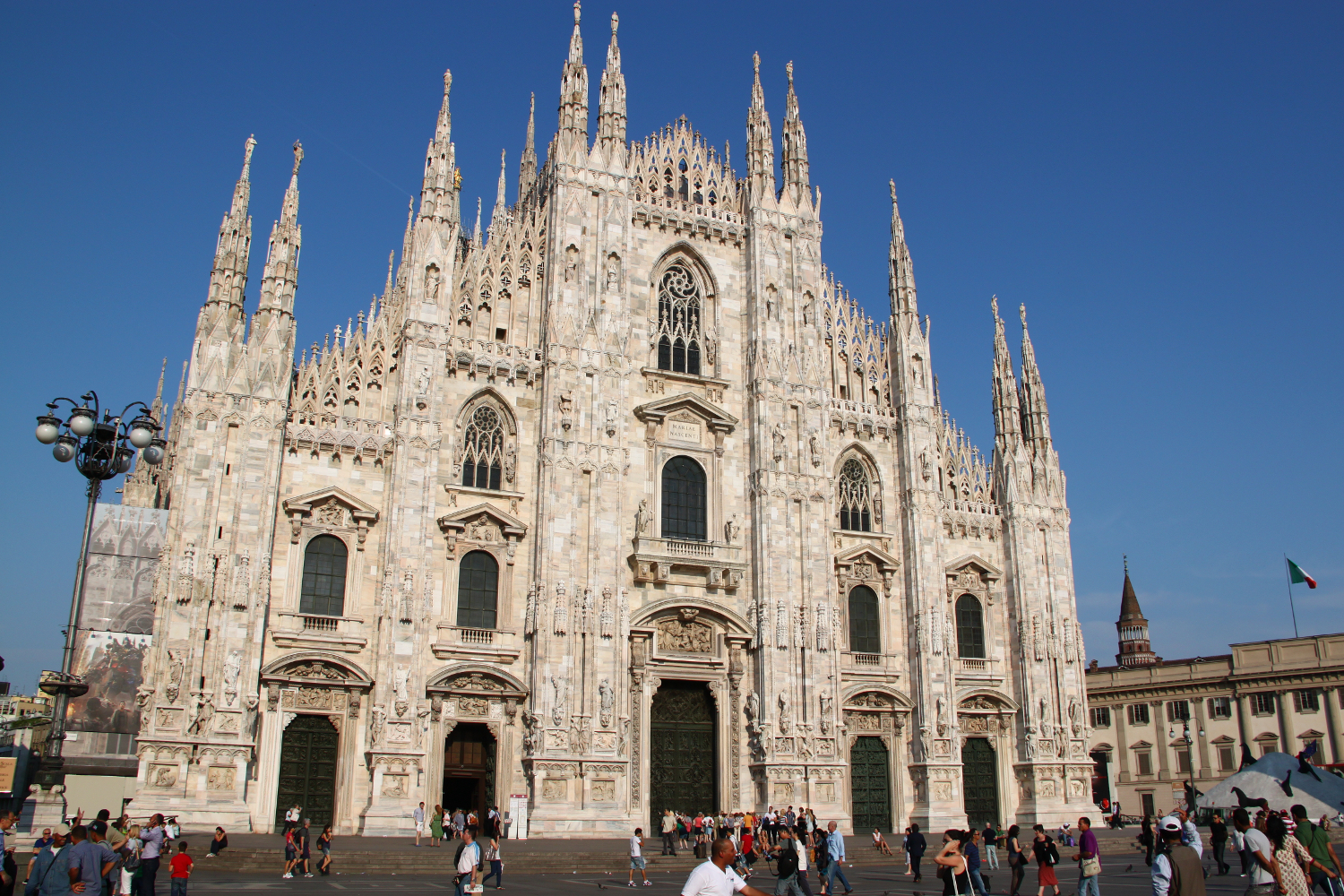
The Duomo is not just Milan’s symbol – it’s one of the most elaborate Gothic cathedrals in Europe.
What most guides don’t emphasize enough:
- The rooftop is the real highlight, not just the interior. BTW: there is a fast-track elevator option. It’s more expensive, but for someone on a tight “business-style” schedule, it’s a lifesaver.
- You walk among the spires, not just view them from above
- Dress code is enforced (no exceptions) – covered shoulders and knees
- You cannot enter with luggage or large bags. (as my husband found out during his first trip, when he tried to visit it before leaving the city) If you’re arriving straight from the airport, use the official luggage lockers located nearby (like ‘Stow Your Bags’) as the Cathedral does not have its own cloakroom for suitcases.
- Early morning or late afternoon is best
- Tickets sell out – book ahead
If you only do one major attraction in Milan, make it this – again, book tickets in advance.
Galleria Vittorio Emanuele II
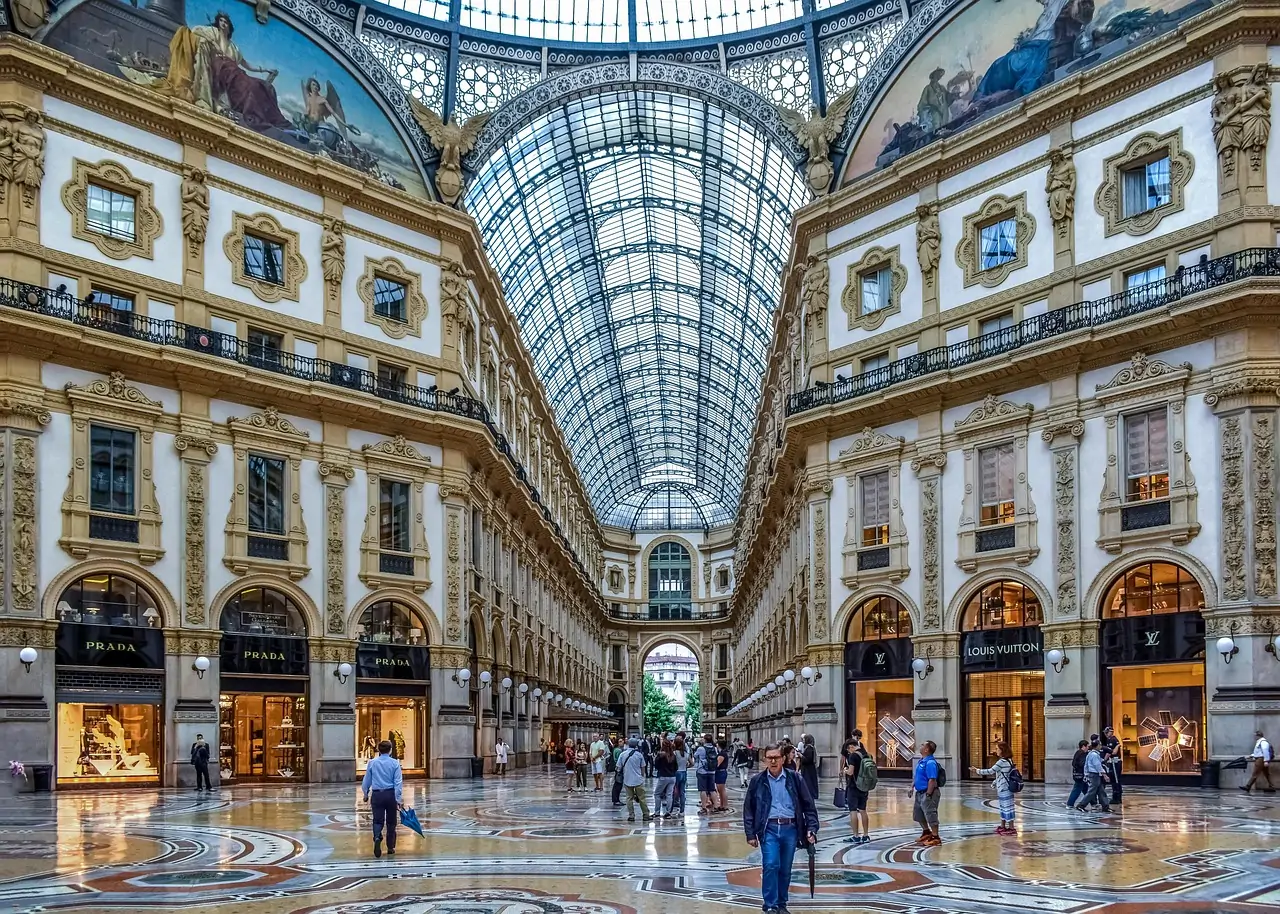
Yes, it’s touristy. Yes, it’s worth it.
This 19th-century arcade connects the Duomo to La Scala and feels more like a monument than a mall. Go for:
- Architecture and atmosphere
- A quick espresso at the bar (standing, like locals)
- People-watching, not shopping
Skip overpriced restaurants unless you’re paying for the setting knowingly.
Castello Sforzesco (Sforza Castle)
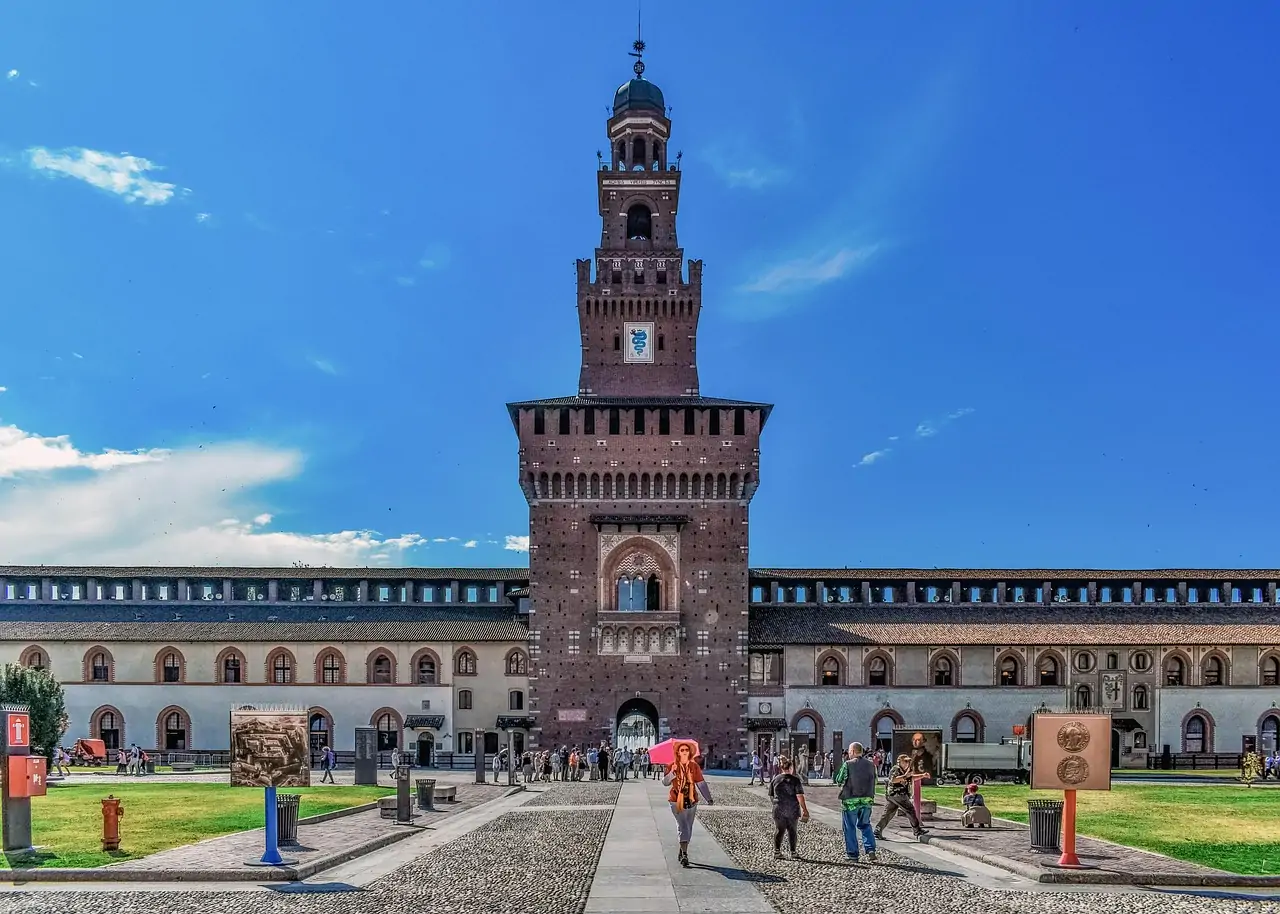
Often underestimated, the castle complex includes several museums and opens directly into Parco Sempione, Milan’s main green space. My husband loved it – as did a friend who visited a few years ago.
Why it’s worth visiting:
- Free access to the outer grounds
- Easy to combine with a walk or picnic
- Less mentally exhausting than church-hopping
Santa Maria delle Grazie & The Last Supper
Leonardo da Vinci’s The Last Supper is one of the most difficult artworks in the world to see because tickets sell out weeks in advance.
Important things to know:
- You get exactly 15 minutes inside
- Photography is now permitted, provided you do not use flash and do not take videos. Keep it quick to respect your 15-minute window.
- Last-minute tickets are extremely rare
If seeing it matters to you, plan your entire Milan itinerary around this booking.
Is There a Dress Code for The Last Supper?
Yes, and they are quite firm about it. Because The Last Supper (Il Cenacolo) is located in the refectory of the Santa Maria delle Grazie convent, it is considered a sacred site.
- The Rule: Your shoulders and knees must be covered.
- Avoid: Tank tops, short-shorts, or mini-skirts.
- Pro-Tip: If you’re visiting in the humid summer, carry a light linen scarf in your bag to wrap around your shoulders or waist before you enter. Unlike the Duomo, they don’t always provide paper cover-ups, and being turned away from a sold-out time slot is a heartbreak you want to avoid.
Teatro alla Scala: More Than Just an Opera House
Even if you aren’t an opera buff, Teatro alla Scala is a cornerstone of Milanese identity. The building’s exterior is surprisingly understated (another example of Milan hiding its beauty), but the interior is a sea of red velvet and gold leaf.
- The Museum: If you can’t get tickets for a performance, visit the La Scala Theatre Museum.
- The Secret View: A museum ticket often allows you to peek into the theatre boxes to see the auditorium itself, provided there isn’t a rehearsal in progress.
- The Vibe: Standing in the Piazza della Scala at night, watching the “beautiful people” arrive for a premiere, is the ultimate “Milan” experience.
Brera District
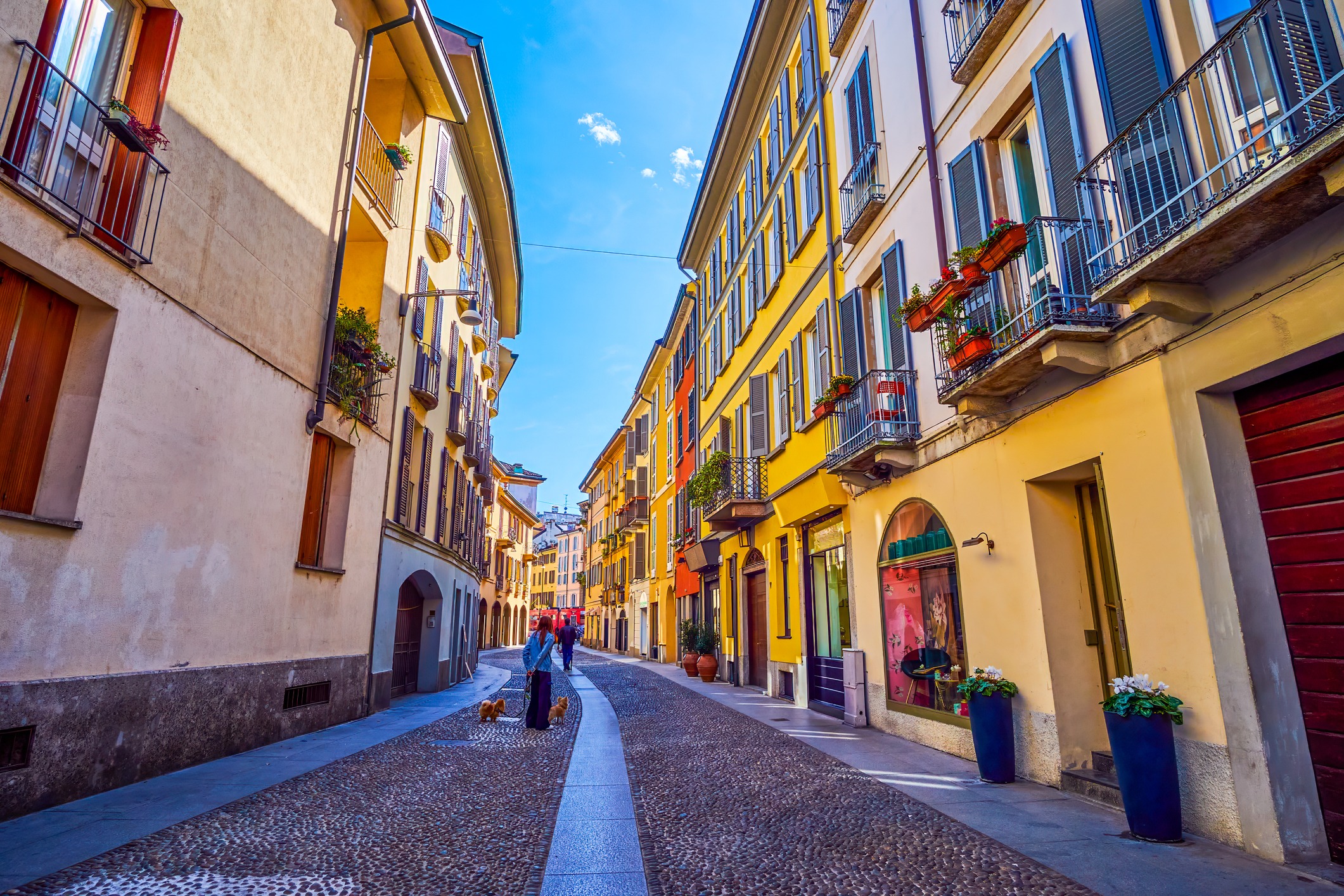
ID 362469185 ©Evgeniy Fesenko | Dreamstime.com
Brera isn’t one attraction – it’s a feeling.
Cobblestone streets, galleries, boutiques, and cafés make it one of the most enjoyable areas to explore slowly. Even if you skip the art gallery, Brera is worth your time just for wandering.
Hidden Gems in Milan (For Travelers Who Want More Than the Obvious)
If Milan clicks with you, it’s usually because of places like these, not the headline attractions.
Navigli Canals (At the Right Time)
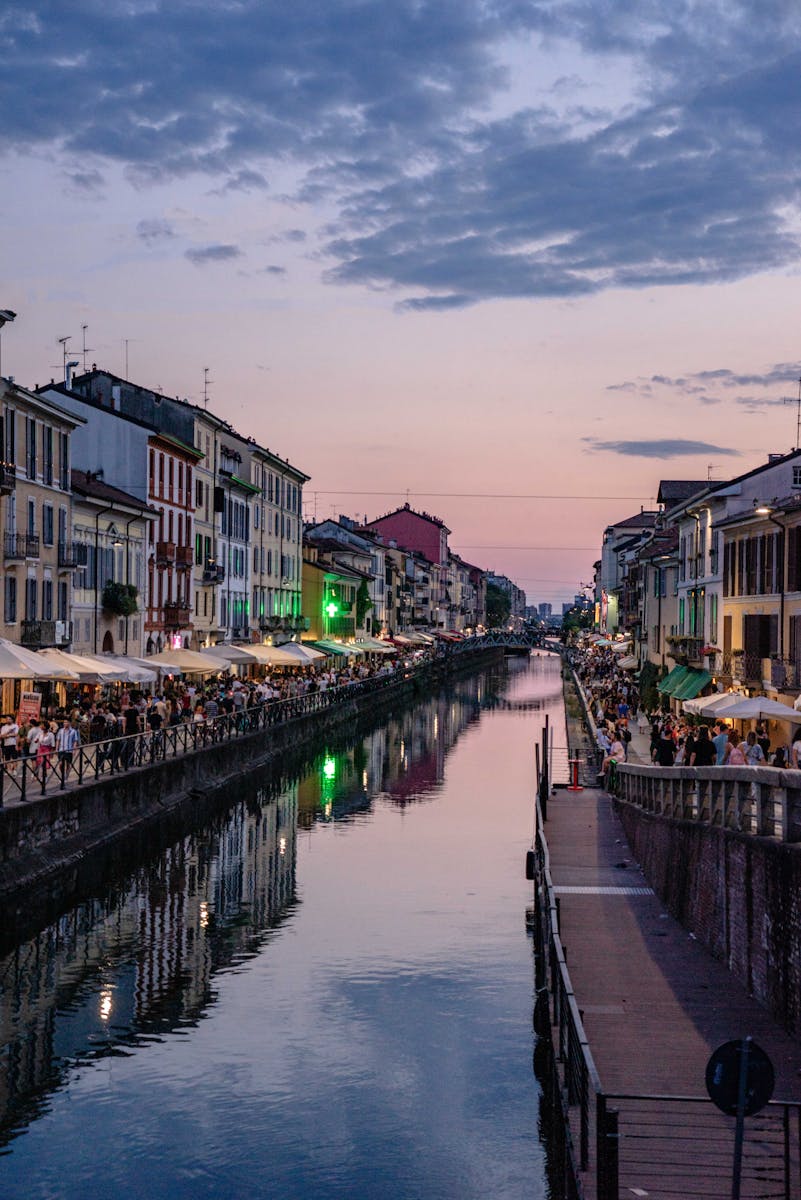
Designed in part by Leonardo da Vinci, Navigli is famous for aperitivo, but timing is everything.
- Late afternoon: atmospheric and pleasant
- Early evening: lively but still enjoyable
- Late night: crowded and chaotic
Go for a drink, not dinner, and leave before it turns into a party zone.
Don’t miss the “Vicolo dei Lavandai” – it’s a tiny side alley where women used to wash clothes. It’s the most “old world” part of the canals and very photogenic.
Cimitero Monumentale
This is one of Milan’s most surprising places – a cemetery that feels like an open-air sculpture museum.
Why it stands out:
- Monumental family tombs
- Art Nouveau and modernist styles
- Very few tourists
- It’s quiet, reflective, and unlike anything most visitors expect.
Bosco Verticale – Vertical Forest (From the Outside)
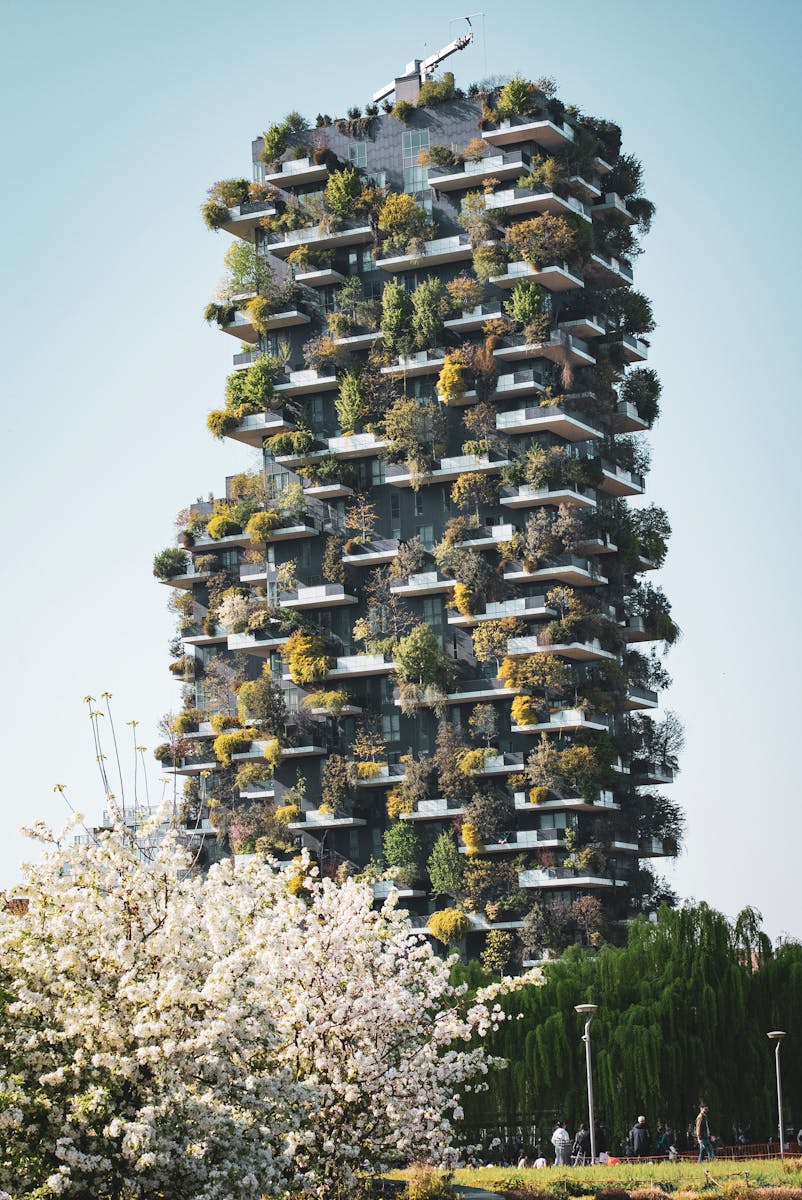
You can’t go inside – and you don’t need to.
These vertical forest towers symbolize Milan’s modern identity and sustainability push. Combine a visit with a walk through the Porta Nuova district to see how contemporary Milan lives and works.
San Bernardino alle Ossa
Small, eerie, and unforgettable.
This church’s ossuary chapel is decorated with human bones and skulls – not in a horror-movie way, but as a historical memento mori. It’s quick to visit and leaves a strong impression.
Porta Nuova & Isola
If you want to understand modern Milan, this is where to go.
Glass towers, innovative architecture, cafés full of professionals – this area shows why Milan is Italy’s economic engine. It’s also where my husband spent much of his time during business trips, and it gives a completely different perspective from historic Milan.
How to Combine Attractions & Hidden Gems Without Burning Out
The key to Milan is contrast:
- One major attraction per half-day
- One neighborhood walk
- One aperitivo stop
Milan rewards travelers who leave space for observation – not those who try to “conquer” it.
Best Time to Visit Milan (Weather, Crowds & Prices)
- Spring (April–May) and Fall (September–October) are the sweet spots. Mild weather, manageable crowds, and a lively city atmosphere make these months ideal.
- Summer (June–August): hot, humid, and quieter as locals leave the city
- Winter (December–February): cold and gray, but great for museums and shopping
- Fashion Week & Design Week: exciting but crowded and expensive – book early
If you want Milan at its best without peak-season stress, late April or early October are hard to beat.
How Many Days You Really Need in Milan
- 1 day: enough for the Duomo, a walk through the center, and aperitivo
- 2 days: ideal for first-time visitors
- 3+ days: perfect if you add day trips or explore deeper neighborhoods
Many travelers rush Milan in a single day and leave underwhelmed. Give it at least two days to see why locals love it.
Getting to Milan: Airports, Trains & Arrival Tips
Milan is served by three airports:
- Malpensa (MXP): long-haul and international flights
- Linate (LIN): closest to the city, mostly European routes
- Bergamo (BGY): popular with low-cost airlines
Trains arrive at Milano Centrale or Garibaldi, both well-connected. From experience (and from my husband’s many business arrivals), trains are often smoother than flying within Italy.
How to Get From Malpensa (MXP) to Milan City Center
For most travelers, the Malpensa Express train is the gold standard for getting into the city. It’s faster and more reliable than a taxi or bus, especially during Milan’s notorious rush hour.
- The Route: Trains run every 30 minutes from both Terminal 1 and Terminal 2.
- The Destinations: You can choose trains heading to Milano Centrale (best for connections) or Milano Cadorna (closer to the Duomo and Brera).
- Tickets: A one-way ticket is €15 (2026 pricing). You can “Tap-and-Go” at the gates with your contactless card, just remember to tap out at your destination to avoid a fine! Read this article on Italy mistakes that can get you fined.
Getting Around Milan (Transport That Actually Works)
Milan’s public transport is efficient and eay to use:
- Metro, trams, and buses cover the city well
- Contactless payments work on all ATM city lines (Metro, Bus, and Tram)
- Walking is often faster in the historic center
- Driving is unnecessary and discouraged due to ZTL zones and traffic restrictions.
Is the Milan Pass Worth It?
If you plan to “conquer” the city in 48 or 72 hours, the Milan Pass can be a great deal, but it’s not a one-size-fits-all solution.
- The Pro: It includes the Duomo (rooftops included!), La Scala Museum, and several other top-tier spots, plus your choice of a Hop-On Hop-Off bus or a standard public transport card.
- The Catch: You need to visit at least three major paid attractions to break even.
- Verdict: If you’re staying central and mostly walking, skip it. If you want the convenience of one digital ticket for the Duomo, the Metro, and the Sforzesco Castle museums, it’s a solid time-saver.
Where to Stay in Milan (Best Areas for First-Time Visitors)
Choosing the right neighborhood matters more in Milan than in many Italian cities.
- Historic Center: convenient but pricey
- Brera: charming, walkable, great dining
- Navigli: lively aperitivo scene (expect noise at night)
- Porta Nuova / Isola: modern, clean, business-friendly
Avoid staying too far out just to save money, as commuting eats into your experience.
Is Milan Expensive? What Things Actually Cost
Milan can be expensive, but it doesn’t have to be.
- Coffee at the bar: affordable
- Aperitivo: often replaces dinner
- Restaurants: wide range if you avoid tourist traps
- Hotels: higher than average, especially during events
Milan rewards travelers who follow local habits rather than tourist routines.
What to Eat in Milan (And What to Skip)
Must-try dishes include:
- Risotto alla Milanese
- Ossobuco
- Cotoletta alla Milanese. Fun fact: a real Cotoletta alla Milanese is bone-in. If it’s thin and boneless, it’s just an orecchia d’elefante (elephant’s ear) – still good, but not the “official” version!
Aperitivo is a Milan institution, but not all aperitivo is equal. Skip places advertising “unlimited buffets” and follow locals into smaller bars where quality matters more than quantity.
Shopping in Milan: What to Expect (And What’s Overrated)
Milan is fashion royalty, but that doesn’t mean bargains everywhere.
- Luxury shopping is concentrated around the Quadrilatero
- High-street options are plentiful
- Sales seasons are worth planning around. If you’re hunting for bargains, plan for the official Saldi (sales) which strictly begin in early January (Winter) and early July (Summer).
- The Galleria is stunning, but mostly for photos
Shop with intention, not expectations of discounts.
Best Day Trips From Milan
One of Milan’s biggest advantages is its location. From here you can get to:
- Lake Como: beautiful but crowded – manage expectations
- Bergamo: fantastic value and atmosphere – this is one of the lesser-known places to visit in Italy – totally worth it though!
- Verona: doable, but a long day
- Turin: underrated and elegant – read here a complete guide to visiting Turin
Day trips often end up being travelers’ favorite part of their Milan stay.
Milan Cultural Etiquette & Local Rules Tourists Miss
Before your Milan trip, you should know that:
- Dress matters more here than in most Italian cities
- Aperitivo has unspoken rules (don’t overdo the snacks)
- Coffee culture favors standing at the bar
- Tipping is minimal and not expected. Maybe near the Duomo (Tipping is still not mandatory or expected, but rounding up the bill or leaving a few Euros is becoming a more common gesture of appreciation)
- Milanese culture values efficiency, discretion, and style.
Common Milan Travel Mistakes (And How to Avoid Them)
- Expecting Florence-level sightseeing
- Staying too far outside the center
- Eating near major attractions
- Visiting only tourist highlights
- Ignoring daily rhythms
Safety, Scams & Practical Warnings in Milan
Milan is generally safe, but:
- Pickpocketing occurs around transit hubs – here is how to avoid pickpockets
- Street scams target distracted tourists
- Taxis should always be official
Stay alert, not anxious. And yes, read this guide on scams in Europe – so that you can be prepared.
Visiting Milan With Kids or Teens
Milan works surprisingly well for families:
- Interactive museums
- Easy transport
- Parks and wide streets
- Short distances between attractions
It’s more manageable than many historic Italian cities.
Milan vs. Other Cities: Which One is For You?
If Rome is an open-air museum and Florence is a Renaissance jewelry box, Milan is an open-air runway.
While Rome overwhelms you with the weight of the past, Milan is focused on the pace of the future. It is Italy’s most cosmopolitan hub – a place where the “sights” aren’t just ruins, but the people, the showrooms, and the innovative dining scene.
Choose Milan if you prefer a lifestyle-focused trip over a purely historical one. It’s the perfect destination for travelers who want world-class art (like The Last Supper) but also want to experience the energy of a functioning, stylish European metropolis.
A Quick History: Why Milan Doesn’t Feel Like the Rest of Italy
To understand Milan’s modern, efficient pulse, you have to look at its “non-Italian” past. Unlike the sun-drenched ruins of the south, Milan’s story is one of northern influence, industrial grit, and survival.
- The Roman Capital: Long before Rome was the sole center of power, Milan (then called Mediolanum) was the capital of the Western Roman Empire (286–402 AD). This is where the Edict of Milan was signed, legalizing Christianity.
- The “Half-Woolly” Sow: Legend says the city was founded by the Celts after they saw a mythical “half-woolly sow” (a boar with wool on one side). You can still find a small stone carving of this creature on the Palazzo della Ragione in Piazza dei Mercanti.
- Foreign Rule: Milan spent centuries under the control of the Spanish, the French (Napoleon made it his capital!), and the Austrian Empire. This Austrian influence is why the city has a grand, neoclassical elegance that feels more like Vienna than Venice.
- The 600-Year Cathedral: The Duomo took nearly six centuries to complete (1386–1965). Because it took so long, it’s a mix of Gothic, Renaissance, and Neoclassical styles, a perfect metaphor for the city’s layers.
- Post-War Resurrection: Heavily bombed in WWII, Milan didn’t just rebuild; it reinvented itself as the engine of Italy’s “Economic Miracle.” It chose skyscrapers and glass over ruins, cementing its status as the country’s financial and fashion heart.
How to Actually Enjoy Milan
Milan doesn’t try to charm you. It assumes you’ll keep up.
Once you adjust expectations – stop looking for postcard Italy and start observing daily life – Milan makes sense. It’s confident, stylish, efficient, and deeply Italian in its own way.
If you travel the way Milan lives – curious, unhurried, and observant – you’ll likely leave wanting to come back.
Frequently Asked Questions About Visiting Milan
Is Milan safe for tourists?
Yes, Milan is generally safe for tourists. Like any major city, pickpocketing can occur in busy areas like train stations or tourist zones, so stay alert. Violent crime is rare. Stick to well-lit streets at night and always use official taxis or public transport to get around safely.
Is Milan walkable?
Milan is highly walkable, especially in the city center. You can easily explore top attractions like the Duomo, Galleria Vittorio Emanuele II, and Brera on foot. For longer distances or when heading to districts like Navigli or Porta Nuova, the metro and trams are quick and reliable.
Do you need cash in Milan?
No, cash is rarely required in Milan. Most restaurants, shops, and transport systems accept credit cards or contactless payments. However, carrying a small amount of cash can be helpful for small cafés, markets, or bathroom fees in older establishments.
Is Milan good for first-time Italy visitors?
Yes, but with the right expectations. Milan is not like Rome or Florence—it’s a modern, working city with fewer tourist-centric attractions. It’s ideal for visitors interested in design, food, and urban culture, and pairs well with classic Italian destinations.
Can you see Milan in one day?
You can see Milan’s highlights in a day – like the Duomo, Galleria, and a quick walk through Brera or Navigli – but you’ll miss a lot of nuance. Two days allow for deeper experiences, better food, and a less rushed itinerary.
Is Milan expensive compared to Rome?
In some ways, yes. Milan can feel more expensive, especially when it comes to accommodation and dining in central districts. That said, both cities have affordable options if you avoid tourist traps and travel smart. Aperitivo culture in Milan can also offer great value.
Photo sources apart from Dreamstime and my own: 1, 2, 3, 4, 5