Seeing Paris up close was a dream come true for me, as I know it is for many other people. I had wanted to visit for years, and suddenly I was actually there – walking through the city, visiting museums I had read about, taking the Métro, seeing Versailles and finally going up the Eiffel Tower.
My husband had already traveled to France several times for work. We were both lucky enough to study some French in school, so we didn’t arrive without knowing a single word. But I realize that’s not everyone’s experience.
Knowing a little French before a trip to France can make many everyday situations easier. You don’t have to carry on a conversation. Sometimes all you need is bonjour, a polite way to ask for what you want, or enough vocabulary to recognize what someone has just asked you.
That’s why this isn’t only a list of French phrases to memorize. I’ve included useful French words for tourists, easy pronunciation, expressions you’ll actually need at hotels, restaurants, bakeries, train stations, on the Paris Métro, in museums and shops, plus several things you’re likely to hear in return.
If you’re still deciding where to go, these 100 places to visit in France cover destinations throughout the country. And if Paris is your main destination, my Paris travel tips for first-time visitors cover many of the practical details I learned during my own trip.

ID 46445073 ©Tomas Marek | Dreamstime.com
The pronunciation below is intentionally simple. It isn’t IPA and it won’t turn you into a French speaker. It’s an English-friendly approximation designed to help you say these travel phrases without having to learn French pronunciation first.
French Greetings and Polite Words You’ll Use Every Day
Say bonjour before asking a question, ordering something or walking up to a counter. You’ll hear bonsoir instead once you’re into the evening.
There isn’t a precise hour when everyone in France suddenly switches from one to the other, so don’t worry about memorizing a 5 PM rule. Use bonjour during the day and bonsoir in the evening.
| French | Easy pronunciation | Meaning |
|---|---|---|
| Bonjour | bohn-ZHOOR | Hello / good day |
| Bonsoir | bohn-SWAHR | Good evening |
| S’il vous plaît | seel voo PLEH | Please |
| Merci | mehr-SEE | Thank you |
| Merci beaucoup | mehr-SEE boh-KOO | Thank you very much |
| Excusez-moi | eks-kew-zay MWAH | Excuse me |
| Pardon | par-DOHN | Sorry / excuse me |
| Au revoir | oh ruh-VWAHR | Goodbye |
| Bonne journée | bun zhoor-NAY | Have a good day |
| Bonne soirée | bun swah-RAY | Have a good evening |
With people you don’t know, use vous rather than the informal tu. The phrases throughout this guide already use the polite form where it applies, so you don’t need to think about changing them.
Salut is a common way to say hi, but it’s informal. With hotel employees, restaurant staff, shopkeepers or someone you’re approaching for directions, bonjour or bonsoir is the easier choice.
Visitors from the US may encounter other small differences in daily interactions, hotels, restaurants and transportation. I’ve covered more of them in these things Americans should know before traveling to Europe.
What to Say When You Don’t Understand French
You may successfully order a coffee in French and then discover that understanding the answer is harder than placing the order. These phrases give you a way to slow things down or switch languages.
| French | Easy pronunciation | Meaning |
|---|---|---|
| Parlez-vous anglais ? | par-lay voo ahn-GLEH | Do you speak English? |
| Je parle un peu français. | zhuh parl uhn puh frahn-SEH | I speak a little French. |
| Je ne parle pas bien français. | zhuh nuh parl pah byan frahn-SEH | I don’t speak French well. |
| Je ne comprends pas. | zhuh nuh kohm-PRAHN pah | I don’t understand. |
| Pouvez-vous répéter ? | poo-vay voo ray-pay-TAY | Can you repeat that? |
| Plus lentement, s’il vous plaît. | ploo lahn-tuh-MAHN, seel voo PLEH | More slowly, please. |
| Pouvez-vous l’écrire ? | poo-vay voo lay-KREER | Can you write it down? |
| Qu’est-ce que ça veut dire ? | kes kuh sah vuh DEER | What does that mean? |
Excusez-moi works well when you’re trying to get someone’s attention before asking a question. Pardon is useful when you need to squeeze past someone, lightly bump into somebody or make a quick apology.
If you want to ask whether someone speaks English, Bonjour. Excusez-moi, parlez-vous anglais ? gives you a polite way to begin.
Useful French Phrases for Hotels
Your reservation confirmation will do much of the work at a hotel, but a few French phrases can help with breakfast, luggage, Wi-Fi and the little problems that sometimes appear once you’re in the room.
| French | Easy pronunciation | Meaning |
|---|---|---|
| J’ai une réservation au nom de… | zhay ewn ray-zair-vah-SYOHN oh nohn duh… | I have a reservation under the name… |
| Le petit-déjeuner est-il inclus ? | luh puh-TEE day-zhuh-NAY eh-teel ahn-KLOO | Is breakfast included? |
| À quelle heure est le petit-déjeuner ? | ah kel ur eh luh puh-TEE day-zhuh-NAY | What time is breakfast? |
| Quel est le mot de passe du Wi-Fi ? | kel eh luh moh duh pahs du wee-fee | What’s the Wi-Fi password? |
| Y a-t-il un ascenseur ? | ee ah teel uhn ah-sahn-SUR | Is there an elevator? |
| Puis-je laisser mes bagages ici ? | pwee zhuh lay-SAY may bah-GAHZH ee-SEE | Can I leave my luggage here? |
| À quelle heure faut-il libérer la chambre ? | ah kel ur foh-teel lee-bay-RAY lah SHAHN-bruh | What time is check-out? |
| La climatisation ne marche pas. | lah klee-mah-tee-zah-SYOHN nuh marsh pah | The air conditioning isn’t working. |
| La carte de la chambre ne marche pas. | lah kahrt duh lah SHAHN-bruh nuh marsh pah | The room key card isn’t working. |
| Il n’y a pas d’eau chaude. | eel nee ah pah doh shohd | There’s no hot water. |
If breakfast isn’t included in the rate, you can decide whether you want to add it or eat somewhere else. I’ve found that whether hotel breakfast is worth paying for depends on much more than the buffet price.
What you may hear at hotel reception
| French | Meaning |
|---|---|
| Une pièce d’identité, s’il vous plaît. | ID, please. |
| Pour combien de nuits ? | For how many nights? |
| Votre chambre n’est pas encore prête. | Your room isn’t ready yet. |
| Le petit-déjeuner est servi de 7 h à 10 h. | Breakfast is served from 7 to 10. |
| Votre chambre est au deuxième étage. | Your room is on the second floor. |
One hotel detail can confuse American travelers: the French rez-de-chaussée is the ground floor. Le premier étage is the first floor above it, so what a French hotel calls the first floor would normally be the second floor in the US.
Before arriving, I also check whether the hotel actually has the facilities I’ll need rather than discovering them at reception. Elevators, air conditioning, breakfast, luggage storage and check-in times are among the things in my hotel booking checklist. If you’re still choosing a base, these ideas for where to stay in France cover several very different parts of the country.
French Phrases for a Bakery or Café
ID 173232011 ©Flydragonfly | Dreamstime.com
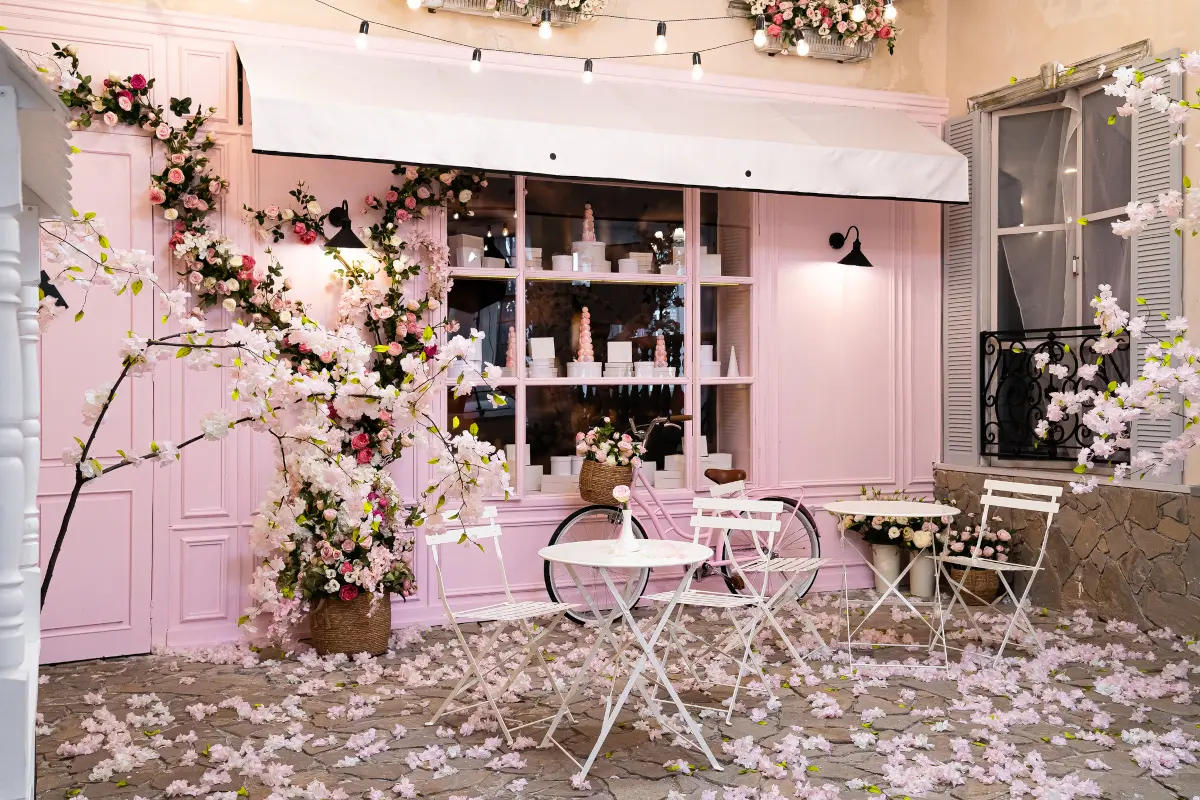
French bakery conversations tend to be short. Knowing what the person behind the counter may ask is often more useful than memorizing another ten ways to order.
| French | Easy pronunciation | Meaning |
|---|---|---|
| Je voudrais… | zhuh voo-DRAY | I would like… |
| Une baguette, s’il vous plaît. | ewn bah-GET, seel voo PLEH | One baguette, please. |
| Deux croissants, s’il vous plaît. | duh krwar-SAHN, seel voo PLEH | Two croissants, please. |
| Un café, s’il vous plaît. | uhn kah-FAY, seel voo PLEH | A coffee, please. |
| Un café crème, s’il vous plaît. | uhn kah-FAY krem, seel voo PLEH | A coffee with milk, please. |
| Sur place, s’il vous plaît. | sur plahs, seel voo PLEH | For here, please. |
| À emporter, s’il vous plaît. | ah ahn-por-TAY, seel voo PLEH | To go, please. |
| C’est tout, merci. | say too, mehr-SEE | That’s all, thank you. |
What you may hear at the counter
Sur place ou à emporter ? means “For here or to go?” You can simply answer sur place or à emporter.
Avec ceci ?, Autre chose ? and Ce sera tout ? are variations of “Anything else?” or “Will that be all?”
You may also hear Je vous le réchauffe ? if something can be warmed up. It means “Would you like me to heat it up?”
French Restaurant Phrases for Ordering Food and Paying
| French | Easy pronunciation | Meaning |
|---|---|---|
| Une table pour deux, s’il vous plaît. | ewn tah-bluh poor duh, seel voo PLEH | A table for two, please. |
| Nous avons une réservation au nom de… | noo zah-VOHN ewn ray-zair-vah-SYOHN oh nohn duh… | We have a reservation under the name… |
| Avez-vous une table en terrasse ? | ah-vay voo ewn tah-bluh ahn teh-RAHS | Do you have a table on the terrace? |
| La carte, s’il vous plaît. | lah kahrt, seel voo PLEH | The menu/list of dishes, please. |
| Je vais prendre… | zhuh vay prahndruh… | I’ll have… |
| Qu’est-ce que vous recommandez ? | kes kuh voo ruh-koh-mahn-DAY | What do you recommend? |
| Quel est le plat du jour ? | kel eh luh plah du zhoor | What’s the dish of the day? |
| Une carafe d’eau, s’il vous plaît. | ewn kah-RAHF doh, seel voo PLEH | A carafe of tap water, please. |
| De l’eau plate, s’il vous plaît. | duh loh plaht, seel voo PLEH | Still water, please. |
| De l’eau gazeuse, s’il vous plaît. | duh loh gah-ZUHZ, seel voo PLEH | Sparkling water, please. |
| L’addition, s’il vous plaît. | lah-dee-SYOHN, seel voo PLEH | The bill, please. |
| Je peux payer par carte ? | zhuh puh pay-YAY par kahrt | Can I pay by card? |
| On peut payer séparément ? | ohn puh pay-YAY say-pah-ray-MAHN | Can we pay separately? |
Une carafe d’eau is worth remembering. Restaurant customers in France can ask for free tap water when they’re consuming at the establishment. If what you want is tap water rather than bottled mineral water, asking specifically for a carafe d’eau removes the ambiguity.
French phrases for allergies and dietary needs
Je suis allergique à… means “I’m allergic to…” If you need to check an ingredient, Est-ce qu’il y a … dedans ? asks whether it is in the dish.
Je suis végétarien is the masculine form of “I’m vegetarian,” and Je suis végétarienne is the feminine form. Sans …, s’il vous plaît means “Without …, please.”
Questions you may hear from a waiter
Vous êtes combien ? – How many of you are there?
Vous avez réservé ? – Do you have a reservation?
Vous avez choisi ? – Have you decided?
Vous désirez ? – What would you like?
Plate ou gazeuse ? – Still or sparkling?
Vous désirez autre chose ? – Would you like anything else?
French food words that can confuse English-speaking travelers
Entrée means a starter or first course in France. That’s an important difference for Americans, who commonly use “entrée” to mean the main course.
La carte is the list of dishes you can order. Un menu often refers to a fixed combination of courses sold for a set price.
Un café normally means a small espresso-style coffee rather than a large cup of American-style filtered coffee.
Une formule is a set combination. You may see a lunch formula or a bakery formula combining several items for one price.
Un plat is a dish or course, while le plat principal is the main course.
French Phrases for Train Travel
You can book many French train journeys without speaking to anyone, but station displays and last-minute changes are another story. For train travel in France, recognizing a few words can be just as useful as knowing what to ask.
| French | Easy pronunciation | Meaning |
|---|---|---|
| Un billet pour…, s’il vous plaît. | uhn bee-YEH poor…, seel voo PLEH | One ticket to…, please. |
| Quel quai ? | kel kay | Which platform? |
| Quelle voie ? | kel vwah | Which track? |
| Est-ce que ce train va à… ? | es kuh suh trahn vah ah… | Does this train go to…? |
| Ce train s’arrête à… ? | suh trahn sah-RET ah… | Does this train stop at…? |
| Je dois changer de train ? | zhuh dwah shahn-ZHAY duh trahn | Do I need to change trains? |
| Le train est en retard ? | luh trahn eh tahn ruh-TAR | Is the train delayed? |
| Où est la gare ? | oo eh lah gahr | Where is the train station? |
On departure boards, départ means departure, arrivée arrival, voie track, retard delay, supprimé cancelled and correspondance connection.
Useful French for the Paris Métro and RER
ID 9305584 ©Artdirection | Dreamstime.com
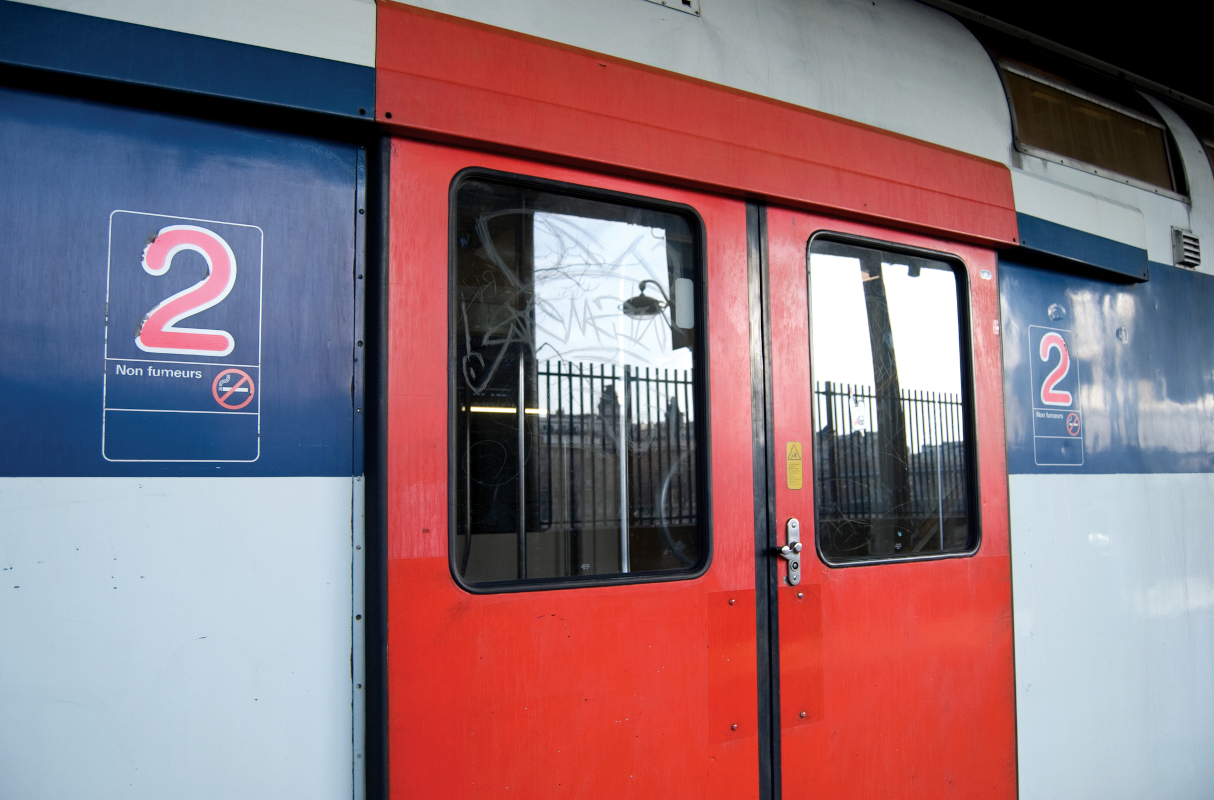
The Paris Métro and RER looked complicated to me at first. Once we started using it, I found that I kept looking for the same pieces of information: the line, the direction, where to change and which exit to take.
Paris ticketing has changed considerably, so I’d use current transport information instead of memorizing ticket-buying language from an old phrasebook. You may still see references online to cardboard tickets t+ and carnets, even though the system has been moving toward rechargeable and digital options.
| French | Easy pronunciation | Meaning |
|---|---|---|
| Où est la station de métro la plus proche ? | oo eh lah stah-SYOHN duh may-TROH lah ploo prosh | Where is the nearest Metro station? |
| Quelle ligne ? | kel leen-yuh | Which line? |
| Dans quelle direction ? | dahn kel dee-rek-SYOHN | Which direction? |
| Où dois-je changer ? | oo dwahzh shahn-ZHAY | Where do I change? |
| Où est la sortie ? | oo eh lah sor-TEE | Where is the exit? |
| Y a-t-il un ascenseur ? | ee ah teel uhn ah-sahn-SUR | Is there an elevator? |
| Est-ce que cette ligne va à… ? | es kuh set leen-yuh vah ah… | Does this line go to…? |
| Pardon, je descends ici. | par-DOHN, zhuh day-SAHN ee-SEE | Excuse me, I’m getting off here. |
Signs repeatedly use ligne (line), direction, terminus, correspondance (connection), sortie (exit), station, ascenseur (elevator) and escalier mécanique (escalator).
You may hear Prochain arrêt… for “Next stop…” and Terminus, tout le monde descend when everyone needs to leave the train at the end of the line. Trafic perturbé tells you that service is disrupted.
We used public transportation throughout our Paris trip, including for Versailles. If you’re working out how much you can realistically combine, my four-day Paris itinerary shows how we structured our own sightseeing.
How to Ask for Directions in French – and Understand the Answer
| French | Easy pronunciation | Meaning |
|---|---|---|
| Où est… ? | oo eh… | Where is…? |
| Comment aller à… ? | koh-MAHN ah-LAY ah… | How do I get to…? |
| C’est loin ? | say lwahn | Is it far? |
| C’est à combien de minutes à pied ? | say tah kohm-BYAHN duh mee-NOOT ah pyay | How many minutes is it on foot? |
| Pouvez-vous me montrer sur la carte ? | poo-vay voo muh mohn-TRAY sur lah kahrt | Can you show me on the map? |
Then listen for à gauche (left), à droite (right), tout droit (straight ahead), près (near), loin (far), en face (opposite/across from) and à côté de (next to).
These phrases work whether you’re looking for the station or trying to find one of the major landmarks in Paris.
French Phrases for Museums and Tourist Attractions
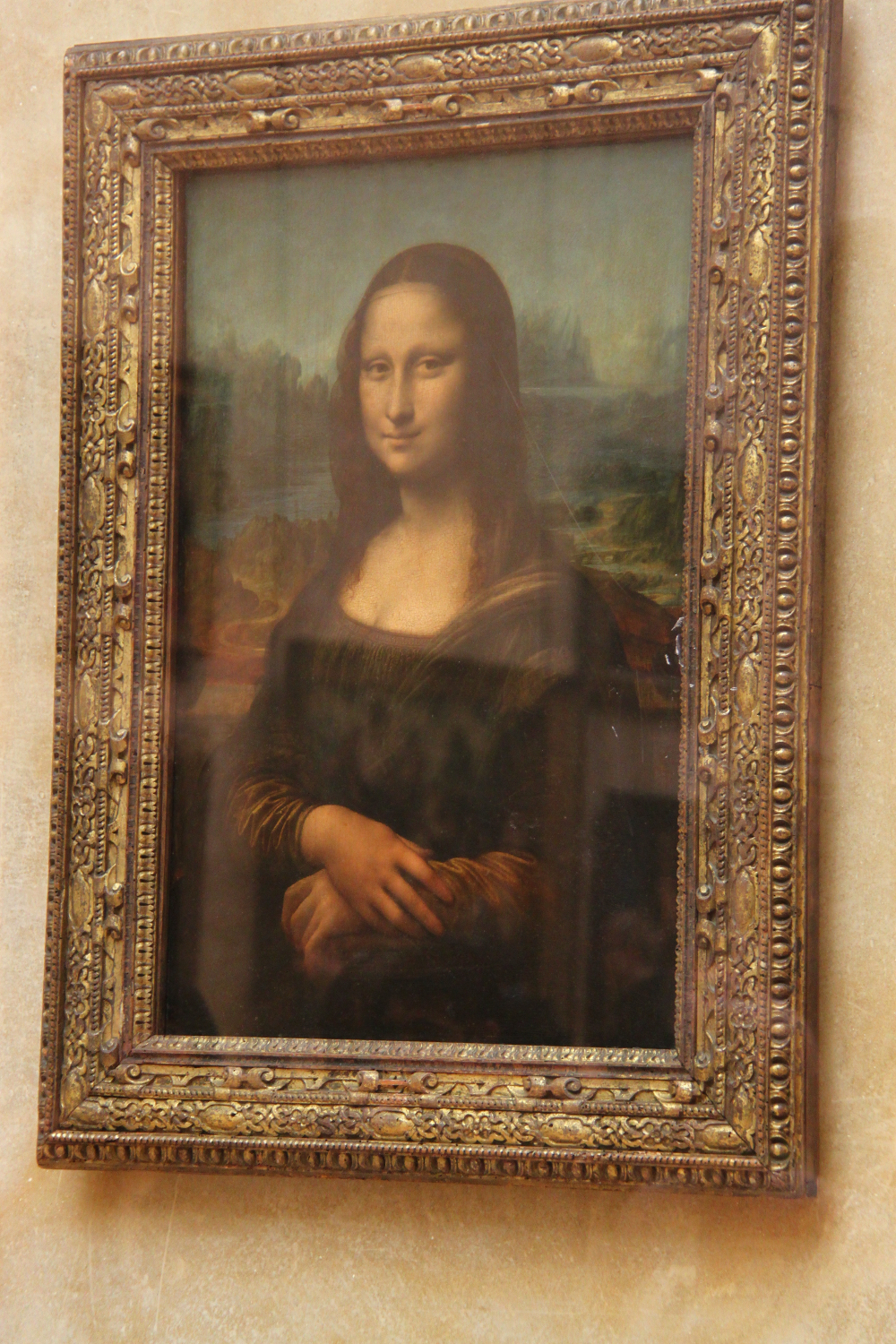
Museums and attractions are one area where I wouldn’t waste time learning long sentences. Ticket confirmations, times and signs do most of the communicating.
| French | Easy pronunciation | Meaning |
|---|---|---|
| Deux billets, s’il vous plaît. | duh bee-YEH, seel voo PLEH | Two tickets, please. |
| J’ai réservé en ligne. | zhay ray-zair-VAY ahn leen-yuh | I booked online. |
| Nous avons des billets pour dix heures. | noo zah-VOHN day bee-YEH poor deez ur | We have tickets for 10 o’clock. |
| Où est l’entrée ? | oo eh lahn-TRAY | Where is the entrance? |
| Où est la billetterie ? | oo eh lah bee-yeht-REE | Where is the ticket office? |
| Y a-t-il un audioguide en anglais ? | ee ah teel uhn oh-dee-oh-GEED ahn ahn-GLEH | Is there an audio guide in English? |
| Puis-je prendre des photos ? | pwee zhuh prahndruh day fo-TOH | Can I take photos? |
| À quelle heure ça ferme ? | ah kel ur sah fehrm | What time does it close? |
Words worth recognizing include billetterie (ticket office), tarif réduit (reduced rate), complet (full/sold out), gratuit (free), réservation obligatoire (reservation required), vestiaire (cloakroom) and consigne (lockers or storage).
Timed tickets can reduce uncertainty in Paris. Before setting your itinerary, check which Paris attractions you should book in advance and which don’t need the same level of planning.
Paris also has far more museums than most visitors could fit into one trip. My guide to the best museums in Paris can help narrow the list down, and if you’re choosing between the two names that come up constantly, I compared the Louvre and Musée d’Orsay separately.
Musée d’Orsay was actually the first major attraction I visited in Paris. I went by myself while my husband was working, and I loved being able to spend as much time as I wanted with the Impressionist and Post-Impressionist collections. If it’s on your itinerary, these Musée d’Orsay tips cover the practical details.
At the Eiffel Tower, it helps to decide what you want before you reach the entrance. The summit and second floor are different experiences, and the ticket you choose determines how far you can go.
French Phrases for Shopping and Markets
| French | Easy pronunciation | Meaning |
|---|---|---|
| Combien ça coûte ? | kohm-BYAHN sah koot | How much does it cost? |
| Je cherche… | zhuh shersh… | I’m looking for… |
| Je regarde seulement, merci. | zhuh ruh-GAHRD suhl-MAHN, mehr-SEE | I’m just looking, thank you. |
| Vous l’avez dans une autre taille ? | voo lah-vay dahn zewn oh-truh tie | Do you have it in another size? |
| Puis-je l’essayer ? | pwee zhuh lay-say-YAY | Can I try it on? |
| Je le prends. | zhuh luh prahn | I’ll take it. (masculine item) |
| Je la prends. | zhuh lah prahn | I’ll take it. (feminine item) |
| Vous acceptez les cartes ? | voo zak-sep-TAY lay kahrt | Do you accept cards? |
On signs and receipts, prix means price, caisse is the checkout or cash register, soldes means sales, réduction is a discount, espèces means cash and ticket de caisse is a receipt.
French Phrases for Problems, Pharmacies and Emergencies
For a serious emergency in France, you can call 112, the European emergency number. It’s free and can direct you to the appropriate emergency service.
| French | Easy pronunciation | Meaning |
|---|---|---|
| Pouvez-vous m’aider ? | poo-vay voo may-DAY | Can you help me? |
| Je suis perdu / perdue. | zhuh swee pair-DYOO | I’m lost. |
| Ça ne marche pas. | sah nuh marsh pah | It doesn’t work. |
| Ma carte ne marche pas. | mah kahrt nuh marsh pah | My card isn’t working. |
| J’ai perdu mon téléphone. | zhay pair-DYOO mohn tay-lay-FOHN | I’ve lost my phone. |
| J’ai perdu mon passeport. | zhay pair-DYOO mohn pahs-POR | I’ve lost my passport. |
| Où est la pharmacie la plus proche ? | oo eh lah far-mah-SEE lah ploo prosh | Where is the nearest pharmacy? |
| J’ai besoin d’un médecin. | zhay buh-ZWAHN duhn med-SAHN | I need a doctor. |
| J’ai mal à la tête. | zhay mahl ah lah tet | I have a headache. |
| C’est urgent. | say tur-ZHAHN | It’s urgent. |
| Appelez une ambulance. | ah-play ewn ahm-bew-LAHNS | Call an ambulance. |
French Words on Signs You’ll Be Glad You Recognize
You don’t need to know how to pronounce every French word you encounter. Several are useful simply because you’ll see them on doors, station screens, ticket machines and attraction signs.
| French | Meaning | French | Meaning |
|---|---|---|---|
| Entrée | Entrance | Sortie | Exit |
| Ouvert | Open | Fermé | Closed |
| Gratuit | Free | Payant | Paid / fee required |
| Complet | Full / sold out | Réservé | Reserved |
| Interdit | Forbidden / prohibited | Attention | Warning / attention |
| Travaux | Works / construction | Hors service | Out of service |
| Toilettes | Restrooms | Ascenseur | Elevator |
| Retard | Delay | Supprimé | Cancelled |
| Correspondance | Connection / transfer | Accueil | Reception / information desk |
| Billetterie | Ticket office | Consigne | Lockers / storage |
Five French Expressions Tourists Can Easily Misuse
Salut
Salut is a perfectly normal French word for “hi,” but it’s informal. I’d stick with bonjour or bonsoir when speaking to strangers.
Tu
If you’re wondering whether to use tu or vous while traveling in France, vous is the safer form with people you don’t know.
Je veux…
Je veux… means “I want…” and isn’t grammatically wrong. For ordering and everyday tourist requests, je voudrais… gives you an easy polite construction you can reuse again and again.
Garçon!
Don’t call a waiter by shouting Garçon!. If you need their attention, eye contact and Excusez-moi will serve you much better.
Bonne nuit
Bonne nuit is what you’d say when wishing someone good night before sleep. If you’re leaving a restaurant or saying goodbye to someone during the evening, bonne soirée is the expression you’ll usually want.
Which French Phrases Should You Actually Memorize?
I wouldn’t try to memorize every word in this article before flying to France.
If you’re starting from zero, learn bonjour, s’il vous plaît, merci, excusez-moi and au revoir. Then add Parlez-vous anglais ?, Je ne comprends pas and Pouvez-vous répéter ?.
Your itinerary should decide what comes next.
If you’ll be using trains, remember quai, voie, retard and correspondance. If food is a big part of the trip, je voudrais, une carafe d’eau and l’addition will earn their place in your memory very quickly.
For Paris, knowing what direction, correspondance and sortie mean can help more than memorizing a complicated sentence you’ll probably never need.
And don’t make your Paris days so full that you’re rushing from one reservation to another. Trying to fit too much into the itinerary is one of the Paris mistakes I’d avoid. If you haven’t chosen your dates yet, the best time to visit Paris also depends on whether good weather, lower prices or easier sightseeing matters most to you.
Conclusion: Use the French You Know
Your French doesn’t have to be perfect to be useful.
A greeting at a bakery, one sentence at hotel reception, recognizing sortie in a Métro station or knowing how to ask for the bill can be enough for that particular moment.
I was glad that the French we had learned years earlier came back to us during our trip, even if we weren’t having long conversations in French. For me, Paris was about finally seeing places I had dreamed about for years, and knowing some of the language made the practical parts of the trip easier.
Choose the words that fit the trip you’re planning. The rest can stay here until you need them.
If France is part of a longer European trip and Italy is next, these Italian words and phrases for travel cover the same kinds of everyday situations.

Frequently Asked Questions About French Phrases for Travel
What are the most useful French phrases for tourists?
Some of the most useful French phrases for tourists are bonjour (hello), s’il vous plaît (please), merci (thank you), excusez-moi (excuse me), parlez-vous anglais ? (do you speak English?), je ne comprends pas (I don’t understand), où est… ? (where is…?) and au revoir (goodbye).
Do I need to speak French to visit France?
No. You can travel in France without speaking French fluently. Knowing a few basic French words and phrases still helps with greetings, restaurants, hotels, transportation and situations where the person you’re speaking with doesn’t immediately switch to English.
Is it rude to speak English in France?
Speaking English isn’t inherently rude. When approaching someone you don’t know, starting with bonjour or bonsoir and then asking Parlez-vous anglais ? is a polite way to begin the conversation.
How do I politely ask if someone speaks English in French?
Say Bonjour. Excusez-moi, parlez-vous anglais ? It means “Hello. Excuse me, do you speak English?”
Should tourists use tu or vous in France?
Use vous with strangers, hotel employees, restaurant staff, shopkeepers and other people you don’t know. Tu is the informal form used with friends, family, children and people with whom that level of familiarity has been established.
What’s the difference between pardon and excusez-moi?
Pardon is useful when moving past someone, after a small accidental bump or for a quick apology. Excusez-moi works well when you’re trying to get someone’s attention before asking a question. There is some overlap, so you don’t need to worry about getting the distinction perfect every time.
How do you ask for the bill in French?
Say L’addition, s’il vous plaît – “The bill, please.”
How do you ask for tap water in a French restaurant?
Say Une carafe d’eau, s’il vous plaît. This asks for a carafe of tap water rather than bottled still or sparkling mineral water.
What French words should I know for the Paris Métro?
The most useful Paris Métro words to recognize include ligne (line), direction, terminus, correspondance (connection or transfer), sortie (exit), station and ascenseur (elevator).
How do you say you don’t speak French?
Je ne parle pas bien français means “I don’t speak French well.” If you know a little, say Je parle un peu français. You can follow either phrase with Parlez-vous anglais ? if you’d like to continue in English.
More amazing articles for you:
This Viral Plane Sleep Hack Is Everywhere - and It’s Triggering Outrage, Safety Warnings, and a Full...
Hidden London gems - experience London like a local: 10 cool places you won’t find in the guidebooks
A complete travel guide to Arches National Park, USA
15 Best European Cities to Visit on Your First Trip - These Places Make You Fall in Love With Europe
Insider's guide to Singapore with the best attractions in Singapore
Exclusive vacations to relax and unwind
The Ultimate Beach Vacation Packing List: Top 9 Beach Bag Essentials You Can't Forget
She Posted a Hotel Room “Hack.” Within Minutes, the Backlash Exploded - The Hack Is Even Worse Than ...

Violeta-Loredana Pascal is a communications expert, business mentor, and the founder of Earth’s Attractions and PRwave INTERNATIONAL. A pioneer in the Romanian digital PR landscape since 2005, she holds a degree in Communication and Social Sciences from SNSPA Bucharest. Violeta is a senior trainer at AcademiadeAfaceri.ro, where she leverages over 20 years of experience to teach professional courses in PR strategy and workplace productivity. By blending high-level business consulting with a passion for holistic travel and wellness, she empowers solopreneurs to overcome procrastination, build profitable brands, and design a life of purposeful adventure.