A global guide to the weird, surprising, and expensive travel laws tourists accidentally break around the world
Travel is full of surprises – but some countries take “unexpected” to a whole new level. From laws that punish harmless habits to fines for things you didn’t even know were crimes, the world is packed with rules that can turn an ordinary holiday into a bureaucratic nightmare.
Travel mistakes are normal – but some countries have rules so strange and unexpected that even the most seasoned travelers accidentally break them. From “don’t flush your toilet the wrong way” to “don’t take selfies near a bison” to “don’t wear high heels at ancient ruins,” these surprising laws have led to thousands of dollars in fines, confiscated passports, and viral social media nightmares.
These aren’t just strange travel laws – many are common behaviors that tourists do automatically, which is why so many travelers break these rules without knowing it.
This guide highlights the weirdest, strictest, and most expensive travel laws around the world – all based on real rules and real mistakes tourists make every year.
Most people plan their trips around food, sights, and activities (I do that too!)… not around avoiding legal trouble. But the truth is that many destinations enforce strict, unusual, or downright bizarre regulations that can catch even the most seasoned tourist off-guard. And the penalties are real: four-figure fines, confiscated belongings, or even a night in custody.
This guide explores 15 countries with surprising rules tourists often break without meaning to, starting with the United States and then moving through Spain, Germany, the United Kingdom, and beyond. Whether you’re a jet-setter, a road-tripper, or a first-time traveler, these are the unexpected laws to know before you pack your bags.
Below is a country-by-country breakdown of the weirdest travel laws around the world – dozens of surprising rules across 15 destinations that even experienced travelers accidentally violate.
Note: Many of these rules are local (city/region/park), not nationwide. Enforcement and fine amounts change, and some penalties depend on circumstances. When in doubt, check the official city/park website or posted signage on-site.
What Laws Do Tourists Accidentally Break Around the World?
Every year, travelers are fined for violating local regulations they didn’t know existed. These range from wildlife protection rules in the United States to beach regulations in Spain and biosecurity laws in Australia. Below is a country-by-country breakdown of common tourist mistakes and the fines that can follow.
1. United States – From Yellowstone Boardwalks to the Wrong Drink Cup in Vegas
Tourists break some of these U.S. laws every single day without realizing it – and a few of them can turn into very expensive travel mistakes.
The U.S. also has dozens of state-level tourist laws that vary widely – something that catches many international visitors off guard.
The U.S. is huge – and so is the variety of weird travel laws and unexpected tourist fines that visitors unknowingly violate.
Colorado: It’s illegal to drive with snow still on your roof
Not commonly known, but police issue fines because it can fly into traffic.
Stepping off boardwalks in national parks (especially Yellowstone)
Many visitors treat America’s national parks like open wilderness, but places like Yellowstone enforce strict rules designed to protect both nature and people.
- In thermal areas like Yellowstone, leaving boardwalks is a serious violation. Rangers can issue citations and fines, and enforcement is common in high-risk zones.
- Rangers patrol constantly, and violations are treated seriously – those boiling pools can cause severe burns or worse.

Taking photos in the wrong place in Yellowstone can get you in trouble too. People have been charged for taking selfies too close to bison – approaching or harassing wildlife. Yellowstone’s visitor guidance is to stay at least 25 yards (23 m) from bison and other large animals — and visitors are cited for approaching wildlife.
Vegas drink rules that confuse even Americans
On the Las Vegas Strip, drinking in public seems encouraged, but tourists get fined every year for using
- the wrong type of cup,
- open glass containers, or
- bringing alcohol into the wrong zone.
Walking freely with a drink? Legal. Walking with the “wrong” drink? Fineable.
Las Vegas Strip: rules depend on the exact area. In general, avoid glass outdoors and follow posted open-container restrictions – the Strip is permissive in some zones and strict in others.
Collecting driftwood on some Pacific Northwest beaches is illegal
Many tourists assume wood = free souvenir. In Oregon and Washington, it’s illegal because driftwood protects the coastline.
Key West: no touching coral – even “dead” pieces
Tourists get fined for picking up dried coral, which is still protected.
New York: alcohol on beaches
Alcohol isn’t allowed on public beaches (NYC treats it as public drinking). Enforcement varies, but you can be fined and alcohol can be confiscated.
Hawaii: taking sand or rocks is illegal
It’s tempting to bring home a bit of paradise… but removing natural materials from a Hawaiian beach is illegal and comes with serious penalties. Many visitors mail back sand anonymously every year, hoping to avoid fines and the infamous curse associated with removing natural elements.
Feeding wildlife in U.S. cities
Places like New York and San Francisco can fine travelers for feeding pigeons, raccoons, squirrels, and other urban wildlife – something many tourists do instinctively.
Here are more strange U.S. laws that travelers often break without realizing it.
Other Common Tourist Fines in the United States
Utah: It’s illegal to disturb dinosaur tracks or fossils
Tourists often touch or step on exposed fossil beds, thinking they’re replicas → huge federal fines.
Arizona: no posing with cactus arms
Damaging or touching a saguaro cactus (even accidentally brushing one) is illegal – the plant is a protected species.
Florida: drones are banned over theme parks
Many tourists try filming Disney World with drones – immediate fines and drone confiscation.
Here’s where things get even stranger: hop over to Spain, where your beach towel, flip-flops, and even your shirt can get you fined.
2. Spain – Sunbed Wars, Shirtless Bans, Smoking Fines & More
Spain has some of Europe’s most surprising tourist fines – especially around beaches, noise, and public behavior.
This is one of those countries where harmless “holiday behavior” – from reserving sunbeds to walking shirtless – can quickly become one of the most expensive travel mistakes you’ll ever make.
Spain is one of Europe’s most visited destinations – and also one of the strictest when it comes to regulating tourist behavior, beach etiquette, and public spaces.
Mallorca’s “balcony jumping” ban
Mallorca: some municipalities have introduced very high penalties for “balcony jumping” and related dangerous tourist behavior – in extreme cases reported as tens of thousands of euros, depending on severity and local rules, up to €60,000.
Barcelona: Selling or buying beach massages is illegal
Tourists don’t know, but accepting a massage from an unlicensed person can get the tourist fined too.
Valencia: no beach barbecues or picnics during summer

Even a disposable grill can lead to fines of €750–€1,500.
Canary Islands: climbing volcanic formations (like Roques de García) can get you arrested
Geological structures are protected.
The upcoming outdoor smoking ban
Many travelers still don’t realize this is coming, but outdoor smoking across public places – including beaches and open-air hospitality terraces – may soon result in fines. Rules vary by region, so check local guidance before you travel.
Fines for “reserving” sunbeds with towels
In Spanish hotspots such as Calpe or Cullera on the Costa Blanca, authorities now fine tourists up to €250–€750 for placing towels, parasols or loungers before official beach-opening time – a crackdown on early-morning ‘sunbed wars.
Sandcastle Fines in Europe? What Travelers Should Know
It sounds like an internet myth, but in some European beach towns in Italy and Spain, local ordinances regulate large sand structures and deep holes for safety and access reasons.
These aren’t nationwide bans, and small children’s play usually isn’t targeted – but in certain municipalities, oversized sandcastles can technically lead to fines. If you’re heading to the coast, it’s worth understanding how these local beach rules actually work.
Walking shirtless (or in swimwear) away from the beach
Cities like Palma impose fines for wandering through town half-dressed. Even walking from the beach to your car barefoot and shirtless can lead to penalties.
In hotspots like Málaga, Barcelona, or towns across the Balearic Islands, walking around shirtless or in swimwear outside of beach zones can get you fined – sometimes up to several hundred euros.
Alcohol bans in certain public areas
Beach drinking might feel like a holiday right of passage – but in parts of Mallorca, Ibiza, and Barcelona, it leads to expensive fines.
These additional rules frequently surprise travelers and are among the most commonly broken laws in Spain.
More surprising fines in Spain
Barcelona “quiet zones” near churches
Tourists have been fined for singing loudly near historic basilicas.
Feeding stray cats is illegal in many cities
Visitors who try to help street cats get fined because it disrupts municipal programs.
Using shampoo or soap at public beach showers is banned
Tourists do it for convenience – fines up to €750.
Another destination where tourists get fined without realizing it is Germany, a place where order, silence, and strict rules are taken very seriously.
3. Germany – Sunday Quiet Hours and Autobahn Surprises
Germany is famous for order – and its surprising travel laws reflect that.
This is a country where running out of fuel, doing laundry at the wrong time, or walking on a bike lane can be enough to land you in trouble.
Many of Germany’s unusual rules come from strict safety, noise, and environmental regulations that visitors don’t always expect.
Running out of fuel on the Autobahn
Most visitors don’t know this: stopping on the Autobahn without a mechanical emergency is illegal.
In Germany, running out of fuel on the Autobahn is treated as an avoidable breakdown, and drivers can be fined because stopping on the motorway is restricted.
Noise rules (Ruhezeit)
In many German towns, strict “quiet hours” apply:
- No lawn mowing
- No loud music
- No construction
- Sometimes even no laundry on Sundays (Laundry itself isn’t automatically illegal, but noise rules and building policies can make loud washing machines a problem, especially on Sundays and during quiet hours.)
Tourists staying in holiday apartments have been reported – and fined – for simple noise mistakes.
So, if you travel to Germany and stay in an apartment (rented or via Airbnb / holiday-let), you should assume the following unless told otherwise:
- Quiet time each night from 22:00 to 06:00 (or 07:00) – avoid loud music, vacuuming, partying, etc.
- On Sundays (and public holidays), treat the whole day as “quiet” – no lawn-mowing, construction, or other noisy tasks.
- Check carefully if there’s a local midday/lunchtime quiet rule – avoid lawn-mowers, drills, or other noisy outdoor/garden tasks between ~12:00–15:00.
- Even everyday activities such as laundry or vacuuming may be frowned upon late at night or during quiet hours (depending on building / local rules).
Mandatory bike-lane usage
If there is a bike lane, cyclists (including tourists on rentals) must use it. Riding on the road, even if it looks empty, can lead to fines – something many visitors find surprising.
Don’t walk on bike paths – cyclists have priority
Tourists are shocked: pedestrians get fined if they walk on bike lanes.
In Munich, it’s illegal to swim in the Isar River in certain zones
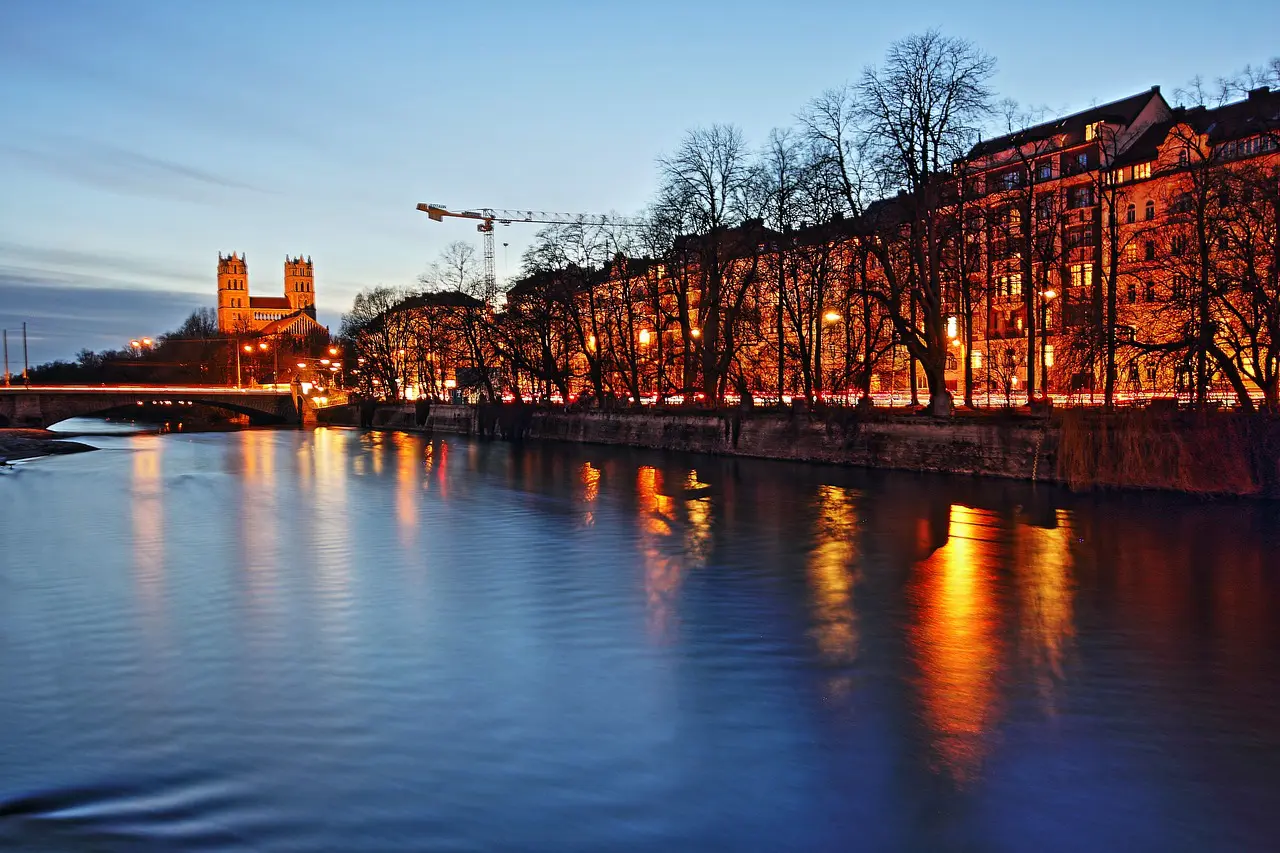
Very tempting in summer → very illegal.
Autobahn “middle lane hogging” can be fined
You must keep right unless overtaking.
Recycling fines
Putting trash in the wrong color-coded bin can result in landlord warnings and fines for tourists in vacation rentals.
Beyond the famous quiet hours, here are more weird laws travelers often break in Germany.
Extra surprising rules:
It’s illegal to recycle bottles improperly because deposits are tracked
Tourists sometimes take bottles from bins for refunds → considered theft.
Crossing the street on a red pedestrian light can get fined
Even when no cars are coming – 100% enforced.
This next country is home to some of the world’s most quietly strict travel rules – and that’s the United Kingdom.
4. United Kingdom – Wildlife Fines, Train Etiquette & the Possible Tourist Entry Fee
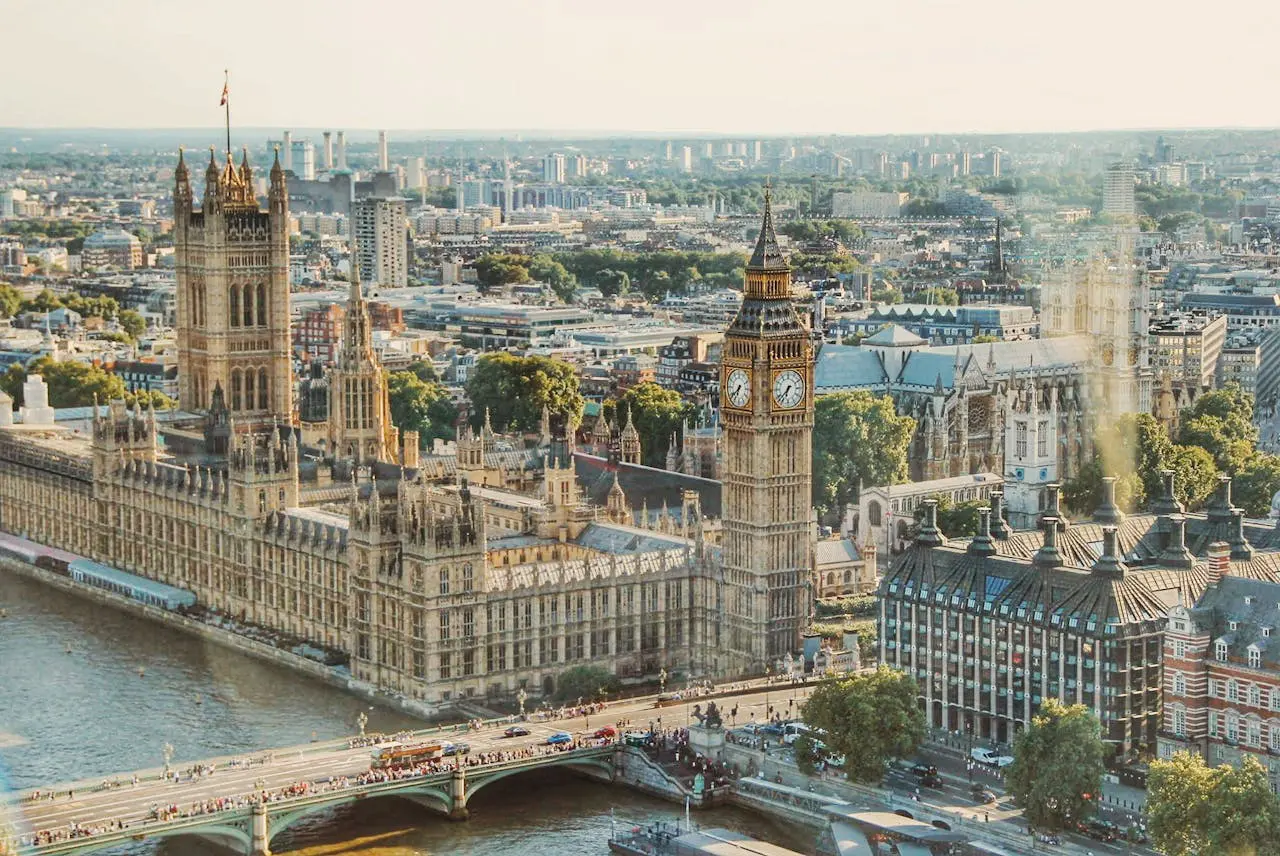
The UK’s public-space rules catch many tourists by surprise, especially around transport, wildlife, and photography.
The country has no shortage of quirky, unexpected laws that tourists break without realizing it. From feeding pigeons in the wrong square to riding an e-scooter on the wrong street, the UK is full of laws that surprise even locals, let alone tourists.
The new tourist entry fee
The UK’s Electronic Travel Authorisation (ETA) is being rolled out for visa-free visitors. It’s a paid digital travel authorisation tied to your passport – I wrote a detailed article here.
Fines for feeding certain wildlife
In cities like London’s Westminster district, Weymouth, Torbay, Gloucester, or Bath, feeding pigeons or gulls is banned – and you can face fines ranging from £100 to £500.
What looks like an innocent snack toss can actually violate UK urban-wildlife laws designed to curb overpopulation and aggressive behaviour.
Noise and behavior restrictions on public transport
The UK has strict expectations of quietness and courtesy on trains. Playing loud music or occupying multiple seats can result in ejection or fines – rules most foreign tourists don’t realize exist.
London: Riding e-scooters rules
UK: privately owned e-scooters are illegal on public roads/pavements. Rental e-scooters are only legal in official trial areas and must follow local rules.
It’s illegal to fly a drone in most of London
Tourists get fined constantly for filming Tower Bridge or Parliament.
“Don’t touch the swans” is not a myth
Swans belonging to the Crown on the Thames are protected; harassing them can lead to charges.
Heathrow: sleeping in certain terminals overnight can be prohibited
Security wakes tourists up and can escort them out.
Also in UK:
- No drinking alcohol on London public transport (London: drinking alcohol (and carrying open containers) is prohibited on TfL services under the Conditions of Carriage – staff can make you dispose of it or refuse travel.)
- No metal-detecting near historic sites without permission – even beaches.
If you think the UK is strict, Japan takes things to a whole new level of politeness, silence, and unspoken rules.
5. Japan – Silent Trains & Sacred Space Etiquette
Japan’s strict etiquette laws are not always written or obvious, which is why tourists accidentally break them so often.
Japan is orderly, clean, respectful – and home to some of the world’s most surprising cultural and travel laws. Japan is a place where speaking too loudly on a train, eating while walking, or snapping the wrong photo can make you stand out for all the wrong reasons.
- Speaking loudly or taking calls on trains is discouraged and sometimes banned.
- Eating while walking is prohibited in some cities.
- Touching ropes, shrines, or sacred objects is off-limits and may lead to reprimand.
These rules aren’t always tied to fines – but breaking them draws sharp social disapproval, which in Japan is equally powerful.
Throwing away trash is difficult – many bins are banned
Tourists get scolded for leaving bottles beside vending machines.
Tattoos in public baths
Even tiny tattoos can get tourists refused entry unless covered.
No photographing geishas in Kyoto’s Gion district (strict fines)
There are signs everywhere, but tourists still break this rule.
These additional Japan travel rules catch many first-time visitors completely off guard.
No opening taxi doors yourself – they’re automatic
Tourists break the mechanism by yanking the door.
Some shrines forbid photography entirely
Even outside signs – tourists often ignore this accidentally.
Here’s where things get even stranger again: Singapore has turned everyday habits into some of the world’s most famous fines.
6. Singapore – Forgetting to Flush? Yes, That’s a Fine
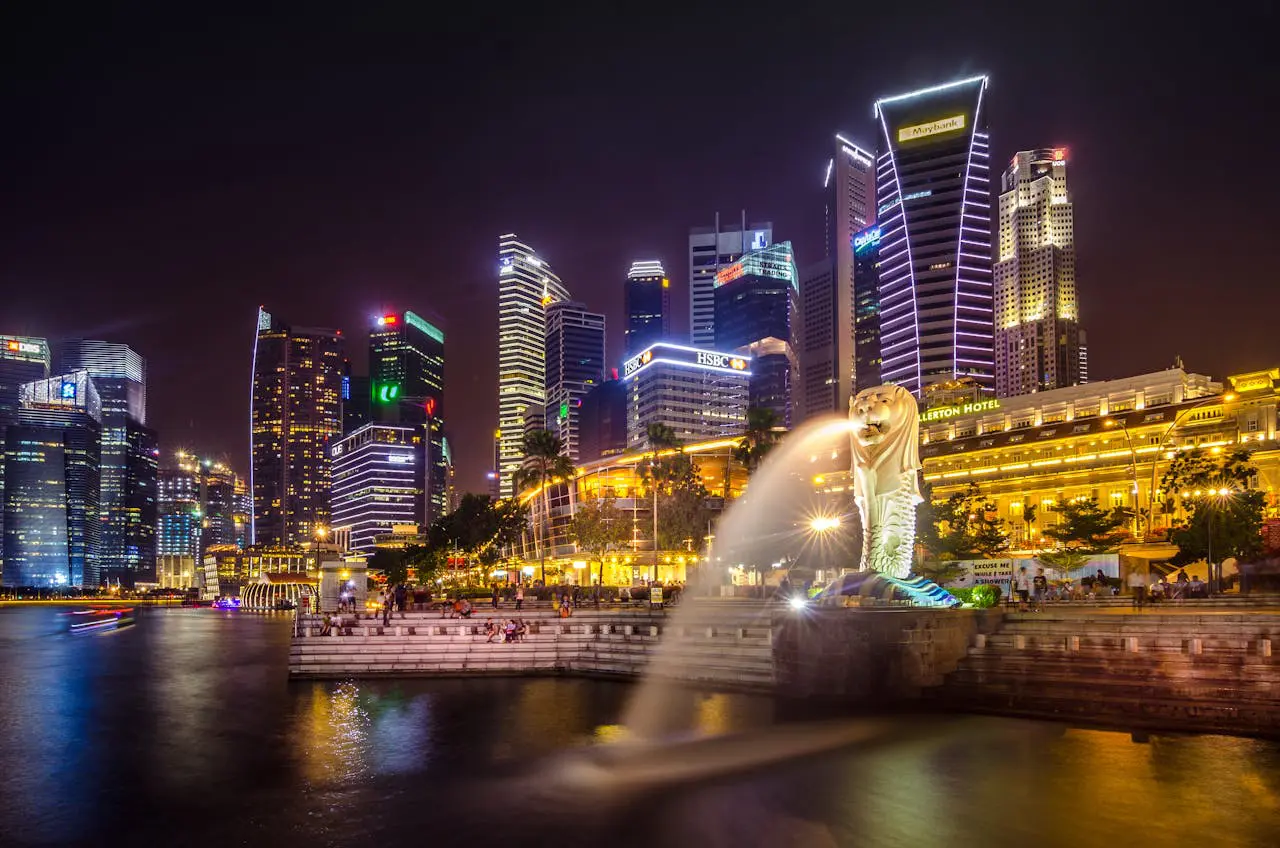
Singapore’s strict laws are designed to keep the country clean and safe – but they’re often very different from what tourists are used to.
In Singapore, tourists break the law every single day without knowing it – from forgetting to flush to chewing gum to leaving a dirty tray behind.
Singapore’s cleanliness laws are legendary – and they lead to some of the world’s most unexpected tourist fines.
Forgetting to flush public toilets
Yes – it’s monitored. And yes, you can be fined.
Not flushing is a fine, but so is not cleaning your table at food courts
Tray-return enforcement officers issue fines.
Chewing gum (importing it) is illegal
Tourists don’t realize gum is heavily regulated. Sale and commercial import of chewing gum are banned, but personal use and possession are generally fine, and therapeutic gum (like nicotine gum) is permitted with a medical note. The general ban applies to the sale and littering of gum.
Smoking bans so strict that even street-to-street rules change
One step in the wrong direction suddenly makes smoking illegal.
Feeding wildlife (especially monkeys)
Tourists regularly get fined for offering snacks to monkeys in parks or reserves.
Late-night alcohol rules
It’s illegal to drink in public spaces after 10:30 PM – something many visitors don’t learn until it’s too late.
These are some of the most commonly broken rules in Singapore.
Feeding pigeons is illegal (big fines)
People confuse them with monkeys and break the rule accidentally.
Smoking near building entrances is banned
Tourists often step just outside and still get fined.
Another destination where tourists get fined without realizing it is Australia, a country that treats its borders and nature like priceless treasures.
7. Australia – The World’s Strictest Biosecurity (Snacks Included)

Australia’s strict biosecurity laws lead to thousands of tourist fines every year – many caused by innocent mistakes.
Australia is one of the few places where a forgotten apple, a seashell in your bag, or a barefoot walk in the wrong spot can cost you hundreds or even thousands of dollars. The country protects its ecosystem fiercely, which results in some very strict (and expensive) travel laws.
Not declaring food – even packaged snacks
A forgotten apple or a sealed snack can lead to a four-figure fine. Infringement notices up to $2,664 AUD. Can escalate to $7,000 USD or more.
This happens constantly at airports- and goes viral on social media every year.
Strict off-trail hiking rules
Going off marked trails can get tourists fined in national parks.
Beach smoking bans
Some beaches enforce immediate penalties for smoking.
Feeding dolphins in Monkey Mia without permission → thousands in fines
Tourists get fined every year.
Wearing shoes in certain coastal caves is mandatory
People have been fined for walking barefoot in protected areas.
Even moving a seashell from some beaches is restricted
Queensland and NSW enforce penalties.
Here are more unusual rules tourists often break without intending to:
- Sitting on certain sand dunes is illegal (protected nesting areas)
- Not wearing a lifejacket in required zones (major fines)
8. New Zealand – The Hiking Boots Confession Line
New Zealand combines beautiful landscapes with very strict environmental protection laws that travelers must follow.
If you plan to visit New Zealand, these are the laws to know before you go – because customs and park rangers are famously unforgiving.
New Zealand’s customs officers take biosecurity very seriously – more than almost any other country.
Dirty hiking boots? Declare them!
Tourists must declare muddy hiking gear because soil can carry invasive species.
Drone restrictions
Drones are banned in many national parks, and fines are steep.
Getting too close to wildlife
Approaching penguins, seals, or sea lions can trigger instant fines.
No hitchhiking on motorways (heavy fines)
Tourists often do it, thinking it’s allowed.
Strict rules about picking up stones in geothermal areas
Similar to Yellowstone, tourists cannot take “souvenirs.”
Many beaches ban drones entirely
Even recreational drones often require permits.
This additional rule surprises many travelers exploring the outdoors.
Washing your car or surfboard in natural streams is banned
Tourists get fined for unknowingly polluting waterways.
This next country might look ultra-modern, but Qatar’s rules about behavior and photography are some of the strictest in the world.
9. Qatar – The “Don’t Take That Photo” Destination
Qatar’s cultural and legal rules often surprise visitors, especially around photography and public behavior.
Qatar is modernizing fast, but many deeply rooted cultural and legal rules still apply – and tourists need to know them.. This is a place where one “innocent” photo, outfit, or public gesture can cross a legal line you didn’t even know existed.
Strict photography rules
Tourists can get questioned – or worse – for photographing government buildings or certain locals.
Public displays of affection are restricted
Even married couples must exercise caution.
No photographing mosques without permission
Tourists regularly get stopped.
Strict dress codes in malls and public squares
“Too tight” or “too revealing” can lead to warnings.
No loud music in public
You can be reprimanded even on beaches.
Here’s where things get even stranger again: sunny, laid-back Greece hides some surprisingly tough rules around its ancient sites and sacred spaces.
10. Greece – Don’t Wear Those Shoes to Ancient Sites

Greece’s mix of ancient sites and protected natural areas leads to strict rules that many tourists are unaware of.
The country combines ancient history with modern tourist regulations, and some of them are surprisingly strict. Here, something as simple as your shoes, your bikini, or your drone flight path can decide whether you’re making memories – or paying fines.
High heels banned at archaeological sites
They damage ancient stones – and guards enforce the rule.
Drones over ancient monuments
Heavily restricted and often banned.
No hats inside certain holy monasteries
Mt. Athos and Meteora enforce dress codes.
Bikini bans on some church-adjacent beaches
Tourists often wander too close to monasteries.
No drones near beaches with nesting turtles
Tourists don’t know these are protected zones.
11. Dubai – Strict Rules That Surprise Even Experienced Travelers

Dubai’s strict public behavior laws can lead to serious consequences for tourists who don’t know the rules.
Dubai is famous for luxury, but its strict travel laws often shock tourists who come from more relaxed countries.
- Public affection is restricted (yes, even holding hands in some contexts).
- Swearing, flipping the finger, or rude gestures can lead to fines or deportation.
- Photographing locals – especially women – without consent is illegal.
- Eating on public transport is banned and fined.
- Alcohol is heavily regulated: drinking outside licensed venues is punishable.
- No dancing in public – Tourists get fined because dancing is only allowed inside licensed venues.
This next country is home to some of the world’s most famous cities – and some of the most common tourist fines: welcome to Italy.
12. Italy – The Country Where Tourists Collect the Most Fines
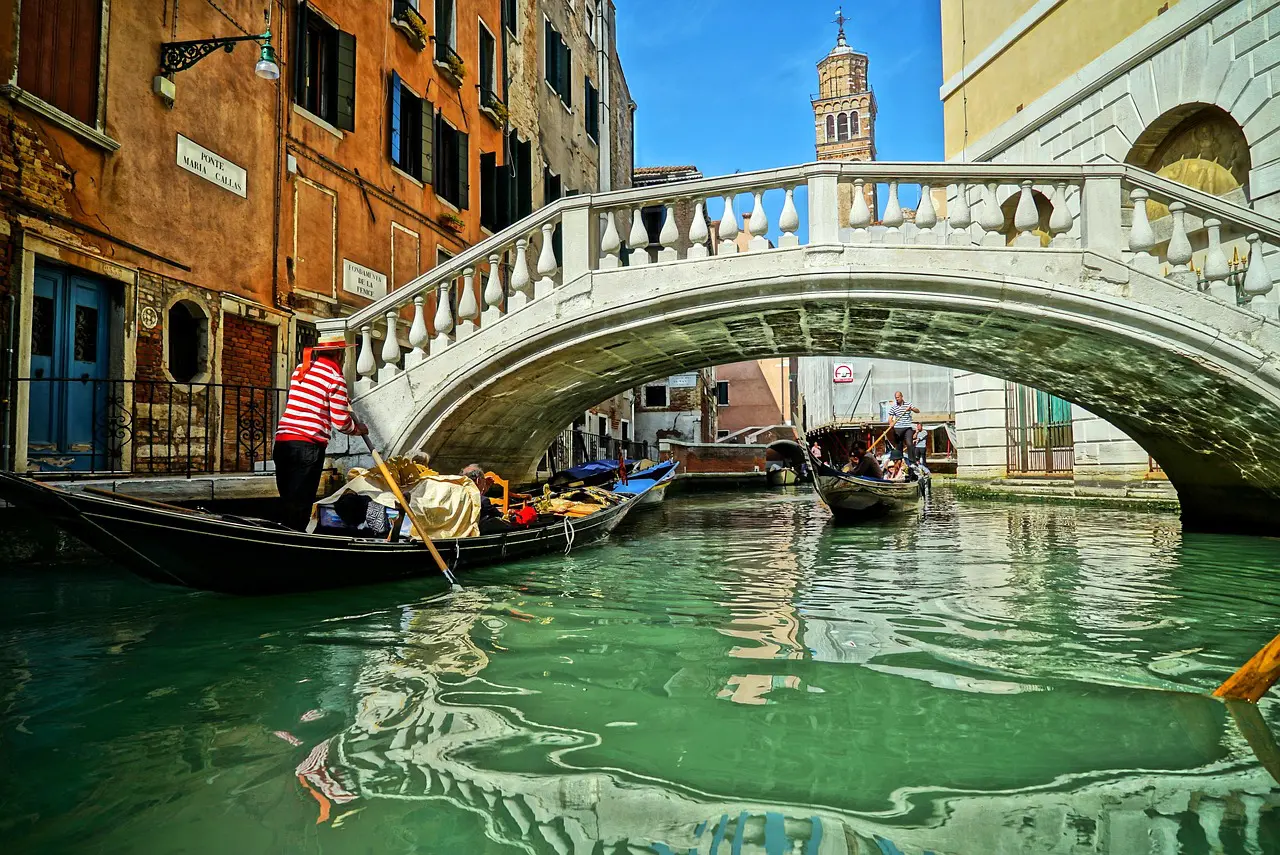
Italy may look relaxed, but its historic cities enforce some of Europe’s strictest tourist behavior rules.
- Rome bans sitting on the Spanish Steps.
- Venice fines tourists for picnicking on bridges or bathing in canals.
- Florence bans eating on sidewalks near major attractions.
- Beaches in Sardinia and Puglia ban removing sand, pebbles, or shells – fines reach €3,000.
- Capri bans single-use plastics – even bringing them onto the island can be fined.
- Florence: No eating on certain steps or near landmarks during peak hours.
- Cinque Terre: flip-flops banned on hiking trails (safety fines!).
La Pelosa Beach Rules That Can Cost You More Than Just Relaxation
La Pelosa Beach in Sardinia isn’t just another pretty shoreline – it has strict access rules designed to protect its fragile sand and crowds.
During peak season, daily visitor numbers are capped and you must book a spot online ahead of time, show a ticket, and use a mat instead of laying a towel directly on the sand, because authorities enforce this to reduce sand erosion.
Smoking, littering, and taking sand or shells are prohibited, and if you don’t follow these regulations – especially during monitored hours – you could face fines or denied entry.
13. Thailand – Surprising Cultural Rules and Legal Pitfalls

Thailand is welcoming, but many visitors break the law without realizing it, often by doing everyday behaviors.. Thailand’s cultural expectations and legal restrictions are very different from Western norms, which leads to many accidental violations.
- It’s illegal to step on Thai money – the king’s face is sacred.
- Smoking on beaches is banned in many areas (huge fines).
- Vaping and e-cigarettes are illegal.
- Taking Buddha statues out of the country can require permits.
- Public nudity and topless sunbathing are prohibited everywhere.
- No vaping (strictly enforced + potential jail)
- No criticizing the monarchy (extremely serious offense)
Standing with your back to a Buddha statue for selfies can get you into serious trouble
In Thailand, Buddha images are sacred. Posing with your back turned toward a Buddha statue – especially for playful or dramatic selfies – is widely considered deeply disrespectful and can result in being stopped by temple authorities, fined, or removed from the site.
At major temples such as Wat Phra Kaew in Bangkok, guards actively monitor visitor behavior. While tourists may see it as a normal photo pose, local laws and religious protections treat Buddha images with strict reverence.
Also in Sri Lanka: don’t pose for photos with your back turned to a Buddha statue. It’s widely treated as disrespectful, and travelers have gotten into trouble for “selfie poses” that locals consider insulting. When in doubt, face the statue – or take the photo without people in it.
14. Norway – The Country With Shockingly Strict Outdoor Rules

Norway’s outdoor laws are designed to protect nature – and tourists often don’t realize how strict they are. The country is breathtaking (it is perhaps no surprise that it is my husband’s favourite)… and surprisingly strict when it comes to nature protection and outdoor safety..
Wild camping is legal everywhere, but only within 150 meters of houses.
Tourists often camp too close to farms or cabins.
Speeding fines are among the world’s highest – even small violations can be over €1,000.
Buying alcohol is almost impossible after certain hours.
- At supermarkets: beer only until early evening.
- At Vinmonopolet (wine shops): very limited hours, closed Sundays.
Drones are banned near fjords, wildlife colonies, and military zones.
Fines are steep and enforcement is serious.
Whales and puffins have strict distance rules – getting too close is illegal.
This section adds a new, fascinating angle to your article and fits perfectly into the theme.
Also:
- No driving without winter tires in the snow season (major fines)
- No visiting certain fjords without a licensed guide
Another destination where tourists get fined without realizing it is Switzerland, a country that quietly enforces some of Europe’s strictest everyday rules.
15. Switzerland – The Country Where Normal Things Are Suddenly Illegal

Switzerland’s quiet hours, environmental rules, and building regulations create some of the most unexpected tourist laws in Europe.
No noise after 10 PM: flushing toilets and showering are banned in some apartments
You’ll sometimes see strict “quiet hours” in apartment buildings, and some rentals include house rules about avoiding noisy bathroom use late at night. It’s not a nationwide law – it’s a building rule, so check your rental’s house rules.
No recycling mistakes: mixing paper, plastic, or glass is fine-worthy
Hiking off marked trails in protected zones is illegal
Especially in wildlife protection areas.
Drones are banned in many mountain regions
Especially near paragliders and cable cars.
Feeding ducks, swans, or birds is banned in many lakeside cities
Zurich and Lucerne enforce fines.
This is another rule that regularly surprises tourists staying in Swiss rentals.
Washing car restrictions
Tourists with rentals are shocked by this rule.
Car washing at home is restricted in many places because wastewater can pollute waterways. Whether it’s allowed depends on drainage and local/municipal rules – when in doubt, use a commercial car wash.
How to Avoid Travel Fines Abroad
Strange travel laws aren’t meant to trap tourists – they exist to protect wildlife, heritage sites, public safety, and the environment. But ignorance of local regulations won’t prevent a fine.
Before traveling internationally, check official tourism websites, park authorities, and city regulations for updated rules. A few minutes of research can prevent costly mistakes.
Understanding common tourist fines around the world is one of the simplest ways to protect your trip – and your wallet.
Photo sources: 1, 2, 3, 4, 5, 6, 7, 8, 9, 10, 11, 12, 13
Frequently Asked Questions About Travel Fines
Can you really be fined for building a sandcastle in Europe?
In some municipalities in Italy and Spain, local beach ordinances regulate large sand structures or deep holes for safety reasons. Small children’s play is generally not targeted, but oversized constructions can technically result in fines.
Is running out of fuel illegal in Germany?
Running out of fuel on the Autobahn can result in fines because stopping unnecessarily on the motorway is restricted and considered avoidable.
Is it illegal to take sand from Italy?
Yes. In regions like Sardinia, removing sand, shells, or pebbles is prohibited and can result in fines, especially at protected beaches.
Can tourists drink alcohol on beaches in the U.S.?
In cities like New York, alcohol is not permitted on public beaches. Enforcement varies, but fines and confiscation are possible.
Is vaping illegal in Thailand?
Thailand restricts e-cigarettes and vaping devices, and penalties can include fines or confiscation.