
I know people who were denied boarding because their passports had issues. I also know someone who managed to take a trip having a passport slighly worn. So, can you fly with a damaged passport? Sometimes, yes, if it only has normal wear and tear. But water damage, tears, stains, loose pages, peeling laminate, unofficial markings, chip issues, or damage near the photo page can get you questioned at check-in, refused boarding, or stopped at border control.
The problem is that you don’t get to decide alone that the passport is “good enough.” The airline agent, immigration officer, scanner, and destination rules all matter. And if someone decides the document looks damaged, altered, unreadable, or unreliable, the expiration date won’t save the trip.
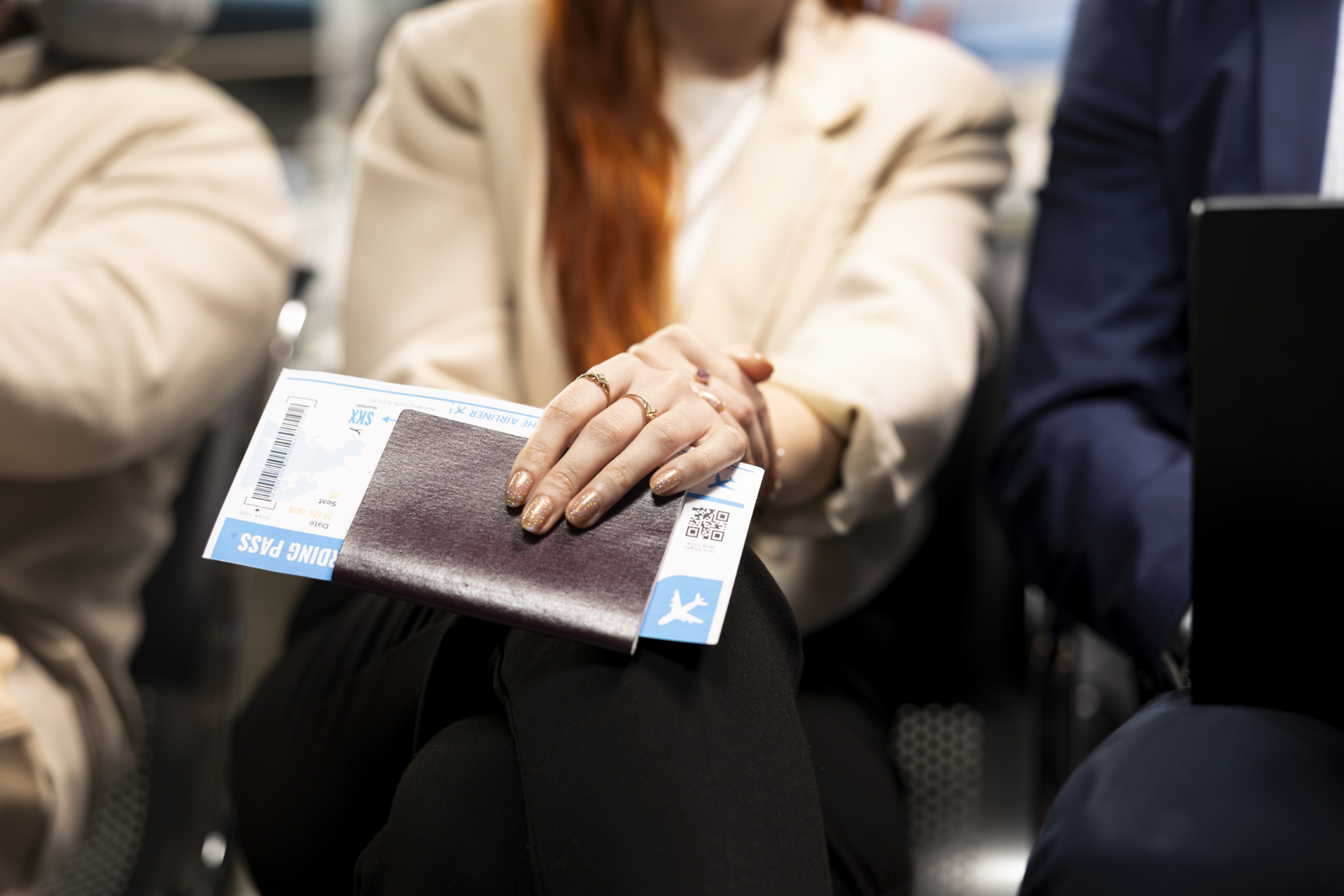
ID 453326522 ©Dragoscondrea | Dreamstime.com
A coffee stain, a torn corner, loose stitching, a water-damaged page, peeling laminate, unofficial writing, a missing page, or damage near the photo page can become a serious travel problem. I would say that the most problematic thing is that while sometimes the damage is obvious, there are instances when the passport still looks usable to the traveler, but not to the airline agent or immigration officer who has to decide whether the document can be accepted.
Before any international trip, especially one with expensive flights, hotels, tours, cruises, or non-refundable bookings, your passport check should include more than the expiration date. You need to look at the passport as a physical travel document.
Can You Fly With a Damaged Passport?
You may be able to fly with a passport that has only normal wear and tear, but you can also be refused boarding if the passport looks damaged, altered, unreadable, or unreliable. The problem is that travelers often judge the passport by the expiration date, while airlines and border officers also judge the condition of the document itself.
Small bends or light wear may not cause an issue. Damage near the photo page, machine-readable zone, pages, binding, chip, stamps, or visas is much riskier. Water damage, stains, tears, loose pages, missing pages, peeling laminate, and unofficial markings can all become problems depending on where they appear and how serious they look.
The safest rule is simple: if you would feel nervous handing the passport to an airline agent, check official guidance or replace it before travel.
Why a Valid Passport Can Still Be Refused
I know that many people use “valid passport” to mean “not expired.” That is only part of it. A passport also has to be readable, intact, and accepted as a reliable official document.
If the photo page is damaged, if the machine-readable zone can’t be scanned, if pages are missing, if there are unofficial marks, or if the passport looks altered, the problem is no longer cosmetic. The person checking the passport may not be comfortable accepting it.
That means a passport can be valid by date and still create a travel problem. The expiration date tells you whether the document is still within its official validity period. It does not prove that the document is in acceptable physical condition for travel.d.
EU citizens can often use a national ID card for travel within the EU, EEA, and Switzerland, but for many destinations outside that area – including the UK for most EU travelers – a passport is required. If you are a non-EU citizen or traveling globally, your passport may be the only document that gets you across the border, and it must be in pristine condition.
Can an Airline Refuse You Because of a Damaged Passport?
Yes, an airline can refuse boarding if your passport appears damaged and the airline believes you may be refused entry at your destination.
This can happen before you ever reach immigration abroad. Airline staff may check your passport at the check-in desk, at bag drop, at the gate, or during boarding. If the document looks damaged, altered, unreadable, or risky for the destination rules, they may decide not to let you fly.
That is why you can be stopped at the airport even if your passport is not expired. The issue may not be the date. It may be the condition of the document.
This fits with the broader travel document problem I wrote about in my international travel document checklist. A valid trip depends on several details lining up correctly: passport condition, passport validity, visa or travel authorization, name match, entry rules, transit rules, and sometimes even the passport linked to your digital authorization.
What Counts as a Damaged Passport?
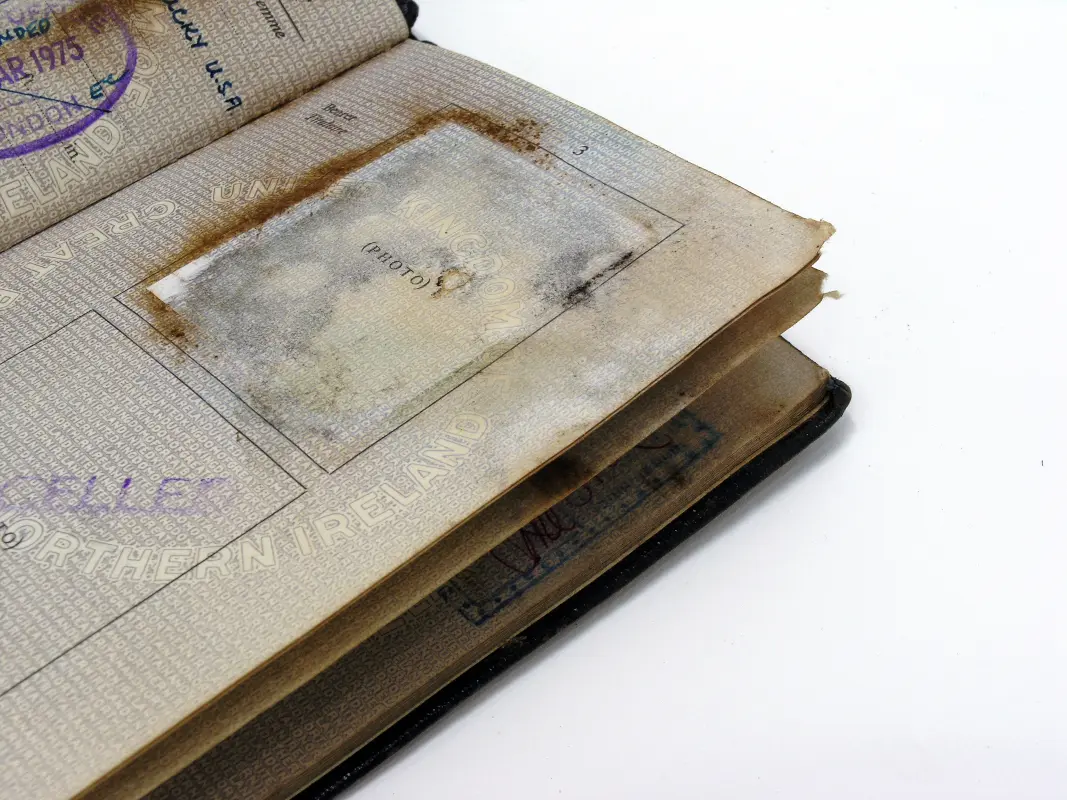
ID 2288203 ©Davinci | Dreamstime.com
A damaged passport is not only a passport that has been destroyed. If you think that “damage” means the passport went through the washing machine, lost pages, or was chewed by a dog, then yes, those are clearly important issues, but there are other things that can be seen as damaging.
Common examples of passport damage include:
- water damage
- coffee, tea, ink, food, makeup, or other stains
- mold or mildew
- significant tears
- small tears on sensitive pages, especially the photo page
- missing pages
- loose pages
- pages that look cut, trimmed, or removed
- holes or hole punches
- peeling laminate on the identity page
- damage to the photo page
- marks across the passport photo
- marks in the machine-readable zone
- unofficial writing, scribbles, stickers, or markings on passport pages
- children’s drawings, crayon marks, or stickers inside the passport
- unofficial stamps from tourist attractions
- damage to the biometric chip
- a passport cover separating from the booklet
- badly frayed binding or loose stitching
- anything that makes the passport look altered or tampered with
Normal wear is different. A small bend, a page that has been folded, or light handling marks may not create a problem. But the question is not whether the passport looks perfect. The question is whether the document can still be trusted, read, scanned, and accepted by the airline and border authorities.
The official U.S. passport guidance mentions examples such as water damage, mold, stains, significant tears, unofficial markings, and missing pages as damage that can require replacement. The UK government also warns that a damaged passport should be replaced because you may not be able to travel with it. Australian travel guidance is even more direct: even minor damage can sometimes stop you from boarding or entering a destination, especially if it affects the photo page or machine-readable area.
The Passport Damage Travelers Dismiss Too Quickly
The most dangerous passport damage is often the kind people explain away.
“It’s only a small stain.”
“The tear is not on the photo.”
“The chip has always scanned before.”
“The passport worked last year.”
“The page is loose, but it’s still there.”
“The stamp is just from a tourist attraction.”
A water stain may raise questions about whether security features were affected. A small tear may look accidental, or it may raise concern about tampering. A loose page may make the document look unreliable. A mark near the photo or machine-readable zone can create scanning or identification problems. An unofficial stamp may look fun when you get it, but passports are official documents, not souvenir books.
I wouldn’t treat visible passport damage casually before any trip. A passport is not like a worn wallet or a slightly bent boarding pass. It is the document that proves who you are and whether you can cross a border.
Passport Water Damage: When a Stain Becomes a Travel Problem
Passport water damage is one of the biggest reasons to be careful. A passport that got wet may dry out and look acceptable at first glance, but water can leave stains, warped pages, bleeding ink, mold, or damage to security features.
Check for:
- wavy or swollen pages
- stains on the identity page
- stains on visa pages
- ink bleeding from stamps
- mold or mildew smell
- peeling laminate
- pages sticking together
- damage near the photo
- damage near the machine-readable zone
If the passport went through the washing machine, sat in a wet bag, got soaked in rain, or had liquid spilled on it, don’t only check whether the photo is still visible. Look at the entire booklet. If there is staining, warping, mold, peeling, or anything that makes the document look altered, you should treat it as a serious issue before travel.
Passport Tears: Is a Small Tear Enough to Get You Denied Boarding?
A small tear is one of the hardest cases because travelers naturally want a yes-or-no answer. Unfortunately, the location of the tear matters a lot.
A tiny tear on a blank visa page may be treated differently from a tear on the photo page, the machine-readable zone, the page with your personal details, or the binding. But once there is a tear, especially near an important part of the passport, you’re no longer dealing with a comfortable situation.
Look carefully for:
- tears on the photo page
- tears near your name, date of birth, passport number, or nationality
- tears through stamps or visas
- torn or missing corners
- pages pulling away from the binding
- cuts that look too straight or deliberate
- any page that looks trimmed or altered
A passport with a tear may still identify you clearly, but that doesn’t guarantee it will be accepted. Border and airline staff are not only checking whether they can recognize your face. They are checking whether the document itself is intact and trustworthy.
Passport Stains, Marks, Stickers, and Unofficial Writing
Stains and markings can be more serious than they look.
A mark on a blank page may feel harmless. A mark on the data page is a different issue. A stain over the photo, passport number, machine-readable zone, visa, entry stamp, or security feature can create a much bigger risk. The same applies to unofficial writing, scribbles, souvenir stamps, stickers, labels, or anything that was not added by an official border or passport authority.
A child’s crayon mark, sticker, doodle, or scribble inside a passport may look innocent at home, but it can be treated as an unauthorized mark on an official travel document. The same goes for adults who use passport pages as a place for notes, labels, or “just one small sticker.”
Passports are not places for kids to draw (though I know they might be tempted!), for attractions to stamp casually, or for travelers to organize pages with stickers. Once unofficial marks appear inside the passport, especially near identification details, visas, stamps, or machine-readable areas, you may have to replace the document before travel.
If you collect souvenir stamps, use a separate travel notebook. Don’t use your passport for that. It may seem like a fun memory at the time, but it can become a very expensive mistake later.
Passport Photo Page Damage Is Especially Risky
The photo page is one of the worst places to have damage.
That page usually contains your photo, passport number, personal details, security features, and machine-readable zone. If anything on that page is scratched, stained, torn, peeling, unreadable, or marked, the passport becomes much more questionable.
Check whether:
- your photo is clear
- your name and passport number are easy to read
- the laminate is fully attached
- there are no stains or marks across your face
- the machine-readable lines at the bottom are clear
- the page is not cracked, torn, warped, or peeling
- the passport scans properly if it has been checked recently
Don’t try to repair the photo page yourself. Don’t tape it. Don’t glue it. Don’t laminate it. Don’t write over anything. A homemade repair can make the document look tampered with, and that can create an even bigger problem than the original damage.
What About a Damaged Passport Chip?
Modern biometric passports include an electronic chip. If the chip is damaged, the passport may not scan properly at e-gates or during document checks.
A damaged chip doesn’t always mean every officer will reject the passport immediately, because the printed passport data may still be readable. But if the passport is bent, cracked, water-damaged, or visibly damaged in a way that may have affected the chip, you shouldn’t ignore it.
One important note here: In many places, a chip that doesn’t scan can send you to manual checks instead of an e-gate, and in stricter border environments it may raise extra questions about the document. That doesn’t mean every damaged chip automatically leads to refusal, but it is not something I would ignore before an international trip.
If you suspect chip damage before an international trip, check with your passport authority. Don’t leave it until the airport.
What You Should Check Before Booking an International Flight
The best time to check your passport is before you book the trip, not the night before departure.
Take the passport out and check it slowly in good light. Don’t only open it to the photo page and glance at the date. Look at the whole document.
Use this damaged passport check:
- Is the photo page clean, flat, and fully readable?
- Is the laminate attached properly?
- Are your photo, name, passport number, nationality, and date of birth clear?
- Are the machine-readable lines at the bottom clean and undamaged?
- Are there any stains from water, coffee, ink, food, makeup, or mold?
- Are any pages torn, cut, loose, missing, or badly creased?
- Does the binding look secure?
- Are there any unofficial marks, stamps, stickers, or writing?
- Does the passport cover remain attached?
- Has the passport been washed, soaked, bent hard, chewed, pierced, or repaired?
- Does anything make the passport look altered?
If you find a problem, don’t rely on a social media comment from someone who says, “I traveled with mine and nobody cared.” That may be true for them. It doesn’t mean your airline, route, airport, or destination will accept yours.
Also, check all the other travel document details at the same time. The passport condition is only one part of the process. You also need the correct validity period, blank pages if required, a visa or travel authorization, a name match, and entry/transit rules. My full international travel document checklist walks through those wider checks.
What To Do If Your Passport Is Damaged Before Travel
If your passport is damaged before travel, the safest step is to contact your passport authority and replace it if the damage could affect travel.
Do this as early as possible. Passport replacement can take time, and urgent appointments may be limited, expensive, or unavailable depending on your country and timing. The closer you are to departure, the fewer good options you have.
If you are unsure whether the damage is serious, check the official passport guidance for your country. For U.S. travelers, the U.S. State Department passport page explains passport replacement and urgent travel options. British travelers can check the official GOV.UK passport replacement page and the UK urgent passport service. Australian travelers can check the Australian Passport Office and Smartraveller guidance before traveling with a questionable passport.
If your trip is very close, there might still be a solution. Many countries have urgent passport procedures, passport agency appointments, emergency passports, or emergency travel documents for specific situations. The exact rules depend on your nationality, where you are, how soon you travel, and whether you are at home or already abroad. For example, U.S. travelers with international travel very soon may be able to use a passport agency appointment, while British and Australian travelers abroad may be able to apply for an emergency travel document or emergency passport in certain cases.
That does not mean you should wait and hope for a last-minute appointment. Emergency and urgent services are not always guaranteed, and they may require proof of travel, extra fees, consular appointments, or specific eligibility. But if you discover damage 48 hours before a flight, check the urgent travel instructions immediately instead of assuming the trip is automatically lost.
What Not To Do With a Damaged Passport
Don’t try to fix a damaged passport yourself.
That means:
- don’t tape torn pages
- don’t glue loose pages
- don’t laminate the passport
- don’t cut damaged edges
- don’t remove pages
- don’t cover stains with correction fluid
- don’t write explanations inside the passport
- don’t add stickers
- don’t try to flatten the passport with heat
- don’t ignore water damage and pack it anyway
A damaged passport is already a problem. A passport that looks repaired, altered, or tampered with can be a much bigger problem.
This is similar to the mistake in the story about the woman who cut her ID card and was refused boarding. The document may still feel like “your ID” to you, but once an official travel document has been physically altered, the person checking it may no longer be allowed or willing to accept it.
My husband had an issue too – at arrival (at night) from a trip, when descending from the taxi, he didn’t notice that the passport fell near the entrance to our house. It remained on the street, and, when he saw it the next day, it was damaged (run over by cars). So, of couse, he immediately went and got a new one.
Why “It Worked Last Time” Is Not Enough
One of the weakest arguments you can make with a damaged passport is that it worked on a previous trip.
It may have worked because the damage was not noticed. It may have worked because the route was less strict. It may have worked because the passport still scanned properly that day. It may also have worked before the damage got worse.
That doesn’t guarantee it will work again. Passport checks involve people, systems, airlines, airports, border authorities, and destination rules. You don’t control all of those. If a trip is expensive or important, relying on “it was fine last time” is a risky approach.
Damaged Passport vs Expired Passport: Different Problems, Same Result
An expired passport is obviously a problem. A damaged passport can be less obvious, which makes it more dangerous.
With an expired passport, travelers usually know where to look: the date. With a damaged passport, the issue may be a stain, tear, loose page, unofficial mark, damaged chip, or unreadable section. The passport may still be within its validity period, but it may no longer be acceptable for travel.
This is why you should never reduce passport checks to “Is it expired?” That is only the first question.
You should also ask:
- Is it in good physical condition?
- Is the photo page clean and readable?
- Does the passport have enough validity for the destination?
- Does it have the required blank pages?
- Is the passport linked correctly to any visa or travel authorization?
- Does the name match the ticket exactly enough for the airline and destination rules?
Digital travel authorizations make this even more important. For example, when an ETA, ESTA, eTA, or other authorization is linked to a specific passport, a replacement passport may mean you also need to check or redo the authorization. I wrote about this kind of document-linked issue in the UK ETA denied boarding article.
When Should You Replace a Damaged Passport?
You should replace a damaged passport before travel if the damage affects the photo page, personal details, machine-readable zone, chip, binding, pages, visas, stamps, or anything that could make the document look altered or unreliable.
You should also replace it if:
- the passport got wet and now has stains, warping, or mold
- the photo page is scratched, peeling, or marked
- there is a tear on an important page
- a page is loose or missing
- the cover is separating
- the machine-readable zone is damaged
- there are unofficial markings on the data page
- the chip may be damaged
- you would be nervous handing it to an airline agent
That last point is not an official rule, but it is a practical one. If you look at the passport and already feel anxious that someone may question it, don’t ignore that feeling. Check the official rules and start the replacement process early enough.
How To Protect Your Passport From Damage While Traveling
Passport damage often happens because people treat the passport like any other item in a bag. It gets shoved next to water bottles, snacks, cosmetics, pens, receipts, keys, and chargers. Then one leak or one careless moment creates a problem.
To protect your passport:
- keep it in a protective passport sleeve
- keep it away from liquids
- don’t store it loose in a backpack pocket with pens or food
- don’t keep it in a back pocket where it can bend
- don’t leave it near sunscreen, makeup, or hand sanitizer
- don’t let children play with it
- don’t use it as a place for souvenir stamps
- store it flat and dry at home
- keep it in a waterproof pouch when needed
- check it again after any trip where it may have been exposed to rain, spills, or rough handling
I would also keep digital and paper copies of the passport separately while traveling. A copy does not replace the passport for border crossing, but it can help if the passport is lost, stolen, or damaged abroad and you need to contact an embassy or consulate.
What If Your Passport Gets Damaged While You Are Abroad?
If your passport gets damaged while you are abroad, don’t assume you can continue the trip as planned. Contact your embassy, consulate, or passport authority as soon as possible, especially if you have another international flight, cruise, ferry crossing, or border crossing ahead.
Your options may depend on your nationality, location, timing, and next destination. In some cases, you may need an emergency travel document. In other cases, you may need a replacement passport. If you are flying home directly, the advice may be different from traveling onward through several countries.
This is another reason to check passport condition before leaving home. Replacing a damaged passport from home is inconvenient. Dealing with it abroad can be much more stressful.
The 3-Question Sanity Check Before You Leave for the Airport
After you have checked the passport properly, the final decision should be simple. Before you leave for the airport, ask yourself three questions:
- Would I feel comfortable handing this passport to an airline agent without explaining anything?
- Is the photo page, machine-readable zone, visa, stamp, and identity information clean, readable, and undamaged?
- If the airline refuses it, do I have enough time, money, and flexibility to deal with the consequences?
If the answer makes you hesitate, don’t ignore that hesitation. A damaged passport is much easier to deal with before you leave home than at check-in, at the gate, or in another country.
Conclusion
A damaged passport can get you denied boarding even when the passport is not expired. That is the part travelers need to take seriously. The date matters, but the condition of the document matters too.
Small bends and normal handling marks may not be a problem. Water damage, stains, tears, loose pages, missing pages, peeling laminate, unofficial markings, chip damage, or anything affecting the photo page or machine-readable zone is different. Once the passport looks damaged, altered, unreadable, or unreliable, the decision may no longer be yours.
Before you book or before you leave for the airport, take five minutes and check your passport properly. Not just the expiration date. Not just the name. The whole document.
If the passport looks questionable, replace it early. It is much better to deal with passport paperwork at home than to stand at check-in with paid flights, packed bags, and an airline agent telling you that you’re not getting on the plane.
Damaged Passport FAQ
Can you fly with a damaged passport?
You may be able to fly with a passport that has only normal wear and tear, but a damaged passport can get you denied boarding or refused entry. Water damage, significant tears, stains, missing pages, peeling laminate, damage to the photo page, or unofficial markings can all create problems. If there is visible damage, check with your passport authority before travel.
What counts as a damaged passport?
A damaged passport may include water damage, mold, stains, significant tears, missing pages, torn visa pages, unofficial markings, damaged laminate, loose binding, damaged photo page, damaged machine-readable zone, or signs of tampering. Small bends or folded pages may count as normal wear, but anything that affects readability or document integrity should be taken seriously.
Can a small tear in a passport get you denied boarding?
Yes, a small tear can cause problems, especially if it is on the photo page, near personal details, in the machine-readable zone, through a visa or stamp, or close to the binding. A small tear on a blank page may be less serious, but acceptance is not guaranteed. If you see a tear before travel, check official guidance and replace the passport if needed.
Can you travel with a water-damaged passport?
You shouldn’t assume you can travel with a water-damaged passport. Water can cause stains, warped pages, mold, peeling laminate, ink bleeding, or damage to security features. If your passport got wet and shows visible damage, check with your passport authority before flying.
Can an airline refuse a damaged passport?
Yes. Airlines can refuse boarding if they believe your passport may not be accepted by the destination country. This can happen at check-in before you ever reach immigration. A valid expiration date doesn’t guarantee boarding if the passport is physically damaged.
Is a stained passport still valid for travel?
A small mark may not always cause a problem, but stains can be risky, especially on the photo page, passport number, machine-readable zone, visas, or stamps. Water stains, ink stains, food stains, and mold can make the passport look damaged or unreliable. Check official guidance if your passport has visible staining.
Can unofficial stamps damage a passport?
Unofficial stamps can create problems because passports are official government documents. Souvenir stamps from attractions, novelty stamps, stickers, or writing inside the passport may be treated as unofficial markings. Use a travel notebook for souvenir stamps instead of your passport.
Should I replace a damaged passport before travel?
If the damage affects the photo page, personal details, machine-readable zone, chip, pages, binding, laminate, or anything that makes the passport look altered or unreliable, replacing it before travel is the safest option. Do this early, especially before expensive or non-refundable trips.
What should I do if my passport gets damaged abroad?
Contact your embassy, consulate, or passport authority as soon as possible. Depending on your nationality, location, and travel plans, you may need an emergency travel document or replacement passport before you can continue traveling or return home.
Does passport damage affect visas or travel authorizations?
It can. If you replace a damaged passport, visas, ETAs, ESTAs, eTAs, or other travel authorizations linked to the old passport may need to be checked, updated, transferred, or reapplied for. Always verify this before traveling with a replacement passport.
More amazing articles for you:
5 Great Day Trips From Palermo You Should Take
He Paid Hundreds to Upgrade His Wife’s 8-Hour Flight Home. Her Seat Was Confirmed. What Happened Nex...
Try This Fun Interactive Italian Travel Phrases Quiz: How Much Would You Understand on Your First Da...
How to Avoid Tourist Fines in Europe: Rules Travelers Should Know
What Not to Do in Dubai: Tourist Mistakes That Can Get You Arrested (2026 Guide)
16 Best Spanish Foods You Must Try: A Local’s Guide to Traditional Cuisine
Ready, Set, Spring Break: Travel Tips for Your Next Spring Trip
Hotel Checkout Checklist: What to Check Before Leaving Your Room

Violeta-Loredana Pascal is a communications expert, business mentor, and the founder of Earth’s Attractions and PRwave INTERNATIONAL. A pioneer in the Romanian digital PR landscape since 2005, she holds a degree in Communication and Social Sciences from SNSPA Bucharest. Violeta is a senior trainer at AcademiadeAfaceri.ro, where she leverages over 20 years of experience to teach professional courses in PR strategy and workplace productivity. By blending high-level business consulting with a passion for holistic travel and wellness, she empowers solopreneurs to overcome procrastination, build profitable brands, and design a life of purposeful adventure.