
Every few months, travel advice swings in the same direction again: skip Paris, skip Rome, skip Amsterdam, avoid the famous capitals, and go somewhere smaller instead. The argument sounds convincing: smaller cities are often cheaper, calmer, less crowded, and easier to enjoy without feeling like you are moving from one queue to another.

ID 113677380 ©Anyaberkut | Dreamstime.com
I understand that advice. I have been to Brno, Heidelberg, Ruse, Veliko Tarnovo, and many smaller cities in Romania too – and I live in Bucharest, so I know very well that a capital is not the only place that can define a country. But, then again, Romania is seen as a dupe or cheaper destination, and less crowded, than more popular European destinations.
But I also know this: if you have dreamed for years about seeing the Eiffel Tower, the Colosseum, the Louvre, Big Ben, the canals of Amsterdam, or another famous place that exists in one specific city, a smaller alternative will not always satisfy that desire. It may give you a wonderful trip, but it will not give you that exact experience.
So the real issue is not whether famous cities are better than smaller destinations, or whether destination dupes are smarter than the originals. The real issue is more personal than that – and it is the part many travel articles skip when they tell everyone where they should go next.
The Problem With “Skip the Famous Cities” Advice
The destination dupe trend started from a genuinely good place. Overtourism is real. Venice, Barcelona, Amsterdam, Rome, Paris, and many other famous places have been dealing with crowds, local frustration, rising prices, access limits, tourist rules, and new fees.
The Trevi Fountain is a good example. Starting in 2026, tourists who want to access the lower basin area closest to the fountain have to pay a small €2 fee, while viewing the fountain from the surrounding area remains free. That change did not happen because Rome suddenly decided the Trevi Fountain was not famous enough. It happened because the crowds around one of the city’s most iconic landmarks became difficult to manage.
I have also written about tourists behaving badly at the Trevi Fountain, and I understand why cities are trying to protect landmarks that millions of people love. Famous places are under pressure – I think we also remember that Venice introduced a fee for day visitors.
The problem begins when useful advice turns into a rule. “Consider a smaller city” is helpful. “You are wrong if you still want Paris” is not. “Try a destination dupe if you want fewer crowds and lower costs” can be excellent advice. “The original is never worth it anymore” is too simple.
That is where the discussion gets distorted. Because for some travelers, the famous place is exactly the right place and, in my opinion, both directions are valid: both big, famous cities deserve to be visited, but smaller or less-popular alternatives have so much to offer too.
Some Experiences Cannot Be Replaced by a Similar City
Let me be direct about something destination dupe articles rarely say plainly: you cannot see the actual Eiffel Tower anywhere except Paris.
You can find beautiful iron structures elsewhere. You can find romantic cities, elegant boulevards, excellent food, impressive museums, and wonderful places that cost less and feel calmer. But if what you have wanted for years is to stand on the Champ de Mars and look up at that specific tower, no charming alternative fully replaces it.
The same is true for many famous places.
- The Trevi Fountain – there are beautiful fountains across Italy, but none of them is the Trevi. The ritual of tossing a coin, the Baroque façade, the crowd, the noise, the scale, the specific setting in Rome – that combination exists there.
- Big Ben and the Houses of Parliament – London has one of the most recognizable riverfront views in Europe. You can find lovely river cities elsewhere, but not that exact skyline; and there are plenty of hidden gems in London too.
- The Louvre – if the Mona Lisa, Winged Victory, Venus de Milo, or the scale of the museum itself matter to you, Paris is the place. The city has so many wonderful museums!
- The Colosseum – many Roman ruins are extraordinary, but standing inside the Colosseum in Rome is not the same as visiting a similar archaeological site somewhere else.
- Amsterdam’s canals – yes, there are other canal cities. Some are quieter, cheaper, and very beautiful. But Amsterdam’s particular mix of canals, museums, narrow houses, cycling culture, and atmosphere is still its own thing.
This is not about ranking destinations. It is about being honest. Some travel experiences are attached to a specific place, and if that place is the reason you want the trip, choosing a substitute may leave you feeling as if you missed the thing you came for.
My Paris Story
I visited Paris in March, which is considered off-season by most standards. I went because I wanted to see the Louvre, stand under the Eiffel Tower, and look out over the city from above. I had wanted those things for a long time.
I stood in line. I navigated crowds. I paid more than I would have paid in a smaller city. I did all the things that travel articles warn you about – and I was prepared for them.
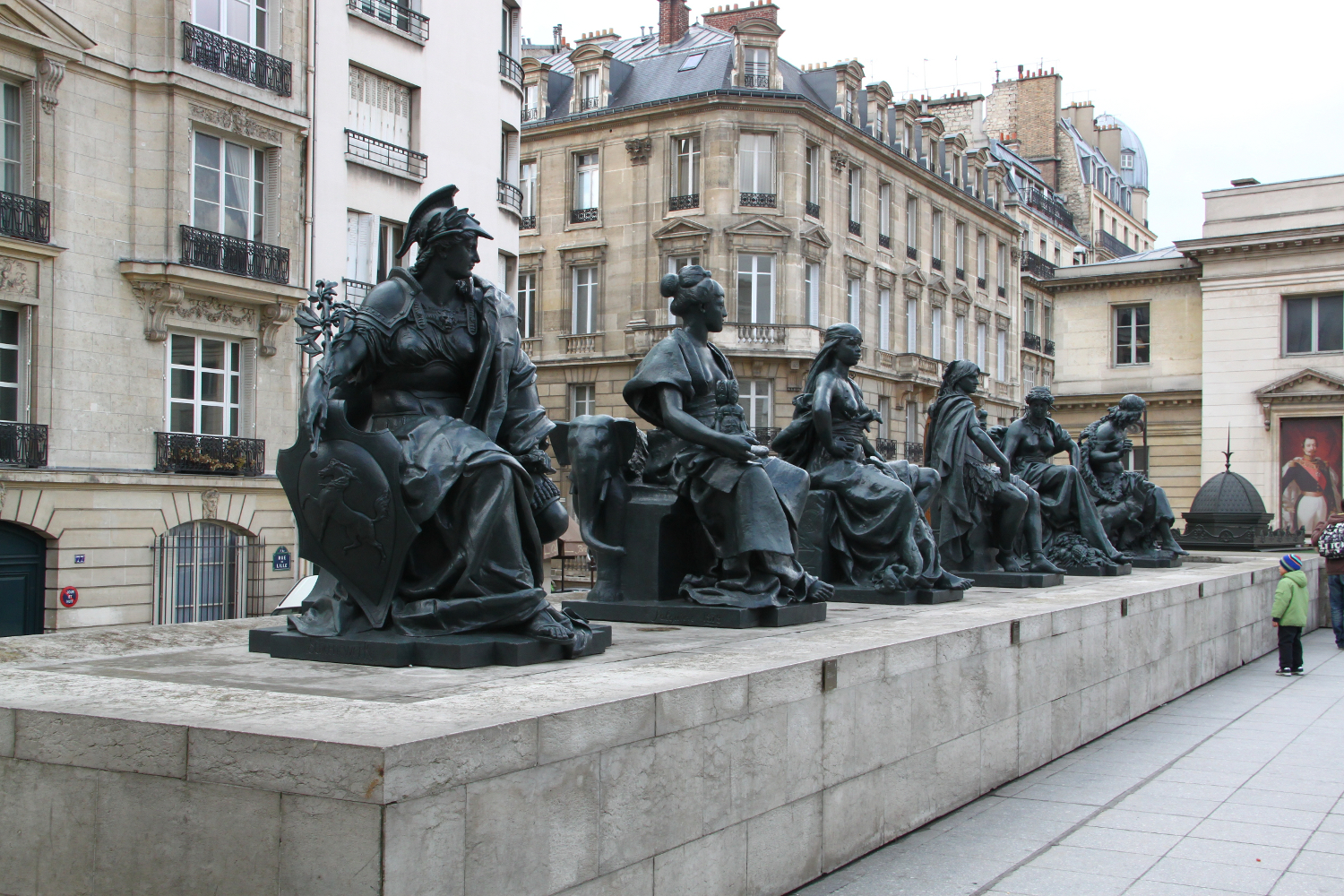
Here is what I remember: the treasures at the Louvre and the Musée d’Orsay, the trip to Versailles, the walks in Paris… The wonderful feeling of being there, where I had dreamt for years to be. I don’t regret the queues, nor the money. It was a trip I loved – and one I hope to take again (as soon as my knee is healed). Yes, Paris, again. And this time I want to go mid-June so that I see flowers (in March the gardens are not even green… let alone in bloom).
That trip was special for me because I did not go to Paris hoping for a quiet, empty, undiscovered city. I went to Paris because I wanted Paris. I wanted the famous places. I wanted the museums. I wanted the views I had seen in books, films, and photos. I knew there would be crowds, and the crowds did not ruin the trip because they were not a surprise. In fact, I had some interesting conversations while waiting in line to enter Musee d’Orsay. And it was the same when I chose to visit Vienna.
That is a very different situation from booking Paris because everyone says you “must” go there, then realizing you actually wanted a calmer vacation with fewer decisions and less pressure.
Before You Choose the Destination, Look at the Kind of Trip You Want
This is the most important thing I want to emphasize. If you choose the wrong trip for that particular moment, you may end up in burnout, disappointed, and with a hole in the budget. People choose a famous city when what they actually need is rest, space, and fewer decisions. Or they choose a smaller alternative because everyone says it is more authentic, then spend the whole trip feeling disappointed because what they truly wanted was the original landmark.
In both cases, the destination did not necessarily fail. The match was wrong.
A famous city can be the right choice when you want a specific landmark, a major museum, a historic site, a famous view, or the energy of a place that millions of people visit for good reason. Rome, Paris, London, Amsterdam, Barcelona, Vienna, and other major cities are not famous by accident. They have extraordinary sites, cultural depth, and a density of things to do that smaller places often cannot match.
A smaller city can be the right choice when you want a slower trip, less crowd pressure, lower prices, easier wandering, and more space to notice daily life. That kind of trip can be deeply satisfying, but it serves a different travel mood.
This is why choosing a destination should not begin only with “Where is everyone going?” or “Where is everyone telling me not to go?” It should begin with the kind of vacation you need at that moment. If you are planning a once-in-a-lifetime museum trip, Paris may make complete sense. If you are tired, overstimulated, and desperate for a city where you can walk without fighting crowds all day, Paris may not be the best match for that specific vacation.
For a more structured way to think through that decision, the guide on how to decide where to travel next goes deeper into preferences, activities, budget, and timing. Those things sound basic, but they often decide whether a trip feels right or frustrating.
What Smaller Cities Actually Offer
None of the things I said above is an argument against smaller cities or less famous countries (again, I am from Romania, not France, Austria, UK…). Quite the opposite.
The problem is that smaller destinations are often framed as consolation prizes. “Can’t afford Santorini? Try this instead.” “Can’t deal with Rome’s crowds? Go here.” “Skip Paris and visit this cheaper place.” That framing makes beautiful cities sound like backup plans, and I don’t think that is fair to them.
Brno is a good example. I wrote about spending a day in Brno, and I would never describe it as a replacement for Prague, Vienna, or Budapest. That would make the city sound like it only exists because another place is busier or more expensive. Brno has its own architecture, cafés, squares, churches, atmosphere, and pace. It offers another way of experiencing the Czech Republic, not a discounted version of somewhere else.
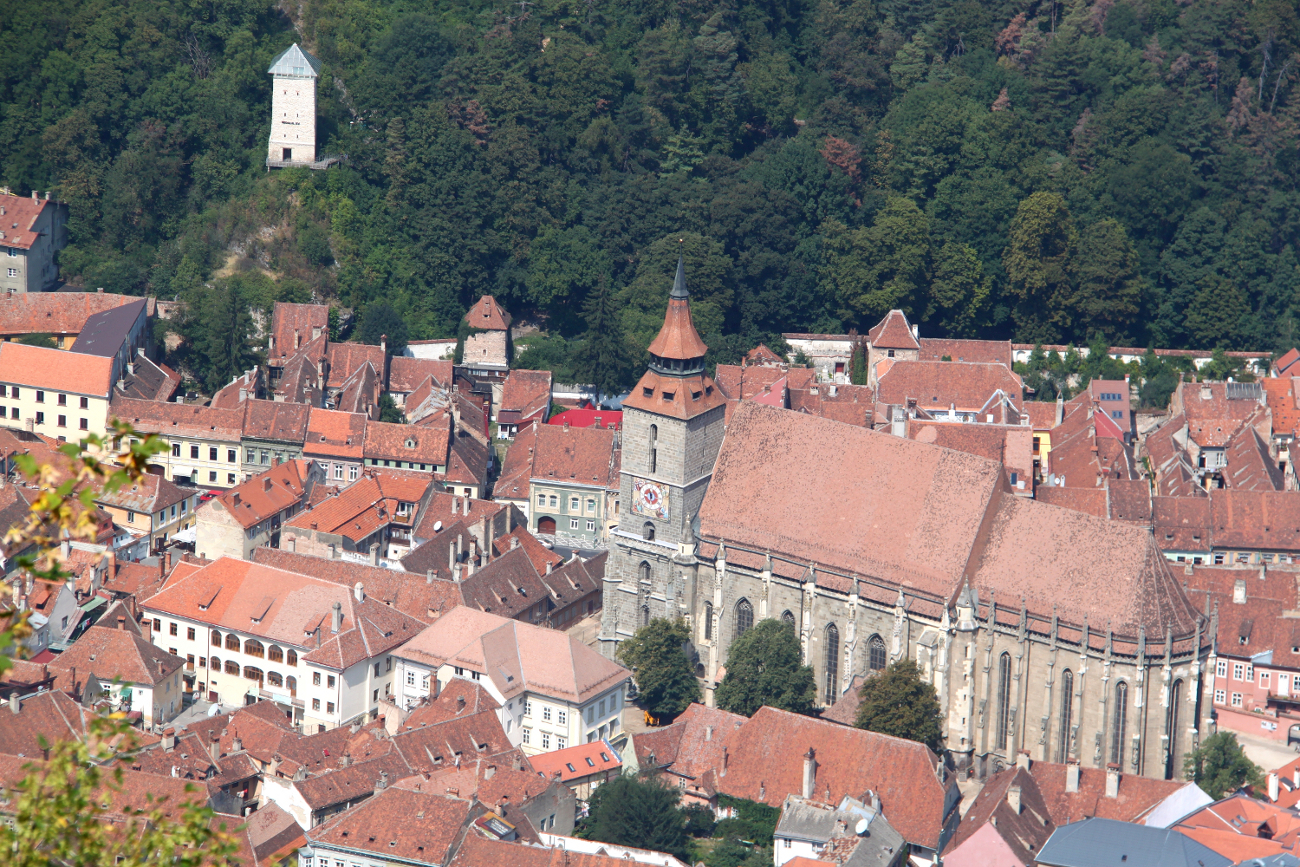
The same applies to Ruse and Veliko Tarnovo in Bulgaria, and to many smaller cities in Romania. I live in Bucharest, but I would never say that the capital is the only place that explains the country. Brașov, Sibiu, Sighișoara, Iași, Oradea, Timișoara, Alba Iulia, Cluj-Napoca, and many other Romanian cities offer different versions of history, architecture, food, landscape, and local life.
Smaller cities can give you something famous capitals often struggle to offer: time to absorb the place without feeling rushed. You can sit in a square for an hour without feeling guilty that you are missing five major attractions. You can walk down side streets without needing a timed ticket. You can enter churches, museums, markets, or cafés without every stop feeling like a strategic decision.
That is not “less.” It is a different kind of travel value.
Destination Dupes Can Be Useful – But They Should Not Be Treated as Copies
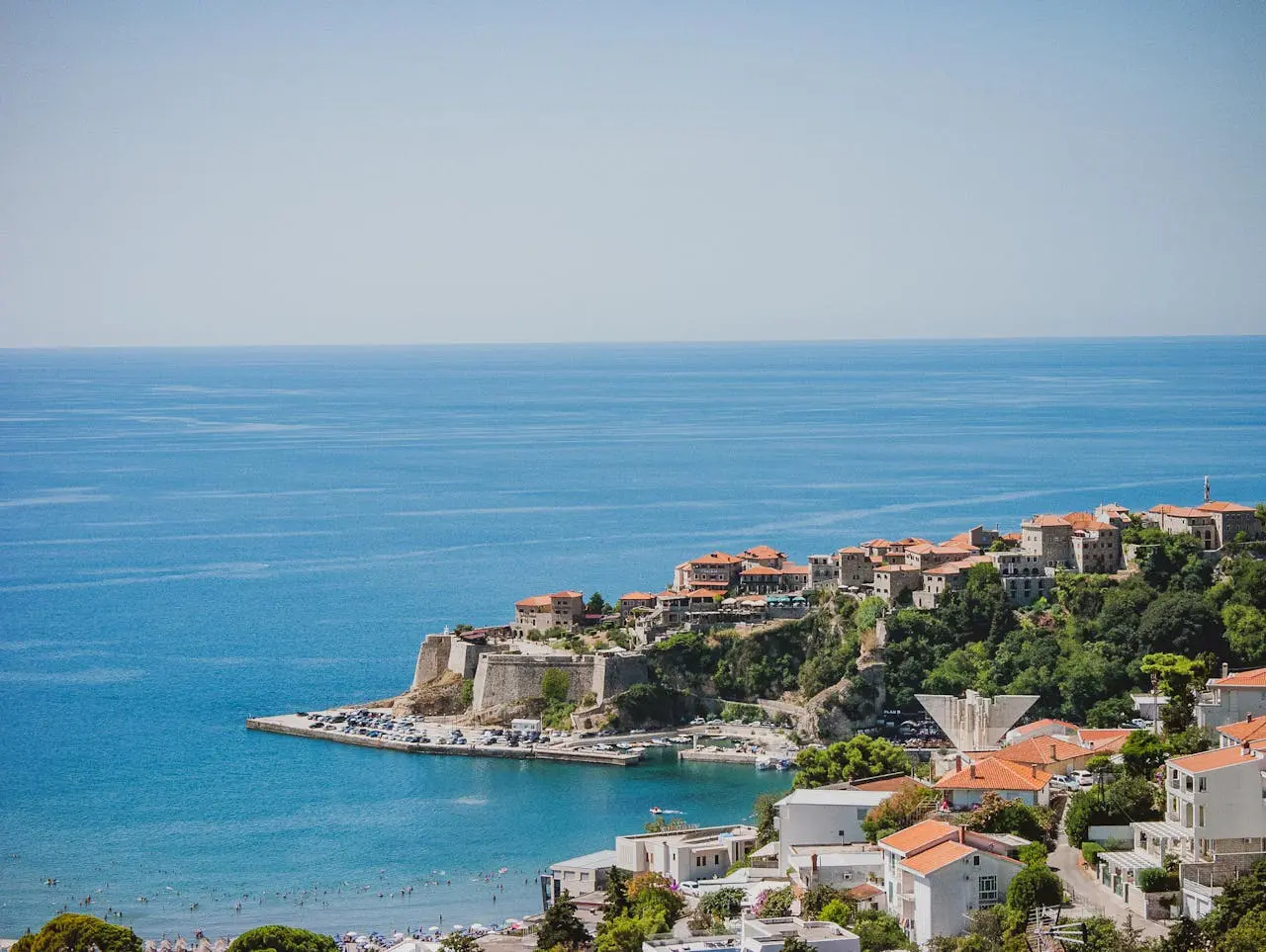
I like the idea of destination dupes when it is used carefully. I have a full guide to European destination dupes because I do think travelers can benefit from considering alternatives to overcrowded, expensive, or overexposed places.
But the word “dupe” can also create the wrong expectation. A smaller or less famous destination may share some qualities with a popular place – canals, medieval streets, mountain views, beaches, museums, wine regions, architecture, or atmosphere. That does not mean it will give you the same emotional result. But, at the same time, it doesn’t mean it would give you less. It would provide something different. And that is also valuable, wonderful, worthy to be experienced!
If you choose a dupe because you want lower costs, fewer tourists, and a place that feels easier to enjoy, it can be a brilliant choice. If you choose it while secretly wanting the original, the comparison may follow you through the whole trip.
A city does not need to be the “new Paris” or the “cheaper Amsterdam” to be worth visiting. It can simply be a place with its own reasons to go.
Honest Pros and Cons of Famous Cities
What famous cities genuinely offer

Famous cities usually have the big cultural hits for a reason. The Eiffel Tower, the Louvre, the Colosseum, Westminster, the Sagrada Família, the canals of Amsterdam, Schönbrunn Palace, the Vatican Museums – these places are not popular only because travel marketing made them popular. Many of them are exceptional.
Major cities also make travel easier in practical ways. You usually have better transport, more hotel options, more restaurants, more tours, more museums, more multilingual information, and a larger range of things to do if the weather changes or someone in your group gets tired.
For a first trip to a country, a famous city can also give you a strong introduction. Not the full country, of course, but a concentrated version of history, museums, food, architecture, neighborhoods, and public life.
What famous cities honestly involve
Crowds. Queues. Higher prices. Timed tickets. More scams. More tourist traps. Pickpockets. Less spontaneity around the biggest attractions. Sometimes the famous site is surrounded by so many people that you need to work harder to enjoy it.
This doesn’t automatically make the destination wrong/bad. It means you need to know what you are choosing. Going to Rome in peak season and expecting the Trevi Fountain to feel like a private movie scene is a setup for frustration. Going to Rome because you want the Colosseum, the Vatican Museums, the fountains, the ruins, the food, and the energy of the city – while accepting that you will share it with many other people – is different.
Planning helps. Booking major attractions in advance, choosing early mornings or evenings, staying in a neighborhood that gives you breathing room, and building quieter moments into the itinerary can change the whole trip. The broader travel planning guide is useful here because famous cities often require more structure than smaller ones.
Who famous cities are right for
Famous cities are right for travelers who have a specific landmark, museum, neighborhood, food experience, historic site, or cultural moment in mind. They are also good for travelers who want to see a lot in a short amount of time, especially if it is their first visit to that country or region.
They are not always right for someone who wants quiet, low effort, low cost, and very little crowd management. They can still be enjoyable, but only if the expectations match the reality.
Honest Pros and Cons of Smaller Destinations
What smaller destinations genuinely offer
Smaller destinations often give you more room – physically, mentally, and financially. You may spend less on accommodation, food, transport, and attractions. You may find it easier to walk without checking the map every five minutes. You may notice details you would miss in a city where every hour is packed with reservations.
They also make space for more personal memories because smaller places often leave more room for wandering, pauses, small discoveries, and conversations that are not organized around a famous attraction.
In Brno, Ruse, Veliko Tarnovo, and many smaller Romanian cities, the pleasure is not always about ticking off a world-famous site. Sometimes it is about the city center, the architecture, the hills, the river, the café you did not plan, the view you reached without a crowd around you, or the feeling that the place has not been flattened into one global tourist image.
What smaller destinations honestly involve
Smaller cities are not magic. They may have fewer direct flights, fewer hotel options, fewer English-language resources, shorter museum hours, less developed tourist infrastructure, and less public transport late in the evening. And you might need cash. You may need more research. You may also need to accept that the famous landmark you imagined will simply not be there.
That is not a flaw if you chose the city for what it actually offers. It becomes a problem only when you expect a smaller place to be exactly like a famous capital while still being cheap, empty, and effortless.
Who smaller destinations are right for
Smaller destinations are right for travelers who want a calmer trip, lower costs, more local atmosphere, and the pleasure of discovering a place without feeling pushed through a tourist machine. They are also excellent for people who have already seen the major capitals and want to widen their map.
They may not satisfy someone whose main travel desire is tied to a specific famous site. If your heart is set on the Louvre, Brno will not fix that. If you want to toss a coin into the Trevi Fountain, Veliko Tarnovo is not the answer. That does not make Brno or Veliko Tarnovo less valuable. It means they belong to a different trip.
You Can Want Paris This Year and Brno Next Year
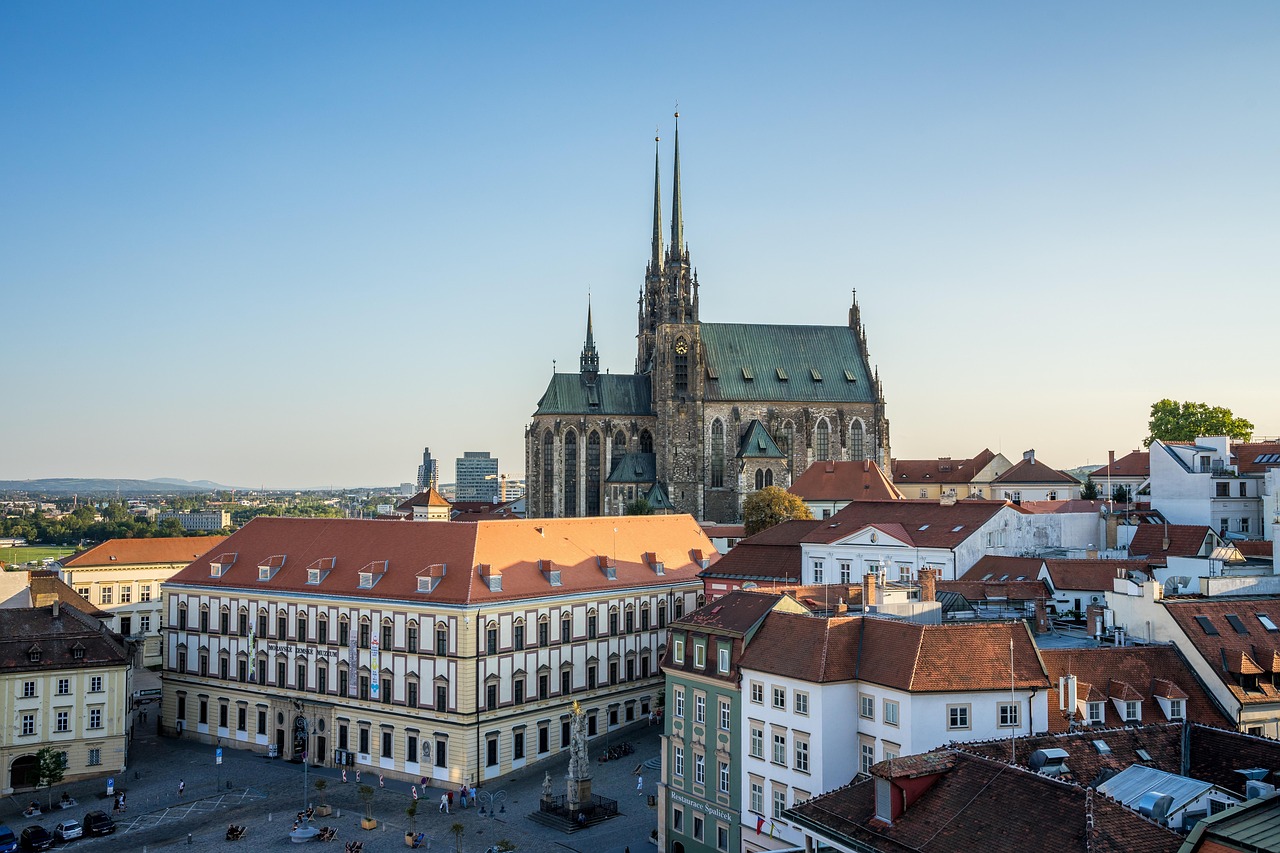
As you probably guessed from what I wrote above, I don’t like this either/or issue. These choices are not mutually exclusive.
You do not have to become one type of traveler forever. You can visit Rome, Amsterdam, or Paris this year because you want the famous sites, then choose Brno, Ruse, Veliko Tarnovo, Brașov, or another smaller city next time because you want a slower, less crowded trip.
You can love iconic landmarks and still be tired of crowded places. You can enjoy hidden gems and still want to see the Colosseum once in your life. You can choose a famous capital for one vacation and a smaller destination for the next one without contradicting yourself.
Travel is not a loyalty test. You are not required to prove that you are a “real traveler” by avoiding famous places. You are also not required to chase every famous landmark just because other people say it belongs on a bucket list.
The better question is not “Which type of destination is superior?” The better question is “What kind of trip do I actually want now?”
How to Choose Without Regretting It
Before you book, ask yourself what you would be disappointed to miss.
If the answer is the Eiffel Tower, the Louvre, the Colosseum, the canals of Amsterdam, or another famous site, that tells you something. You may still decide to avoid the crowds this time, but at least you are honest about what you are giving up.
If the answer is not a specific landmark, but a feeling – peace, space, affordability, slower mornings, fewer reservations, more wandering – that tells you something too. A famous city may still offer pieces of that, but a smaller destination may serve that trip better.
Also look at your energy, not just your wishlist. A major capital can be exciting, but it can also demand more from you: more planning, more walking, more crowds, more noise, more decisions. A smaller city may not give you the same famous view, but it may give you a vacation that will relax you more.
Budget matters too, obviously – in fact, I wrote this article with travel hacks to save $50 or more per day without giving up on amazing experiences. If choosing a famous city means cutting the trip short, staying far outside the center, skipping the attractions you came for, or feeling stressed about every meal, the “dream destination” may not feel like a dream in practice. A smaller destination may allow you to stay longer, eat better, and enjoy the trip with less financial pressure.
But the reverse can also be true. If you save money by choosing a smaller alternative and spend the entire time thinking, “I still wish I were in Paris,” the cheaper trip may not feel like the better trip.
Conclusion
Famous cities are not automatically overrated. Smaller destinations are not automatically better. Destination dupes are not automatically smarter than the originals. They all offer different things, and the right choice depends on what you want from that specific vacation.
If you want the iconic site, choose the place where it actually exists. If you want quieter streets, lower costs, and fewer crowds, choose that honestly too. If you want both across different trips, that is perfectly reasonable. You can stand under the Eiffel Tower one year and spend the next trip enjoying a smaller city that gives you something completely different.
Paris cannot give you the calm of a small city. Brno should not be asked to replace Paris. Rome will not feel empty around the Colosseum. A smaller destination may not give you the emotional hit of a landmark you have wanted to see for twenty years.
That does not make one type of trip better than the other. It means the destination has to match the reason you chose it.
FAQ
Are famous tourist destinations still worth visiting?
Yes, famous tourist destinations can still be worth visiting if you genuinely want the specific landmark, museum, city, or cultural experience they offer. Paris, Rome, London, Amsterdam, and other popular cities are crowded for real reasons. The key is to go with realistic expectations and a practical plan.
Are smaller cities better than famous cities?
Smaller cities are not automatically better than famous cities. They usually offer fewer crowds, lower costs, and a calmer pace, but they may not have the iconic landmarks or major museums that draw people to famous destinations. The better choice depends on the kind of trip you want.
What is the difference between destination dupes and the original destination?
Destination dupes may offer a similar atmosphere, landscape, architecture, or travel experience with fewer crowds or lower costs. But they do not contain the exact landmarks, history, or emotional associations of the original destination. A dupe can be a wonderful trip, but it should not be treated as a perfect copy.
Should I visit Paris despite the crowds?
You should visit Paris despite the crowds if seeing the Eiffel Tower, the Louvre, the Seine, Montmartre, or other Paris landmarks is genuinely important to you. Traveling outside peak season, booking tickets in advance, and planning quieter parts of the day can make the trip much easier.
How do I choose between a famous city and a smaller destination?
Start with what you want from this specific vacation. If you want a particular famous site, museum, or city experience, choose the place where it exists. If you want rest, lower costs, fewer tourists, and more room to wander, a smaller destination may be a better match.
Can I visit both famous cities and smaller destinations?
Yes. You do not have to choose one type of travel forever. You can visit Rome, Paris, Amsterdam, or London on one trip and choose Brno, Ruse, Veliko Tarnovo, Brașov, or another smaller city next time. They serve different travel moods and can both be worthwhile.
Photo sources, apart from Dreamstime and my own photos: 1, 2, 3
More amazing articles for you:
Island or Country? 25 Famous Places People Confuse All the Time - Can You Get All 25 Right?
A Travellers Guide: Torrevieja
A complete guide to Hiroshima/Miyajima
How to Explore Rishikesh: The Yoga Way
The 2026 Travel Trends Everyone Is Talking About - But Are You Ready for Them?
This One Airport Habit Is Driving Everyone Crazy - And It’s Sparking a Heated Debate
Ultimate guide to Canyonlands National Park - Island in the Sky
(Exclusive) This Woman Was Refused Boarding at Check-In - The Shocking Reason Airline Staff Say They...

Violeta-Loredana Pascal is a communications expert, business mentor, and the founder of Earth’s Attractions and PRwave INTERNATIONAL. A pioneer in the Romanian digital PR landscape since 2005, she holds a degree in Communication and Social Sciences from SNSPA Bucharest. Violeta is a senior trainer at AcademiadeAfaceri.ro, where she leverages over 20 years of experience to teach professional courses in PR strategy and workplace productivity. By blending high-level business consulting with a passion for holistic travel and wellness, she empowers solopreneurs to overcome procrastination, build profitable brands, and design a life of purposeful adventure.