January always brings me a burst of energy. I start filling notebooks with ideas, plans, things I’d like to try, places I’d love to visit, and projects I want to work on. Some of those plans will become reality in the months that follow. Others may have to wait, but I enjoy that feeling of having an entire year ahead of me.
Of course, January isn’t only about planning and New Year’s resolutions. There are museums to explore, friends to meet, new recipes to try, and plenty of enjoyable ways to spend a winter evening. You might be looking for something fun to do this weekend, a free activity after an expensive December, or a few ideas to add to your January bucket list.
I’ve put together 55 fun things to do in January, including cozy at-home activities, inexpensive outings, creative projects, things to do with friends and family, romantic dates, and winter adventures. I’ve also included options for people who prefer staying indoors and for places where January doesn’t bring snow or cold weather.
You don’t need an ambitious schedule to enjoy the month. Pick a few January activities that appeal to you, try something different when you feel like it, and leave room for whatever else comes along.

Image from Depositphotos
Cozy Things to Do in January at Home
Some January evenings are best spent at home, especially when it’s cold, raining, or you’ve had a long day. I love having a few activities to choose from, depending on whether I feel creative, want to relax, or simply want some entertainment.
1. Fill a Notebook With Ideas for the Year Ahead
This is one of my favorite January activities. I love notebooks, and at the beginning of the year I fill page after page with ideas, plans, possible projects, things I’d like to do, and places I want to visit.
I don’t limit myself to formal resolutions. Sometimes I’ll write down an idea for an article, a business opportunity I want to explore, a trip, or something completely unrelated to work. I also enjoy making connections between different ideas as I write.
If you’d like to try this, start with three pages: things you’d love to experience, things you’d like to learn, and ideas you want to explore. Don’t worry about whether everything is realistic yet. You can go back later and decide which plans deserve more attention.
You could also choose one word for the year to express something you’d like more of in your life, without making a long list of strict resolutions.
2. Look Back at the Previous Year and See What You Can Learn
I also spend time in January analyzing the year that ended, especially from a business perspective. I look at what worked, what didn’t work as expected, which decisions were worthwhile, and what I could improve.
Some years bring excellent results in unexpected areas. Other times, something that required considerable effort doesn’t deliver what I’d hoped for. I find it useful to understand why, instead of repeating the same approach just because it’s familiar.
You can do a similar review for your personal life. Look through your calendar, photographs, and notes from last year. Which experiences did you enjoy? What would you like to do again? Were there things you kept postponing that still matter to you?
If you’re reviewing a business or side project, compare the numbers with the time and resources you invested. Write down a few specific lessons and choose what deserves your attention this year.
3. Organize an International Soup Night
Choose two or three soups from different countries and prepare smaller portions so everyone can taste them. French onion soup, Italian minestrone, Japanese miso soup, Hungarian goulash soup, and Romanian ciorbă are all possibilities.
You can cook with your partner or family, or invite a few friends and ask each person to prepare one recipe. To keep costs low, choose dishes that share ingredients, such as carrots, onions, potatoes, or beans. For something more substantial, try Indonesian beef rendang, a slow-cooked dish that takes several hours but can be prepared ahead of time.
4. Turn an Ordinary Evening Into a Home Spa Night
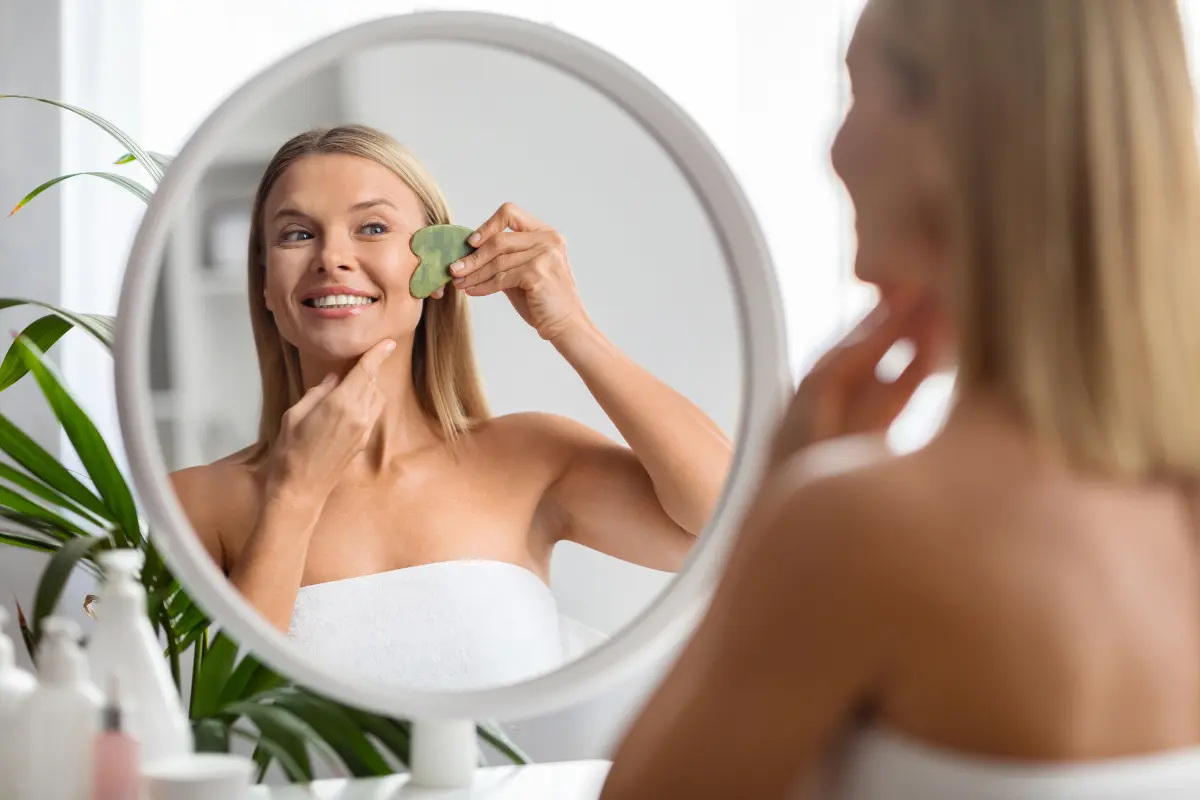
Photo from Depositphotos
I love relaxing evenings with a long, warm shower and good-quality shower gels and body care products. It’s one of my favorite ways to unwind after a busy day.
Depending on my mood, I’ll follow that with a face mask, use my LED mask or LED panel, and sometimes add a gua sha routine. I enjoy having that time to myself, without rushing through everything.
If you want to plan your own home spa evening, choose the products and steps you enjoy, prepare a comfortable space, and set aside enough time so you don’t have to hurry. You don’t need to buy an entire collection of skincare products to do this.
For LED devices, follow the manufacturer’s instructions, including any eye-protection guidance, and use skincare products appropriate for your skin. Gua sha should be gentle and comfortable, without pressing hard or irritating the skin.
You could finish the evening with a favorite drink, a book, or something entertaining to watch.
5. Have a Blind Hot-Chocolate or Tea Tasting
Prepare three different versions of hot chocolate or tea and serve them in numbered cups. For hot chocolate, you could compare cocoa powder with melted chocolate, or try flavors such as cinnamon, orange, and vanilla.
Ask everyone to rate each drink for flavor, sweetness, and texture before revealing which one they’re tasting. You might discover that the simplest version is everyone’s favorite.
You can also organize a tea tasting with several varieties, such as Earl Grey, peppermint, rooibos, or fruit tea. Use the recommended brewing time for each tea, since preparing them all the same way may affect their flavor.
National Hot Chocolate Day is observed on January 31 in the United States, so you can use that date for a themed January evening if you like.
6. Spend an Evening Watching a TV Series You Love
Watching TV series is one of my favorite ways to relax after a long day. Sometimes I want an interesting story, familiar characters, and an evening when I don’t have to think about work or the next thing on my schedule.
January is a good time to start a series you’ve been meaning to watch or return to one you particularly enjoyed. You could choose a mystery, comedy, historical drama, travel documentary series, or something completely different.
If you’re watching with someone else, agree on a few episodes and prepare your favorite snacks. You could also organize a nostalgic TV evening with a show you watched years ago.
There’s no requirement to turn every January evening into a productive activity. Sometimes enjoying a good series is exactly what you want.
7. Try a Creative Hobby for One Evening
Choose something you’ve been curious about but haven’t tried yet. Watercolor painting, origami, embroidery, sketching, air-dry clay, and simple craft projects are good options. Two years ago, I received a painting set as a gift from my husband and son. So you can imagine what I did in January (but even after that!)
You don’t need expensive materials or advanced skills. For origami, you can start with paper you already have. If you’re trying watercolor, choose a small beginner project such as flowers, colorful shapes, or a simple landscape.
Give yourself an hour to experiment. If you enjoy the activity, you can try something more complicated another weekend. If it isn’t for you, at least you’ve discovered that without committing to a long course or buying lots of supplies.
8. Learn a Few Useful Words in Another Language
Choose a language connected with a destination you’d like to visit and learn a few expressions you could actually use there. Greetings, ordering food, buying tickets, asking for directions, and saying thank you are good starting points.
Ten minutes a day for 31 days adds up to more than five hours of practice. You won’t become fluent in January, but you can learn some useful phrases and get more comfortable recognizing them.
If Italy is on your travel wish list, start with these Italian phrases for travelers. You could practice ordering coffee, asking about train departures, or checking into a hotel – then test yourself with this short, fun quiz. Or maybe you want to visit Paris/France? Why not start with the basics?
Try saying the words out loud and using them in short imaginary conversations. Pronunciation recordings from reliable language-learning resources can help you avoid memorizing mistakes.
Free and Cheap Things to Do in January
If you’ve spent more than usual during the holiday season, you may prefer January activities that don’t cost much. There are plenty of interesting outings and things to do at home, although some free events require advance booking.
9. Visit a Museum on a Free-Admission Day

Museums are among my favorite places to visit in January. Cold weather isn’t particularly friendly to my knees, so I often prefer an indoor outing where I can explore at my own pace.
I enjoy major museums, but I also love smaller, specialized ones and temporary exhibitions. Sometimes a museum devoted to a specific subject can be just as fascinating as a famous institution with an enormous collection.
Check museum websites for free-entry days, discounted tickets, and temporary exhibitions. Some institutions offer free permanent collections but charge separately for special exhibitions, so it’s worth checking the details.
Visiting museums can also be an enjoyable way to spend time with family or friends, especially when you share an interest in art, science, history, or another subject. If you’re curious about the research behind these experiences, studies also examine the benefits of visiting museums.
10. Discover What Your Local Library Offers
Visit your local library’s website and check its January events calendar. You may find author talks, workshops, exhibitions, book clubs, language conversation groups, or activities for children and teenagers.
Some libraries also provide access to ebooks, audiobooks, magazines, movies, and online learning resources. Depending on the local library system, you might even be able to borrow museum passes or board games.
If you haven’t visited in a while, spend an afternoon browsing and see what’s available. A library card may open up more free entertainment than you expected.
11. Explore a Neighborhood You’ve Never Properly Visited
Choose an area of your city that you don’t know very well and find five things worth seeing there. They could be interesting buildings, historic streets, public sculptures, independent shops, or a small local museum.
You can research a few stops beforehand or simply choose a neighborhood and explore. If you prefer having a route, use a map to connect the places that interest you.
For cold or rainy January days, choose a short route with an indoor stop along the way. You can also explore by public transport and spend more time at individual attractions.
Alternatively, go somewhere where you don’t usually go during January. For instance, a park you don’t visit during the winter – I love going outdoors during winter days, when there isn’t a lot of snow, and you can walk easily!
12. Organize a Book, Puzzle, or Clothing Swap
Invite a few friends and ask everyone to bring items they no longer use but that are still in good condition. Books, complete jigsaw puzzles, scarves, board games, and clothing are all possibilities.
Agree on the types of items beforehand so everyone knows what to bring. You can arrange everything on a table and let people browse, or organize several short rounds where participants take turns choosing.
Decide in advance what will happen to anything left over. Unclaimed items can go back to their owners or be donated, depending on what everyone prefers. This is a fun way to refresh your reading or games collection without buying new things.
13. Attend a Free Community Event
Check the event calendars of libraries, universities, museums, cultural centers, and community organizations. January may bring public lectures, exhibitions, concerts, workshops, film screenings, and local celebrations.
University lectures can be especially interesting if you enjoy science, history, literature, or technology. Some are open to the public, while others require advance registration.
If you’re looking for something to do on a particular January weekend, local cultural calendars can be more useful than searching for general entertainment ideas.
14. Create a Photography Challenge Around Your Neighborhood
Choose a theme and take 10 photographs that tell a story about where you live. You could photograph unusual doors, old buildings, reflections, interesting signs, colorful details, or the same street at different times of day.
In places with cold winters, bare trees, frost, and low winter light provide interesting subjects. In warmer destinations, focus on gardens, coastlines, markets, or street life. Compare your photos with a friend or arrange them into a small digital album. You can also repeat the challenge in another season and see how much the same location changes.
15. Cook Something Interesting Using What You Already Have
Look through your refrigerator and cupboards and choose a recipe that uses ingredients you already own. Pasta, beans, rice, vegetables, eggs, spices, and leftover cheese can be combined in many ways.
You could try a Spanish-inspired tortilla, a vegetable curry, homemade flatbread, or a simple pasta dish. If you’re cooking with someone else, give each person the same selection of ingredients and see what they create.
Set a time limit if you enjoy a challenge, but there’s no need to turn dinner into a serious competition. The aim is to enjoy experimenting without another shopping trip.
16. Explore a Museum Somewhere Else in the World Online
You don’t have to travel to enjoy museum collections from other countries. Many institutions offer virtual exhibitions, detailed digital collections, interactive experiences, and videos that let you discover artworks and historical objects from home.
You could spend an afternoon exploring European art museums online, including collections in some of the continent’s best-known cultural destinations.
There are also free virtual art museum experiences in the USA, from major museums to smaller institutions you may not have considered visiting.
If paintings aren’t your favorite subject, explore non-art museums in Europe covering science, technology, history, transportation, and other subjects.
Not every virtual museum experience lets you move through galleries. Some offer immersive 3D visits, while others provide videos or searchable collections. Choose the format you enjoy most.
Fun January Activities for Adults and Friends
January doesn’t have to mean waiting until spring to organize something with friends. A themed dinner, an evening of games, or a new experience can be just as enjoyable now as during the warmer months.
17. Host a January Trivia Night
I love spending time with friends and family, and we often have activity nights together. Trivia is one of our favorites because everyone can participate, and we usually have a lot of fun discussing the answers.
For January, you can organize a game with rounds covering history, geography, science, movies, food, and seasonal traditions. Divide everyone into teams or let people play individually, depending on your group size.
These 200 January trivia questions include different difficulty levels, so you can select suitable questions for adults, teenagers, and mixed-age groups.
If you’re playing during the first few days of the month, you could also include a round of New Year trivia.
National Trivia Day is observed on January 4 in the United States, but you can organize your quiz night whenever everyone is available – and you can find many trivia articles on my site.
18. Organize a Homemade Soup Swap
Ask several friends to prepare a batch of their favorite soup and bring individual portions to exchange. Everyone goes home with different soups they can enjoy over the next few days.
For example, if five people participate, each person could bring four or five properly packaged portions and exchange them for different varieties. Agree on the number of portions and approximate serving sizes beforehand.
Label every container with the soup’s name, ingredients, preparation date, and relevant allergens. Keep perishable soups chilled during transportation and storage.
You can turn the exchange into a social evening with drinks and snacks, or arrange a shorter meetup if everyone has a busy schedule. January is also commonly promoted as National Soup Month in the United States.
19. Have a Dry January Mocktail Evening
If you’re participating in Dry January, or simply enjoy alcohol-free drinks, invite friends for a mocktail tasting. Set out ingredients such as cranberry juice, ginger beer, sparkling water, citrus fruits, mint, and rosemary. Let everyone create a drink and give it a name.
You could prepare three recipes in advance and ask guests to rate them, or turn the evening into a small competition where everyone invents their own combination.
Serve the drinks in different glasses with suitable garnishes. There are plenty of ways to make an alcohol-free drink interesting without buying expensive specialty ingredients.
20. Try a New Workshop With a Friend
Look for a single-session workshop in pottery, painting, cooking, photography, dancing, or another activity you haven’t tried before.
Some studios offer beginner classes that include the materials, while community centers and libraries may organize inexpensive or free workshops.
Check the duration, price, and what you need to bring. If you both enjoy the experience, you can look for another class later in the year. You don’t need to sign up for a long course just to discover whether an activity interests you.
21. Plan a Café or Bakery-Hopping Afternoon
Choose two or three independent cafés or bakeries in the same neighborhood. Try a different specialty at each stop, such as coffee, a pastry, tea, or hot chocolate.
Let each friend choose one place and agree on a spending limit if you want to keep costs manageable. You can also make this a two-stop outing and save the third location for another day.
It’s an enjoyable way to discover somewhere new in your own city, especially when you combine it with a little sightseeing or a visit to an exhibition.
22. Organize a Games Tournament

ID 159882420 ©Vasyl Chipiha | Dreamstime.com
Choose three games that require different skills, such as cards, trivia, a drawing challenge, or a word game. Keep score across several rounds and give the winner a small prize or the chance to choose the next games evening.
If your group enjoys geography, try the interactive World Flags Quiz and see who can correctly identify the most countries.
You can also include a round of general knowledge questions, or choose a completely different topic for each round. Activity nights don’t need elaborate preparations. A few good games, something to eat, and people who enjoy spending time together are enough.
23. Attend a Cultural Event You Wouldn’t Usually Choose
Check local theaters, small concert venues, galleries, and independent cinemas for January events. You might find a play, comedy performance, film screening, concert, or exhibition that catches your interest.
Choose something outside your usual preferences. If you normally attend music events, try a theater performance. If you love history, look for a science exhibition or a public lecture. Smaller venues may have affordable tickets, and some organize free events. Check the schedule and accessibility information before making plans.
24. Take Yourself on a Solo Afternoon Adventure
You don’t need company for every January activity. Choose a place you’d like to visit and spend an afternoon doing exactly what interests you.
You could browse a bookstore, explore a museum, visit a covered market, or take a train to a nearby town. If you choose a train trip, check the return schedule and leave enough time for delays.
Bring a book or download something entertaining for the journey. These things to do on a train offer several ways to enjoy the journey without disturbing other passengers.
For a shorter solo outing, spend an hour at a café followed by a visit to an attraction that interests you.
January Date Ideas for Couples
If you’re looking for fun things to do in January with your partner, there are plenty of options beyond dinner at a restaurant. Some dates work well at home, while others give you a reason to explore somewhere new together.
25. Plan a Surprise Two-Stop Date
Each partner chooses one destination or activity and keeps it secret until it’s time to go. Agree on the budget, travel distance, and available time before making your choices.
One person might select an art gallery or bookstore, while the other plans a stop at a café, a scenic viewpoint, or an activity venue.
You can organize the date entirely within your city, so there’s no need for an expensive trip. Just make sure both locations are open and that any necessary reservations are arranged.
26. Visit an Indoor Botanical Garden or Conservatory
Look for a botanical garden with heated greenhouses or a conservatory that remains open during January. Depending on the attraction, you might find tropical plants, orchids, palms, or special seasonal exhibitions.
Some conservatories are located inside larger parks, while others are part of botanical gardens or historic estates. Check opening hours and admission prices before visiting. If you don’t have one nearby, an aquarium or another interesting indoor attraction can be an enjoyable alternative.
27. Cook a Special Dinner Inspired by Another Country
Choose a destination you’d both love to visit and prepare a meal inspired by its cuisine. You could make Italian pasta, Spanish tapas, Greek dishes, or something more elaborate if you both enjoy cooking.
Divide the preparation between you. One person can handle the main course while the other prepares the appetizer or dessert. Find some music from the country you’ve chosen and enjoy dinner without rushing. You might also look at places you’d like to visit there on a future trip.
28. Have a Bookstore-and-Coffee Date
Visit a bookstore and give each other a small challenge. Find a book set in a country you’ve never visited, discover an unfamiliar author, or choose a book you think your partner would enjoy.
You can set a small budget or simply browse without buying anything. A library works too, particularly if you both enjoy reading.
Finish with coffee or tea and compare what you found. You might discover an interesting story or a new subject you’d like to learn more about.
29. Try Ice Skating, Bowling, or Indoor Mini Golf
Choose a recreational activity that you both enjoy or have wanted to try. Ice skating is a seasonal favorite in many places, but bowling, billiards, and indoor mini golf are good alternatives.
If you’re interested in skating, check whether the rink offers rentals, beginner sessions, and suitable access. Outdoor rinks may close because of weather conditions, even when they’re scheduled to operate in January.
For a little competition, keep score and let the winner choose the next date activity.
30. Spend an Afternoon at a Thermal Spa or Indoor Pool
Look for a thermal spa, wellness center, or heated indoor pool that offers day passes. Some facilities have relaxation areas, saunas, and treatments you can book separately.
Budapest is particularly famous for its thermal baths, making it an interesting option if you’re planning a city break. If you’re going there, these tips for visiting Budapest may help with the practical side of your trip. For a local outing, compare nearby facilities and check prices, accessibility, and any health-related restrictions before booking.
31. Enjoy a January Sunset Date
Find a scenic place with a good sunset view. It might be a park, waterfront, accessible viewpoint, or café with large windows.
Check the sunset time for your location and arrive a little early. In many Northern Hemisphere destinations, January sunsets happen relatively early, which can make an afternoon date convenient.
Bring a warm drink if you’re going outdoors, and choose a safe spot with easy access. If the weather is poor, find an indoor location where you can enjoy the view comfortably.
Fun January Activities for Families and Kids
Family activity nights are a great option when you want to spend time together without planning an expensive outing. These ideas can be adapted for younger children, teenagers, and adults, depending on the games and challenges you choose.
32. Create a Family Treasure Hunt
Hide five or six clues around the house and ask players to solve them in order. The first clue might lead to a bookshelf, another to the kitchen, and the final one to a small prize.
Use pictures or simple riddles for younger children. Older kids and teenagers may enjoy coded messages, word puzzles, or clues that require combining several pieces of information.
If you have a garden and the weather is suitable, you can also organize an outdoor version with clues hidden in safe, accessible places.
33. Hold a Family Cooking Competition
Choose something everyone can prepare using similar ingredients. Homemade pizzas, sandwiches, pancakes, or decorated cupcakes work well because participants can create different combinations.
Set a time limit and decide how you’ll award points. You could judge taste, creativity, appearance, and the funniest name.
For younger children, choose tasks that don’t require sharp utensils or hot cooking equipment. Teenagers can take on more of the planning and preparation with appropriate supervision.
34. Build a Homemade Escape Room
Prepare a mystery that involves finding clues and solving puzzles. You might include a coded message, a map, a hidden object, and a final number combination.
Choose a theme your family enjoys, such as a missing treasure, a secret laboratory, or an imaginary detective case.
Keep the clues manageable and offer hints when necessary. You don’t need to physically lock anyone inside a room; the challenge is solving the mystery and finding the final answer.
35. Have a Family Geography and Trivia Challenge
Prepare different rounds so everyone can participate. Geography, animals, movies, famous landmarks, science, and food are all suitable subjects.
For a geography round, these geography trivia questions can help you prepare a game, or you could choose questions from the World Flags Quiz mentioned earlier.
Let younger players work in teams with adults, and give everyone a chance to choose a category. You can also play several shorter rounds across different evenings.
36. Visit a Science Museum or Children’s Museum
Look for a science center, interactive museum, planetarium, or specialized museum with activities suited to your family’s interests.
Some science museums offer hands-on exhibits, demonstrations, and temporary exhibitions. Others organize workshops during school holidays or weekends.
Check the recommended ages, ticket prices, and available facilities before visiting. If anyone in your group has mobility or accessibility requirements, look at the museum’s accessibility information when planning your outing.
37. Organize an Indoor Mini-Games Tournament
Prepare several short challenges using household items. Players might build a tower from paper cups, toss soft balls into a basket, complete a puzzle, or transfer small objects from one bowl to another using a spoon.
Give each participant one minute for every challenge and record the results. You can make the games more difficult for older players or change the time limits for younger children.
Tabletop challenges are useful when you don’t have much space or when running and jumping aren’t suitable for everyone.
38. Start a Family Memory Jar for the Year
Find a jar or decorated box and keep it somewhere accessible. Whenever something funny, interesting, or memorable happens, write it down on a small piece of paper and add the date.
You could include a family outing, something someone said that made everyone laugh, a new experience, or a moment you want to remember.
At the end of the year, open the jar and read the notes together. You might have forgotten some of the smaller experiences by then, which can make them even more enjoyable to revisit.
39. Have a Family Choose-the-Adventure Day
Prepare three or four activity options that fit your budget and the weather. You might suggest a museum, a movie afternoon, a nearby attraction, or a visit to a local swimming pool.
Let everyone vote, or divide the day so different family members choose different activities.
You can also prepare a free version with options such as visiting a park, organizing a treasure hunt, watching a movie at home, or attending a library event.
Outdoor January Activities, With Snow or Without
January weather depends heavily on where you live. Some places have snowy parks and frozen lakes, others have mild winters, and countries in the Southern Hemisphere are enjoying summer. These outdoor January activities include options for different climates.
40. Go on a Winter Photography Scavenger Hunt
Choose eight subjects to photograph during a walk. Look for a reflection, an interesting tree, a colorful door, a historic building, an unusual shadow, a bird, an architectural detail, and a view you’ve never photographed before.
Give everyone the same challenge and compare your photographs afterward. Different people often notice completely different things along the same route.
If there’s snow, add frost patterns and snowy landscapes. In warmer locations, focus on flowers, markets, street scenes, or coastal views.
41. Try Sledding, Snowshoeing, or Another Winter Sport
If you live somewhere with reliable snow, January can be a good month for sledding, snowshoeing, cross-country skiing, or another winter activity.
Choose facilities and routes suitable for your experience and physical abilities. For sledding, use a designated area away from roads, trees, and other hazards, and follow local safety guidance. If there’s no snow, try a guided nature walk, an easy cycling route, or another outdoor activity suited to your climate.
42. Explore a New Park or Nature Reserve
Find a park, forest, lake, or nature reserve you’ve never visited and choose a route that suits your available time.
Some parks have accessible paths and visitor centers, while others offer longer trails, observation areas, or guided activities. Check the facilities and seasonal conditions before traveling.
You don’t need to cover a long distance. A short outing with an interesting viewpoint or a visit to a new part of a park can be enjoyable on its own.
43. Take a January Sunrise or Golden-Hour Walk
Choose a scenic location and check the sunrise or sunset time for your area. You could visit a waterfront, park, beach, or another place with an open view of the sky.
In much of Europe and North America, January sunrises happen later than in summer, so you may be able to watch one without waking extremely early. The exact time depends on your location.
Bring suitable clothing and allow extra time if paths might be wet or icy. If you’d rather not walk far, choose an accessible viewpoint where you can enjoy the light without following a long trail.
44. Watch the Quadrantid Meteor Shower or Go Stargazing
The Quadrantids are one of the major annual meteor showers, with their peak usually occurring in early January. For 2027, the peak is expected around January 3–4, although the best observing time depends on your location and viewing conditions.
Find a safe place away from strong artificial lights, check the weather forecast, and allow your eyes time to adjust to the darkness. You don’t need a telescope to watch meteors, and a wide view of the sky is generally more useful.
If the meteor shower doesn’t work with your schedule, choose another clear January evening for stargazing. A sky-map app can help you identify bright stars, constellations, and planets visible from your location.
45. Visit a Botanical Garden or Arboretum
Botanical gardens and arboretums can be interesting outside the main flowering season. Depending on the location, you may find evergreens, unusual tree bark, winter berries, historic greenhouses, or plants that bloom during colder months.
Some gardens offer seasonal exhibitions or guided visits, while others have reduced opening hours in January. For a more comfortable winter outing, look for a garden with a conservatory, café, or indoor exhibition space.
46. Plan a Warm-Drink Picnic
Pack a thermos with tea, coffee, or hot chocolate, along with sandwiches, pastries, or another snack you enjoy.
Choose a scenic location where you can sit comfortably. In colder weather, a sheltered park or waterfront with seating may be a better choice than an exposed picnic area.
You can keep the outing short, especially if temperatures are low. A warm drink and a beautiful view can be enough for an enjoyable afternoon.
If weather conditions aren’t suitable, move the picnic indoors and enjoy it beside a window with a nice view.
47. Take Part in a January Birdwatching Challenge
Choose a park, garden, nature reserve, or another suitable place and see how many bird species you can identify. You don’t need specialist equipment to get started, although binoculars can be helpful.
Use a bird identification guide or a reliable app, and record the species you see. You could repeat the activity several times throughout the month and compare your observations.
In the United Kingdom, the RSPB’s Big Garden Birdwatch takes place on January 29–31 in 2027. Participants spend an hour observing birds and submit their results following the organization’s instructions.
Outside the UK, you can organize a similar personal challenge or look for a citizen-science project in your area. Observe wildlife from an appropriate distance and avoid disturbing nests or habitats.
January Adventures, Day Trips, and New Experiences
If you’re in the mood to explore somewhere new, January offers plenty of possibilities. You can plan a short trip close to home, visit an interesting city, or look for a travel experience that suits the season.
48. Take a Winter Day Trip to a Nearby Town
Choose a town within a manageable distance of home and find two or three attractions you’d like to visit. You could explore a historic center, visit a museum, stop at a local restaurant, or discover an interesting market.
Check opening hours, transportation options, and the weather before leaving. If daylight hours are short, begin with the attractions that matter most to you and save indoor activities for later.
For ideas on combining landmarks and interesting streets into a manageable route, this one-day Budapest itinerary offers a useful example of city sightseeing.
49. Visit a Museum or Attraction You’ve Always Overlooked
Think about the attractions close to home that you’ve never visited. Perhaps there’s a small history museum, a specialist collection, a castle, a science center, or a historic house that you’ve passed many times.
I enjoy both large museums and smaller, niche ones, and temporary exhibitions often give me a reason to return to places I’ve already visited. A museum doesn’t have to be internationally famous to have an interesting collection.
Choose one attraction and spend enough time exploring it properly. Check whether guided tours are available and whether special exhibitions require separate tickets.
If you’re looking for cultural experiences in Romania, this Bucharest itinerary includes several attractions worth considering.
50. Visit an Indoor Market and Try a New Food
Look for a covered food market, specialty grocery store, or international market where you can discover ingredients you don’t usually buy.
Choose one unfamiliar product and learn how to use it. It could be a type of cheese, a pastry, an unusual fruit, or an ingredient common in another country’s cuisine.
Set a small budget if you want to keep the outing inexpensive. You can bring your discovery home and try it with family or friends later.
51. Try a New Experience You’ve Never Booked Before
Choose an activity that interests you but doesn’t fit into your usual routine. You could book a guided cultural tour, a pottery session, a cooking workshop, or an introduction to a different kind of performance or creative activity.
Look for experiences that last a few hours and don’t require long-term commitments. Check whether equipment and materials are included in the ticket price.
If you’re looking for a free option, community centers, universities, and local organizations sometimes offer demonstrations or introductory events open to the public.
52. Plan a January Weekend Getaway
January can be an enjoyable time for a city break, a thermal spa weekend, a winter sports trip, or a short escape to a destination with milder weather.
If you enjoy museums and historic cafés, Vienna in winter may appeal to you. Its major cultural attractions include the Kunsthistorisches Museum, where you could easily spend several hours.
Budapest is another option, especially if you’re interested in thermal baths and impressive architecture. A two-day Budapest itinerary can help you plan a short visit.
If you prefer spending your days exploring galleries, the museums in Paris offer more than enough variety for a cultural weekend.
For destinations with generally milder winter temperatures, consider Lisbon or Seville. Both can still experience cool, rainy weather in January, so don’t plan your entire visit around outdoor activities.
And if you dream of seeing the aurora borealis, January offers long northern nights in Iceland. You’ll still need clear skies and suitable solar activity, so read about seeing the Northern Lights in Iceland before choosing your dates.
For more possibilities, explore these European destinations in January.
53. Explore Another Culture Without Leaving Your City
Look for cultural centers, exhibitions, international restaurants, specialty stores, or community events connected with a country you’d like to learn more about.
You might attend a language event, browse a specialty bookstore, discover traditional foods, or visit an exhibition featuring artists from another country.
If you enjoy international traditions, January is also a good time to learn about New Year traditions around the world. Different cultures welcome the year with distinctive foods, celebrations, and customs.
Choose one tradition or cultural topic and spend an afternoon learning more about it. You may discover a destination or experience you’d like to explore in person someday.
54. Plan a Scenic Winter Train Journey
Look for a train route with interesting scenery, historic towns, mountain views, or a coastal landscape. You don’t need to book a famous luxury train to enjoy the experience.
Some regional rail journeys pass through beautiful countryside and allow you to visit a town or attraction before returning home.
For a longer trip, Switzerland, Austria, and Scotland have scenic routes that can be attractive during winter, although weather conditions and seasonal schedules may affect services.
Check the route, daylight hours, seat reservations, and return connections before booking. A comfortable train journey can be part of the experience, not merely transportation between attractions.
55. Make a Travel Wish List and Start Planning an Adventure
In January, I enjoy writing down destinations I’d love to visit and ideas for future trips. I might not know exactly when I’ll go, but I like having possibilities to explore.
Choose three destinations that interest you. One could be close to home, another somewhere in your country, and the third an international destination you’ve been dreaming about.
Look at the best time to visit, the attractions you’d most like to see, transportation options, and approximate costs. If one trip seems possible this year, start developing a realistic itinerary.
These travel itinerary planning tips can help you organize sightseeing without wasting time moving back and forth between different areas.
You can also start small. A weekend in another city or a day trip somewhere interesting gives you something enjoyable to look forward to without requiring a major holiday budget.
January 2027: Special Dates, Holidays, and Activities
Several January dates offer ideas for themed evenings, cultural outings, and family activities. Some are official holidays or international observances, while others are informal celebrations.
January 1 – New Year’s Day
Spend the day doing something you enjoy, whether that’s preparing a special breakfast, visiting family, taking a walk, or trying a New Year custom from another country. Check attraction opening hours because many places operate on holiday schedules.
January 3–4 – Quadrantid Meteor Shower
The Quadrantids are expected to peak around January 3–4, 2027. If conditions are suitable, plan a stargazing outing away from bright artificial lights. Exact visibility depends on your location, weather, moonlight, and the timing of the shower’s peak.
January 4 – National Trivia Day
Use this informal US observance as an excuse to organize a quiz night. Choose several categories and invite friends or family to compete in teams.
January 6 – Epiphany and Three Kings Day
January 6 is associated with different religious and cultural traditions around the world. In Spain, Three Kings Day is an important occasion for gifts and celebrations, while in Romania, Bobotează is marked by religious services and the blessing of waters.
If there are public events in your area, check local schedules and attend those that interest you.
January 18 – Martin Luther King Jr. Day in the United States
Martin Luther King Jr. Day falls on Monday, January 18, 2027. Consider visiting a civil rights museum, attending an educational program, or participating in an appropriate community service activity organized for the holiday.
January 24 – International Day of Education
Choose something new to learn, visit an educational exhibition, or attend a public lecture. Families can organize a short activity in which each person discovers a fact about a different subject and shares it with everyone else.
January 24 is also Romania’s Unification Day, commemorating the 1859 union of Moldavia and Wallachia. Local events and celebrations may be held to mark the occasion.
January 25 – Burns Night
Burns Night celebrates Scottish poet Robert Burns. You could host a Scottish-inspired dinner, read some of his poetry, or attend a local cultural event if one is available.
Traditional Burns suppers often include haggis, poetry readings, and music, but you can adapt the evening to your own preferences.
January 27 – International Holocaust Remembrance Day
This day commemorates the victims of the Holocaust. You can mark it by visiting a memorial or museum, attending a remembrance event, or exploring educational resources from recognized Holocaust institutions.
January 29–31 – Big Garden Birdwatch in the UK
The RSPB’s Big Garden Birdwatch takes place from January 29 to 31, 2027. Participants observe birds for one hour and record their findings following the organization’s guidance.
January 29 – National Puzzle Day
This informal observance is a good excuse for a jigsaw puzzle afternoon, a crossword challenge, or a family puzzle-solving tournament.
January 31 – National Hot Chocolate Day
Prepare your favorite hot chocolate or organize a tasting with several flavors and toppings. It’s an enjoyable way to finish the month, especially if you invite friends or family to join you.
Your January Bucket List: 20 Ideas to Choose From
If you’d like a shorter January bucket list, choose a few activities from the ideas below. You don’t have to complete everything or turn the month into a race to tick boxes.
Cozy January Activities at Home
☐ Fill a notebook with ideas for the year.
☐ Enjoy a relaxing home spa evening.
☐ Try a new recipe from another country.
☐ Watch a TV series you’ve been meaning to start.
Free and Cheap January Activities
☐ Visit a museum during free-admission hours.
☐ Explore a different neighborhood.
☐ Organize a book, puzzle, or clothing swap.
☐ Visit a virtual museum.
Fun January Activities With Friends and Family
☐ Host a January trivia night.
☐ Organize a soup swap or international dinner.
☐ Plan a surprise date.
☐ Have a family games tournament.
Outdoor January Activities
☐ Take a photography walk.
☐ Visit a nature reserve or botanical garden.
☐ Go stargazing.
☐ Try a seasonal outdoor activity.
January Adventures and New Experiences
☐ Visit an unfamiliar museum or local attraction.
☐ Take a day trip to a nearby town.
☐ Try a new workshop or cultural experience.
☐ Plan a future trip.
A Five-Weekend January 2027 Activity Plan
January 2027 has five weekends, beginning with New Year’s Day on Friday, January 1. If you want some ideas for organizing your month, here’s one way to spread different activities across those weekends.
January 1–3: Enjoy the Start of the Year
Spend time planning, reflecting on the previous year, or enjoying a relaxing activity at home. If the weather is suitable, take a short outing or visit somewhere you’d like to see.
January 8–10: Plan Something With Friends or Family
Organize a trivia evening, an international dinner, or a games tournament. If you’d rather go out, choose a museum, workshop, or café you’ve wanted to visit.
January 15–17: Try Something New
Book an introductory class, explore an unfamiliar museum, or take a solo afternoon outing. Choose something that interests you but that you haven’t made time for before.
January 22–24: Explore Somewhere Different
Visit a nearby town, discover a new neighborhood, or take a scenic trip. If you live in Romania, January 24 is a public holiday for Unification Day, and local celebrations may offer additional options.
January 29–31: Finish With a Favorite Activity
Choose something you particularly enjoyed earlier in the month or try one activity you haven’t had time for yet. You could organize another games evening, enjoy a hot-chocolate tasting, or plan something for February.
How to Choose January Activities You’ll Actually Enjoy
If you have only half an hour, try a new recipe, write down a few plans, enjoy a skincare routine, or start a small creative project. With an entire afternoon available, a museum, café outing, workshop, or visit to a nearby attraction could be more appealing.
You can also choose based on budget. Libraries, free exhibitions, neighborhood walks, virtual museums, and games you already own offer plenty of entertainment without additional spending.
Don’t forget your local weather and any accessibility needs. If cold temperatures or slippery paths make outdoor activities uncomfortable, choose indoor attractions or experiences you can enjoy from home.
And if you’re more interested in planning than going out, January can be a good month to explore ideas for the rest of the year. You don’t need to fit every experience into the first 31 days.
Enjoy January With Activities That Make You Happy
For me, January usually includes planning, looking back at the previous year, enjoying quiet evenings, visiting museums, and spending time with my family and friends. I love the energy that comes with a new beginning, but I also appreciate evenings when I can relax and watch a good TV series.
Your own January might look completely different. You could spend the month exploring outdoor places, trying new hobbies, planning trips, meeting friends, or simply enjoying your favorite activities at home.
If you want more seasonal inspiration, you can also revisit these December activities or find ideas that work beyond the holidays in this collection of November activities.
I hope you’ve found a few fun things to do in January that you’d genuinely like to try. Enjoy the experiences that interest you, make plans when you’re inspired, and leave some space for spontaneous fun too.
What Are the Best Things to Do in January?
If you want something cozy: Try a new recipe, enjoy an at-home spa evening, watch a favorite TV series, organize a soup night, or start a creative hobby.
If you’re looking for free things to do in January: Visit a library, explore a different neighborhood, attend a free exhibition, organize a book swap, or try a photography challenge.
For adults and friends: Host a trivia night, organize an international dinner, try a new workshop, or have a blind snack-tasting party.
For couples: Plan a surprise date, explore a bookstore together, visit a botanical conservatory, or enjoy a special evening at home.
For families: Create a treasure hunt, hold a cooking competition, play games, visit a science museum, or make a memory jar.
For outdoor activities: Go on a winter photography walk, try stargazing, visit a nature reserve, or enjoy a scenic outing suited to your local weather.
For a January adventure: Take a day trip, visit an unfamiliar museum, explore another city, try a new cultural experience, or plan a weekend getaway.
You’ll find practical suggestions for each activity below, including ways to adapt some of them to different budgets, ages, and interests.

Frequently Asked Questions About Things to Do in January
What are some fun things to do in January?
Fun things to do in January include visiting museums, organizing trivia nights, trying new recipes, exploring local attractions, enjoying creative hobbies, taking day trips, and planning winter outings. You can also have a relaxing evening at home, attend a cultural event, or try a new workshop. Many January activities are inexpensive and can be adapted for adults, couples, friends, and families.
What are the best January activities for adults?
Popular January activities for adults include museum visits, cooking classes, trivia evenings, international dinners, creative workshops, theater performances, and weekend getaways. Adults looking for quiet activities can enjoy reading, watching a favorite TV series, planning future trips, or having an at-home spa evening. Free options include library events, virtual museum tours, and exploring local neighborhoods.
What are some fun January activities at home?
At-home January activities include making hot chocolate, trying a new recipe, organizing games, watching a TV series, starting a creative hobby, and enjoying a relaxing skincare routine. You can also write down plans for the year, learn useful phrases in another language, explore a museum online, or organize an indoor treasure hunt with family members.
What can you do in January for free?
Free things to do in January include visiting libraries, attending community events, exploring local parks, taking photographs, organizing a book swap, and visiting museums during free-admission periods. At home, you can play games you already own, watch educational programs, explore virtual museum collections, or try a creative activity using existing materials.
What are fun things to do alone in January?
Solo January activities include visiting a museum, exploring a bookstore, taking a day trip by train, trying a new hobby, enjoying a relaxing spa evening at home, and watching a TV series. You could also spend time planning future travels, reviewing the previous year, taking photographs, or discovering a new café or neighborhood at your own pace.
What are some January activities for families?
Families can organize trivia tournaments, treasure hunts, cooking competitions, indoor games, and creative challenges. Other January activities include visiting science museums, attending library events, exploring botanical gardens, and creating a family memory jar. Choose activities that suit different ages, and adjust for younger children, teenagers, and participants with different interests or abilities.
What are some fun January date ideas?
January date ideas include a surprise two-stop outing, a bookstore-and-coffee afternoon, an international cooking night, a visit to a botanical conservatory, or time at a thermal spa. Couples can also enjoy bowling, a scenic sunset, a museum visit, or a cultural event. For inexpensive dates, try a photography walk or a special dinner at home.
What can you do in January when it’s too cold to go outside?
Indoor January activities include visiting museums, aquariums, libraries, galleries, conservatories, and indoor recreation venues. At home, you can cook something new, organize a trivia night, enjoy a TV series, try an artistic hobby, or explore virtual museums. You can also invite friends for a soup swap, games evening, or alcohol-free mocktail tasting.
What outdoor activities can you do in January without snow?
Outdoor January activities that don’t require snow include photography walks, birdwatching, visiting parks and botanical gardens, exploring neighborhoods, cycling in suitable weather, and enjoying scenic viewpoints. Coastal walks, nature reserves, and outdoor cultural events may also be good options. Always choose activities appropriate for your local weather and physical abilities.
What are some special January holidays and activity days?
January includes New Year’s Day on January 1, National Trivia Day on January 4, Epiphany on January 6, Burns Night on January 25, National Puzzle Day on January 29, and National Hot Chocolate Day on January 31. Other important observances include Martin Luther King Jr. Day in the United States and International Holocaust Remembrance Day. Some dates are official holidays, while others are informal themed observances.
How can you make January more enjoyable without spending much money?
Choose a few free or inexpensive activities you can look forward to, such as visiting a library, attending a free exhibition, meeting friends for games, exploring a park, or enjoying a themed evening at home. You could also try new recipes using ingredients you already have, organize a clothing or book swap, or start a small creative project. Planning one enjoyable activity each weekend can be enough.
Is January a good month to travel?
January can be a good month for travel, depending on your destination and interests. Some European cities have fewer visitors after the December holidays, making them appealing for museums and indoor cultural attractions. Winter sports destinations can be busy, while warm-weather resorts may be in high season. Check the local climate, seasonal closures, transportation conditions, and accommodation prices before booking.
More amazing articles for you:

Superstitions from around the world

A local's complete travel guide to Dallas

A travelers' guide to Tel Aviv

25 Stunning Places to Visit in Turkey (That You’ll Wish You Discovered Sooner)

Declutter Your Home in a Weekend: The 48-Hour Anti-Clutter Plan

A complete travel guide to San Diego, USA

7 Low-Cost Online Business Ideas With High Profit Potential - What Actually Makes Them Profitable

Unveiling the Top Travel Trends for 2024: A Journey into the Future of Wanderlust

Violeta-Loredana Pascal is a communications expert, business mentor, and the founder of Earth’s Attractions and PRwave INTERNATIONAL. A pioneer in the Romanian digital PR landscape since 2005, she holds a degree in Communication and Social Sciences from SNSPA Bucharest. Violeta is a senior trainer at AcademiadeAfaceri.ro, where she leverages over 20 years of experience to teach professional courses in PR strategy and workplace productivity. By blending high-level business consulting with a passion for holistic travel and wellness, she empowers solopreneurs to overcome procrastination, build profitable brands, and design a life of purposeful adventure.