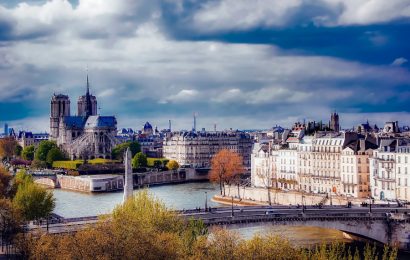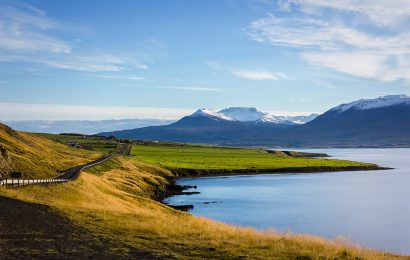
Europe between January and March looks familiar in photos – yet feels entirely different in person.
Cities move slower. Light behaves strangely. Parks fall silent. Cafés become refuges. Even time seems to stretch.
Some travelers find it uncomfortable. Others quietly call it the most memorable way to experience the continent.
What actually happens when you visit Europe in winter and early spring – and why opinions about it are so divided – is exactly what this guide unpacks.
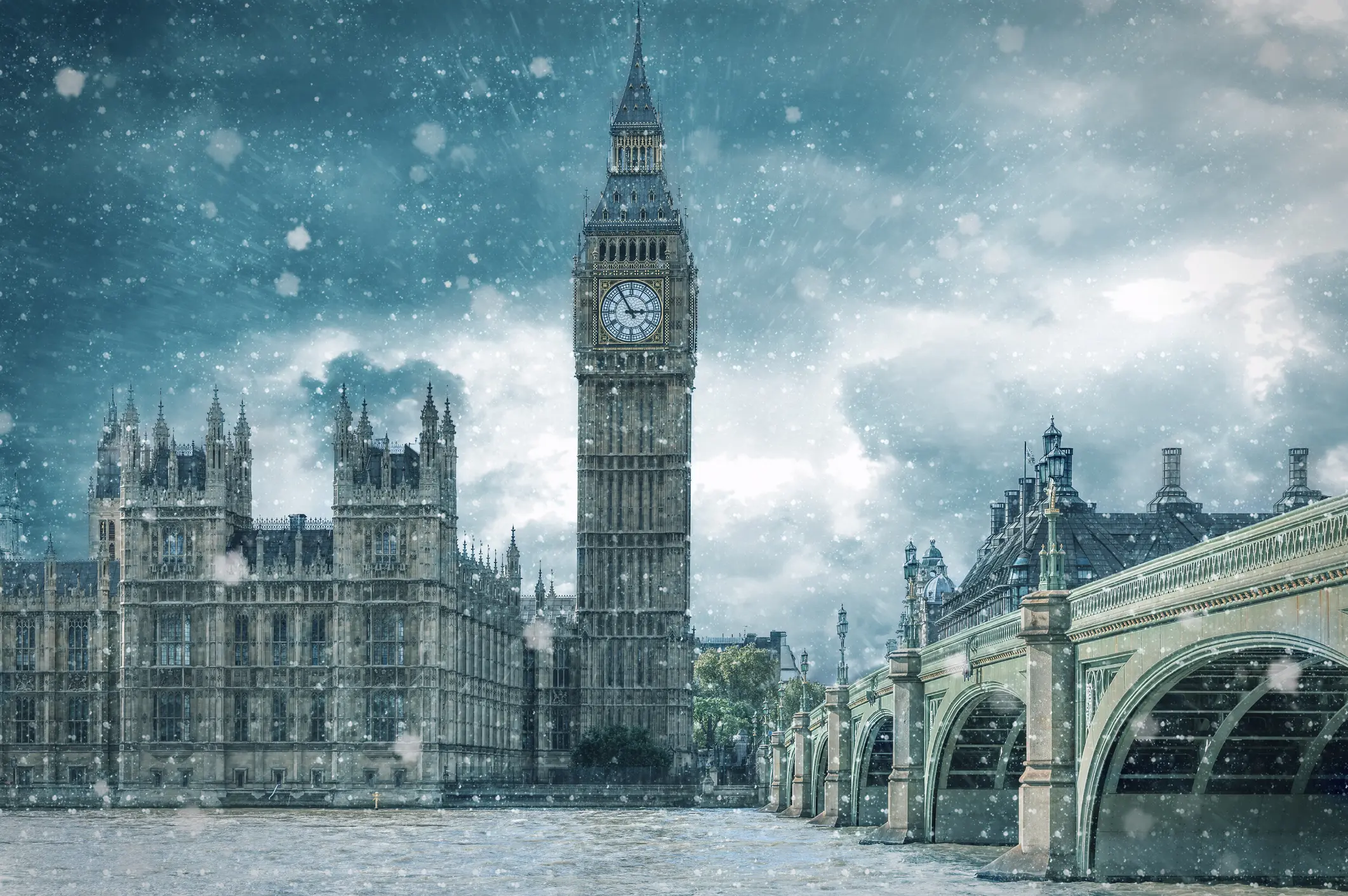
ID 83320457 ©Sven Hansche | Dreamstime.com
January to March in Europe Is a Different Operating Season, Not a Discounted Version of Summer
Many visitors assume that traveling to Europe in January, February, or March is simply a cheaper and quieter version of summer travel. In reality, these months operate under a different set of conditions. Tourism infrastructure does not disappear, but it functions differently. Opening hours adjust, some seasonal services pause, and daily rhythms shift toward indoor life. The result is not a reduced Europe, but a reconfigured one.
In practical terms, this means that travel planning must be more deliberate. Smaller museums, historic houses, gardens, and viewpoint facilities may close earlier than during peak season, and certain outdoor experiences, such as lake ferries, panoramic trains, or walking tours, may run on reduced schedules or even be suspended. None of this is universal, but it is common enough that checking opening hours a day in advance becomes part of routine planning rather than a last-minute correction.
Pricing follows a similarly uneven pattern. Many urban hotels and flights are less expensive than in summer, particularly in business-oriented cities. At the same time, alpine destinations, ski resorts, and northern-light regions often operate at full capacity and premium pricing. Large events – fashion weeks, trade fairs, sports championships – like the Olympic Winter Games Milano Cortina 2026, or major concerts – can also temporarily push demand and prices higher in otherwise quiet cities. The season is therefore best understood as variable, not automatically low-cost.
Where winter travel becomes noticeably different is in itinerary design. Summer travel often allows open-ended wandering and spontaneous outdoor exploration. Between January and March, travelers who enjoy the trip most are those who structure days around a sequence of indoor and outdoor experiences – museum visits, cafés, markets, churches, galleries – linked by shorter outdoor transitions. The pace is slower, but the experience tends to be more focused and less fragmented.
Daylight in Winter Europe: The Real Issue Is Scheduling, Not Shortness
Shorter days are an obvious feature of winter in Europe, but the practical impact lies less in total daylight hours and more in how daylight is distributed and perceived.
During January and February, the sun remains low in the sky across much of the continent. Even when days are technically long enough for sightseeing, cloud cover and low-angle light can make outdoor conditions feel dim earlier than expected. By March, daylight extends, but brightness and warmth still fluctuate from day to day.
This influences how Europeans structure their days, and visitors benefit from adopting the same logic. Living and traveling across European cities in winter makes this rhythm feel natural rather than restrictive.
Outdoor highlights – historic squares, panoramic viewpoints, riverside walks, architectural photography – are most rewarding in late morning and early afternoon. Indoor attractions naturally frame the edges of the day. Evenings shift toward cultural life: concerts, theater performances, thermal baths, covered food markets, and long café stops.
Rather than limiting experiences, this rhythm encourages travelers to build days with clear sequencing. Those who plan their outdoor time around the best light and reserve indoor visits for early mornings or evenings typically find that winter days feel complete, not truncated.
An often-overlooked advantage is twilight. Historic centers illuminated at dusk, reflections on rivers, and early evening street lighting create strong atmosphere for photography and slow wandering. These moments simply require intentional timing.
Cold in Europe: Comfort Is About Transitions and Infrastructure
Winter temperatures in Europe are rarely extreme by global standards, but the experience of cold is shaped by the built environment. Many European cities have large stocks of historic buildings where insulation standards differ from modern construction. Hallways, staircases, and transitional spaces in older hotels or apartment buildings may feel cooler even when rooms are properly heated. Public transport platforms and station entrances are frequently open-air. Wind moves efficiently through narrow medieval streets and broad urban squares.
The result is that travelers may feel comfortable while walking outdoors and then unexpectedly cold during short indoor transitions. Europeans manage this with layered clothing and footwear designed for repeated indoor–outdoor movement rather than relying solely on heavy coats.
For visitors, the most effective comfort strategies are straightforward: confirming that accommodations offer reliable heating, choosing footwear that handles wet pavement and occasional ice, and planning routes that avoid unnecessary long outdoor waits. When these factors are addressed, winter travel becomes physically manageable and rarely uncomfortable. Here are my tips on how to avoid getting sick when traveling in winter.
Humidity also plays a role. Cities near water – canals, rivers, coastlines – can feel colder than the temperature suggests. This is a matter of perception rather than danger, but it reinforces the importance of wind-resistant outer layers and waterproof shoes.
Regional Climate Differences Shape Winter Travel Far More Than the Calendar
One of the most important realities of traveling in Europe between January and March is that there is no single European winter. Weather conditions vary significantly across the continent, and these differences influence not only comfort, but also what kinds of activities are practical and how reliable transport and sightseeing will be.
In Southern Europe, winter tends to be mild by continental standards. Cities such as Lisbon, Seville, Palermo, or Athens rarely experience prolonged freezing temperatures. Daytime conditions often allow for outdoor sightseeing without heavy winter gear, though rain is more common than snow. Parks may be dormant, but walking-heavy itineraries remain realistic throughout the season. Coastal winds can be strong, but prolonged snow disruption is unusual.
Central Europe experiences more traditional winter conditions. Cities such as Vienna, Prague, Kraków, or Munich regularly see freezing temperatures, intermittent snowfall, and periods of slush. Snowfall is not constant, but cold spells are expected. Urban transport systems are designed to function through winter, yet walking conditions can change quickly with overnight refreezing. Cultural venues, cafés, and indoor attractions remain fully operational and form the backbone of winter city travel.
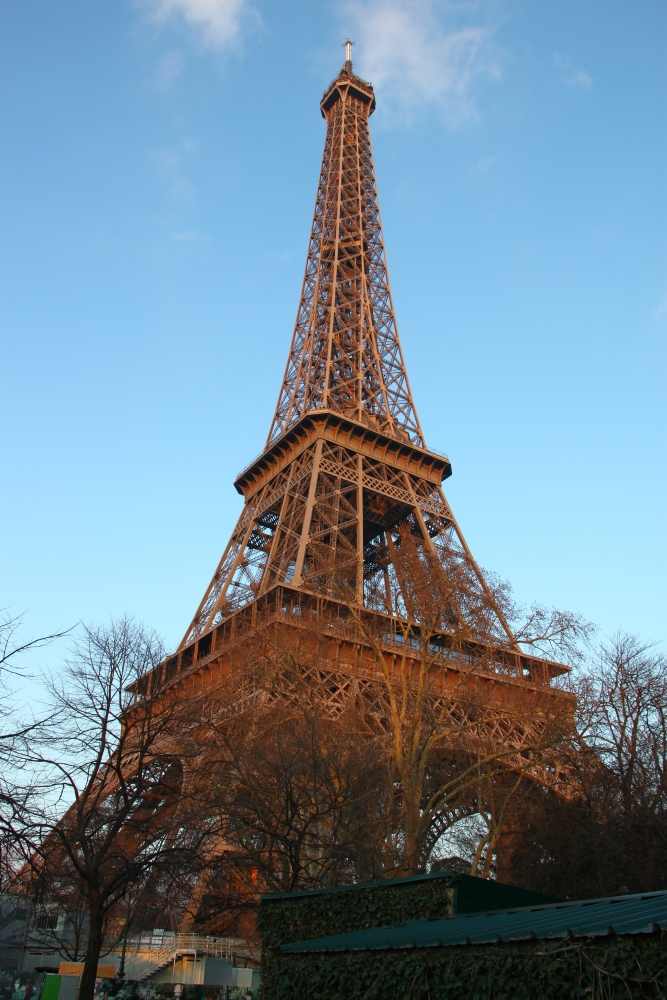
Western Europe tends toward damp cold rather than deep freeze. London, Paris, Amsterdam, and Brussels frequently experience rain, fog, and overcast skies, with temperatures hovering just above freezing. Snow is less frequent but not impossible. The combination of humidity and wind often makes conditions feel colder than thermometer readings suggest. Flight and rail disruptions due to fog are more common here than snow-related shutdowns.
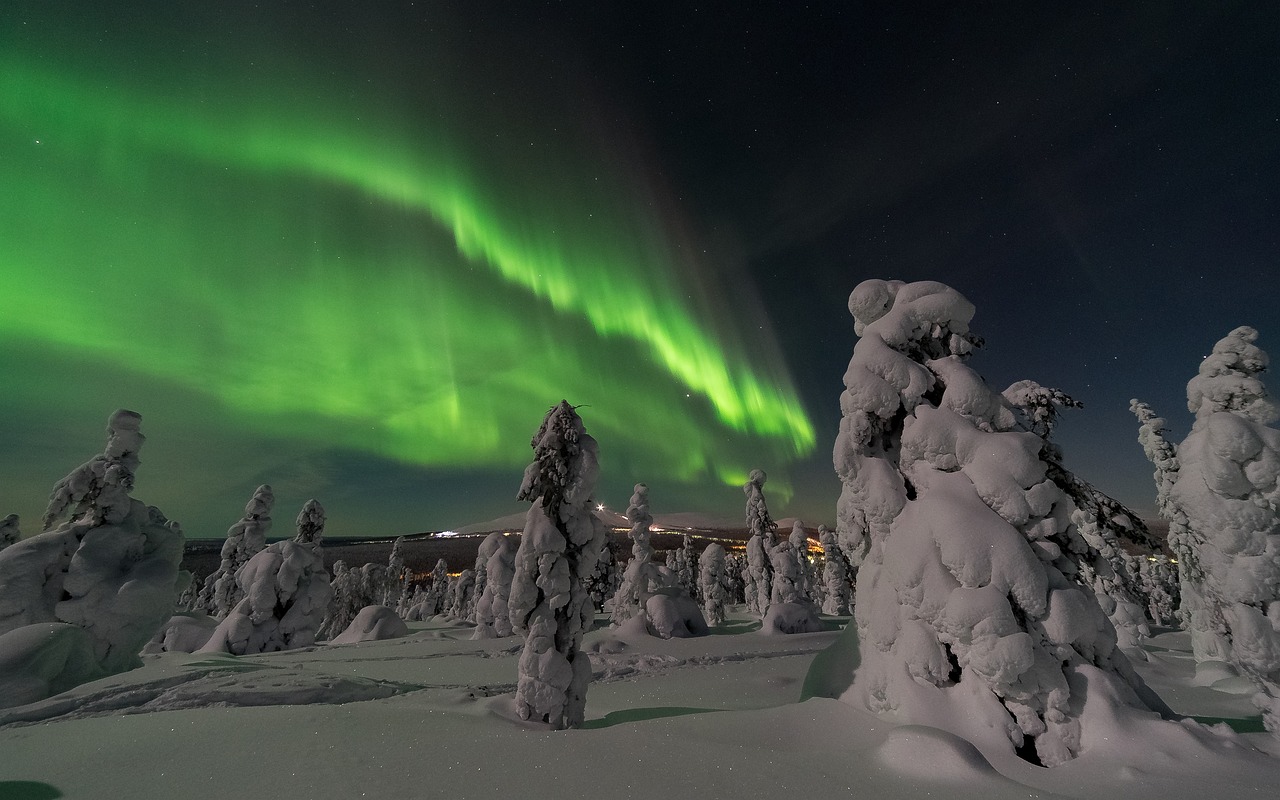
Northern Europe and Scandinavia operate under true winter conditions. Snow cover is typical in many regions, daylight hours are limited in deep winter, and temperatures can drop well below freezing. Cities and transport systems are adapted to these conditions, but travelers must plan around reduced daylight and colder temperatures. For visitors seeking winter landscapes, this is the defining season rather than a limitation. In parts of Northern Scandinavia and Iceland, January to March is also one of the most reliable periods for Northern Lights visibility, provided skies are clear and daylight hours are sufficiently short – which is why demand for accommodation and guided excursions in these regions often peaks in mid-winter.
Mountain regions – Alpine areas enter peak winter operation between January and March, with heavy snow, full ski infrastructure, and high demand. Prices and crowds in resort towns often exceed summer levels. Weather disruptions are possible, but these destinations are built to function in winter.
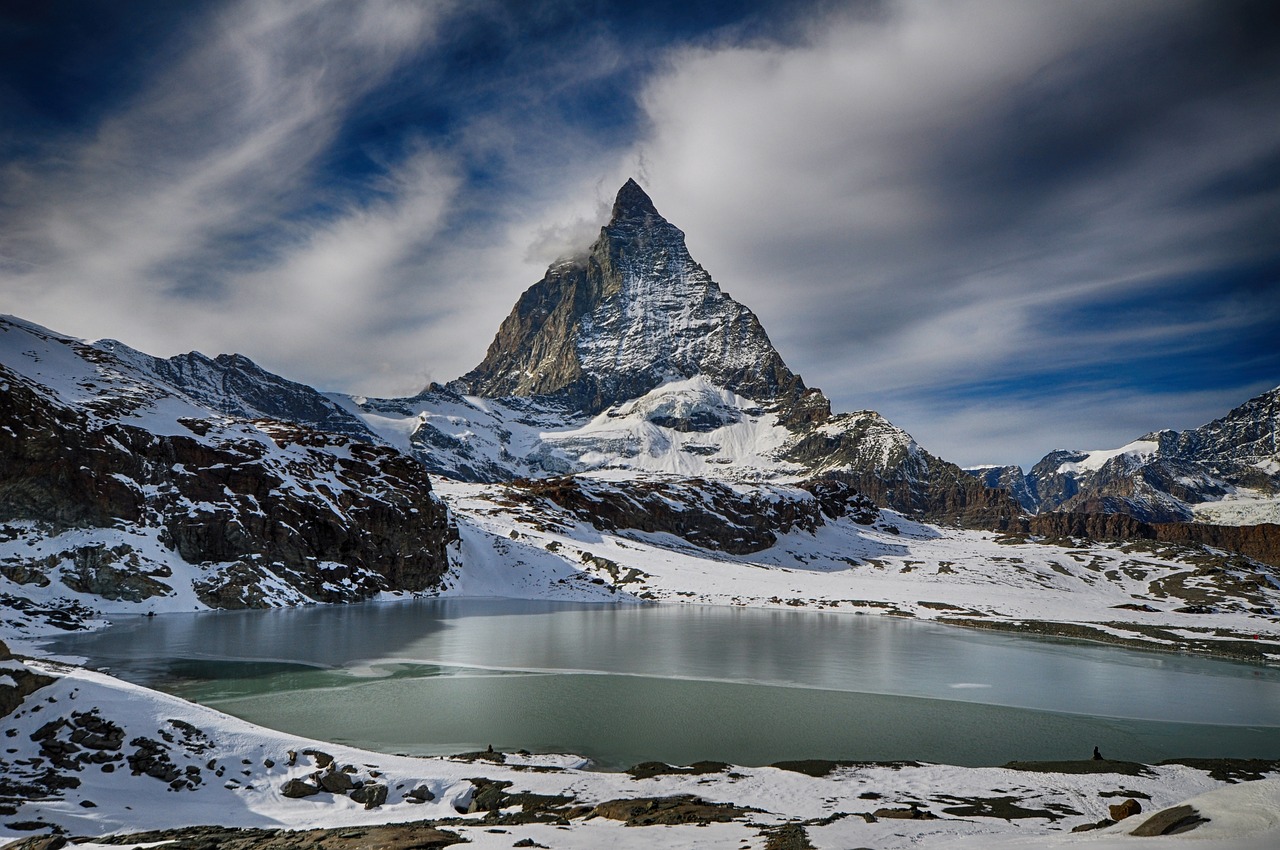
For travelers, the practical takeaway is that winter planning in Europe should begin with regional climate expectations, not general seasonal assumptions. The difference between a January trip to Lisbon and a January trip to Prague is not marginal – it defines clothing choices, itinerary design, accommodation needs, and transport risk.
Understanding this geographic spread is one of the simplest ways to avoid winter travel surprises and align expectations with reality.
Europe in January, February, and March: Weather Without Predictability
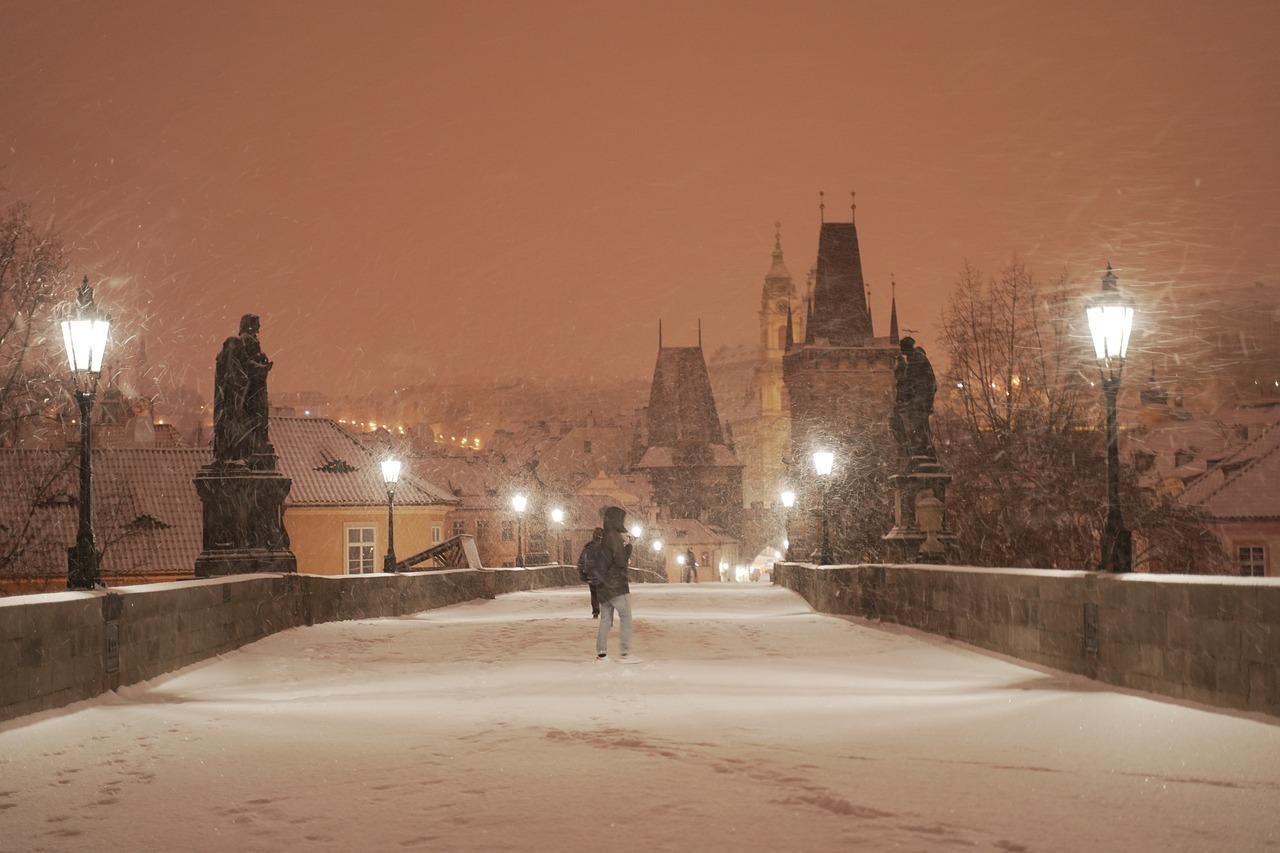
This is the reality most guides overlook when discussing winter travel in Europe. Winter and early spring weather in Europe is inherently inconsistent.
January often brings periods of snow in Central and Eastern Europe, while Western Europe experiences rain and fog. I included here the best places to visit in Europe in January. February may see snow melt into slush, followed by freezing nights. March introduces longer days and occasional warmth, but cold snaps and muddy conditions remain common.
For travelers visiting Europe in winter, this variability is one of the most important factors to accept. Weather rarely follows a neat seasonal script, and flexibility is essential.
From a European point of view, winter weather is managed rather than avoided – forecasts are monitored, plans adapt, and outdoor activities are never assumed to be guaranteed.
Flights, Trains, and Transport Delays in Winter
Traveling in Europe between January and March carries a higher risk of transport disruption than other times of year.
Snow in Central Europe can affect flights across the continent. Fog regularly causes delays at major Western European airports. Ice storms can disrupt regional train services. Winter is also a common period for transport strikes in several countries.
Europeans reduce risk by allowing buffer time, avoiding tight connections, and favoring major transport hubs. Travelers who follow the same approach generally experience fewer issues than those with tightly packed itineraries.
Delays are not inevitable, but they are a realistic consideration for winter travel in Europe.
Walking Cities in Winter: What Changes on the Ground
European cities are designed for walking, but winter alters how that feels.
Cobblestones can become slippery. Snow turns into slush. Sidewalks may be unevenly cleared. Distances that appear short on a map can feel longer in cold, wet conditions.
Walking remains practical in most cities, but winter travel requires realistic daily planning and good footwear. Europeans naturally reduce walking distances during winter and rely more on public transport or compact itineraries.
No Flowers, No Lush Parks: The Visual Reality of Winter Europe
From January through much of March, Europe’s parks and gardens are dormant.
Trees are bare, lawns are often brown or muddy, and botanical gardens are visually restrained. Travelers seeking blossoms or colorful landscapes will not find them during this period. For instance, when I visited Paris in March, yes, there were fewer crowds, but the Versailles Gardens were just being arranged for the summer (works in progress).
However, Europeans do not typically see this as a loss. Architecture becomes more prominent, cityscapes feel less staged, and photography shifts toward light, structure, and atmosphere. Winter landscapes are quieter, not absent. Here is what to expect and things to do in Vienna in March.
Crowds and Prices: The Full Picture (Including the Exceptions)
Winter travel in Europe is often associated with fewer crowds and lower prices – and in many cases, that is accurate. Museums are calmer, hotels reduce rates, and flights are frequently cheaper.
However, this is not universally true.
When Winter Is Not Cheaper or Less Crowded
- Alpine and ski destinations during peak season
- Cities hosting major international events, championships, or exhibitions (think of the Olympic Winter Games Milano Cortina 2026)
- Fashion weeks and large cultural festivals
- Northern destinations during peak Northern Lights season
Within Europe, these distinctions are well understood. Winter is low season only where winter itself is not the attraction.
Types of Destinations and What to Expect Between January and March
Central European Cities
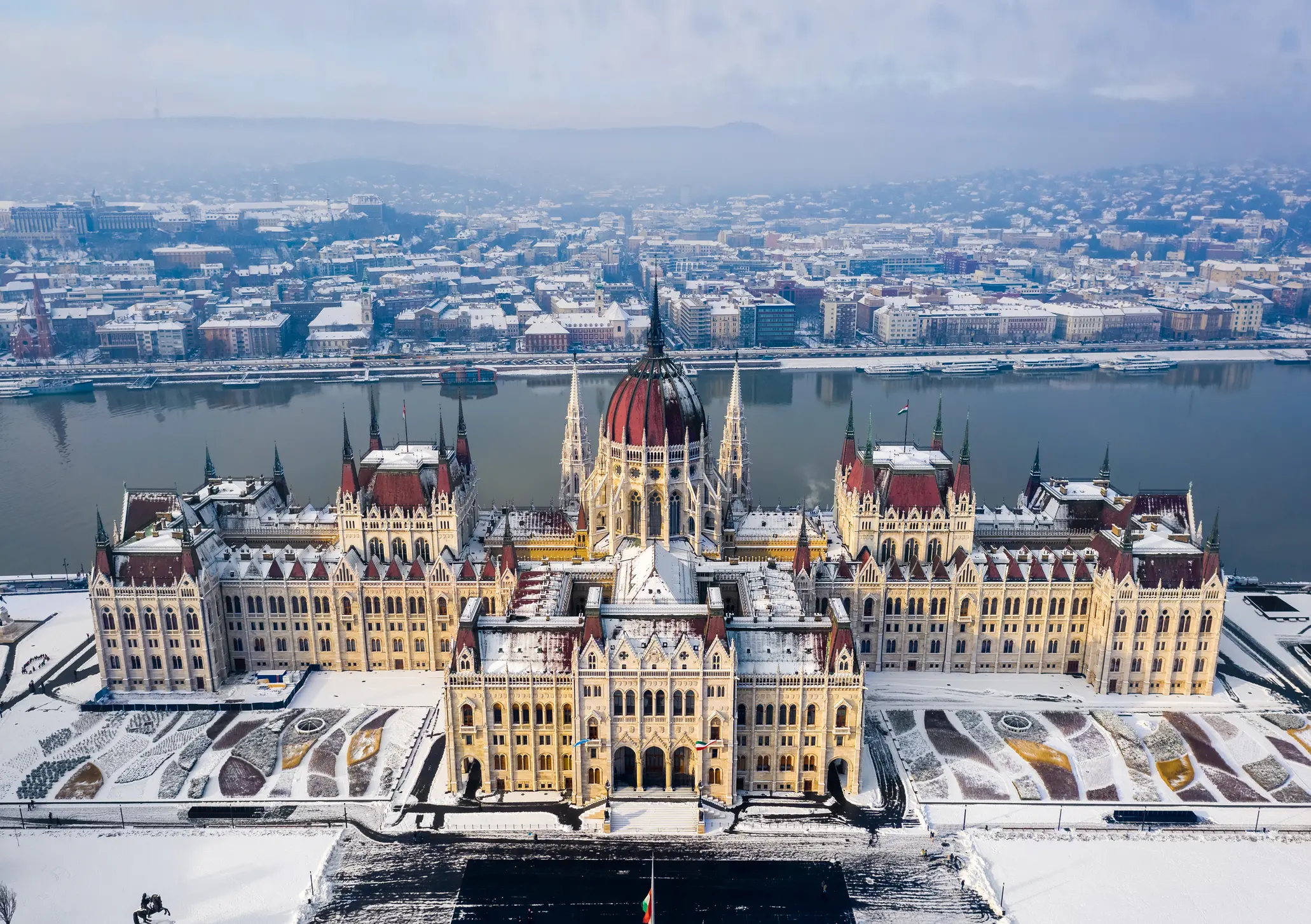
ID 141933058 | Budapest January ©Zoltan Gabor | Dreamstime.com
Cities such as Vienna, Prague, Bucharest, and Budapest are well adapted to winter. Cultural institutions remain active, cafés are central to daily life, and thermal baths and concert seasons align naturally with colder months.
Southern European Cities
Destinations like Rome and Florence offer cooler sightseeing conditions and fewer tourists, but the weather can be wet and unpredictable. Outdoor life continues, but without the intensity of summer.
Iberian Peninsula
Cities such as Lisbon experience milder winters and more daylight. While not beach-focused, they provide one of the most balanced winter city experiences in Europe.
Scandinavia
Here, winter is not a drawback but a defining feature. Short days, snow, and dramatic light are part of everyday life. Travelers should expect winter to shape every aspect of the experience and plan accordingly.
What Winter Travel in Europe Supports – and What It Doesn’t
Between January and March, Europe is particularly well-suited to culture-focused travel. Museums, libraries, historic cafés, concerts, opera, thermal baths, and food-oriented exploration thrive during this period.
Experiences dependent on weather, nature, or outdoor spectacle are less consistent. This season favors depth, reflection, and indoor discovery over visual abundance.
Winter travel in Europe works best for travelers who prioritize culture, atmosphere, and fewer crowds. It is less suited to travelers whose main goal is outdoor scenery, garden visits, or weather-dependent activities. Understanding this distinction upfront prevents most disappointments.
A European Conclusion: Who This Season Works For
From a European point of view, January to March is not an inferior time to travel – it is a more selective one.
It requires preparation, flexibility, and realistic expectations. It offers fewer visual highlights but more space, fewer guarantees but greater calm. It is not designed to impress quickly, but to be experienced deliberately.
For some travelers, winter in Europe will feel limiting.
For others, it will feel authentic, quieter, and more aligned with how Europe actually lives.
If you are ok with cold days, fewer outdoor attractions, fewer crowds, and potential delays, then this might be the best for you!
Understanding which group you belong to is the real purpose of this guide – and the key to deciding whether traveling to Europe in January, February, or March is right for you.
Photo sources (apart from Dreamstime and the Eiffel Tower, which is mine): 1, 2, 3