It’s time to stop feeling guilty about the harmless things we enjoy on vacation. We don’t have to become hedonists, but surely one of the reasons we take a vacation is to feel good, have fun, and spend our time doing things we actually like.
I started thinking about this after reading some of the travel advice we’re constantly given and realizing that, in quite a few cases, I do almost the exact opposite – and love it.
Apparently, some of the things I do are too touristy, not authentic enough, not what experienced travelers are supposed to do, or simply a waste of precious vacation time. But when I mentioned this to a few friends, I discovered I’m far from the only one enjoying the supposedly “wrong” things.
So I started making a list, and it kept growing. Some of these are small pleasures; others are entire ways of traveling that people love to criticize. I’m guilty of quite a few of them. How many are yours too?

ID 396052127 ©VLMstock | Dreamstime.com
1. Airplane Food – I Actually Look Forward to It
I know airplane food has been the subject of jokes for decades, but I’m always curious to see what we’re getting. There’s something about opening all those little containers and discovering the meal that still feels like part of the journey to me. I’m not expecting fine dining at 35,000 feet; I simply enjoy the ritual, especially on longer flights where the meal breaks up the journey.
I usually have a few snacks with me as well – sesame bars and granola bars are favorites – and travelers can bring more food through airport security than many people realize, as these TSA food rules and traveler experiences show. Even so, if a meal is included with my flight, I want to know what’s on that tray.
2. Wandering Around Airports – Even When I Don’t Need Anything
I enjoy airports enough that, before COVID, during a longer period when we weren’t going on vacation, my husband, our son and I would sometimes drive to the airport restaurant, eat there and watch the airplanes. We didn’t have a flight to catch. We simply liked being there, and it was fun for all three of us.
That probably explains why I rarely spend a layover planted in one chair if I have enough time to walk around. Some airports are destinations in themselves, with impressive architecture, gardens, art, observation areas or huge shopping spaces, while others are much simpler, but I still like seeing what’s there. I’ll look at the shops, check the restaurants, watch planes through the windows and see where the departure board is sending everyone. A long airport layover feels very different when you treat the terminal as somewhere to explore rather than somewhere you’re trapped until boarding starts.
3. Are Hotel Breakfast Buffets Worth It?
ID 20375423 ©Masezdromaderi | Dreamstime.com
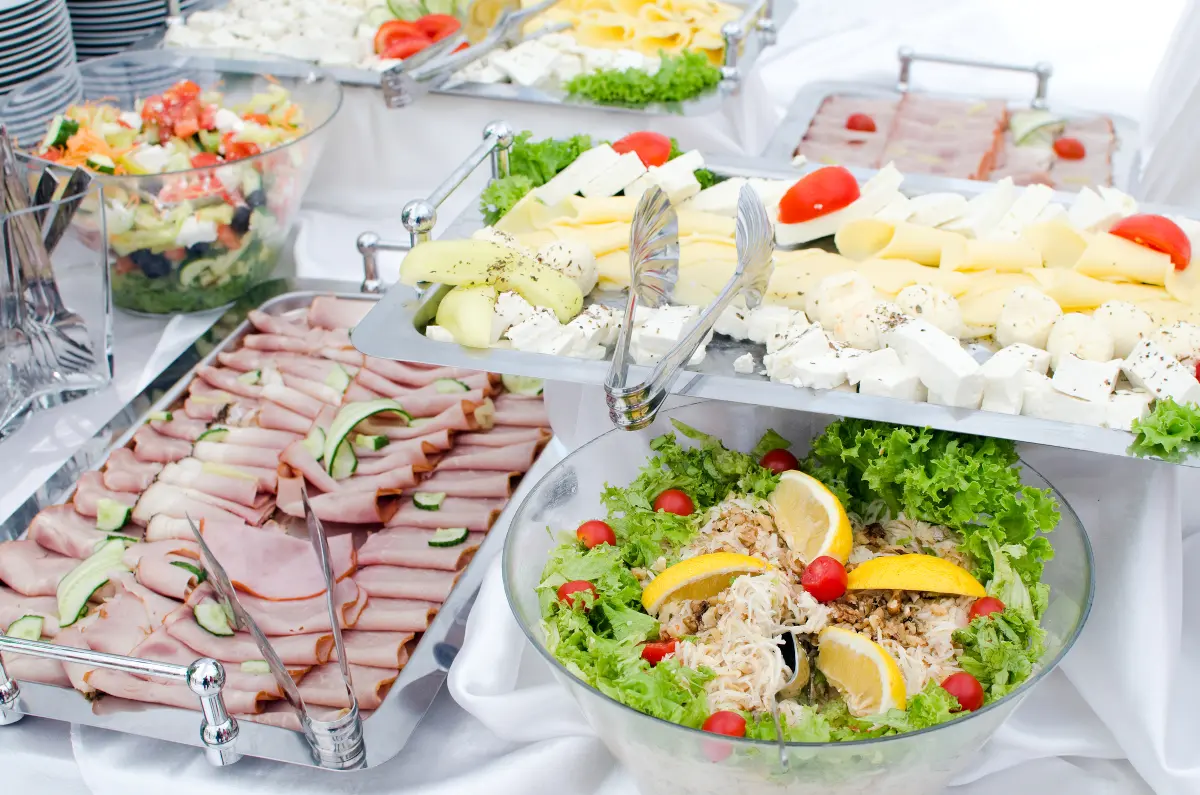
For me, they often are. I rarely book accommodation without breakfast included or at least the option to add it because I love starting the day with plenty of choice and without having to decide where the whole family is going to eat before we’ve even begun sightseeing.
Hotel breakfasts can be a nice introduction to local food too. During one of our trips to Munich, we had Bavarian pretzels at breakfast one morning and enjoyed them so much that we’ve been buying pretzels at home regularly ever since. On another morning I may want something completely different, which is part of the appeal of a buffet.
Breakfast is one detail I check when comparing hotels because the cheapest room rate isn’t necessarily the best deal once you add everything else. Parking, location, air conditioning, room facilities and what’s included in the rate are all part of my hotel booking checklist.
4. Browsing Souvenir Shops – And Actually Buying Things
Unpopular travel opinion: Souvenirs aren’t an accidental expense in my travel budget. I set money aside for them because I know I’ll want to browse the shops and I’ll probably find something I want to take home.
One of my longest-running souvenir regrets comes from Prater in Vienna, where I found a funny toy dog many years ago. Our budget was much tighter then, so I left without it. My husband returned to Vienna a couple of years later and actually looked for the dog for me, but it was gone.
Munich taught me another lesson: don’t assume I’ll find the same thing later. I saw some Christmas ornaments I loved on our first day, decided not to buy them immediately because surely other souvenir shops would have similar ones, and then discovered they didn’t. So yes, I’ll happily look at magnets, ornaments, toys, mugs and all the wonderfully weird souvenirs people somehow decide they need.
5. Are Hop-On-Hop-Off Buses Worth It?
They can be, depending on the city, the route and what you want from the day. I like public transport and use metros, trams and regular buses too, but sometimes sitting on a sightseeing bus gives you an easy overview of the city while your feet get a much-needed break.
I’ve even taken a hop-on-hop-off bus in Bucharest, my own hometown. I didn’t need to pretend I wasn’t a tourist just because I lived there; I enjoyed seeing familiar parts of the city from a different perspective. For someone trying to fit the major sights into one day in Bucharest, that overview can be useful too.
The same applies elsewhere. On a first visit, especially in a large city, a sightseeing bus can help you understand how the main areas connect without spending half the day looking at a map.
6. Going to the Famous Attraction Everyone Else Is Visiting

ID 114397464 ©Anyaberkut | Dreamstime.com
This may be one of my least fashionable travel opinions, but I love famous attractions. I loved the Louvre and recommend it despite the crowds. I love the Eiffel Tower. I loved Schönbrunn Palace. When something genuinely interests me, millions of previous visitors won’t keep me from crossing it off the list.
I choose where to go according to my own interests, which is why in Paris I’m more concerned with knowing which attractions need advance booking than with proving I can find somewhere nobody else has heard of. The same applies to Schönbrunn Palace; it’s one of Vienna’s best-known sights and I would happily go again.
I enjoy quieter places too, and sometimes a less famous destination really is a better fit for a particular trip. I just don’t think popularity automatically makes the original choice inferior.
7. Taking Hundreds of Photos on Vacation
Photos are important to me because I need images for my travel site, but I would take plenty even without the blog. Looking through old vacation pictures brings back details I would otherwise forget: what the weather was like, what our son looked like at that age, something funny that happened nearby or a view I hadn’t thought about for years.
At the same time, I don’t want to experience a destination entirely through a screen. I always spend time looking at the place itself, taking in the atmosphere and enjoying where I am before worrying about getting another shot. Photography comes second, but it still matters to me, and knowing a few photography basics helps when you come home with hundreds of images and want more of them to be worth keeping.
8. Eating at McDonald’s or Another Chain Restaurant Abroad
I like trying local food, but I don’t think every single meal has to qualify as a cultural experience. I first ate couscous in Paris, and on the same trip I also ate at McDonald’s. The sandwiches weren’t identical to the ones I knew from home because chains adapt menus and ingredients for different markets, so even a familiar restaurant can have something you haven’t tried before.
There are days when everyone has walked for hours and wants something easy, familiar or fast rather than researching another restaurant. That doesn’t cancel the meals you had at local restaurants yesterday or the regional specialty you’re planning to try tomorrow.
9. Visiting Supermarkets Abroad
Apparently there’s now a name for something I’ve been doing for years: grocery store tourism. I understand why it appeals to people because I’ve always enjoyed wandering through supermarkets abroad, seeing unfamiliar brands, comparing familiar products and discovering what the bakery, snack and ready-made food sections look like somewhere else.
In Germany we went to a huge V-Markt and bought quite a few things. My son had wanted several items from the gift shop at the Deutsches Museum; later, we found one of those products at V-Markt for about €20 less. We had already bought some souvenirs at the museum, but I was very happy we had waited on that particular item.
I’ve shopped in supermarkets in Paris too, including for food, because eating every meal in a restaurant can become expensive very quickly. Buying drinks, snacks, breakfast food or an easy meal is one of the simple ways we reduce costs, and supermarket shopping fits naturally with the ideas I use to save $50-$100 a day while traveling.
10. Are Organized Day Tours Worth It?
Sometimes an organized excursion is simply the easiest way to do something you already want to do. I enjoy planning trips and I’m usually the person checking transportation, tickets, parking, opening hours and costs, but that doesn’t mean I need to handle every detail of every day myself.
Neuschwanstein is a good example from Munich. You can absolutely arrange the trip independently, but some people prefer a tour because it handles transportation and scheduling. When we were putting together our five-day Munich itinerary, there were far more possible attractions and day trips than we could fit, so convenience becomes a real consideration when you’re choosing how to spend limited time.
11. Having an Itinerary Instead of Arriving With No Plan
I’m the planner in our family, and I genuinely enjoy researching a trip before we leave. I check opening hours, tickets, distances, and transportation, figure out what matters most to us, and track the budget. I’ve used notebooks for years because I like having the costs and plans in front of me.
That doesn’t mean every hour is fixed. We can stay longer somewhere we like, leave earlier if something disappoints us, sit down when we’re tired, or change the plan when we discover something unexpected. A travel plan gives me the practical information I need without forcing me to decide every minute of the vacation in advance.
12. Is It Worth Returning to a City You’ve Already Visited?

I hear the argument that there are too many places in the world to keep returning to somewhere you’ve already seen, but a week in a city doesn’t mean you’ve finished it. Even in my hometown, where I’ve lived for years, things change, and there are still places I haven’t visited.
Munich is a good illustration from our own travels. The Deutsches Museum took almost an entire day because there was so much we wanted to see, and we still left Munich with places we hadn’t managed to fit in. Vienna has been similar; we’ve returned and found plenty to do each time, while the practical things covered in my Vienna travel tips become much easier once you already know the city a little.
A return trip can also feel less pressured because you don’t have to race through every famous sight again. You can revisit a favorite, add the places that didn’t fit last time and spend more time in parts of the city you barely saw on your first visit.
13. Comfortable Shoes, a Rucksack and Other Very Practical Travel Gear
Because of my knee, comfort is high on my list at home and even higher when I travel, when I know I’ll probably walk much more than usual. My shoes are comfortable because I don’t want to spend half a sightseeing day thinking about my feet instead of where I am.
On day trips I usually carry a rucksack as well. I can put a large bottle of water in it, add sesame or granola bars, carry a Band-Aid in case my ankle starts bothering me and keep a power bank handy because maps, mobile internet and location services can drain a phone battery fast. I check the current rules for flying with a power bank before a trip, but once we’re sightseeing it’s one of the things I’m happiest to have with me.
Fanny packs, rucksacks, neck pillows and comfortable shoes may not produce the most glamorous airport photo, but I would rather be comfortable for hours than dress according to somebody else’s idea of what a sophisticated traveler is supposed to look like.
14. Is It Okay to Do Nothing on Vacation?
I tend to have active vacations, with museums, attractions, neighborhoods and plenty of walking, but I also enjoy sitting down and doing very little for a while. A bench in a park, a café table, half an hour beside the pool or simply watching people go by can be exactly what I want in the middle of a busy day.
I don’t see those pauses as lost sightseeing time. We don’t need to turn every free hour into another reservation, ticket or item crossed off an itinerary, and deliberately slowing down while traveling can make an otherwise packed trip far more enjoyable.
15. Spending a Vacation Day at an Amusement Park
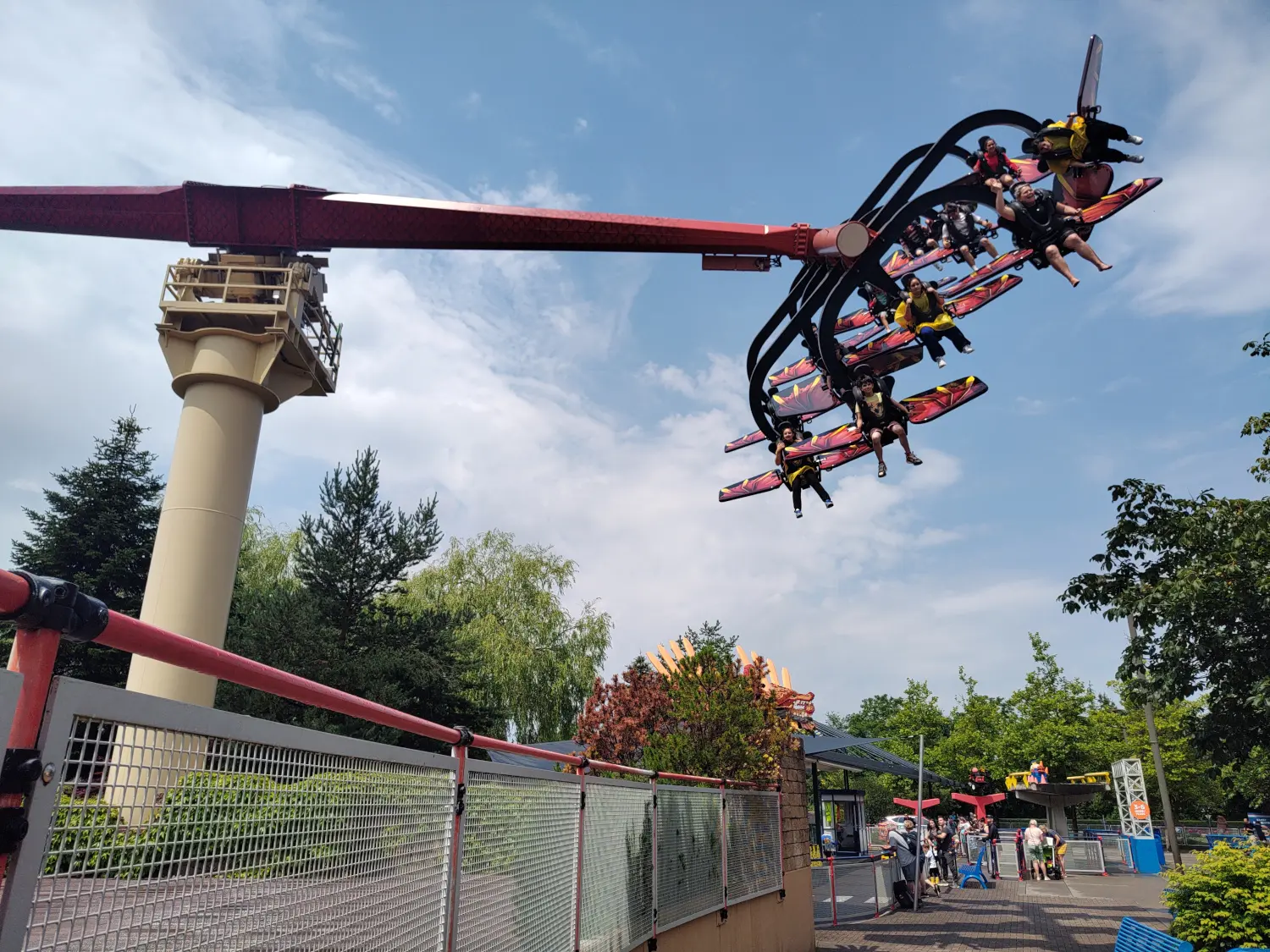
I happily visit palaces and museums, but I don’t need every day of a trip to be educational. Prater was the first amusement park I visited abroad, and although my first roller coaster there convinced me that extreme rides weren’t going to become a new passion, I still loved the park itself.
Years later, we spent our son’s birthday at Legoland Germany and easily filled the day. Could we have used those hours for another German city, castle or museum? Of course, but that wasn’t what we wanted to do that day.
When an amusement park is part of the trip, I care about the same practical details I check for other attractions – tickets, transportation, weather, food, ride restrictions and how much time to allow – which is why I put them together in my amusement park planning guide.
16. Using Audio Guides in Museums and Palaces
I’m very happy to walk around a museum wearing headphones if the audio guide gives me information I wouldn’t otherwise have. At the Munich Residenz, for instance, the audio guide drew our attention to stories and details that would have been easy to miss simply by looking at the displays.
We didn’t listen to every recording, which is another reason I like audio guides. I can choose the rooms or objects that interest me, skip the rest and move at my own pace instead of following a group through the entire building.
17. Going Back to the Hotel Early
After a full day of walking, museums and sightseeing, I don’t feel obliged to create a nightlife itinerary simply because I’m away from home. Some evenings I would rather go back to the hotel, rest, read, watch something or go to sleep early so I can enjoy the next morning without feeling exhausted.
People who love bars, nightlife and late dinners should absolutely enjoy them. But if that’s not what you want after twelve hours on your feet, adding three more hours doesn’t make the trip more adventurous; it just makes the day longer.
18. Is Carry-On-Only Travel Always Better?
Traveling with one small bag can be convenient and cheaper, and I admire people who can pack everything they need into a tiny suitcase. I don’t think it has to become a competition, though, especially when the trip involves colder weather, several types of activities, family travel or things you know you’ll want to bring home.
For a fall trip, coats, sweaters, and comfortable closed shoes take space, which is why my Europe fall packing guide is built around the weather and the trip rather than forcing everything into the smallest possible bag. Travelers who do want to fly carry-on only should check the airline’s exact carry-on size rules, because wheels, handles and small differences in measurements can matter at the gate.
19. Cruises
Cruises attract strong opinions because some travelers would rather stay longer in each destination, travel independently or avoid spending so much of a trip on a ship. Those are perfectly reasonable preferences, but plenty of other travelers enjoy unpacking once, waking up somewhere different and having restaurants, entertainment and activities within walking distance of their cabin.
There are many styles of cruising too, from huge resort-like ships to smaller vessels and luxury cruises, so saying you dislike “cruises” can cover a very broad range of trips. Someone may care as much about the time onboard as the ports, while another traveler uses the ship mainly as transportation between destinations.
20. All-Inclusive Resorts
All-inclusive resorts get similar criticism, especially from travelers who prefer exploring independently and eating somewhere different every day. Yet there are trips where someone genuinely wants a beach, a pool, meals they don’t have to organize and several days without thinking very hard about logistics.
Staying at a resort doesn’t mean you have to spend the entire vacation inside it either. A trip can combine resort time with excursions, towns and days spent exploring independently; a Dominican Republic itinerary, for example, can look completely different depending on whether Punta Cana is the center of the trip or only one part of it.
The idea that one travel style is automatically more legitimate than another belongs with many of the other travel stereotypes that sound less convincing once you start looking at what different people actually want from a vacation.
Conclusion: Enjoy the Vacation You Actually Want
Looking at all these supposedly questionable travel habits together, I realized how easy it is to absorb rules that were never really rules in the first place. We can love hidden places and famous attractions, eat local food and occasionally order from a chain, plan most of a trip and still book an organized excursion, spend an active morning sightseeing and then sit in a park doing nothing at all.
I’ll keep being curious about airplane food, checking whether my hotel serves breakfast, wandering through supermarkets, taking plenty of photos, wearing comfortable shoes and setting aside money for souvenirs. And if I ever find another souvenir I love as much as that dog at Prater, I’m going to remember what happened the first time before convincing myself I’ll simply buy it later.
A vacation doesn’t need to prove that you’re an experienced traveler. It needs to contain the things you actually enjoy.

Questions About Unpopular Travel Opinions and Touristy Things People Enjoy
Is it bad to do touristy things on vacation?
No. A famous attraction, sightseeing bus, souvenir shop or guided tour can be worth your time if it interests you. Popularity alone doesn’t tell you whether you’ll enjoy an experience.
Are famous tourist attractions worth visiting despite the crowds?
They can be, especially when the attraction is one of the reasons you wanted to visit the destination. Booking timed tickets, visiting at a quieter hour and planning ahead can make a crowded attraction much easier to enjoy.
Are hop-on-hop-off buses worth the money?
They can be useful when you have limited time, want an overview of a city, need to reduce the amount of walking or prefer seeing how different neighborhoods connect before exploring them independently. Check the route, frequency and operating hours before buying a ticket.
Is a hotel breakfast buffet worth paying extra for?
That depends on the price and your travel style. For families and travelers planning full sightseeing days, the convenience and variety can easily justify the extra cost, while someone who prefers trying a different local café each morning may choose a room without breakfast.
Why do travelers visit supermarkets abroad?
Foreign supermarkets let travelers discover local foods and brands, compare prices, buy practical supplies and find inexpensive snacks or meals. The habit is often called grocery store tourism or supermarket tourism.
Can supermarkets help you save money while traveling?
Yes. Buying drinks, breakfast items, snacks or occasional simple meals from supermarkets can reduce daily food costs without preventing you from eating in local restaurants during the rest of the trip.
Are organized tours worth it?
They can be when transportation is inconvenient, tickets require careful timing, a guide provides useful context or you simply prefer not to spend part of the vacation managing logistics yourself.
Is it worth returning to the same vacation destination?
Yes. A return trip gives you time for attractions you missed, places you want to revisit and neighborhoods you barely saw the first time. It can also be more relaxed because you already know how part of the destination works.
Is it okay to eat at chain restaurants while traveling?
Yes. Trying local food doesn’t require every meal to be unfamiliar, and international chains sometimes have different products and menus in different countries.
Is it okay to spend part of a vacation doing nothing?
Yes. Sitting in a park, lingering over coffee, relaxing beside a pool or returning to the hotel early can be part of the trip rather than time lost from it.
What are common travel guilty pleasures?
They can include airplane food, airport wandering, hotel breakfast buffets, souvenir shopping, sightseeing buses, famous attractions, chain restaurants abroad, supermarket browsing, guided tours, amusement parks, taking lots of photos, audio guides, comfortable travel gear, repeat visits, cruises and all-inclusive resorts.
Do cruises and all-inclusive resorts count as travel?
Yes. They’re different ways of taking a vacation, and both can be combined with independent sightseeing, local excursions and time away from the ship or resort. The better choice depends on what someone wants from that particular trip.
More amazing articles for you:
A local's guide to Phoenix, Arizona
A local's guide to Stratford-upon-Avon, Warwickshire, UK
Best walking graffiti tours of Toronto
3 Days in Costa del Sol: The perfect Costa del Sol itinerary by a local
Unconventional Christmas Celebrations: Quirky Traditions Across Continents
Drive into the Sun: How to Prepare Your Car for a Summer Road Trip
Visiting Schönbrunn Palace: things to do at Schonbrunn Palace, Vienna
Local's guide to Yakutsk with the best things to do in Yakutsk

Violeta-Loredana Pascal is a communications expert, business mentor, and the founder of Earth’s Attractions and PRwave INTERNATIONAL. A pioneer in the Romanian digital PR landscape since 2005, she holds a degree in Communication and Social Sciences from SNSPA Bucharest. Violeta is a senior trainer at AcademiadeAfaceri.ro, where she leverages over 20 years of experience to teach professional courses in PR strategy and workplace productivity. By blending high-level business consulting with a passion for holistic travel and wellness, she empowers solopreneurs to overcome procrastination, build profitable brands, and design a life of purposeful adventure.